Killevy Old Churches
Recommended by


Overview
The ruins of the two churches (10th and 13th-century) stand back to back, at the foot of Slieve Gullion sharing a common wall, but with no way through from one to the other. The churches stand on the site of an important nunnery founded by St Monenna in the 5th century. A huge granite slab in the graveyard supposedly marks the founder's grave. A holy well can be reached by climbing the path north of the graveyard. The nunnery was in use until the Dissolution in 1542.
Features
- Opening Times
- Open all year
- Opening Times: Open access all year
About the area
From its highest point up on Slieve Gullion to its lower extremity at Lough Neagh, County Armagh’s scenery packs a punch. The county claims St Patrick himself as one of its sons – the Irish patron saint was Bishop of Armagh in the fifth century – and calls itself the 'Ecclesiastical Capital of Ireland'.


Nearby places to stay
View all (8)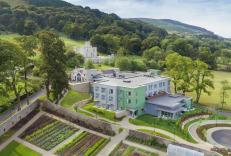



Nearby places to stay
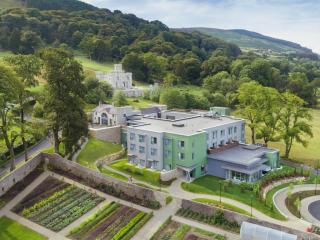
Killeavy Castle Estate
Located in a 350 acre estate made up of woods and farm lands, Killeavy Castle was built in the 19th century, but only recently opened as a hotel after massive refurbishment and investme...
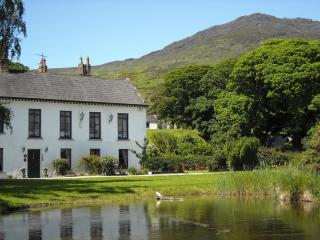
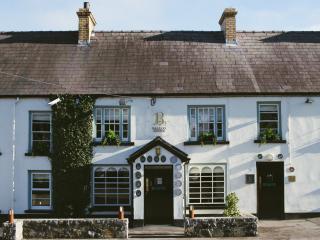
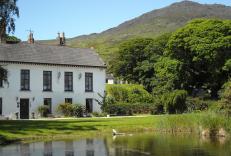
Ghan House
Dating from 1727, Ghan House oozes charm and comfort. Set in a two-acre walled garden, the house is within 50 metres of Carlingford’s centre, making it an ideal base for walking and tou...
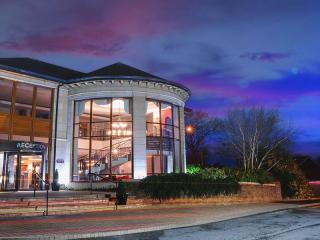
Seagoe Hotel
The Seagoe Hotel is ideally located close to Portadown and within easy reach of road and rail transport networks. This modern contemporary hotel caters well for the needs of both the bu...
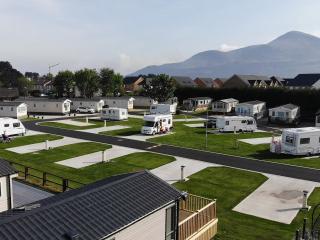
Windsor Holiday Park
Windsor Holiday Park is located in the coastal town of Newcastle, within sight of the breath-taking Mourne Mountains. This very well managed and presented site has a small reception ben...
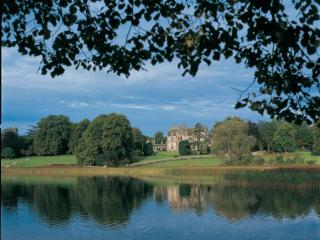
The Castle at Castle Leslie Estate
With its authentic interiors and old-style hospitality, the Castle at Castle Leslie Estate exudes old world grandeur and offers complete respite from the world. The Castle is not a typi...
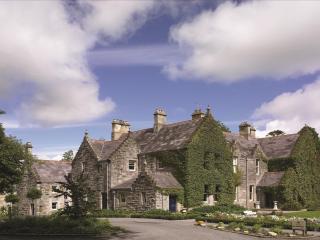
The Lodge at Castle Leslie Estate
The Lodge, with its 50 bedrooms has been lovingly restored and imaginatively decorated retaining its period features and original character.
Located at the entrance to the Estate, it i...
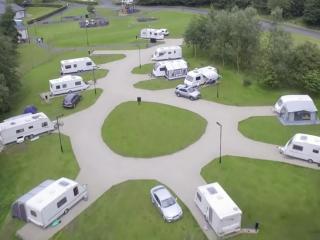
Dungannon Park
Set within the magnificent public Dungannon Park, with a fishing lake, cricket ground and regular concerts during the summer months, this family-friendly caravan park provides excellent...
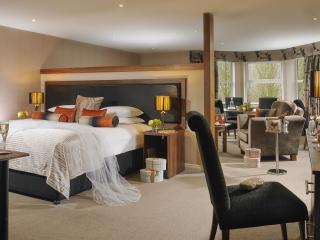
The Malone
The Malone is situated in the leafy suburbs of the university area of south Belfast, this stylish hotel forms the centrepiece of an attractive row of Victorian terraced properties. The ...