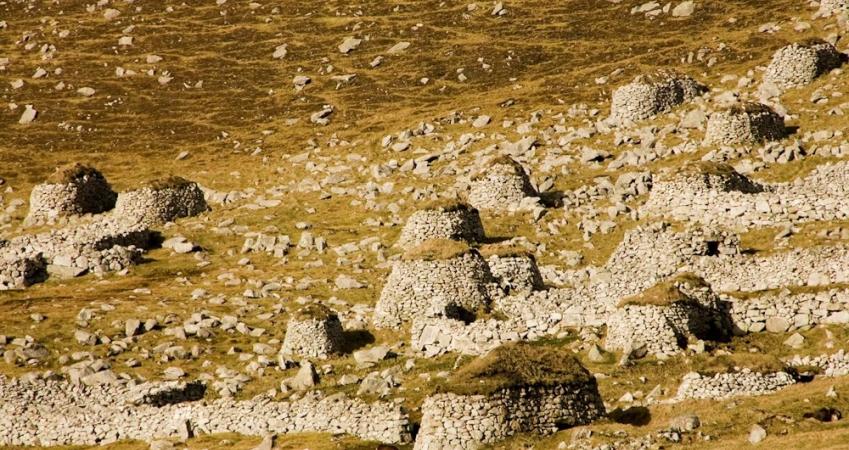
St Kilda World Heritage Site
Recommended by


Overview
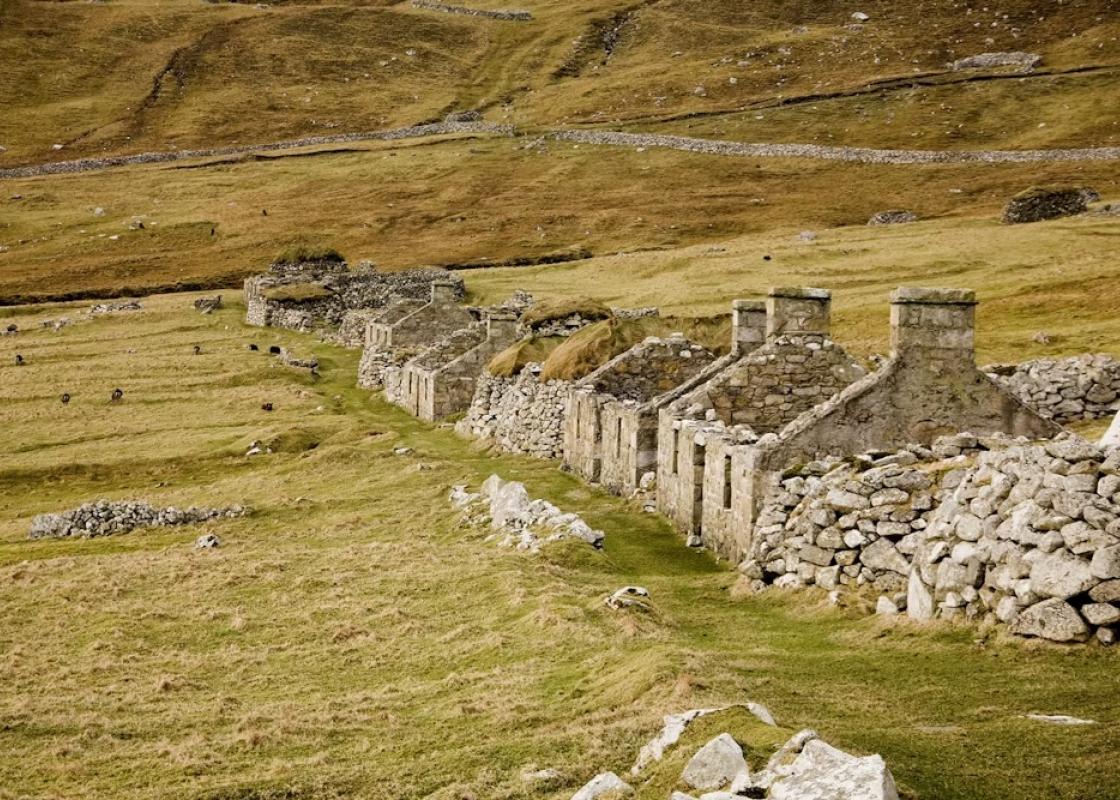
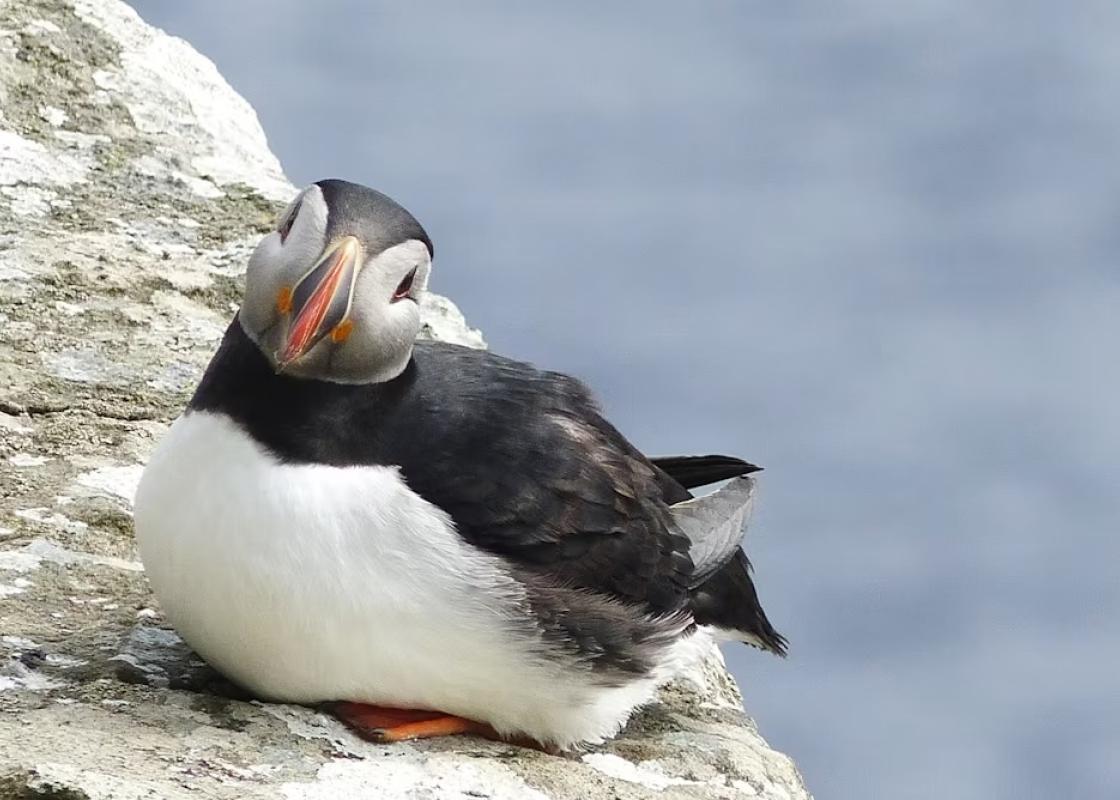
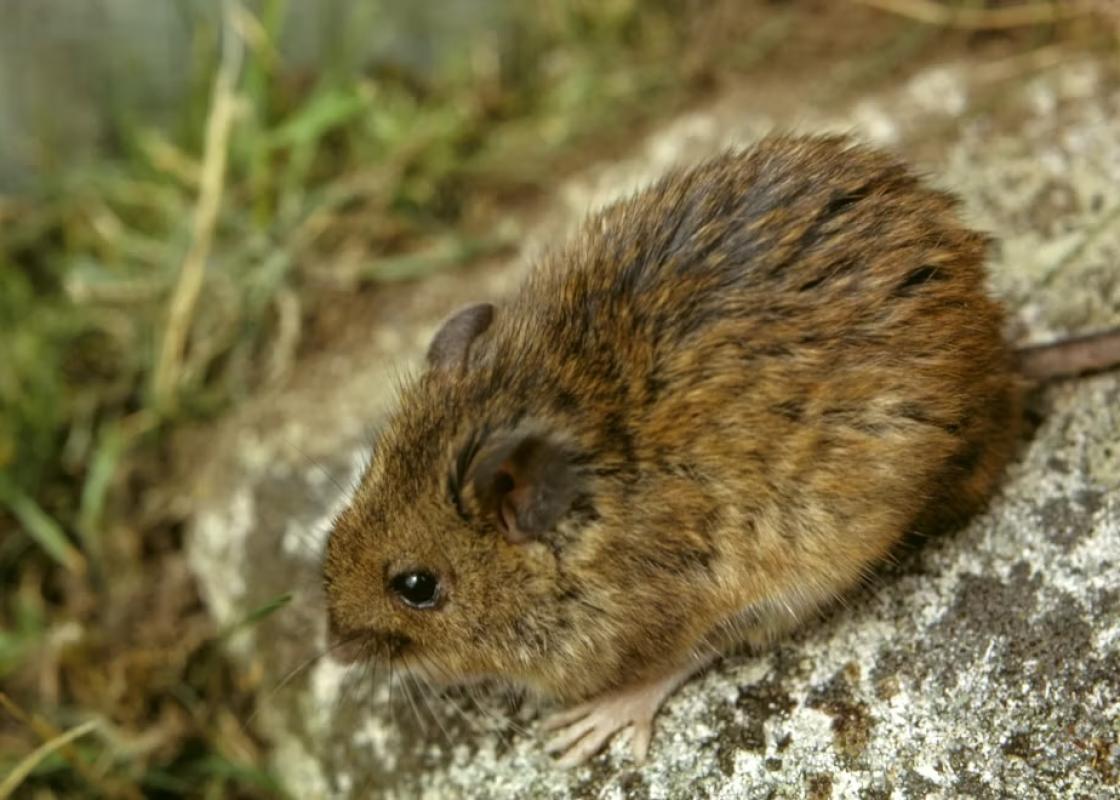
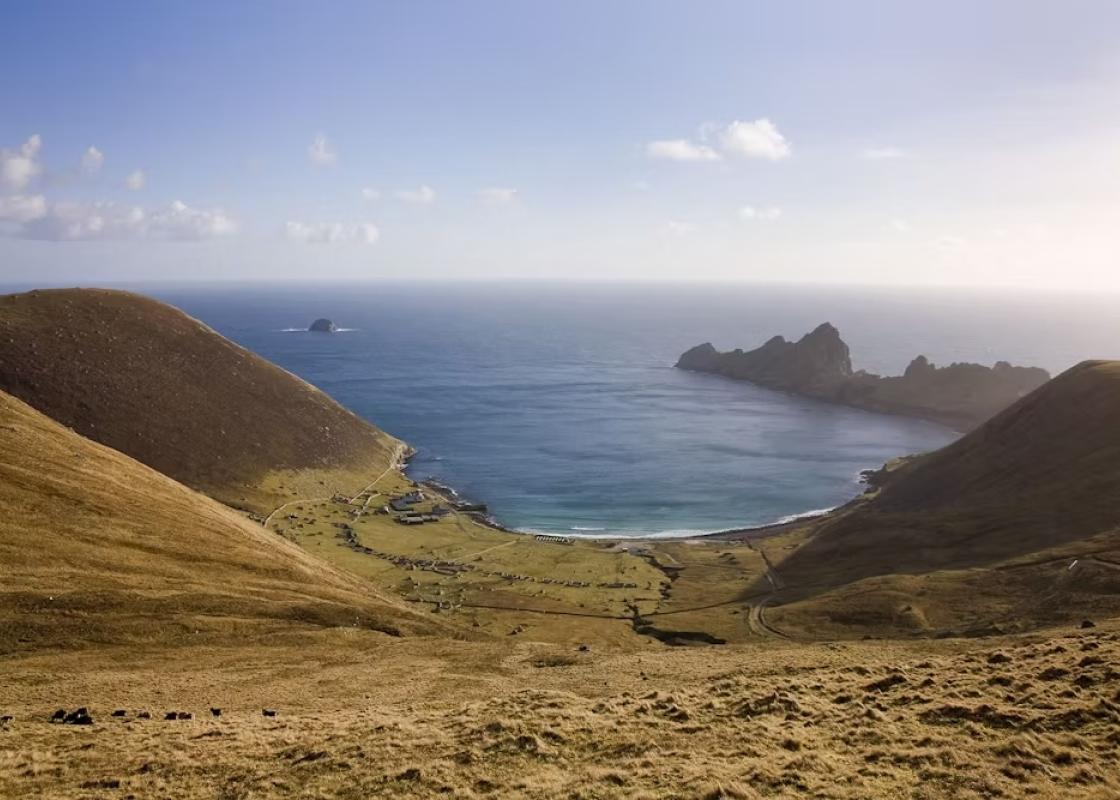
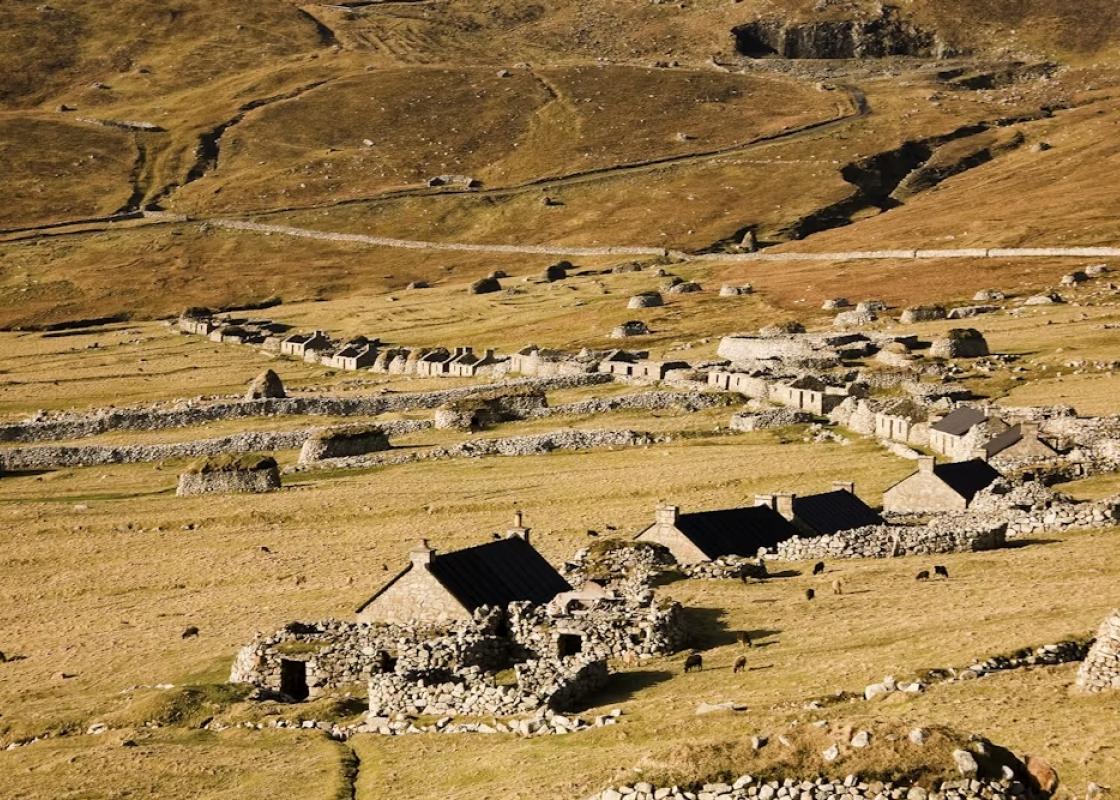
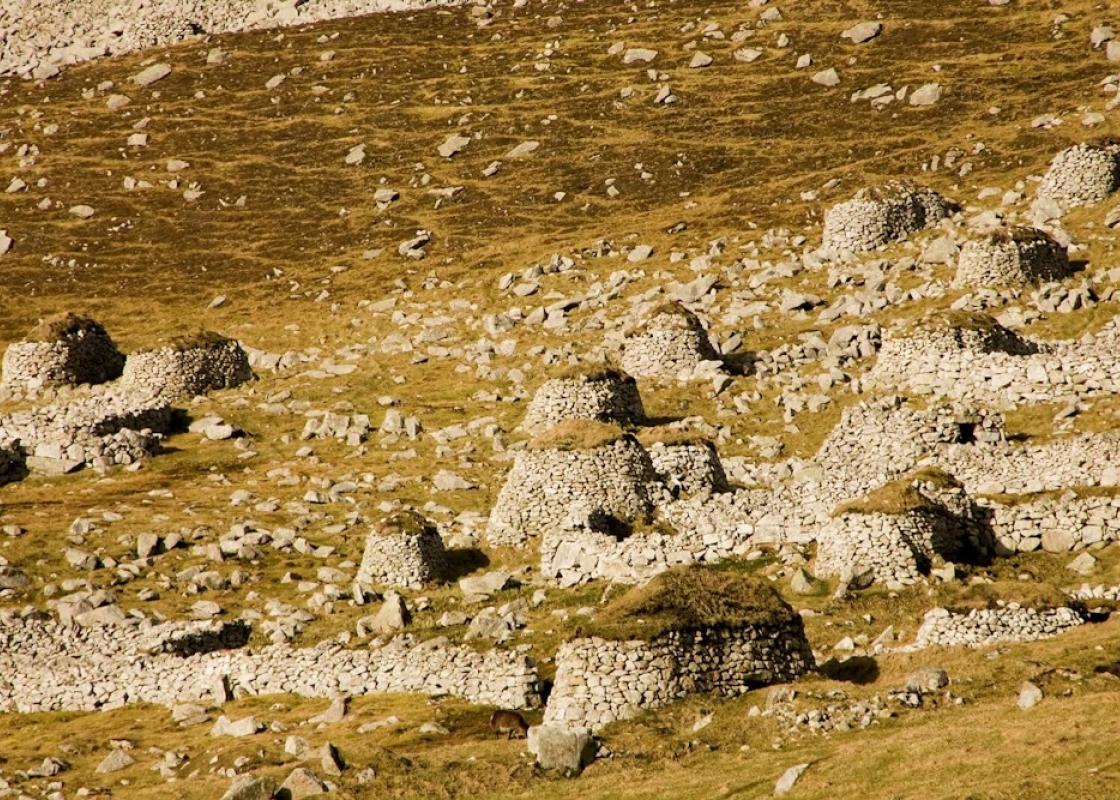
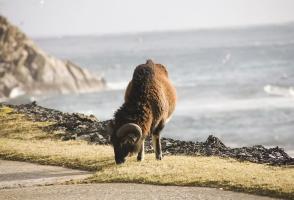
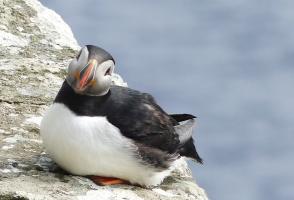
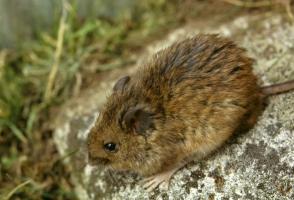
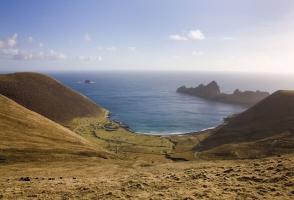
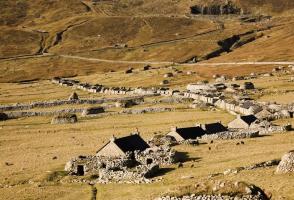
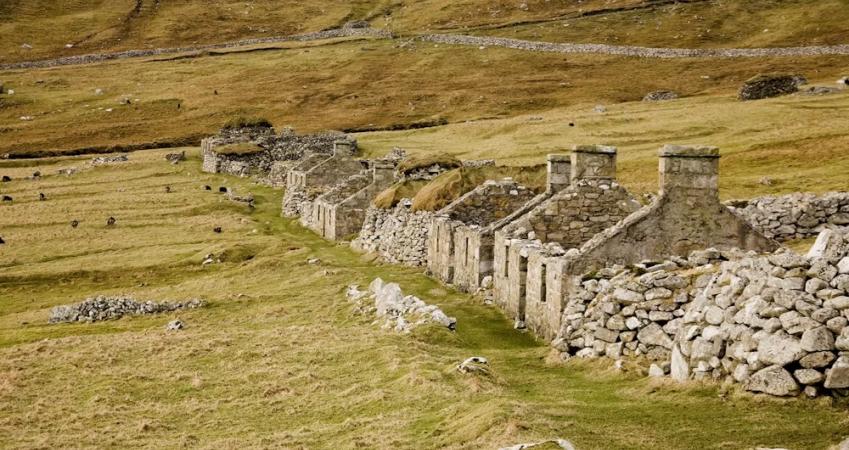
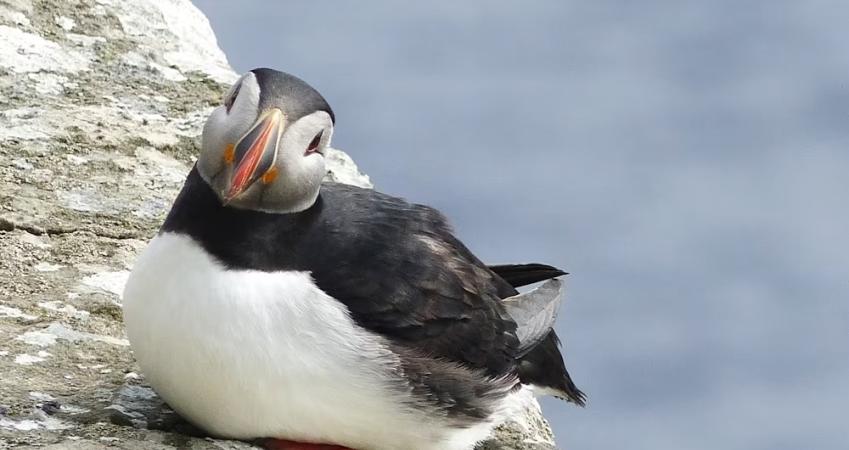
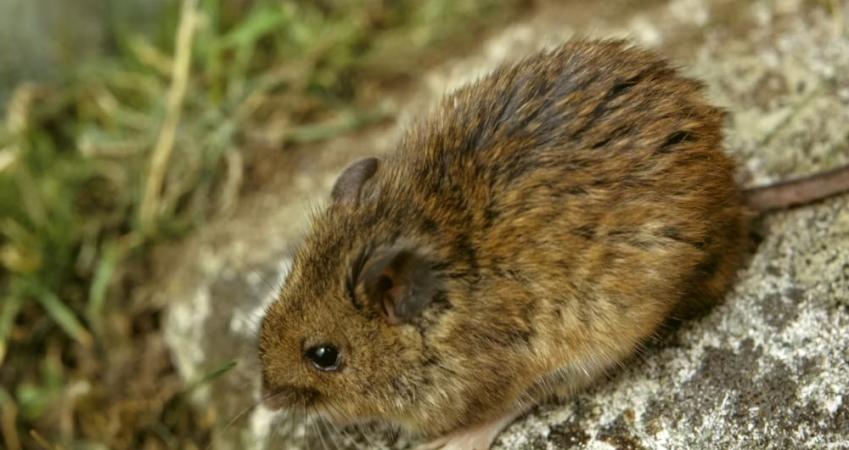
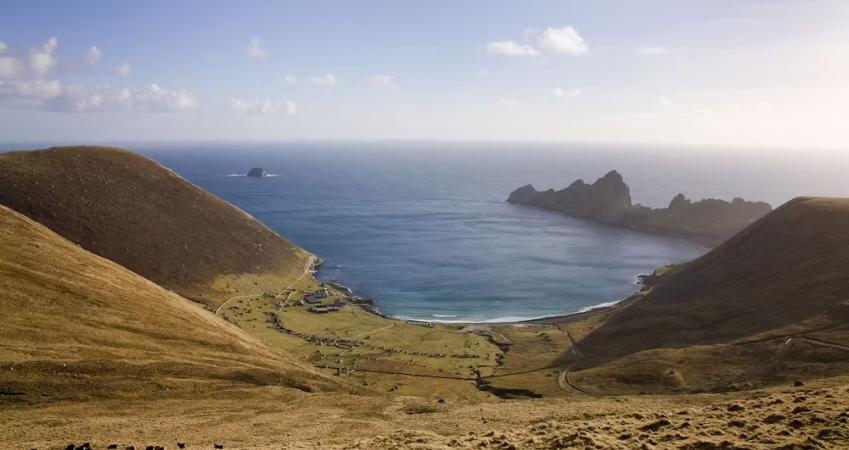
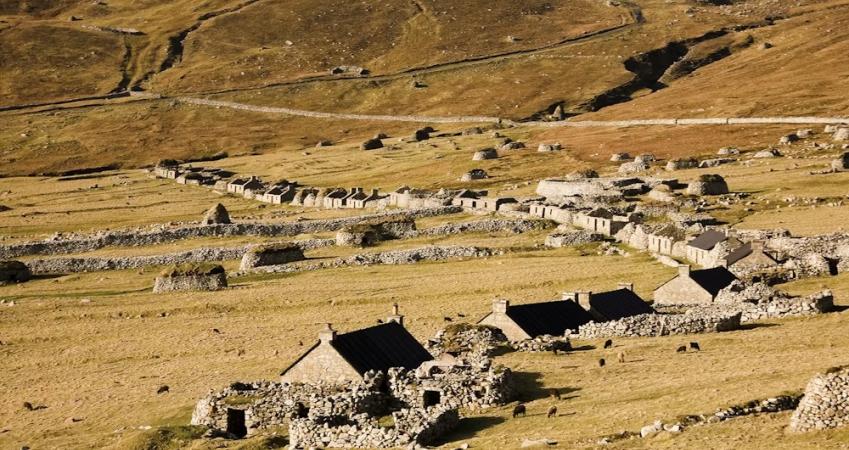
With its dramatic sheer cliffs and sea stacks, the St Kilda NNR feels like it is a mythical landscape lost in time. Fifty miles west of Benbecula, it is Britain’s most remote point – and home to Europe’s most important seabird breeding colony. The main island of Hirtais perhaps most famous for having finally been abandoned by its human population in 1930, bringing to an end 2,000 years of human occupation. The birdlife on the islands includes the world’s largest colony of northern gannets on the isolated seastacks of Boreray, Stac Lee and Stac an Armin; a quarter of Britain’s puffin population nesting on most of the islands; huge numbers of guillemots, razorbills and fulmars on most rocky ledges, and Manx shearwaters, storm and Leach’s petrels in inland burrows. St Kilda’s unique mammal is the St Kilda fieldmouse, common on Hirta and Dun, while the St Kilda wren is a larger sub-species of the mainland wren and has only been found on Hirta, Dun, Soay and Boreray.
Location
LOCHMADDY
About the area
The Outer Hebrides lay to the west of Scotland’s north coast. To the north lie Lewis and Harris, geographically one island, with Lewis, the most densely populated region of the Outer Hebrides, and Harris far more mountainous.