Axmouth to Lyme Regis Undercliffs National Nature Reserve
Recommended by


Overview
The Axmouth to Lyme Regis Undercliffs NNR is one of the largest and most important active coastal landslip systems in western Europe. The Undercliffs has been described as one of the finest wilderness areas in Britain, and is internationally famous for its fossils. The landslips have been colonised by trees such as ash and field maple,and large areas of mixed scrub include the wayfaring tree and spindle. In spring, wild daffodils and bluebells cover the woodland floor. The ponds and springs have their own distinctive plants, such as giant horsetail, sedges and common reed. The clifftop chalk grassland contains rarities such as Nottingham catchfly and early gentian. Hazel dormouse and three species of shrew – common, pygmy and water – have all been recorded, as have peregrine falcons and ravens. The Undercliffs’ sheltered microclimate makes it ideal for reptiles and amphibians, including grass snake, common lizard and great-crested newt. The eroding cliffs provide homes for insects such as the ivy bee and rare cliff tiger beetle. Butterflies include the wood white, chalk hill blue and small blue.
About the area
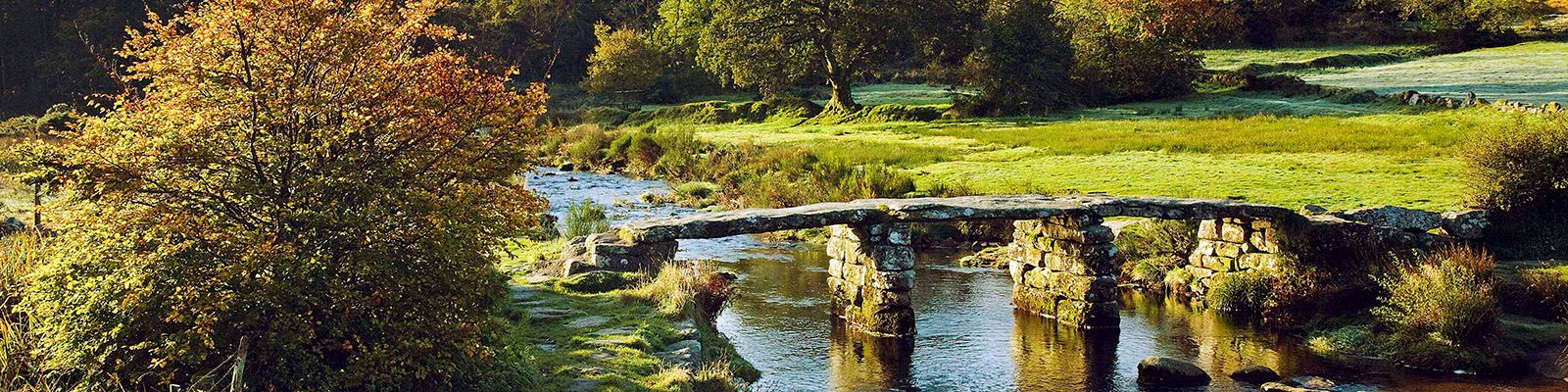
Devon sums up all that is best about the British landscape, with its magnificent coastlines, two historic cities, the world-famous Dartmoor National Park and south Devon’s glorious English Riviera. A fashionable and much-loved holiday destination, hiking and cycling in the National Parks is extremely popular among visitors, with a great choice of off-road routes.
Places to eat nearby View all








Nearby places to stay
View all (8)



Nearby places to stay
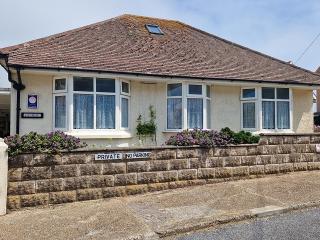
Carisbrooke
Almost on the beach, and close to the Axe Estuary, Carisbrooke is a comfortable detached bungalow. Walkers may be interested to hear that the South West Coastal Path runs along the beac...
Carisbrooke Bungalow
Almost on the beach, and close to the Axe Estuary, Carisbrooke is a comfortable detached bungalow. Walkers may be interested to hear that the South West Coastal Path runs along the beac...
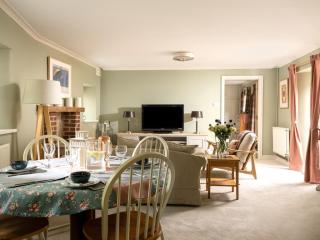
Acorn Cottage
Attractive single storey property for two guests. Set in a peaceful countryside location, an ideal getaway for a romantic weekend or to explore the local area....
Acorn Cottage
Attractive single storey property for two guests. Set in a peaceful countryside location, an ideal getaway for a romantic weekend or to explore the local area....
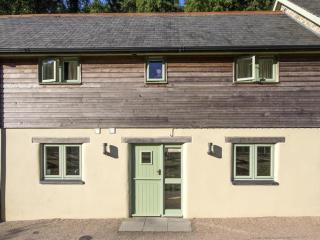
1 The Old Cow Stall
Awaiting description...
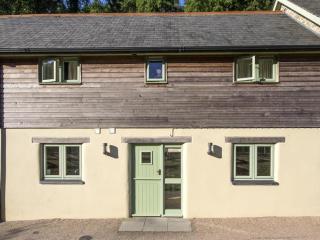
The Milking Parlour
Awaiting description...
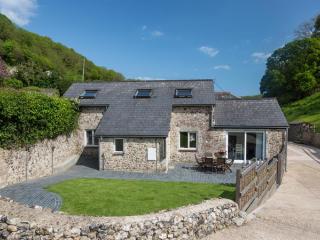
Pitt Farm Cottages
Pitt Farm Branscombe are four barn conversions available for short term holiday lets on a self catering basis, they are all newly converted or recently refurbished barns, the oldest of ...
1 The Lodge
Awaiting description...