Drumburgh Moss National Nature Reserve
Recommended by


Overview
Drumburgh Moss NNR is one of four nationally important wetlands on the South Solway estuary. It is dominated by an expansive lowland raised mire, one of western Europe’s most threatened habitats. Drumburgh Moss is home to a number of specialist bog plants. In spring, the moss is a profusion of the white heads of cotton grass, and in summer cranberry, bog rosemary and heather are in flower. You can find all three species of sundew here including the rare great sundew. In spring you might see breeding displays of curlew, skylark and reed buntings, and red grouse, redshank, snipe and grasshopper warbler also breed here. The nationally rare large heath butterfly is on the wing from June to August looking for cotton grass on which it lays its eggs. The pools are alive with dragonflies and damselflies during the summer months, while in winter, the reserve often hosts small numbers of geese from the huge flocks on the Solway.
About the area
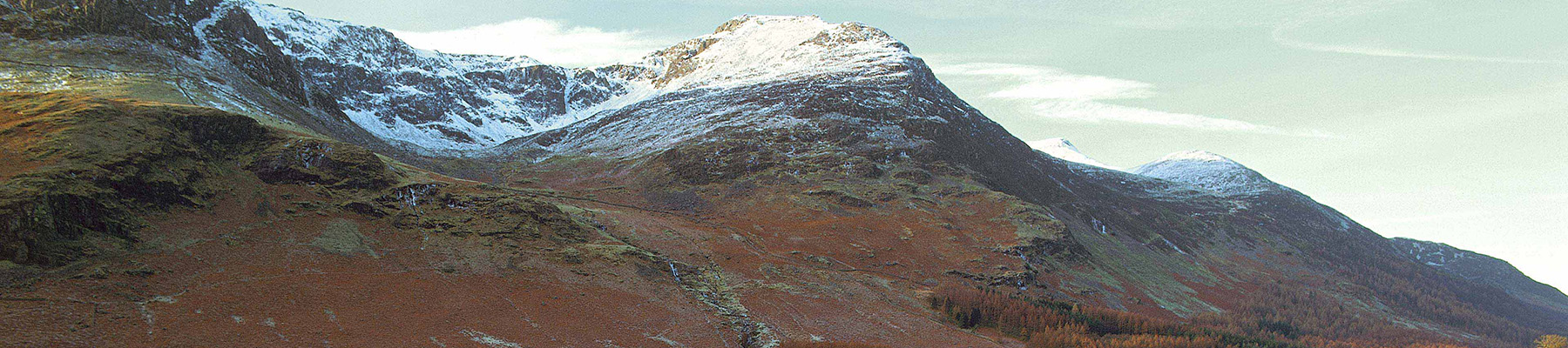
Cumbria's rugged yet beautiful landscape is best known for the Lake District National Park that sits within its boundaries. It’s famous for Lake Windermere, England’s largest lake, and Derwent Water, ‘Queen of the English Lakes', but other lesser-known areas in the south, such as the Lune Valley and the coastal towns, are secret gems of wide cobbled streets and rolling hills.
Places to eat nearby View all





Nearby places to stay
View all (8)



Nearby places to stay
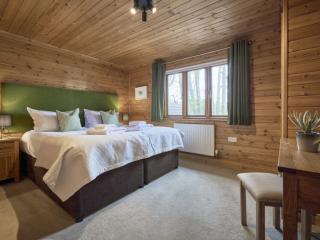
Gadwall Lodge
Awaiting description...
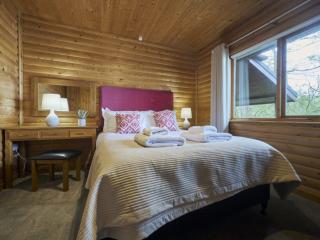
Heron Lodge
Awaiting description...

Buzzard Lodge
Awaiting description...
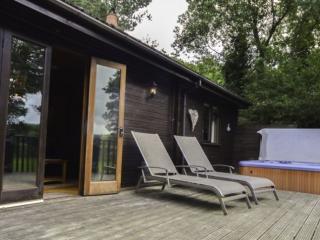
Dunnock Lodge
Awaiting description...
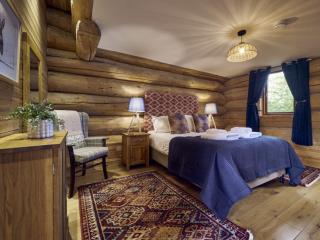
Alder Lodge
Awaiting description...
The Tranquil Otter
In the heart of the Lake District, The Tranquil Otter is a nature reserve with luxury log cabins and lodges landscaped around the shore of a lough. Each property has its own hot tub scr...
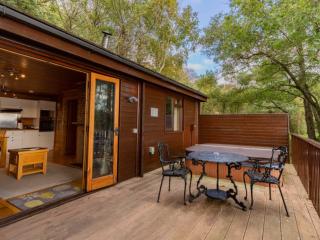
Chiffchaff Lodge
Awaiting description...

Egret Lodge
Awaiting description...