Smardale Gill National Nature Reserve
Recommended by


Overview
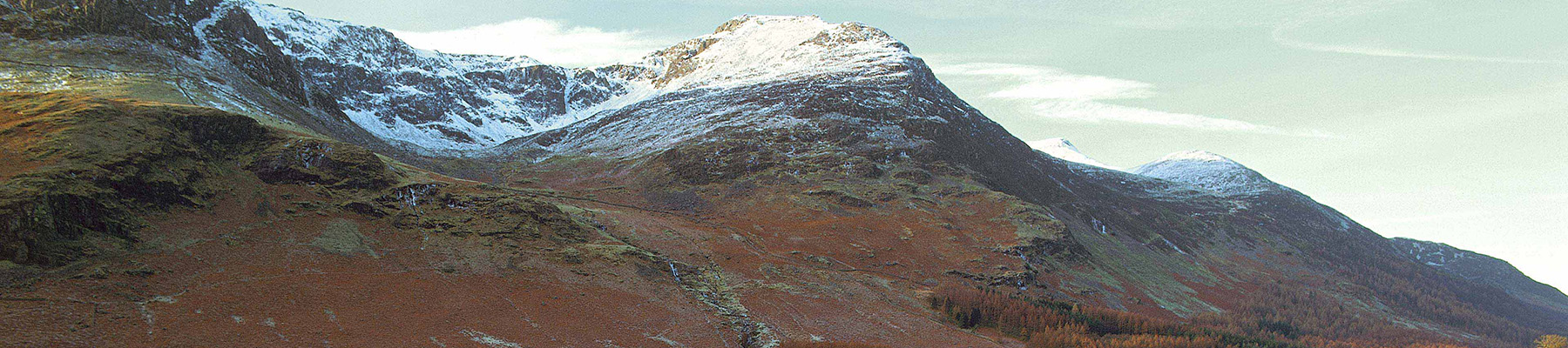
Smardale Gill NNR occupies a 3.5-mile section of the former railway line which once ran from Tebay to Darlington. At the northern end, the reserve includes the steep wooded slopes of Scandal Beck, while south of the Smardale Gill Viaduct, its character changes to the open rolling countryside typical of the area. On the woodland floor in spring you will find bluebells, primroses, wild garlic and many fern species. In summer, birds include redstart, wood warbler and pied flycatcher, while buzzard, tree creeper and sparrowhawk are seen all year round. The limestone grassland, which has colonised the cuttings and embankments, is also very species-rich due to the underlying limestone. Unusual plants to look for here include bloody cranesbill, fragrant and butterfly orchid. Smardale Gill is one of only two sites in England where the Scotch argus butterfly can be seen. Other butterflies include dark green fritillary, common blue, northern brown argus and dingy skipper.
About the area
Cumbria's rugged yet beautiful landscape is best known for the Lake District National Park that sits within its boundaries. It’s famous for Lake Windermere, England’s largest lake, and Derwent Water, ‘Queen of the English Lakes', but other lesser-known areas in the south, such as the Lune Valley and the coastal towns, are secret gems of wide cobbled streets and rolling hills.
Places to eat nearby View all
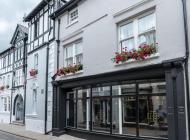
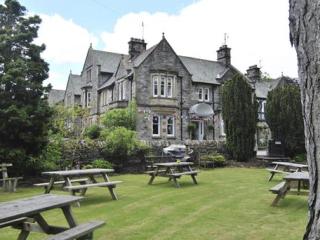
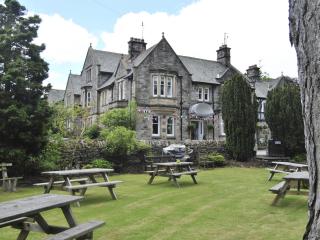
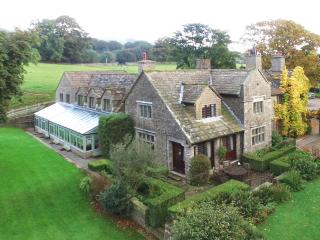
Nearby places to stay
View all (8)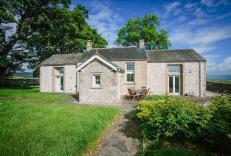


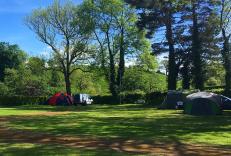

Nearby places to stay
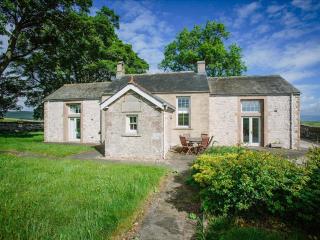
Waitby School
An historic and luxurious holiday cottage, Waitby School is the perfect all-season getaway. Built in 1680, this Grade II listed building sleeps six to seven people and has two bedrooms ...
Waitby School
An historic and luxurious holiday cottage, Waitby School is the perfect all-season getaway. Built in 1680, this Grade II listed building sleeps six to seven people and has two bedrooms ...
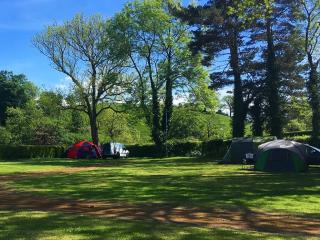
Pennine View Park
Nestled in the Eden Valley surrounded by rolling countryside on the edge of the Yorkshire Dales National Park, Pennine View Park is perfectly placed for walking, cycling, exploring and ...
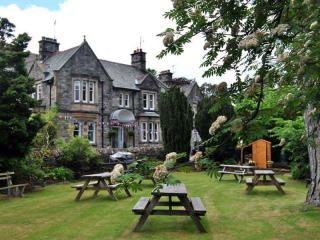
The Black Swan
Set in the heart of this quiet village, set between the Lakes and the Dales, the inn is popular with visitors and locals alike and offers a very friendly welcome. The bedrooms are indiv...
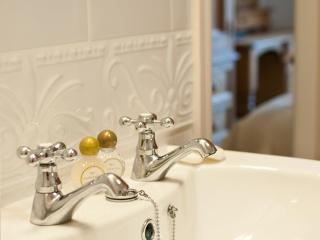
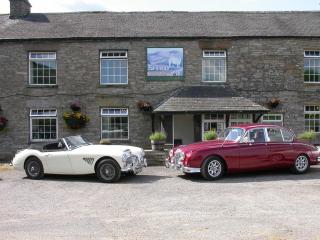
The Fat Lamb Country Inn
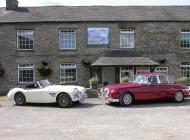
A popular stop for motor clubs, this charming 17th-century inn is full of character, with solid stone walls, open fires, and an impressive collection of memorabilia displayed throughout...
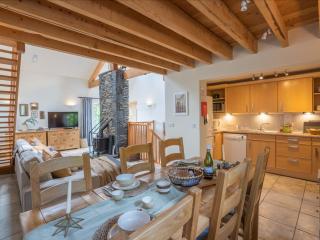
The Green Cumbria
Three dog friendly cottages in the Yorkshire Dales National Park, and within easy reach of the Lake District. In a rural location with walks onto the fells from the entrance, on the ou...
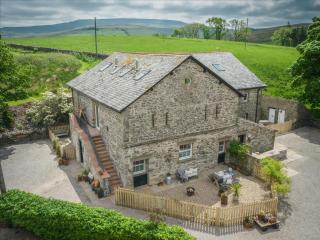
The Carthouse
The Carthouse sleeps up to 6 guests and is perfect for larger families or friends catching up. The ground floor has a cosy living room with original stone fireplace, open plan kitchen/d...
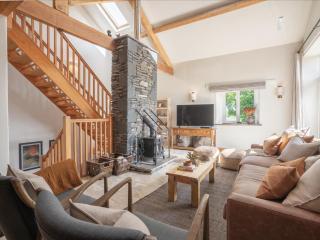
The Haystore
The vaulted ceilings and tall slate fireplace are the stars of the show in this rustic yet luxurious property. Laid out on two floors plus cosy mezzanine, there is plenty of space to re...