South Solway Mosses National Nature Reserve
Recommended by


Overview
South Solway Mosses NNR covers over 2,400 acres and is made up of three large lowland raised bogs: Bowness Common, Glasson Moss and Wedholme Flow. Local plant life includes a range of sphagnum species, hare’s-tail cotton grass, bog rosemary, cranberry, and cross-leaved heath. All three of the native species of the bright red sundew, which uses its sticky leaf pads to catch and eat insects, are also present. There is also a range of oddly shaped lichens such as the cup lichen and the red-tipped matchstick lichen. In summer you might catch sight of adders basking along the path and enjoy the sight of a sea of white as cotton grass, a specialist bog plant, produces its fluffy cotton wool seeds. Breeding birds found on the reserve include sparrowhawk, curlew, snipe and sedge and grasshopper warblers. Invertebrates and insects include large heath butterfly, bog bush cricket and banded demoiselle dragonfly.
About the area
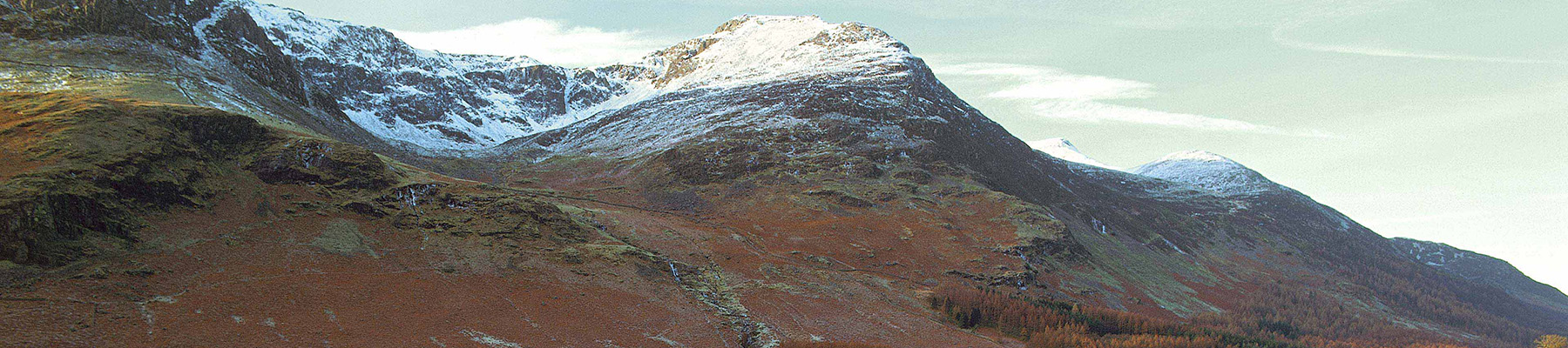
Cumbria's rugged yet beautiful landscape is best known for the Lake District National Park that sits within its boundaries. It’s famous for Lake Windermere, England’s largest lake, and Derwent Water, ‘Queen of the English Lakes', but other lesser-known areas in the south, such as the Lune Valley and the coastal towns, are secret gems of wide cobbled streets and rolling hills.
Places to eat nearby View all

Nearby places to stay
View all (8)




Nearby places to stay
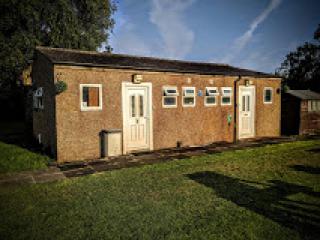
Galabank Caravan & Camping Group
A tidy, well-maintained, grassy little park with spotless facilities close to the centre of town but with pleasant rural views, and skirted by the River Annan. A hands-on approach ensur...
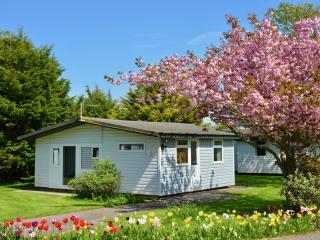
Solway Holiday Village
Set in 130 acres of beautiful parkland and situated on the coastline of the Solway Firth, Solway Holiday Park is a great choice for exploring the Lake District. In addition to the heate...
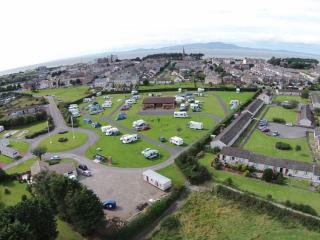
Hylton Caravan Park
A smart, modern touring park with excellent toilet facilities including several bathrooms. This high quality park is a sister site to Stanwix Park, which is just a mile away and offers ...
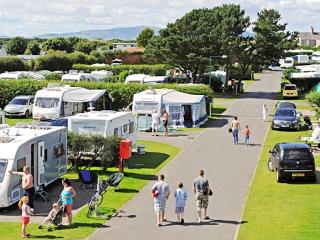
Stanwix Park Holiday Centre
A large and well-run family park within easy reach of the Lake District. Attractively laid out, with lots of amenities to ensure a lively holiday, including a 4-lane automatic 10-pin bo...
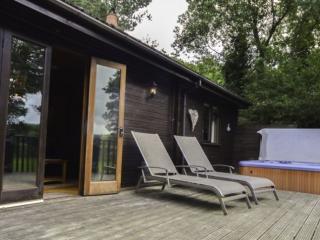
Dunnock Lodge
Awaiting description...
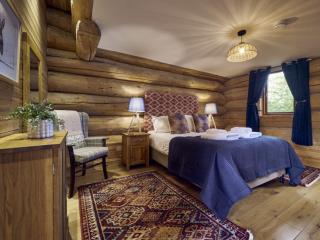
Alder Lodge
Awaiting description...
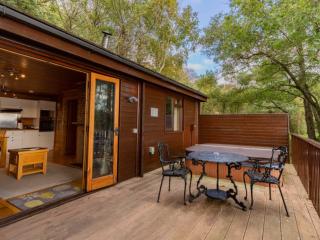
Chiffchaff Lodge
Awaiting description...
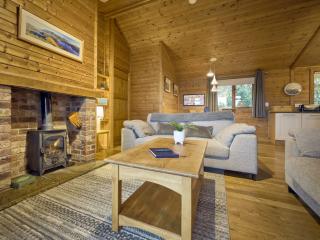
Egret Lodge
Awaiting description...