Winterton Dunes National Nature Reserve
Recommended by


Overview
The spectacular acidic dunes and heaths of the Winterton Dunes NNR are internationally important for the rare groups of plants and animals that they support. The reserve shows a habitat succession from the open sand and shingle beach, through shifting and fixed dunes to acid heathland and low-lying wet dune slacks, with areas of scattered scrub. In spring, migrant birds such as wheatear and ring ouzel pass through, often with other rarities. Skylarks and stonechats are often seen or heard on the reserve. Little terns and ringed plovers arrive in May, using shallow scrapes on the sandy beach to breed, while natterjack toads can be heard calling over considerable distances. Nightjars can also be heard ‘churring’ on warm summer evenings. The range of habitats provide suitable homes for many rare insects such as sand wasps, many dragonflies and damselflies and a variety of butterflies including the grayling and dark green fritillary.
About the area
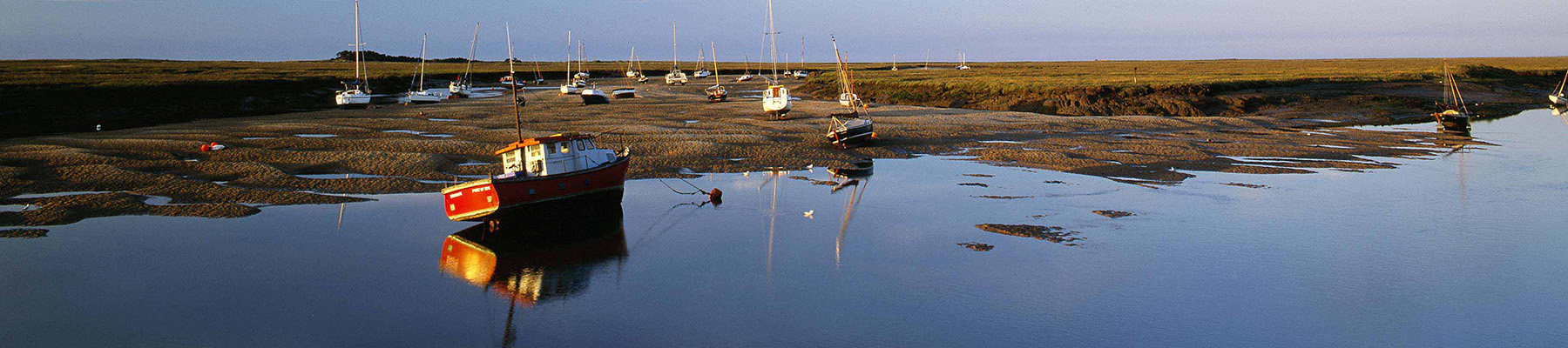
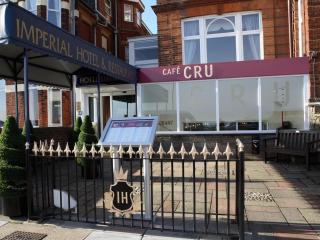
The North Norfolk Coast is designated an Area of Outstanding Natural Beauty and probably the finest of its kind in Europe. Here you’ll find a string of quaint villages and small towns – Holkham, Wells-next-the-Sea and Cley next the Sea are 21st-century favourites, while Sheringham and Cromer are classic examples of a good old-fashioned seaside resort where grand Victorian hotels look out to sea.
Places to eat nearby View all








Nearby places to stay
View all (8)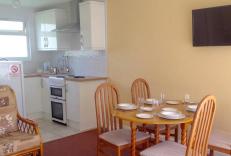


Nearby places to stay
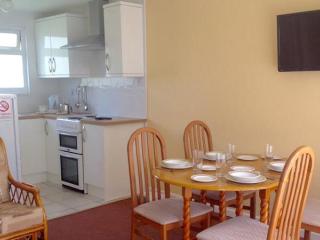
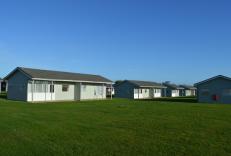
Seadell Chalets
Set in more than 15 acres of parkland, Seadell Chalet Park is ideal for families, with plenty of grassed play areas for the children. You can park right outside the chalets, so no need ...
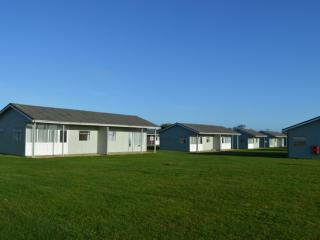
Hemsby Beach
Run by the owners of the Norfolk Broads’ largest hire craft fleet, Hemsby Beach Holiday Park is aimed at all ages. Go Active breaks offer archery, underwater exploration with sea scoote...
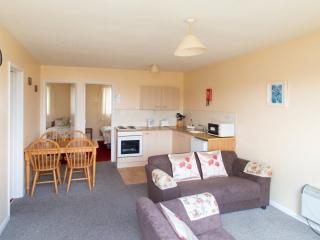
Cavalier Chalets
Enjoy a relaxing, comfortable and fun-filled break in these self-catering chalets on the idyllic Norfolk coast. Take it easy and enjoy the sandy beaches, a stroll to the nearby indoor h...
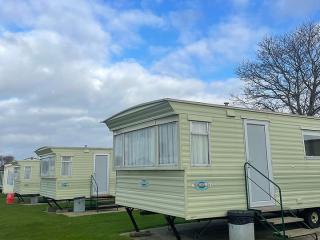
Newport Caravan Park (Norfolk) Ltd
Just a short drive from the attractions of Great Yarmouth, Newport Caravan Park offers camping and motor home pitches with electric hook ups. Static caravan hire is also available with ...
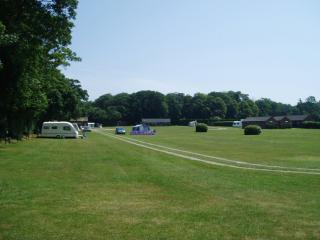
Scratby Hall Caravan Park
A beautifully maintained park situated on former gardens and farmland with high wall or hedge surroundings to improve privacy and wind resistance. The well-spaced lush grass pitches inc...
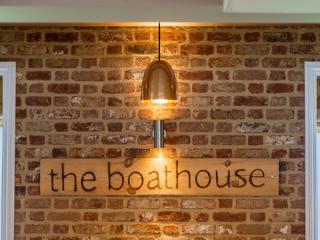
The Boathouse
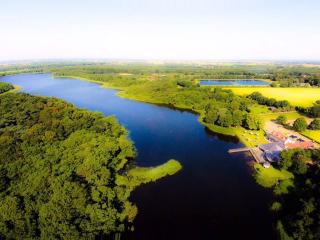
The Boathouse sits in eleven acres of parkland beside Ormesbury Broad and guests can choose between B&B in the inn or in one of three woodland lodges in the grounds. In the tiny village...
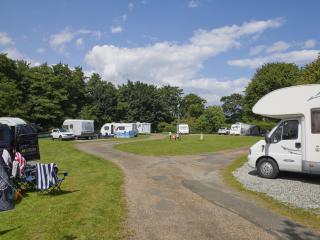
Ormesby Grange Tents & Touring
Ormesby Grange Tents & Touring is a mature, family owned park located just one mile from the sea and within easy reach of both coastal attractions and the Norfolk Broads. The level pitc...
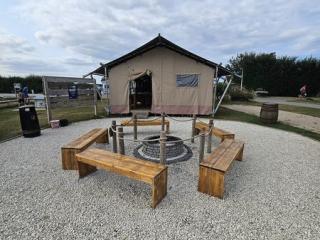
Waxham Sands Holiday Park
Waxham Sands Holiday Park is set in a most peaceful and tranquil coastal location. A perfect place for nature loves, at certain times you may see up to 100 seals basking on the beach. a...