
Coniston to Tarn Hows
Recommended by

Our view
"Explore the delightful wooded intricacies of Yewdale before reaching the tourist favourite of Tarn Hows."
Walk directions
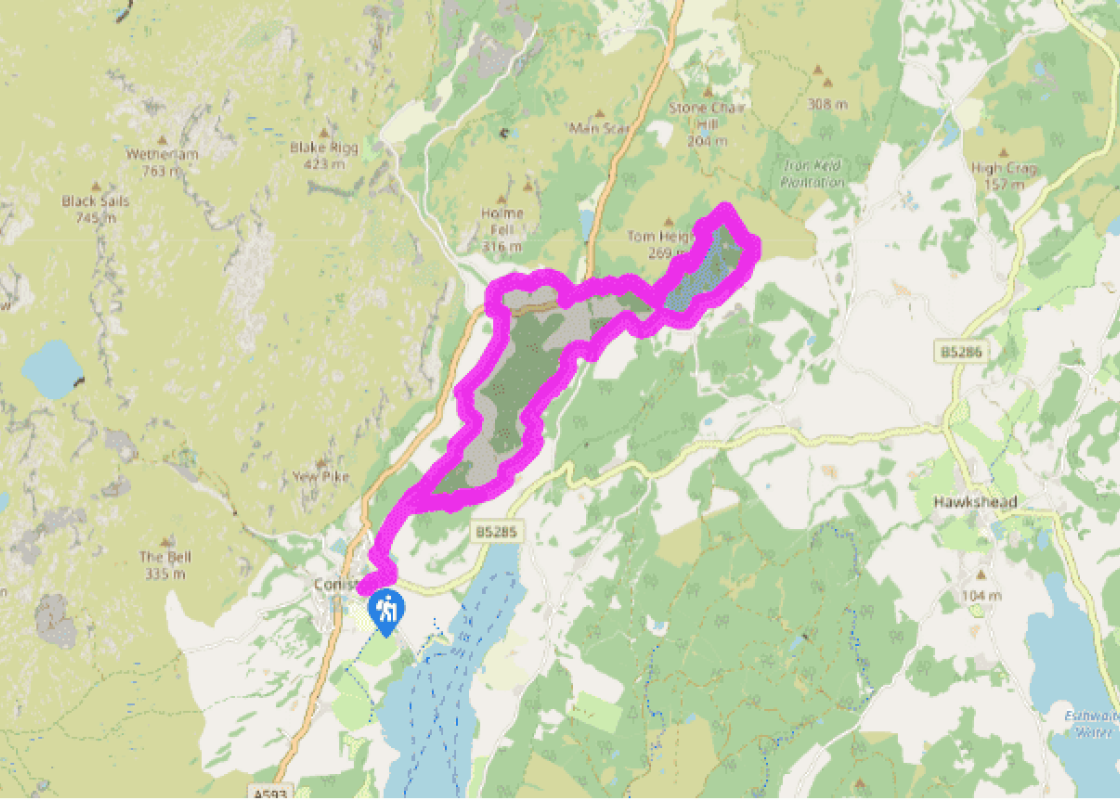
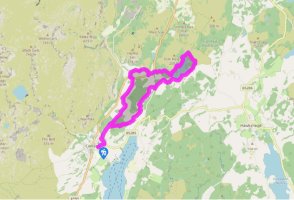
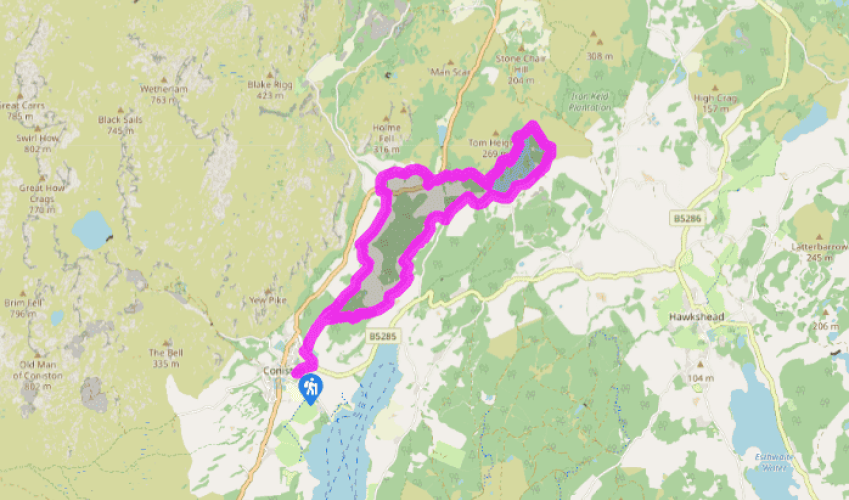
Exit the car park, cross Ruskin Avenue, and turn right on Tilberthwaite Avenue. In a few hundred paces, turn left on Shepherds Bridge Lane. Follow this beyond the Sports and Social Club to Shepherds Bridge, over Yewdale Beck. Cross and go immediately left. A short path leads to a kissing gate and enters a field. Bear diagonally right towards a rocky outcrop and oak trees, then continue to the right of a stone wall to a gate beside a renovated stone building (information panels inside).
Pass the building on the left. Ascend to pass through a gate. At a waymarked post fork right and rise diagonally right to a little gate through the stone wall, which encloses a plantation. Climb steeply to the top of the hill through the Scots pine. Pass through a gap in a wall and follow the obvious path descending through Guards Wood. Continue down a field track to a gate and stile onto a lane.
View all directions
Additional information
Terrain
- Road, grassy paths and tracks, several stiles
Landscape
- Woods, field, fell, tarn and lake
Dog friendliness
- Fields grazed by sheep, reasonably suitable for dogs
Parking
- Coniston car park by tourist information centre, or at Sports and Social Club on Shepherds Bridge Lane
Toilets en route
- At start, and at back of Tarn Hows car park
About the walk
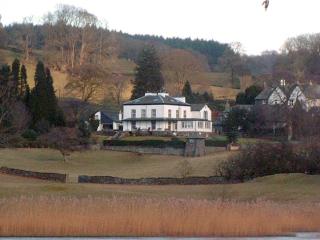
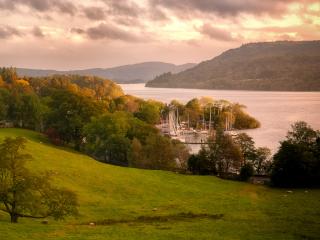
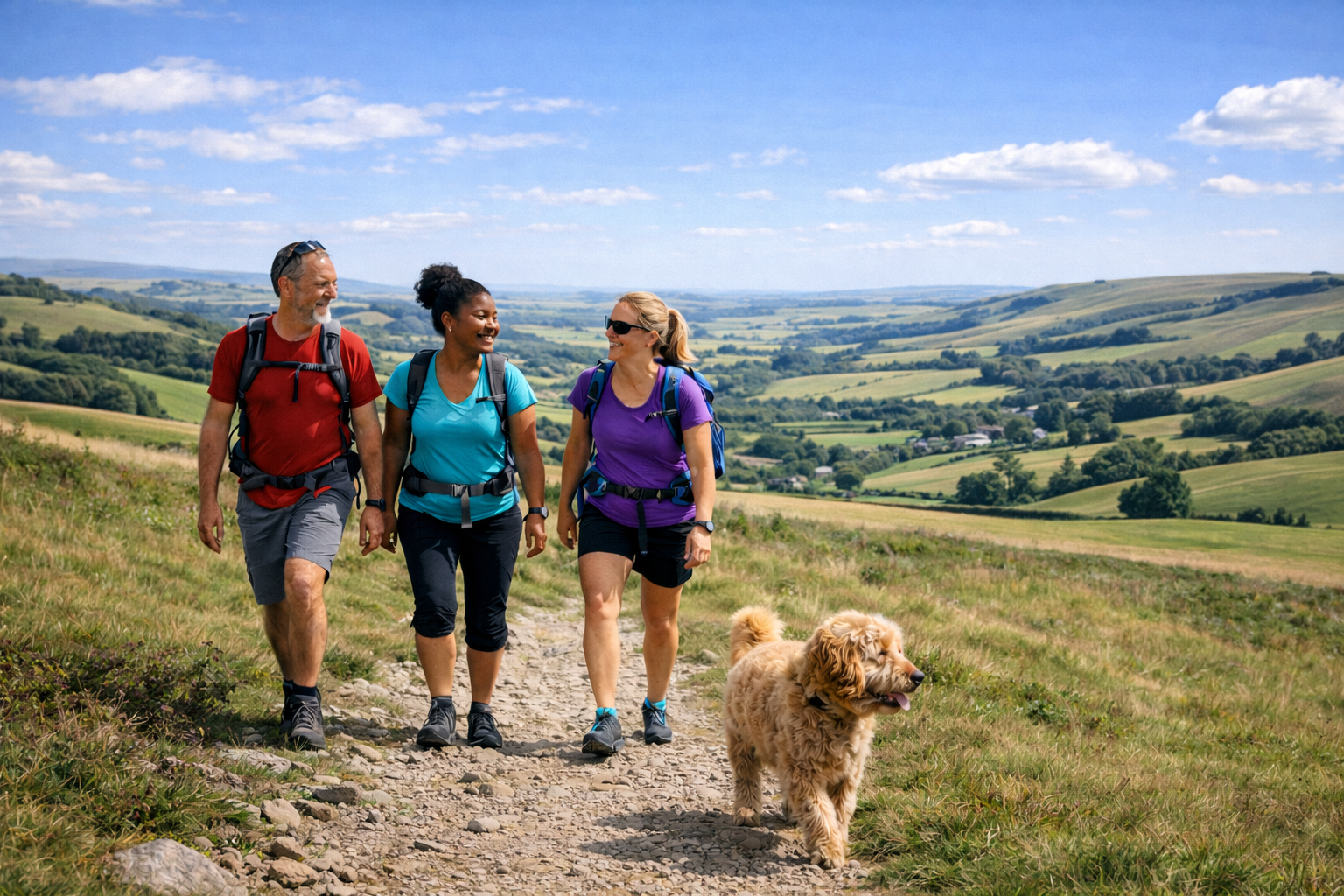
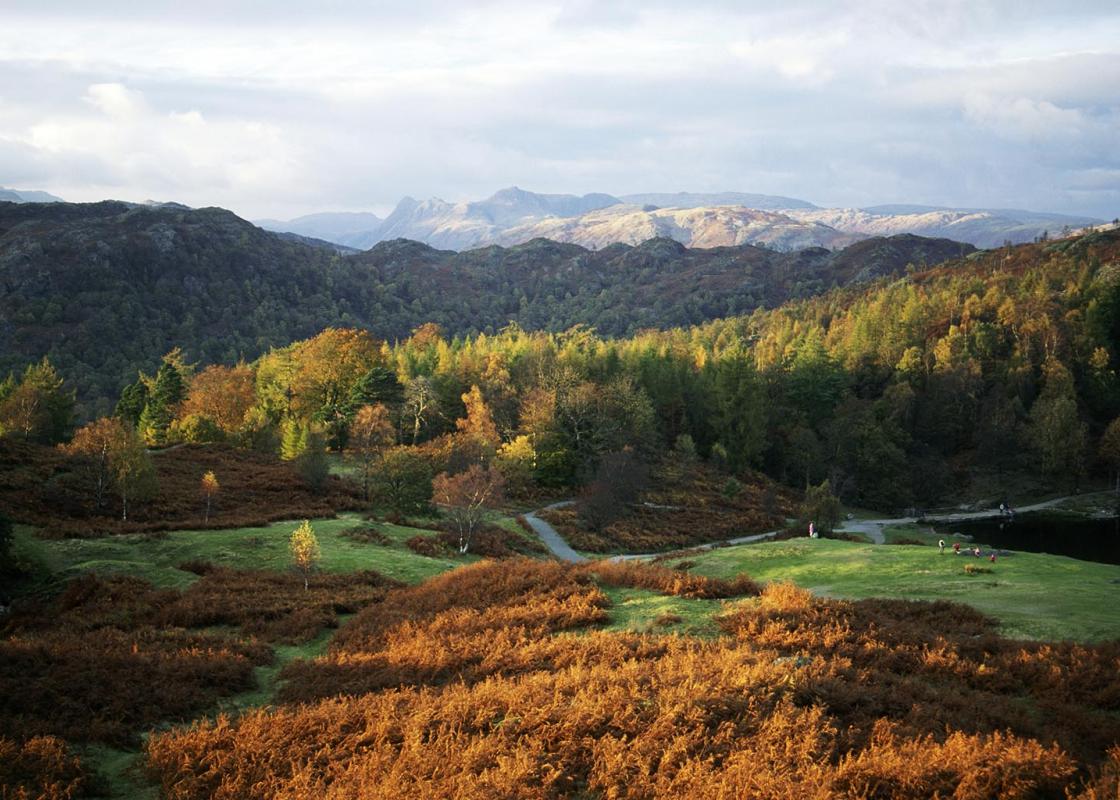
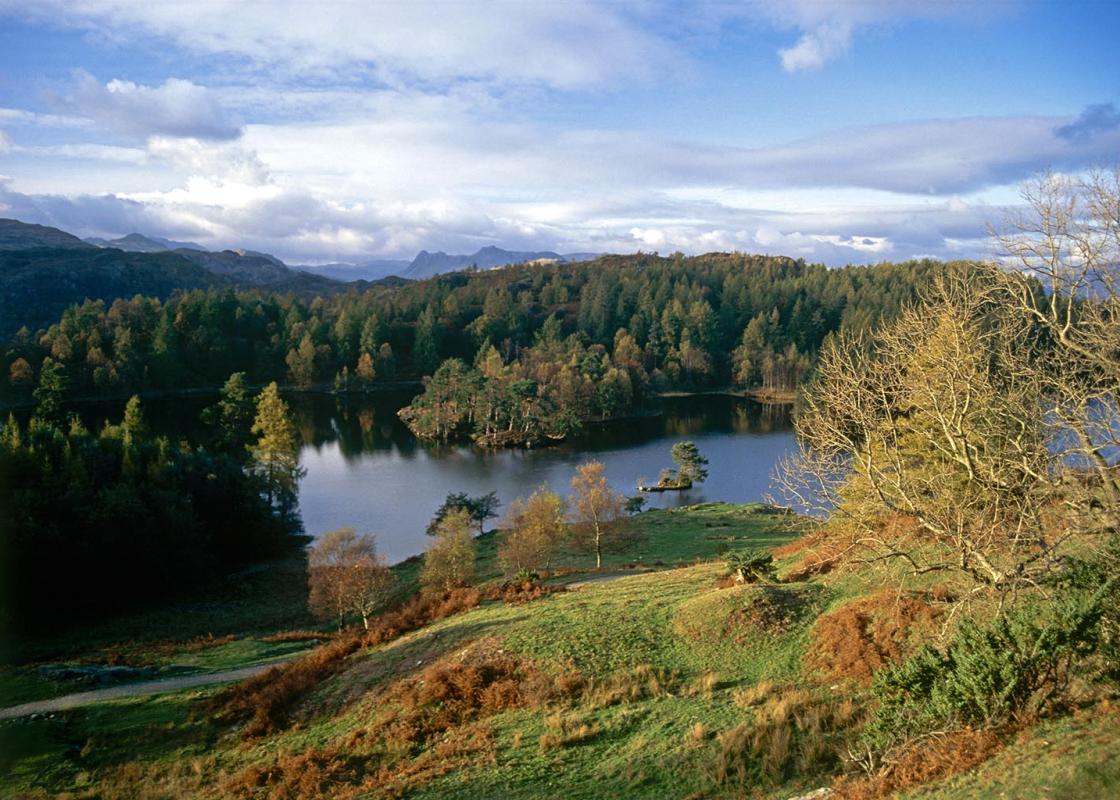
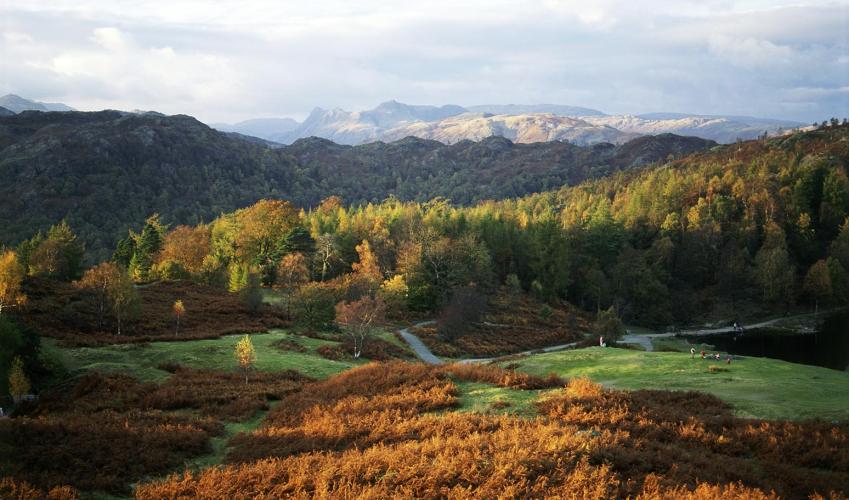
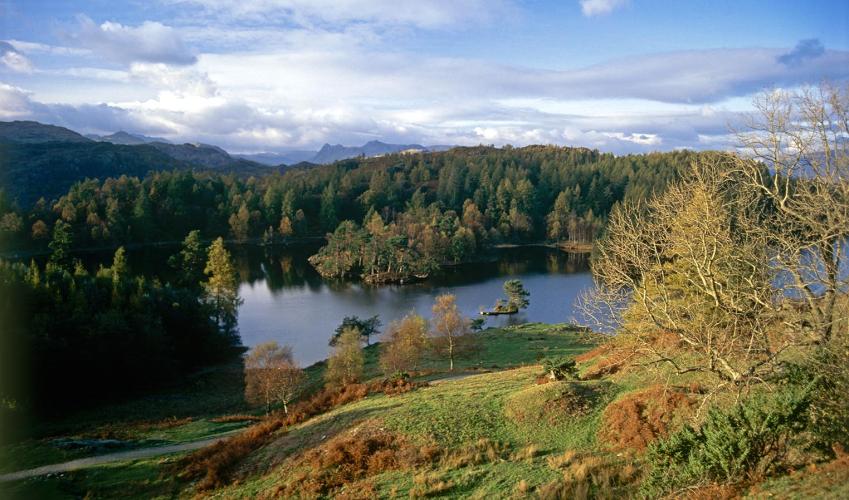
This long and interesting route contrasts the quiet mixed woods in and around the fringes of forgotten Yewdale with the popular Tarn Hows. Rising from Coniston, peaceful woods are interspersed with openness and tremendous views, particularly when looking back over Coniston Water or to the mountains...
Read more

Been on this walk?
Send us photos or a comment about this route. Or recommend a route of your own.

Walking in Safety
Read our tips to look after yourself and the environment when following this walk.
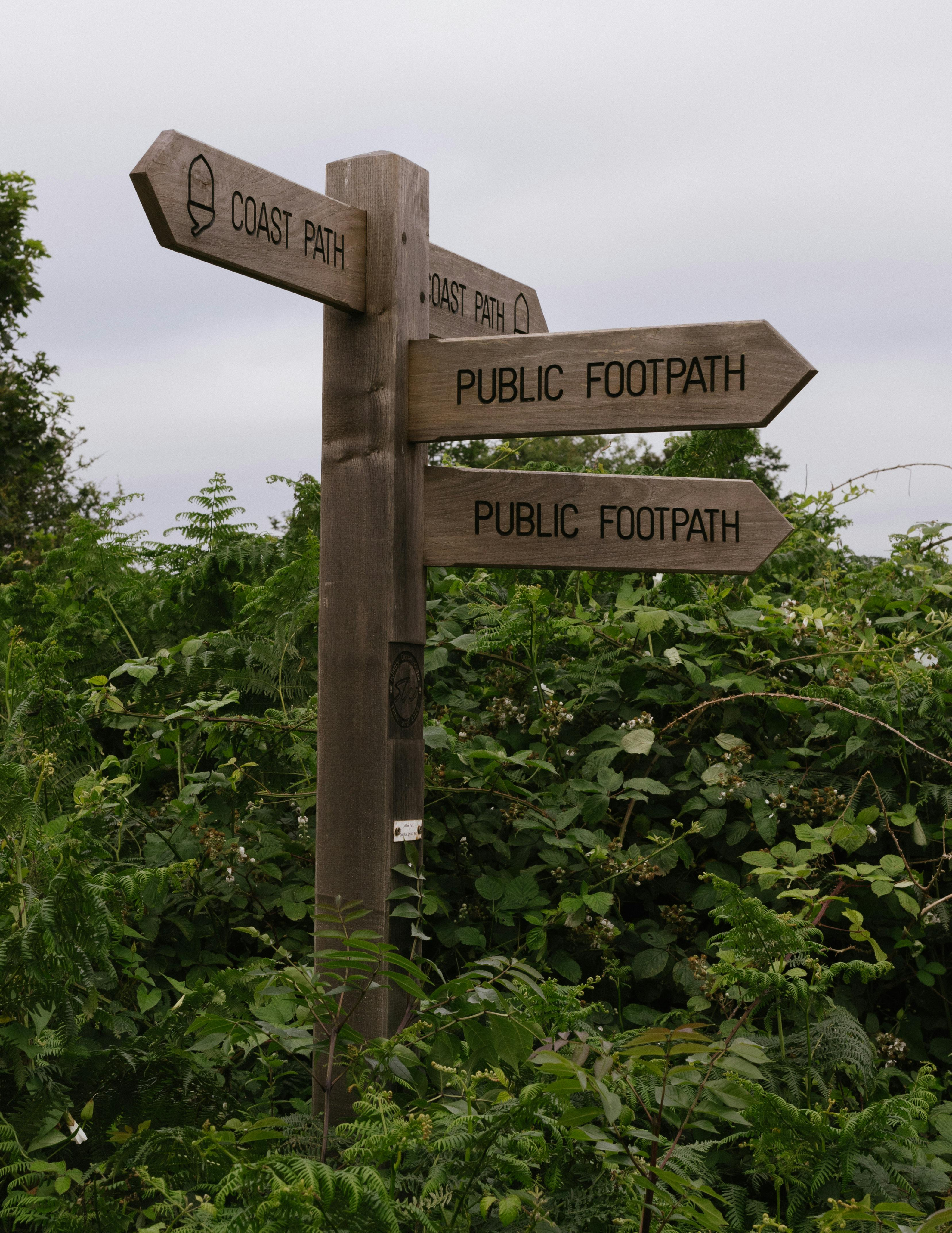
Get an AA guide
Explore our range of ‘50 Walks in’ guides - they’re the ideal companion for a ramble.
Been on this walk?
Send us photos or a comment about this route. Or recommend a route of your own.
Walking in Safety
Read our tips to look after yourself and the environment when following this walk.
Get an AA guide
Explore our range of ‘50 Walks in’ guides - they’re the ideal companion for a ramble.
About the area
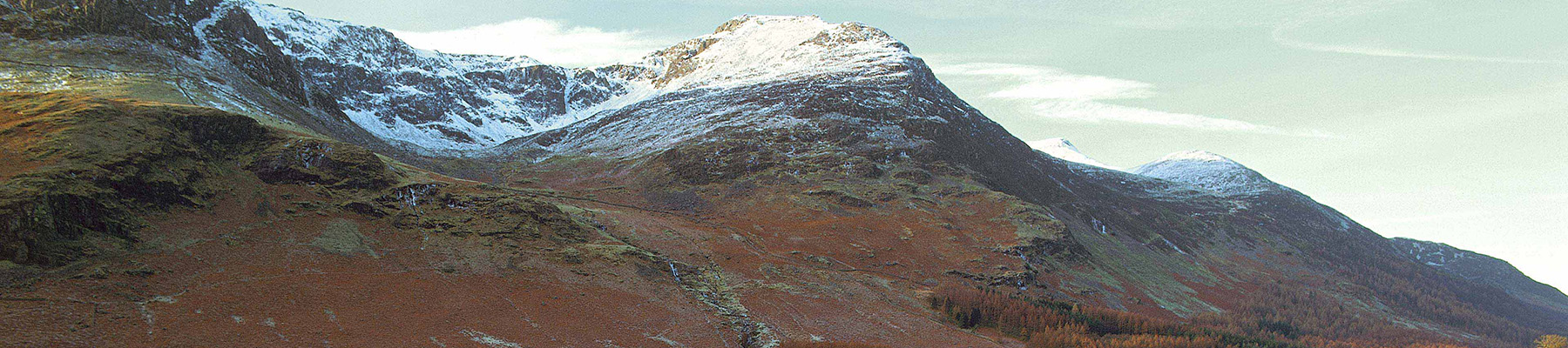
Cumbria's rugged yet beautiful landscape is best known for the Lake District National Park that sits within its boundaries. It’s famous for Lake Windermere, England’s largest lake, and Derwent Water, ‘Queen of the English Lakes', but other lesser-known areas in the south, such as the Lune Valley and the coastal towns, are secret gems of wide cobbled streets and rolling hills.
Nearby places to stay
View all (8)


Nearby places to stay
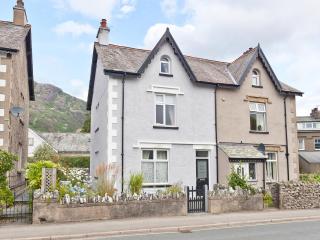
Vine Tree Cottage
Located in the heart of Coniston Village, Vine Tree Cottage is within easy walking distance of all the amenities Coniston Village has to offer and is a great base from which to explore ...
Vine Tree Cottage
Located in the heart of Coniston Village, Vine Tree Cottage is within easy walking distance of all the amenities Coniston Village has to offer and is a great base from which to explore ...
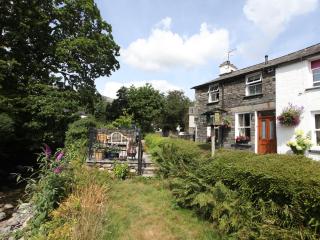
Kirkbeck Cottage
A delightful end of terrace cottage.Situated in the heart of Coniston down a quiet lane, just a stone’s throw from St Andrews Church, this charming beck side cottage enjoys the best of ...
Kirkbeck Cottage
A delightful end of terrace cottage.Situated in the heart of Coniston down a quiet lane, just a stone’s throw from St Andrews Church, this charming beck side cottage enjoys the best of ...
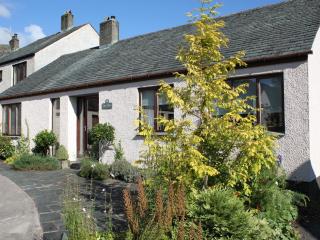
Fell Croft Cottage
An ideally positioned single storey cottage.Just 10 minutes’ walk from Coniston Water and 5 minutes from all village amenities. Fell Croft Cottage is a beautifully furnished 3 bedroomed...
Fell Croft Cottage
An ideally positioned single storey cottage.Just 10 minutes’ walk from Coniston Water and 5 minutes from all village amenities. Fell Croft Cottage is a beautifully furnished 3 bedroomed...
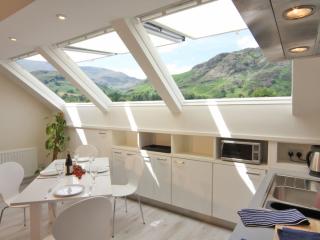
Buzzard's Reach
Located in the heart of Coniston Village, Buzzard's Reach is within easy walking distance of all the amenities Coniston Village has to offer and is a great base from which to explore th...
Buzzard's Reach
Located in the heart of Coniston Village, Buzzard's Reach is within easy walking distance of all the amenities Coniston Village has to offer and is a great base from which to explore th...
Places to eat nearby View all