Droitwich Spa and around

Recommended by
Walk directions

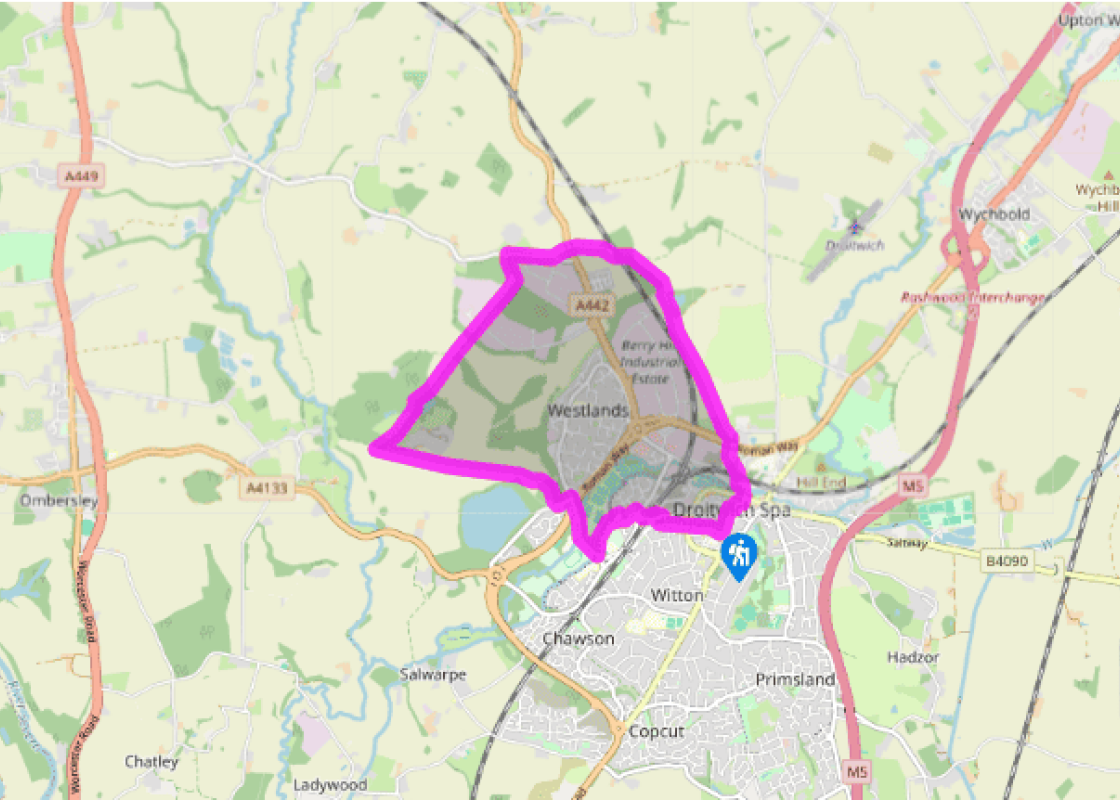
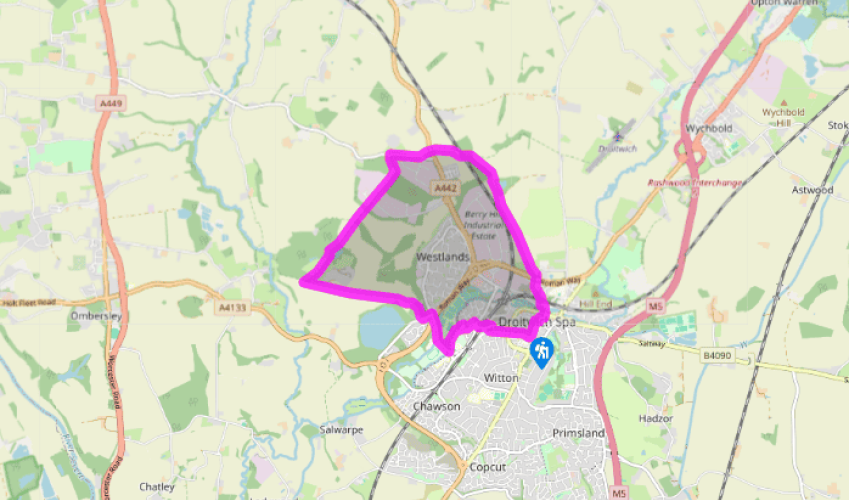
Begin outside the library walk west, along Victoria Square and then into Ombersley Street East. When it bends go straight on, passing a medical centre. After an underpass proceed to St Nicholas’ Church. Go beyond the churchyard then right, to take another underpass. Turn left. Take the road over the railway to a roundabout, filtering right to go through a third underpass. Walk for 50yds (46m) to a fence corner, near a lamppost. Turn left, marked ‘Cycleway 45’. In 30yds (27m) turn right. At the bottom of this cul-de-sac, Westmead Close, turn left. Soon take Ledwych Close, on the right. At the canal you are effectively out of Droitwich Spa.

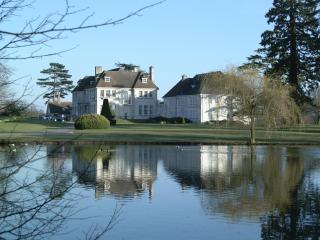
Turn left. At the bridge turn right, passing sports facilities and schools. Turn left just beyond the A38 bridge, into Westwood Way. In 110yds (100m) reach the Westwood House slip road. Facing some allotments, take a gate to the left and walk parallel to the allotments. Beyond this woodland, through a kissing gate, reach a driveway. Cross a truly enormous arable field. Over a track and another driveway, finally reach a corner of Nunnery Wood.

View all directions
Location
Additional information
  Terrain  - Pavements, field paths, stony tracks
  Landscape  - Agricultural lowlands, coppices, historical town
  Dog friendliness  - Some country stretches but too urban to be much fun
  Parking  - Long-stay pay-and-display. Alternatively, the Lido long-stay pay-and-display on Worcester Road
  Toilets en route  - St Andrews Square shopping centre
About the walk
Given that seawater is salty, it is not surprising to find salt pans by the Atlantic or on the Mediterranean coast. But how has salt been produced in Droitwich since prehistoric times? The answer is simply that the ground is rich in rock salt. The brine from the town’s salt springs is far denser...
Read more
Been on this walk placeholder

Been on this walk?

Send us photos or a comment about this route. Or recommend a route of your own.

Walking in Safety placeholder

Walking in Safety

Read our tips to look after yourself and the environment when following this walk.

Get an AA guide placeholder

Get an AA guide

Explore our range of ‘50 Walks in’ guides - they’re the ideal companion for a ramble.

About the area
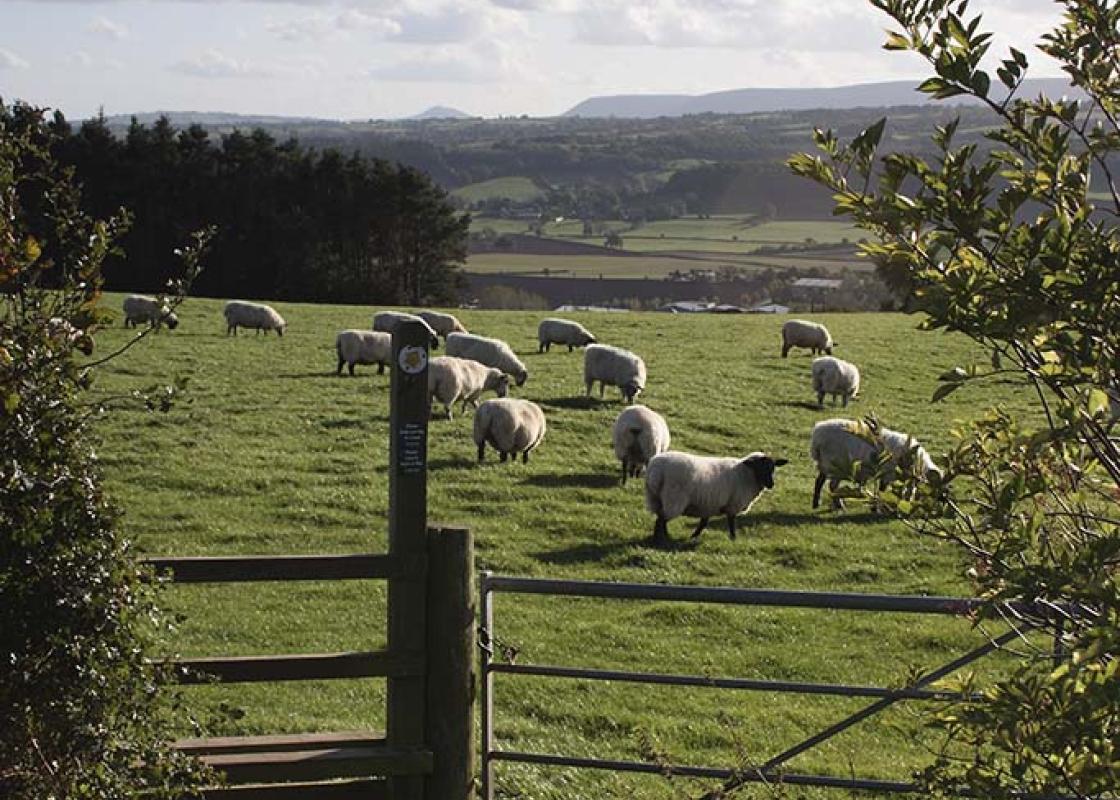
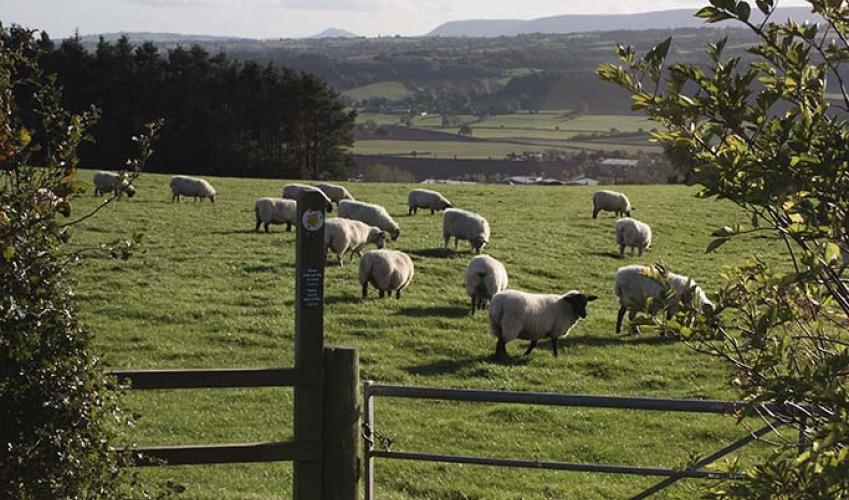
Worcestershire is a county of rolling hills, save for the flat Vale of Evesham in the east and the prominent spine of the Malverns in the west. Nearly all of the land is worked in some way; arable farming predominates – oilseed rape, cereals and potatoes – but there are concentrated areas of specific land uses, such as market gardening and plum growing.
Area image

Droitwich Spa and around

Recommended by
Location
Nearest postcode:
Additional information
  Terrain - Pavements, field paths, stony tracks
  Landscape - Agricultural lowlands, coppices, historical town
  Dog friendliness - Some country stretches but too urban to be much fun
  Parking - Long-stay pay-and-display. Alternatively, the Lido long-stay pay-and-display on Worcester Road
  Toilets en route - St Andrews Square shopping centre
About the walk
Given that seawater is salty, it is not surprising to find salt pans by the Atlantic or on the Mediterranean coast. But how has salt been produced in Droitwich since prehistoric times? The answer is simply that the ground is rich in rock salt. The brine from the town’s salt springs is far denser...
Read more
Been on this walk placeholder

Been on this walk?

Send us photos or a comment about this route. Or recommend a route of your own.

Walking in Safety placeholder

Walking in Safety

Read our tips to look after yourself and the environment when following this walk.
Get an AA guide placeholder

Get an AA guide

Explore our range of ‘50 Walks in’ guides - they’re the ideal companion for a ramble.
About the area
Area image
Worcestershire
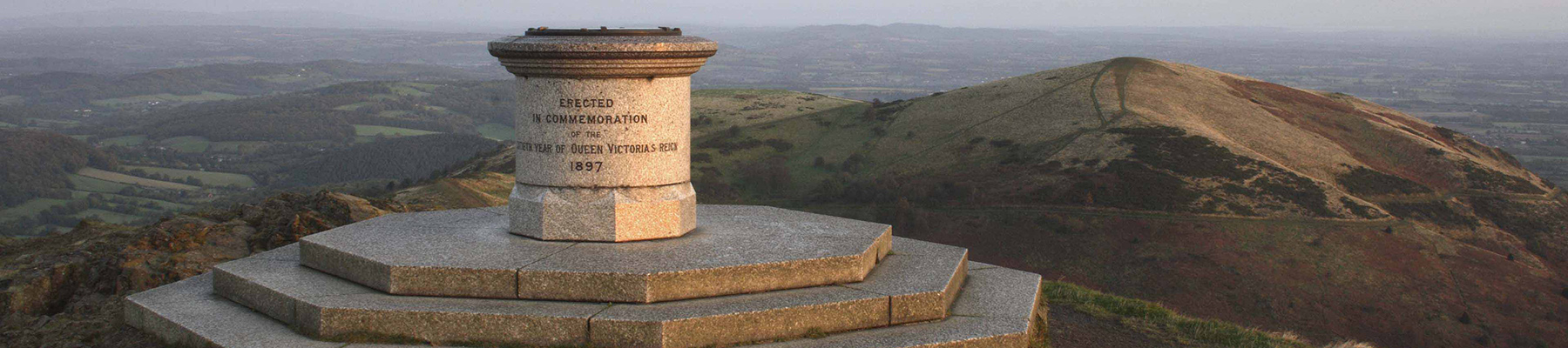
Worcestershire is a county of rolling hills, save for the flat Vale of Evesham in the east and the prominent spine of the Malverns in the west. Nearly all of the land is worked in some way; arable farming predominates – oilseed rape, cereals and potatoes – but there are concentrated areas of specific land uses, such as market gardening and plum growing.