Horsehouse and Coverdale
Walk directions
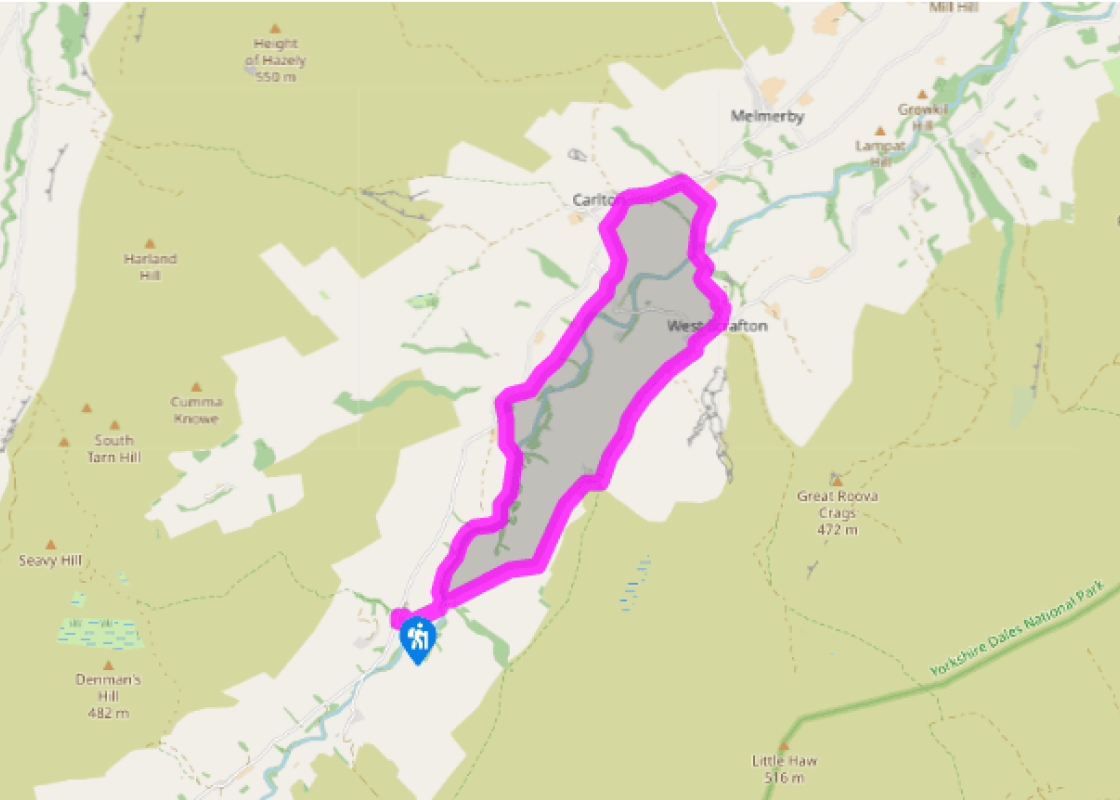
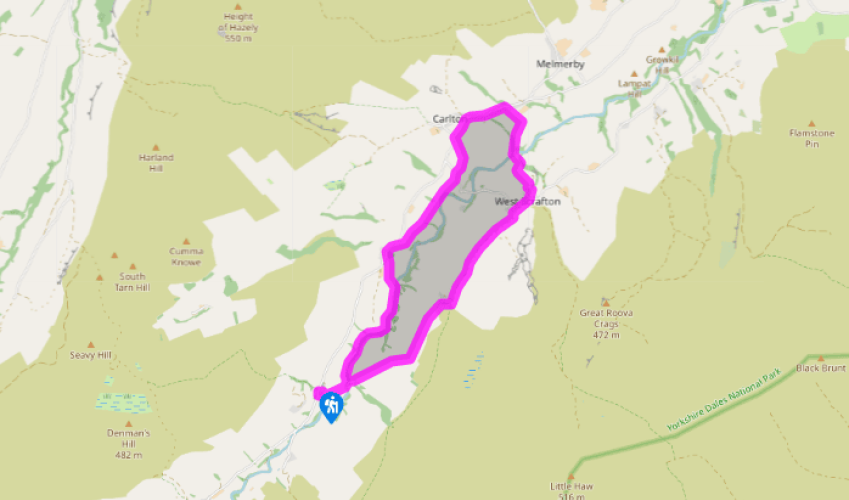
Walk past the Thwaite Arms, then curve behind it on a track between houses. Turn right down a signed track through a garden. Go through two gates, bend left to a third gate, then bear half right to a gate. Continue to a footbridge.
Cross the bridge and bear left, uphill. Go over a stile signed 'Swineside', cross a small field to another stile, then bear half right to go through a small plantation. Keep on in the same direction across open land, crossing a small stream, to a stile, then on to another stile and footpath sign. Bear left across a field to a gap in the left-hand boundary, then contour along a path, which becomes clearer, and cross a stile just above the first building of Swineside Farm.
Follow the track past the farmhouse then right, uphill. At the top, cross a cattle grid and follow the metalled lane for 1.5 miles (2.4km) into West Scrafton. In the village take a track to the left marked as a dead end. Turn left, signed 'Carlton', and follow the walled path round to the right. At its end turn left (footpath sign) down a field. Go through a kissing gate and down to a fingerpost. Turn right down a clear track signed to Caygill Bridge. Follow the field edge to two footbridges.
After the bridges, go through a gate and ascend a steep path into a field. Turn left at a signpost then turn right alongside a wall and on to a gate. Follow a clear path between walls to the road in Carlton. Turn left, passing the Foresters Arms. Where it widens, bear left, then turn left at a footpath sign and cross a stile. Continue straight ahead over stiles to a road.
Turn left and go immediately through a gate. Descend to a stile, bear right to another stile and follow a wall to a stile onto a road. Turn left. At a left bend, go right, over a stile signed 'Gammersgill'. Go over two more stiles and cross a footbridge. Continue ahead to a waymarked gate. Cross the fields, going over a stile and a wooden footbridge, and enter a walled lane. At a sharp right bend, go ahead through a stile, then bear right to a stile onto the road.
Turn left into Gammersgill, cross the bridge, then turn left though a gate signed 'Swineside'. Bear right to another gate, then cross to a stile beside a gate. Bear half left to the field corner and go over a stile. Now follow the river until you reach the footbridge crossed near the start of the walk. Retrace your steps back to Horsehouse.
Additional information
Terrain
- Field, moorland and riverside paths and tracks, 31 stiles
Landscape
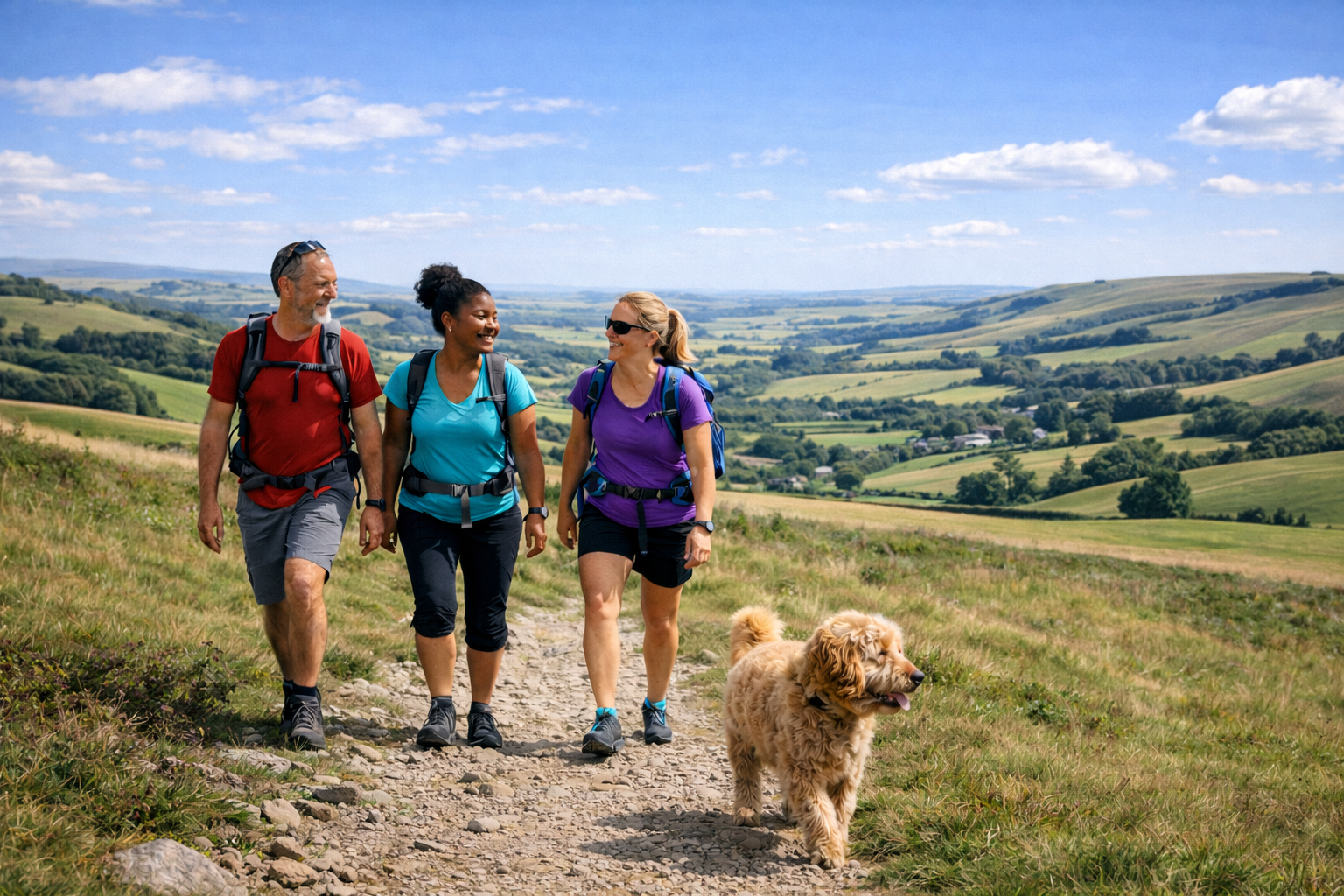
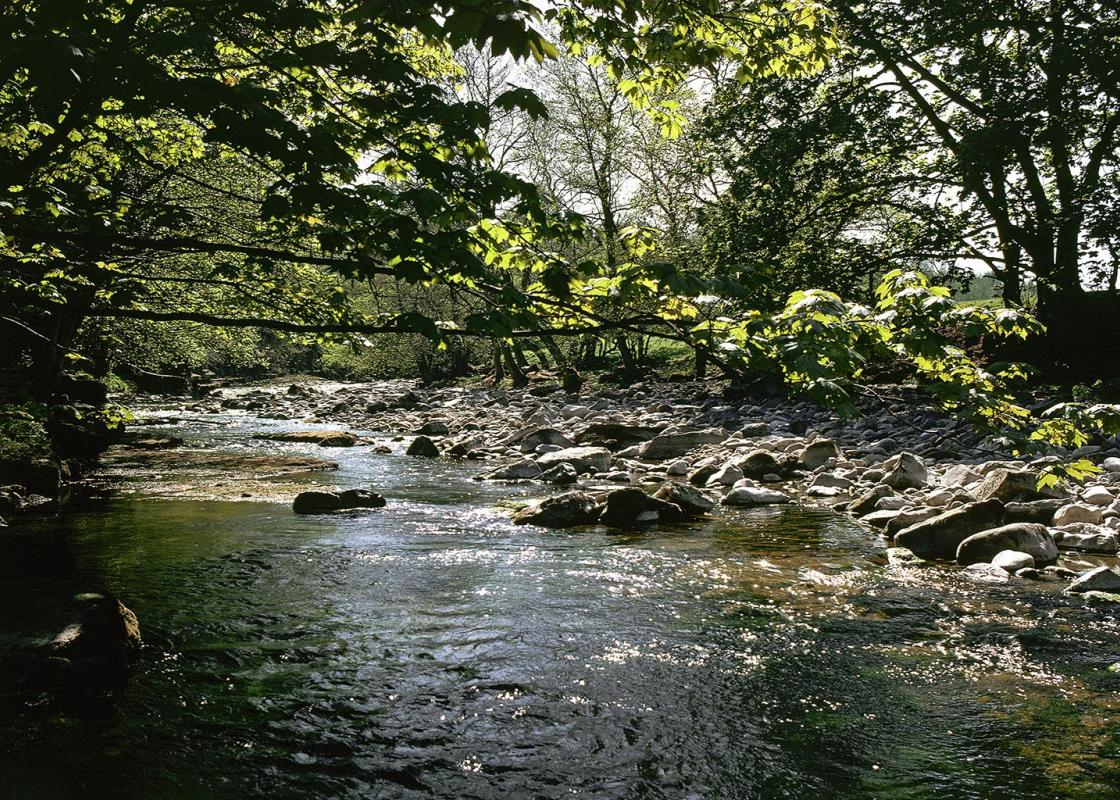
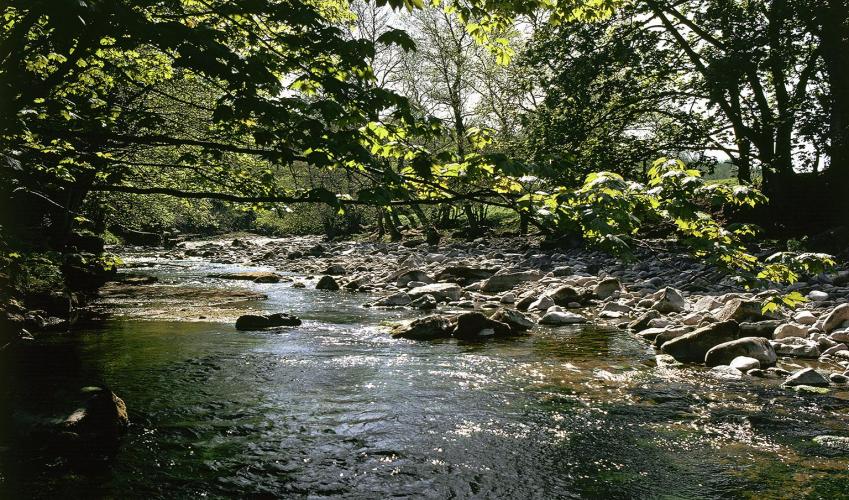
- Farmed valley and moorland, with River Cover
Dog friendliness
- Sheep in fields, so keep dogs on leads
Parking
- Roadside parking below former school in Horsehouse
Toilets en route
- None on route
About the walk
It seems hard to believe that the quiet village of Horsehouse was once a place bustling with traffic, as stagecoaches and packhorse trains passed through it on one of the main coaching routes from London to the North. The two inns that existed in the village served the travellers on their way to... and from Richmond, one of the region's principal coaching centres. Beyond Horsehouse, to the southwest, Coverdale grows steeper and wilder before the vertiginous descent down Park Rash into Kettlewell in Wharfedale – a journey that must have deeply scared many 17th- and 18th-century travellers. Trains of up to 40 packhorses also used the route, bringing goods to the valley and taking lead and other minerals from the mines on the moors above. Bells jingling on the harness of the leading horse signalled their presence. Headless Pedlars and a Future King Pedlars, too, followed the routes, and some met a gruesome end; three headless corpses were found by a side road into Nidderdale. The local constable initiated enquiries and the evidence suggested that they were Scottish pedlars, killed for their money and goods. Their heads were not found – nor were their murderers, though the local finger of suspicion pointed strongly at a Horsehouse innkeeper and her daughter. West Scrafton, a tiny village set beside Great Gill as it tumbles towards the River Cover below, is dominated by the heights of Great Roova Crags (1,549ft/472m). Before the dissolution of the monasteries in the 1530s, the village was owned by the monks of Jervaulx Abbey. Much of the land was subsequently in the hands of the Earl of Lennox – and West Scrafton Manor House is said to have been the birthplace of his son Lord Darnley, murdered second husband of Mary, Queen of Scots and father of King James I and VI. Carlton-in-Coverdale (or Carlton), the next village on the walk, is the largest of all the dale's settlements, with some good houses lining the main street and the motte of a small castle visible south of the main street. Flatts Farm at the west end of the village has an inscription to Henry Constantine 'The Coverdale Poet'.Miles Coverdale, the first man to translate the whole Bible into English, was born in the valley – no one knows exactly where – in 1488. After some time as a friar in Cambridge, his reforming zeal meant he was forced to live abroad. The first edition of his bible was published in Paris in 1535, and a revised version, known as the Great Bible, in 1538. From 1551 he was Bishop of Exeter, but he was imprisoned under Mary Tudor. In Elizabeth's reign he lived and preached in London until his death in 1568.
Read more
Been on this walk?
Send us photos or a comment about this route. Or recommend a route of your own.
Walking in Safety
Read our tips to look after yourself and the environment when following this walk.
Get an AA guide
Explore our range of ‘50 Walks in’ guides - they’re the ideal companion for a ramble.
Been on this walk?
Send us photos or a comment about this route. Or recommend a route of your own.
Walking in Safety
Read our tips to look after yourself and the environment when following this walk.
Get an AA guide
Explore our range of ‘50 Walks in’ guides - they’re the ideal companion for a ramble.
About the area
North Yorkshire, with its two National Parks and two designated Areas of Outstanding Natural Beauty, is England’s largest county and one of the most rural. This is prime walking country, from the heather-clad heights of the North York Moors to the limestone country that is so typical of the Yorkshire Dales – a place of contrasts and discoveries, of history and legend.
Nearby places to stay
View all (8)
Self-Catering
Flag Cottage
★★★★
"Charming cosy Dales Cottage..."
- Total units: 1
- Private garden
- Washing machine
- Sky or freeview
Self-Catering
Flag Cottage
★★★★
"Charming cosy Dales Cottage..."
- Private garden
- Washing machine
- Sky or freeview
- Linens provided
Nearby places to stay
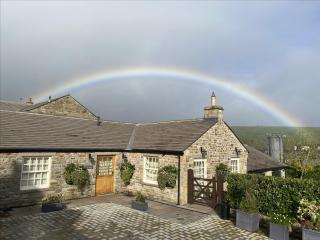
Flag Cottage
A home-away-from-home, newly refurbished Flag Cottage is an exceptionally well-appointed self-catering holiday home in the picturesque village of West Burton. It is a charming, spacious...
★★★★ Rating
Flag Cottage
A home-away-from-home, newly refurbished Flag Cottage is an exceptionally well-appointed self-catering holiday home in the picturesque village of West Burton. It is a charming, spacious...
★★★★ Rating
The Dairy, Newbiggin
Awaiting description...
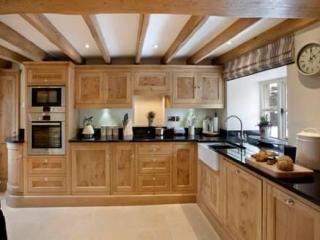
★★★★★ Rating
Cottage in the Dales
Aptly named, Cottage in the Dales, comprises three Grade II listed cottages in the heart of the Yorkshire Dales National Park. The owners here pride themselves on delivering a luxury ex...
★★★★★ Rating
The Byre, Newbiggin
Awaiting description...
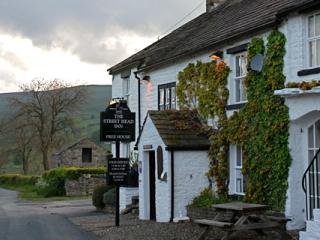
★★★★★ Rating
Street Head Inn
The Street Head Inn is a Grade II listed free house in the heart of the stunning Yorkshire Dales National Park, with easy access to the market towns of Leyburn and Hawes. Dating from th...
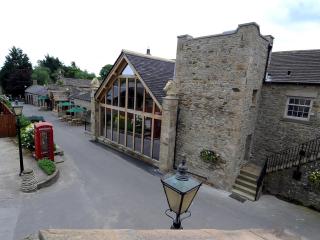
★★★★ Rating
The Saddle Room
The Saddle Room is located in the idyllic Tupgill Park Estate at the heart of the Yorkshire Dales. Accommodation comes with many thoughtful extras, maintained by a proactive, friendly t...
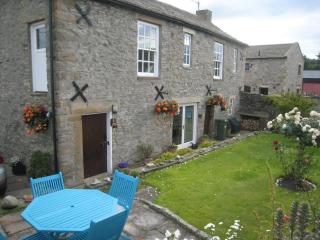
★★★★★ Rating
Coachman's Loft
Coachman’s loft is a delightfully spacious, tastefully renovated first floor conversion of a stone barn into a Cottage which sleeps 2, off the main street in West Witton. Accommodation ...
★★★★ Rating