Melbury Loop
Walk directions
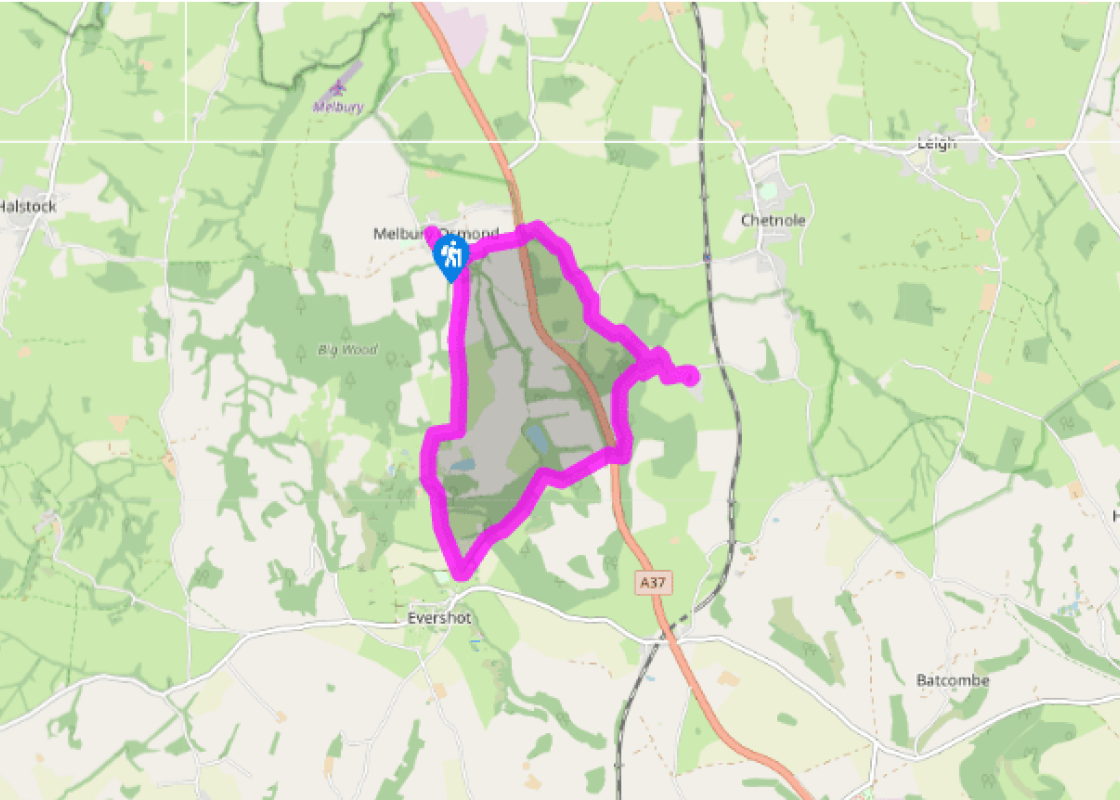
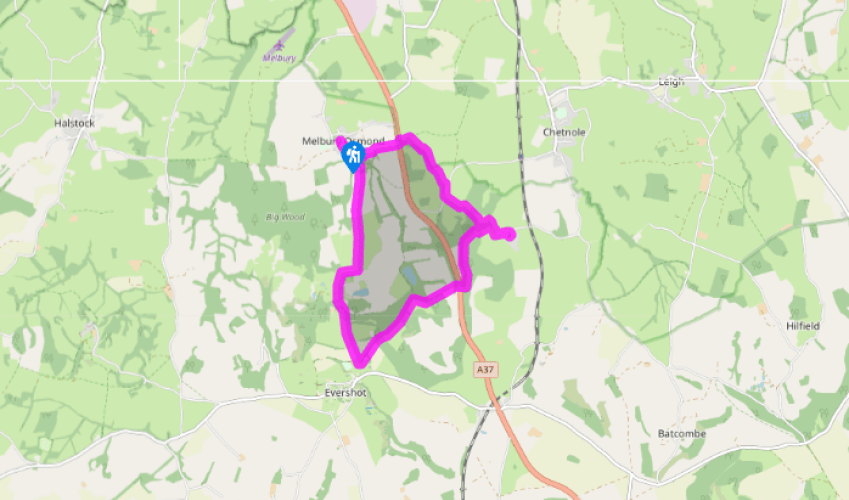
Walk down the street, cross the ford, and follow the road up past Townsend Dairy House. Across a cattle grid, take the straight estate road for almost a mile (1.6km) to Melbury House.
Before the house, at a cattle grid, turn right along the road around the outbuildings. It bends left over a cattle grid, then runs for another 0.75 miles (1.2km) through the park, up and over a hill. Cross a stile by a lion gateway.
With Evershot in sight ahead, hook back to the left on a tarmac track, which becomes gravel. Follow this up the hill. Where it divides, take the track straight ahead downhill, past a plantation on your right. At the foot of the slope, turn right. The track curves left and starts to rise. Where the wood on your right runs out, bear slightly left up the field, to a small gate into woodland. Follow the path ahead through the wood to the A37.
Carefully cross to the bridleway gate ahead. Follow a path up through the wood, then turn left along an earth track. Soon an open field can be seen below. Go straight across one gravel track for just 70yds (65m), to turn right on a second gravel track (Murderers Lane) beyond. It winds up to the wood edge and a great view northwards.
Keep straight ahead down the field, to the right of the trig point, and turn right along the hedge behind. Through a ramshackle gate, turn down left to Melbury Bubb. Use two gates to go through a farmyard. Follow the lane right to explore the church.
Retrace your route up to the trig point. Bend left around it and contour above two steep little combes, then drop right. Cross a stile in the corner just left of power lines. Walk along rotting duckboards through boggy woodland, cross a stile into a field and bear left, joining a gravel farm track. Access to St Edwold’s is over a brick-built bridge to your left. Pass Church Farm to your left, and bear right up its access track to a road.
Turn right on the road, then immediately left, through a gate into a field. Turn right and walk along the hedge. Cross two stiles and bear left down the next field. About halfway down, bear left over two stiles in a hedge. Turn right along the field edge, then left up the field end to a footbridge
in the hedge, almost swallowed up by vegetation. The right of way continues the same line but is often planted over; in which case, turn right along two sides of the field to take a mud track up left to the A37.
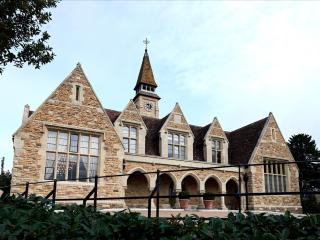
Turn left along the verge, then cross to a stile just before a car showroom. Keep ahead along the hedge. At the field end go through a gateway and turn left over a footbridge and a stile. Bear half right up the field, and aim towards a triple-gabled stone house, crossing a drive and going through a hedge gap. Take the gate to the left of the house, and walk on to the road by the watersplash. Turn right to return to the church.
Additional information
Terrain
- Village lanes, estate tracks, farmland paths
Landscape
- Hills, valleys and parkland
Dog friendliness
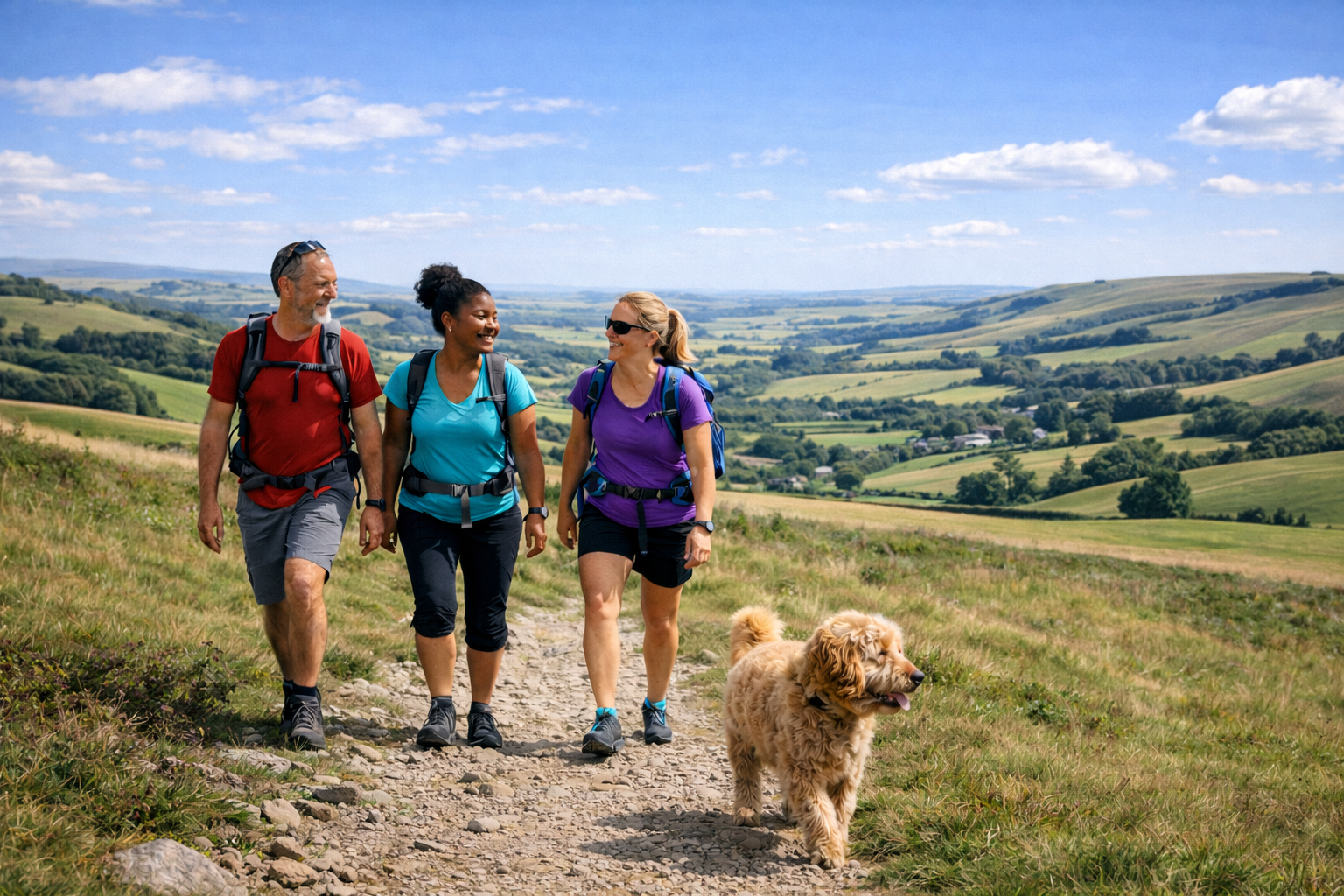
- Keep dogs on leads in the park of Melbury House; some lifting over stiles may be necessary and there may be temporary electric fences
Parking
- By church, Melbury Osmond, signed off A37
Toilets en route
- None on route
About the walk
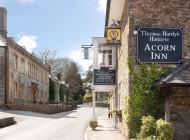
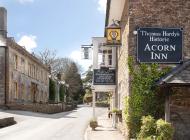
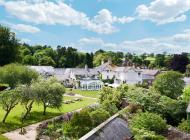
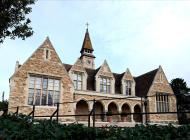
Melbury comes from two Old English words: ‘maele’, meaning multicoloured, and ‘burh’, meaning a fortified settlement. The three settlements may well be pre-Norman: Melbury Osmond is listed in the Domesday Book (1086). This first Melbury is a typical Dorset village. In Thomas Hardy’s The Woodlanders... (1887) Melbury Osmond, his mother’s home village, is called ‘Little Hintock’, and is described as ‘snipped out of the woodland’; ‘such a small place that, as a town gentleman, you’d need to have a candle and lantern to find it if ye don’t know where ’tis’. Melbury House (private) is part of the Ilchester Estate. It was built around 1550, in Ham Stone from Ham Hill just across the Somerset border – the golden stone that gives so much character to Dorset and Somerset villages and manors. The glazed tower, with windows all round the upper level, pokes above a roof punctuated by tall chimney stacks and pointed gables. It stands in a park where fallow deer roam, contained by the fences and cattle grids passed through on this walk. Bubb is perhaps the prettiest Melbury of them all. The hamlet has a small but handsome Jacobean manor house, partly hidden behind its stone garden wall. On the other side of the track stands a wooden granary on staddle stones. The church has a barrel roof, and some fine stained glass dating back to 1474, which is when the tower was rebuilt, though other parts are more recent. The church is heated by a wood-burning stove and lit by oil lamps. The font to the left of the door is strongly carved with deer, hounds, dragons and other beasts intertwined with foliage. Oddly, it’s upside down and tapers the wrong way – it is probably a recycled part of an 11th-century Saxon cross. The valley of the River Wriggle is believed to be the line of the pre-Roman Ridgeway track, so a Saxon settlement here is not unlikely. After leaving Melbury Bubb you pass St Edwold’s Church, one of England’s smallest churches. The 30ft by 12ft (9m by 11m) building dates from 1636, though the odd little bell turret is Georgian. St Edwold, a hermit, lived at Cerne in the 9th century.
Read more
Been on this walk?
Send us photos or a comment about this route. Or recommend a route of your own.

Walking in Safety
Read our tips to look after yourself and the environment when following this walk.
Get an AA guide
Explore our range of ‘50 Walks in’ guides - they’re the ideal companion for a ramble.
Been on this walk?
Send us photos or a comment about this route. Or recommend a route of your own.
Walking in Safety
Read our tips to look after yourself and the environment when following this walk.
Get an AA guide
Explore our range of ‘50 Walks in’ guides - they’re the ideal companion for a ramble.
About the area
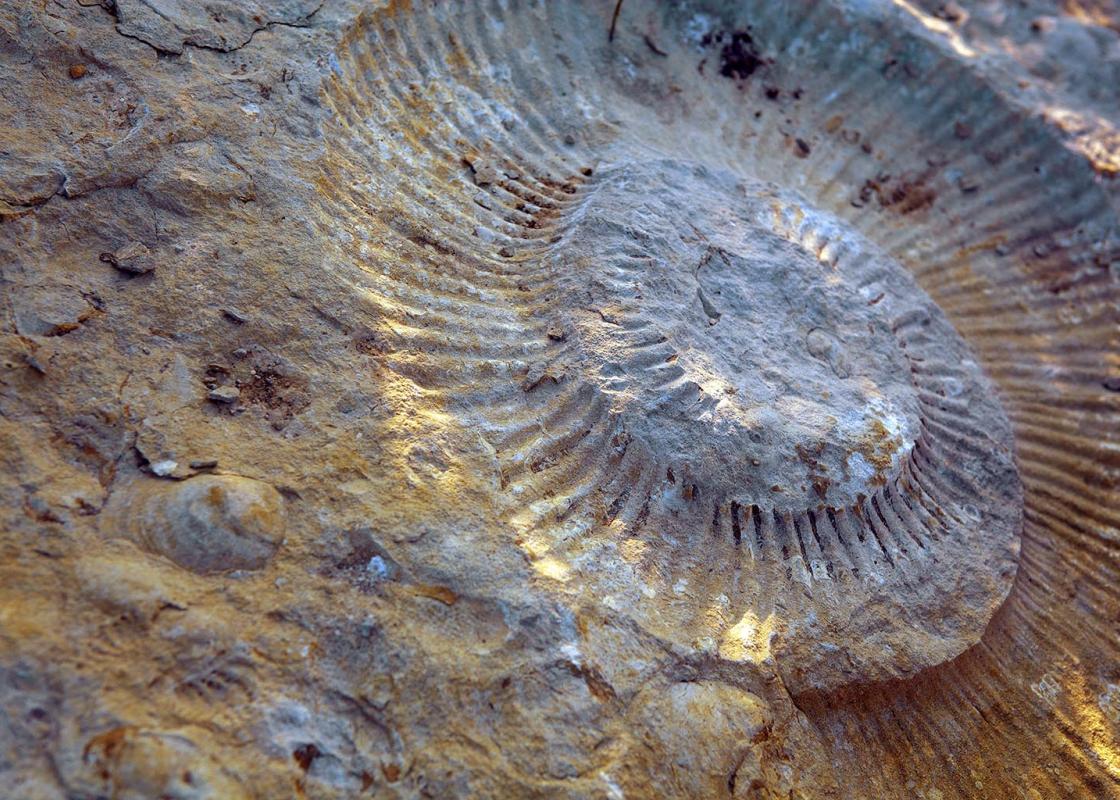
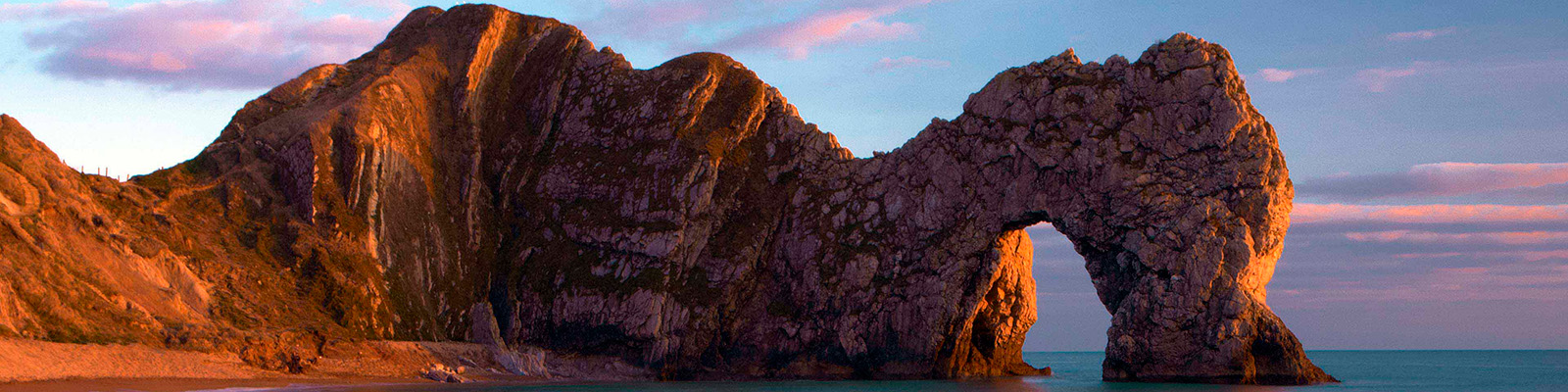
Dorset is made up of rugged coastlines, high chalk downlands and a chain of picturesque villages and seaside towns that make up Britain’s Jurassic Coast, a UNESCO World Heritage Site and Area of Outstanding Natural Beauty, noted for its layers of shale and numerous fossils embedded in the rock. Hidden gems of Dorset can be found down winding, country lanes that lead to snug villages hidden from view.
Nearby places to stay
View all (8)
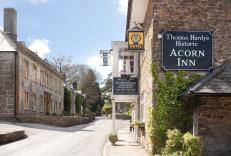
Inn
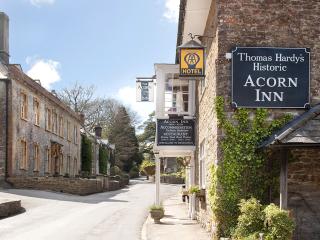
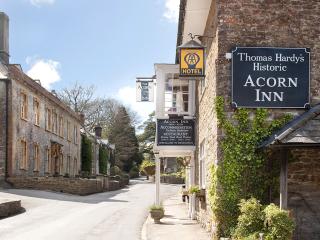
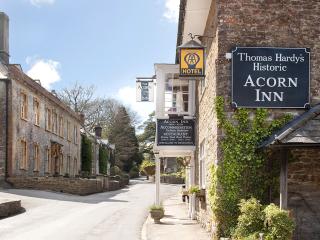
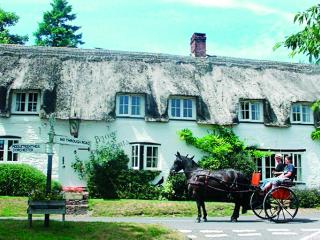
The Acorn Inn
★★★★
"Lots of original character, stylish rooms and a friendly, polished team...."
- Rooms 10
- Satellite TV
- Free TV
- Direct Dial
Hotel
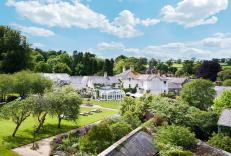
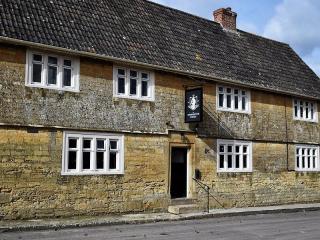
Summer Lodge Country House Hotel, Restaurant & Spa
★★★★★
"Worth seeking out for top notch afternoon tea in an enviable location...."
- Family rooms: 6
- Free TV
- WiFi available
Self-Catering
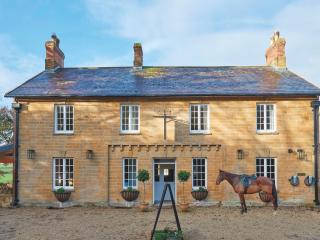
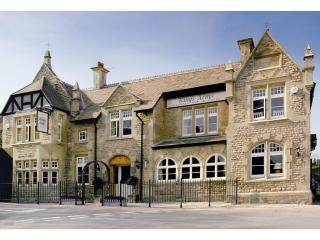
White Horse Farm
★★★★
"Barn cottages and log cabin in a rural Dorset hamlet, with a paddock and a duck pond...."
- Total units: 5
Nearby places to stay
The Acorn Inn
The Acorn Inn, run by the enthusiastic and experienced management team of Natalie and Richard, is a traditional village pub full of life, laughter and good company, with an award-winnin...
★★★★ Rating
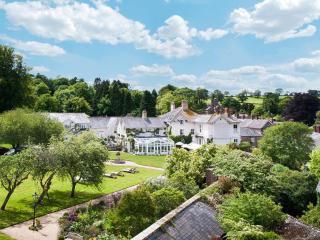
Summer Lodge Country House Hotel, Restaurant & Spa
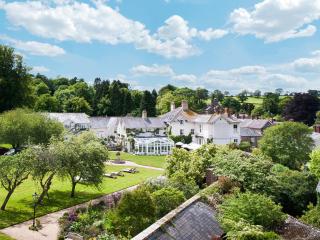
This picturesque hotel is situated in the heart of Dorset and is the ideal retreat; it's worth arriving in time for the excellent afternoon tea. Bedrooms are appointed to a very high st...
★★★★★ Rating
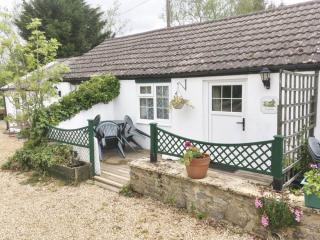
White Horse Farm
Located in the rural Dorset in the hamlet of Middlemarsh, near Sherborne, White Horse Farm comprises 4 barn cottages and a 3 bed roomed 4-star lodge cabin. They feature WiFi, BBQ, are d...
★★★★ Rating
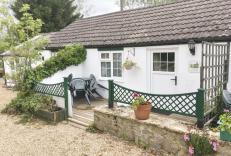
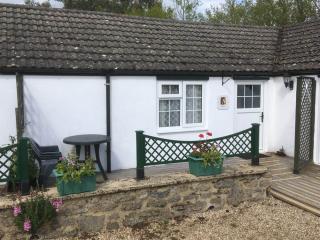
Toad Hall Cottage
Awaiting description...
★★★ Rating
Badger's Cottage
Awaiting description...
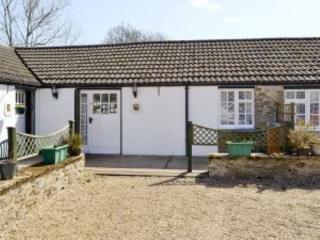
★★★ Rating
Ratty's Cottage
Awaiting description...
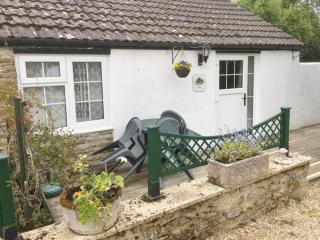
★★★ Rating
Moley's Cottage
Awaiting description...
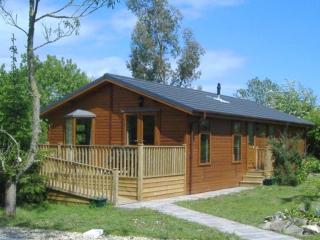
★★★ Rating
Otters Holt Lodge
Awaiting description...
★★★★ Rating
Places to eat nearby View all