
National Football Museum
Assessed by

 Assessor comments
"Learn about the history of the game at the world’s largest collection of football objects."
Overview
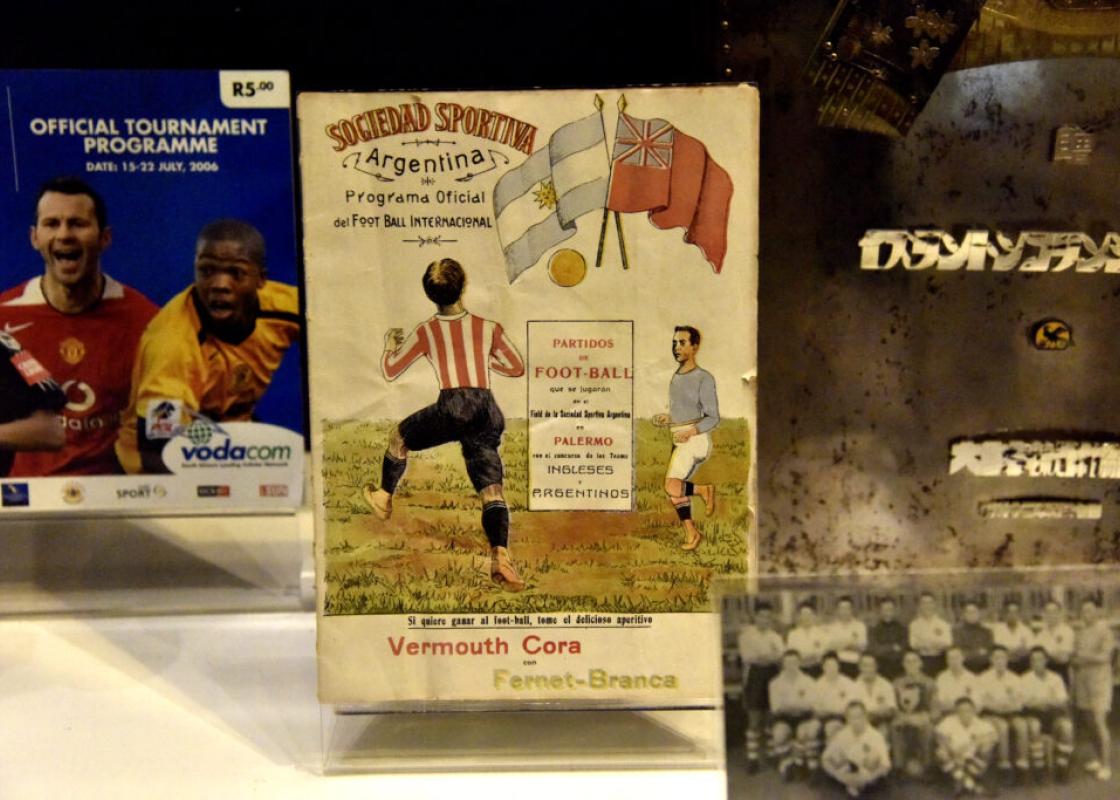
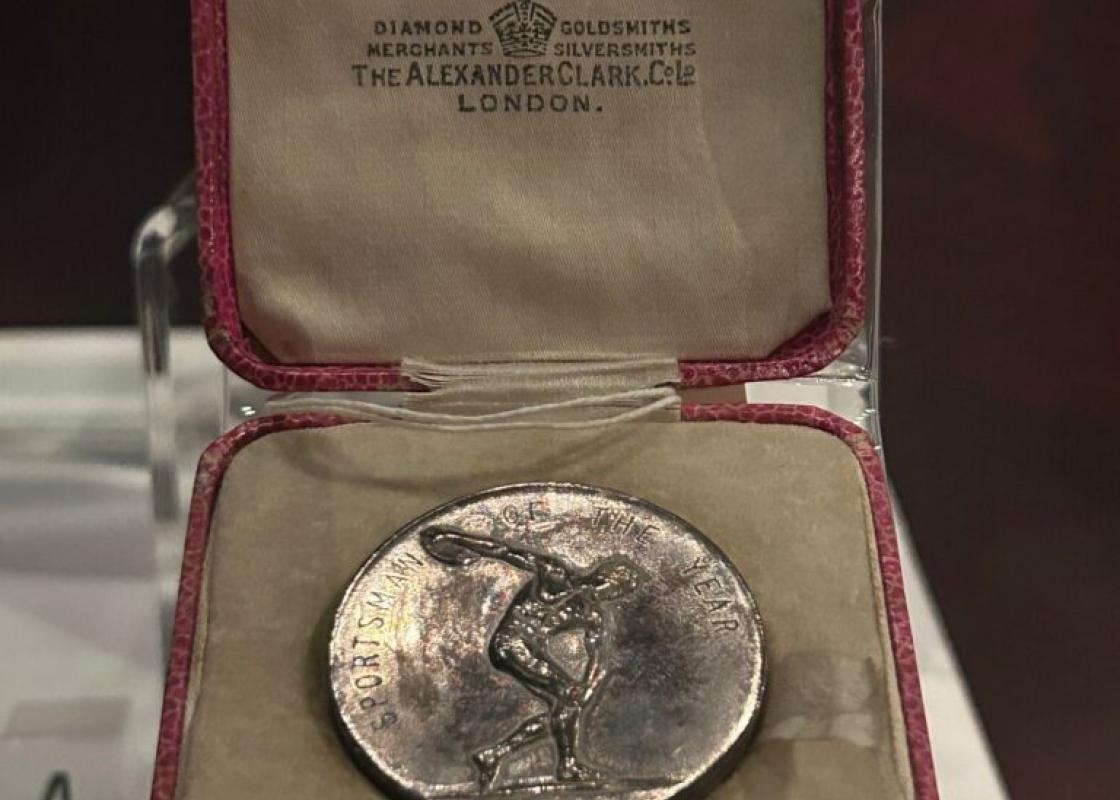
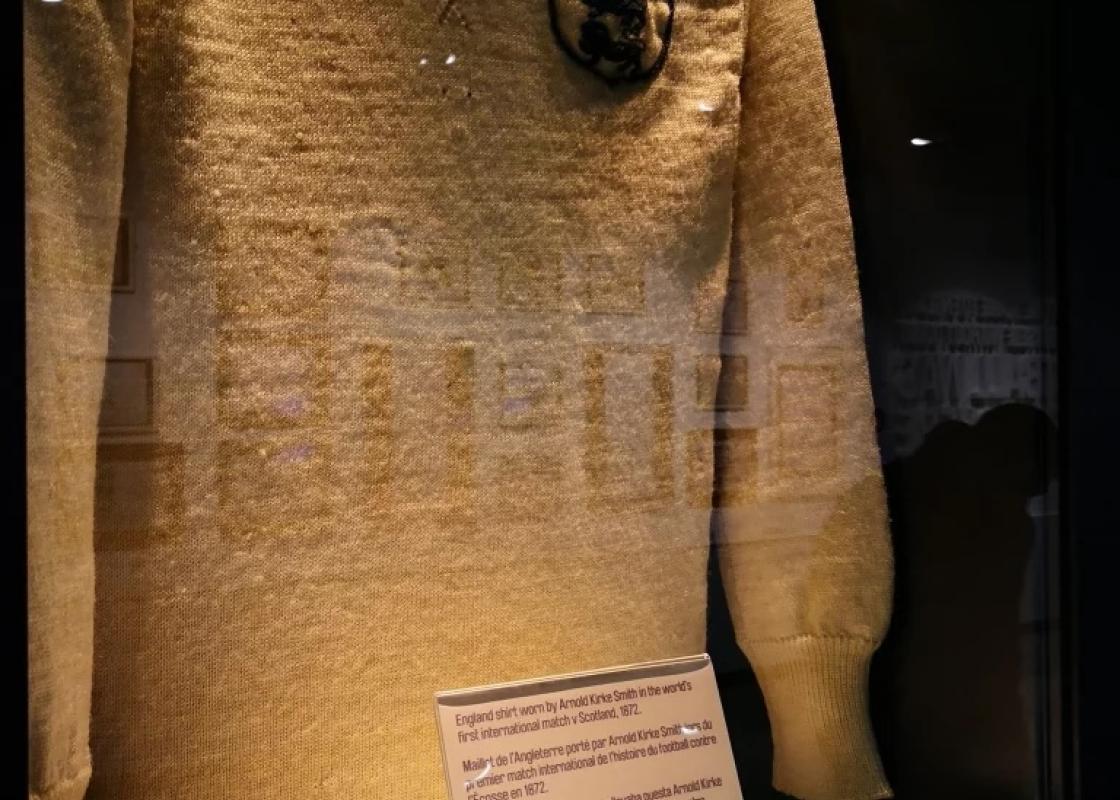
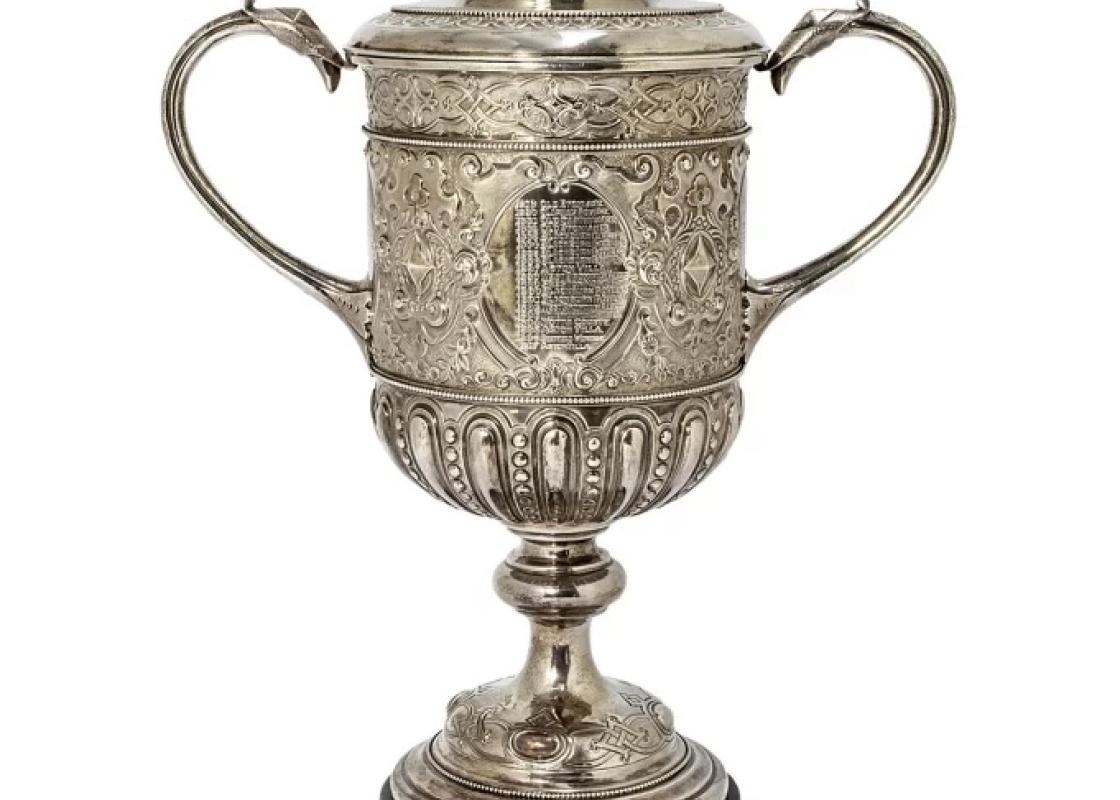
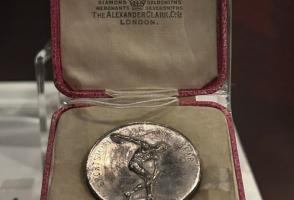
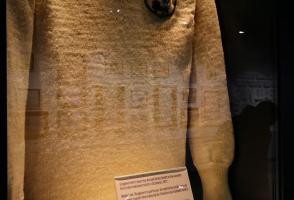
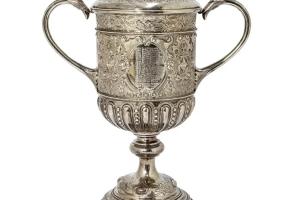
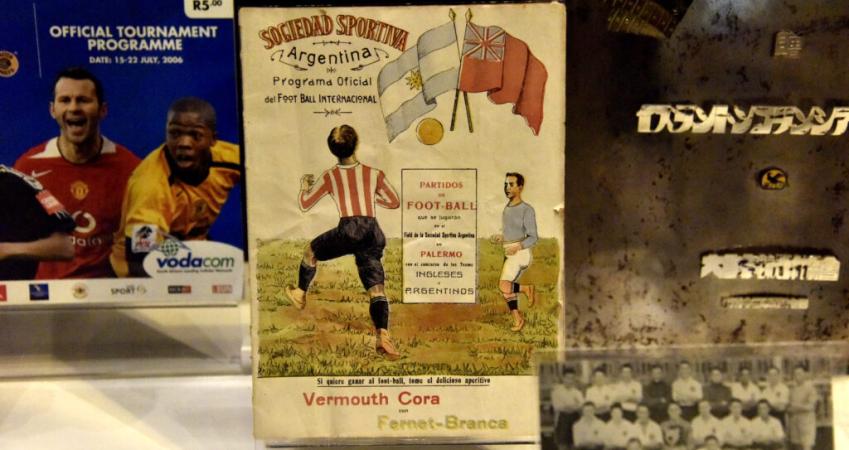
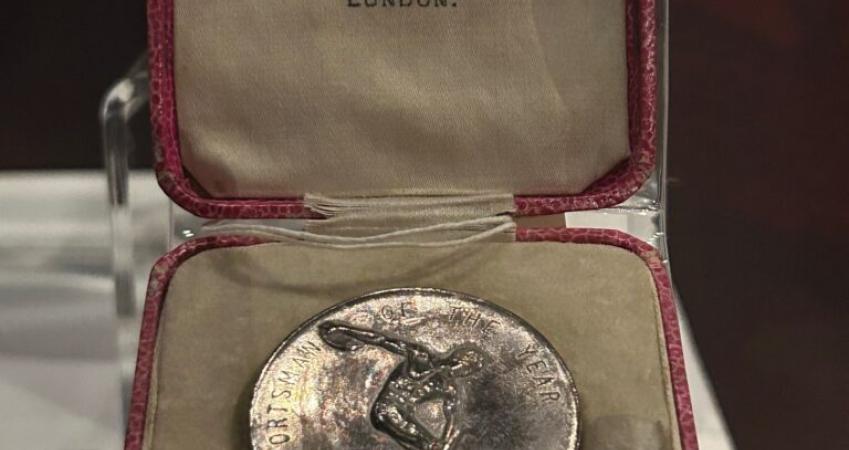
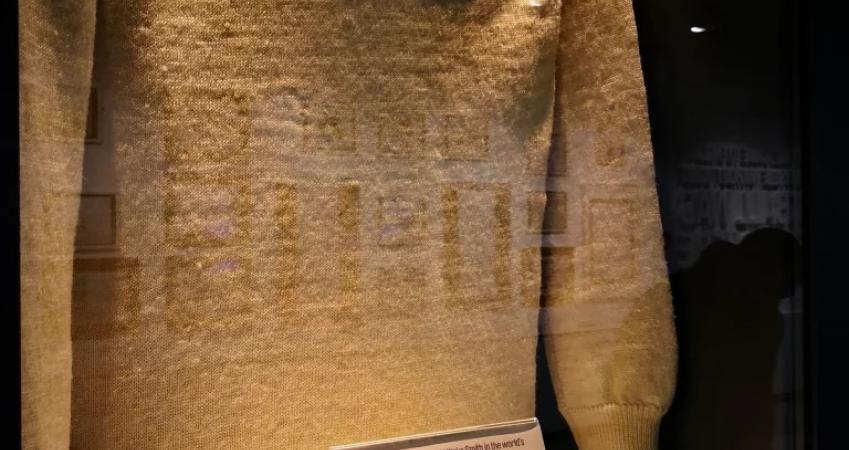
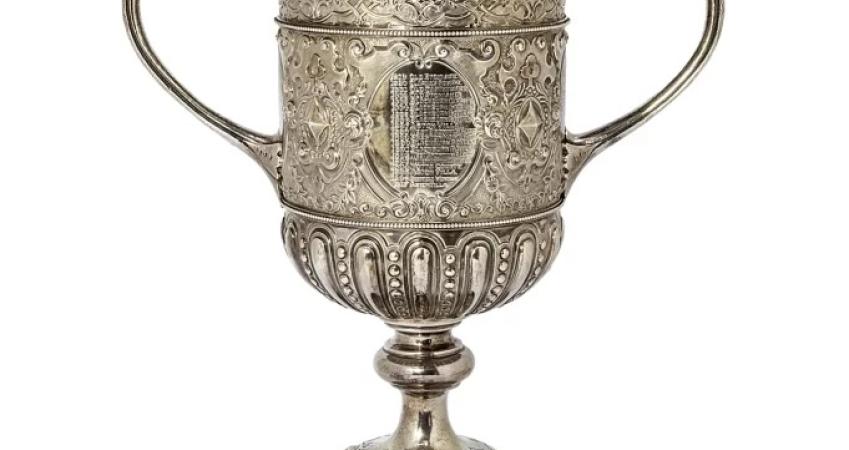
Home to the world’s largest public collection of football objects and archives, The National Football Museum is housed in Manchester’s iconic Urbis building. Interactive displays add interest to the fascinating memorabilia from football history, including the oldest surviving FA Cup trophy. Guided tours run through the day, and there’s a programme of changing exhibitions.
Ratings & awards

VisitEngland Quality Assessed
Location
Urbis Building, Cathedral Gardens, MANCHESTER, Greater Manchester, M4 3BG
About the area
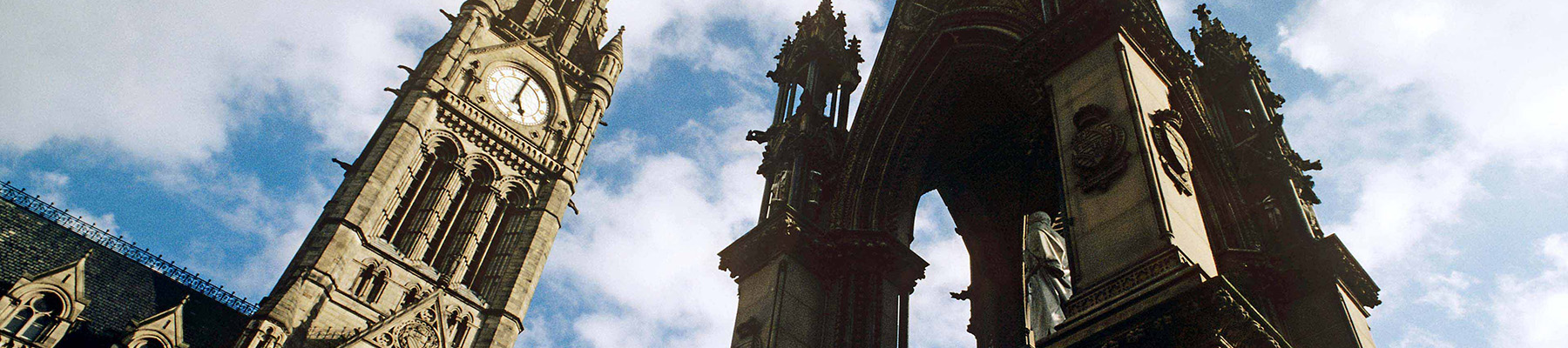
The Greater Manchester conurbation incorporates the towns of Bolton, Oldham, Rochdale, Salford, Stockport and Wigan, and has the vibrant city of Manchester as its administrative headquarters.
Manchester was founded in Roman times, and developed during the 17th century as a textile town, becoming the centre of the English cotton industry.
Places to eat nearby View all



Nearby places to stay
View all (8)





Nearby places to stay
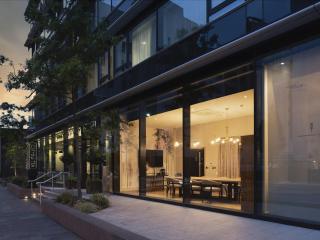
City Suites
CitySuites combine home-from-home comfort and the luxury of a five-star hotel in clean, modern apartments – with a choice of family, studio, one-bedroom, interconnecting and two-bedroom...
CitySuites
CitySuites combine home-from-home comfort and the luxury of a five-star hotel in clean, modern apartments – with a choice of family, studio, one-bedroom, interconnecting and two-bedroom...
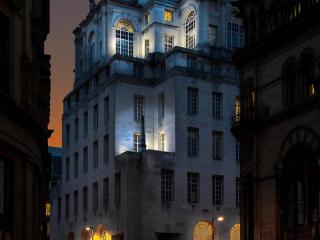
The Rex Hotel
Hotel Rex is a former bank designed by Edwin Lutyens, with art deco themes throughout, and right in the centre of Manchester. Reign Restaurant is on the sixth floor with balconies overl...
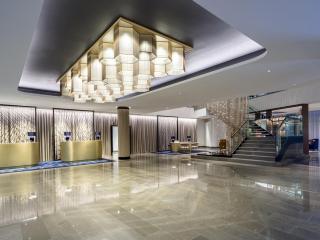
The Lowry Hotel
Named after the famous local artist, this contemporary hotel, set beside the River Irwell in the centre of the city, offers spacious and modern bedrooms equipped to meet the needs of bu...
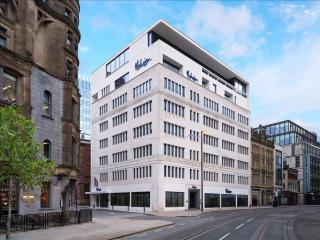
Malmaison Deansgate
Malmaison's second outpost in Manchester offers a prime location off Albert Square in the very heart of the shopping and entertainment areas. Guests have no need to dine out though with...
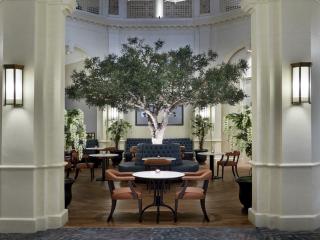
The Midland
The Midland is a long established and much loved Edwardian Manchester landmark. It is a Grade II listed former railway hotel with a central location and stylish, thoughtfully equipped b...
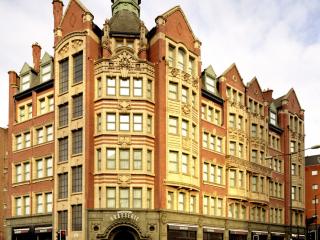
Malmaison Manchester
Stylish Malmaison Manchester offers the best contemporary hotel-keeping in a relaxed and comfortable environment. Converted from a former warehouse, it features a range of bright meetin...
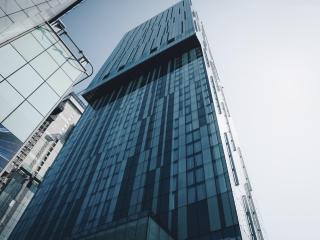
The Manchester Deansgate Hotel
The Manchester Deansgate Hotel is a modern city centre hotel in a modern glass skyscrapers, so many of the bedrooms offer stunning views over the city. The rooms are contemporary in sty...