Restaurant 1861
Inspected by

 Inspector comments
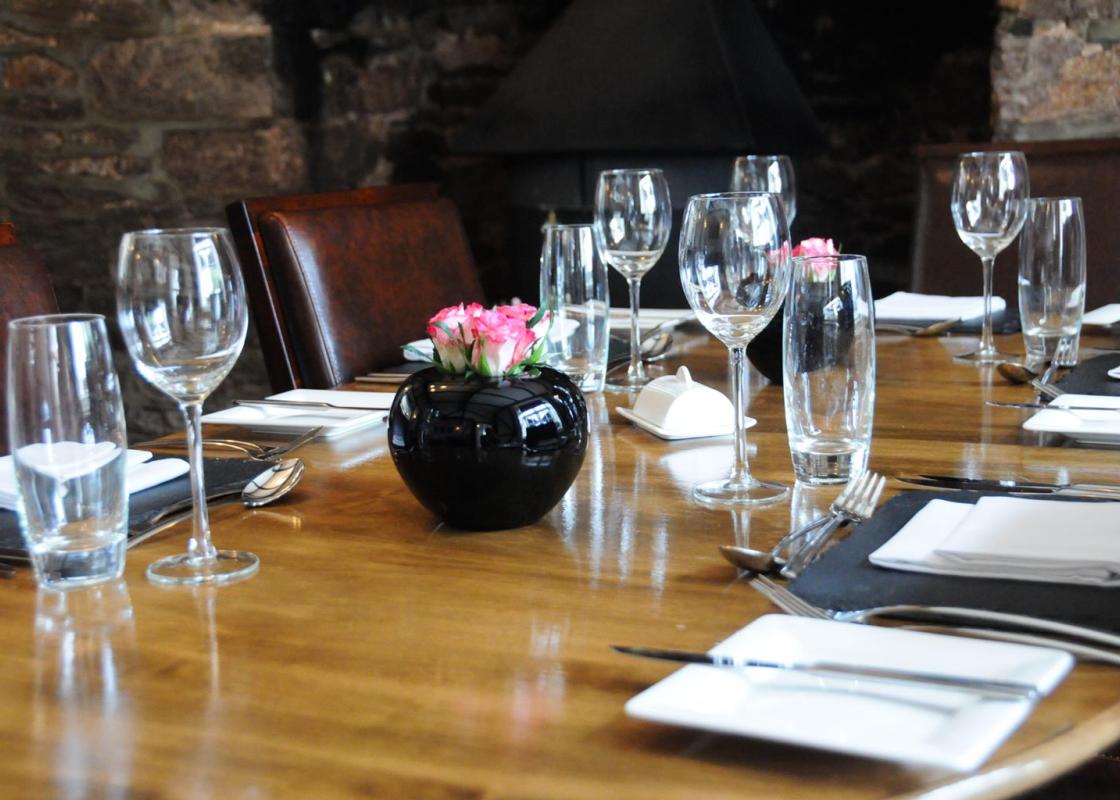
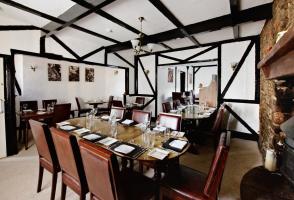
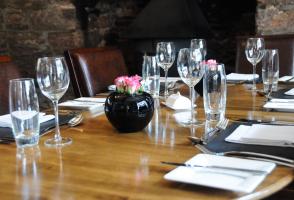
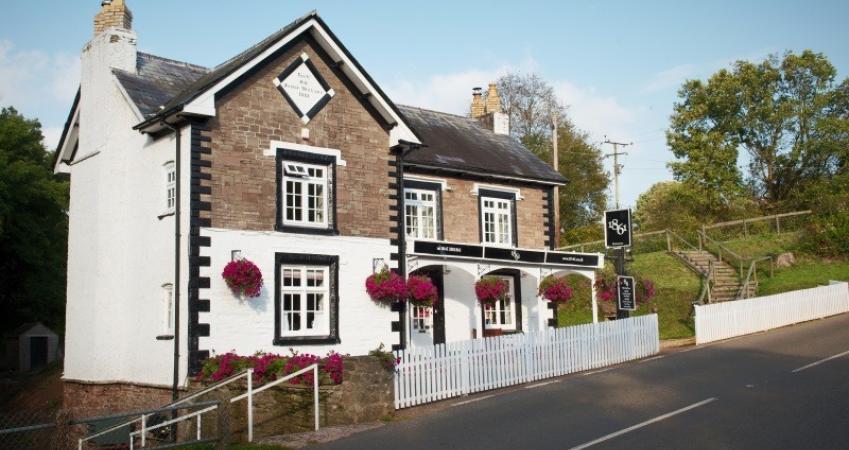
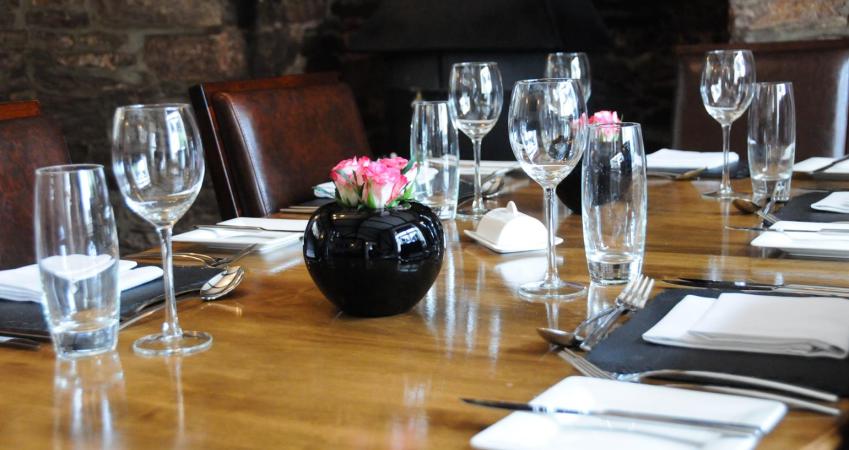
"Modern British cooking in a converted Victorian pub."
Overview
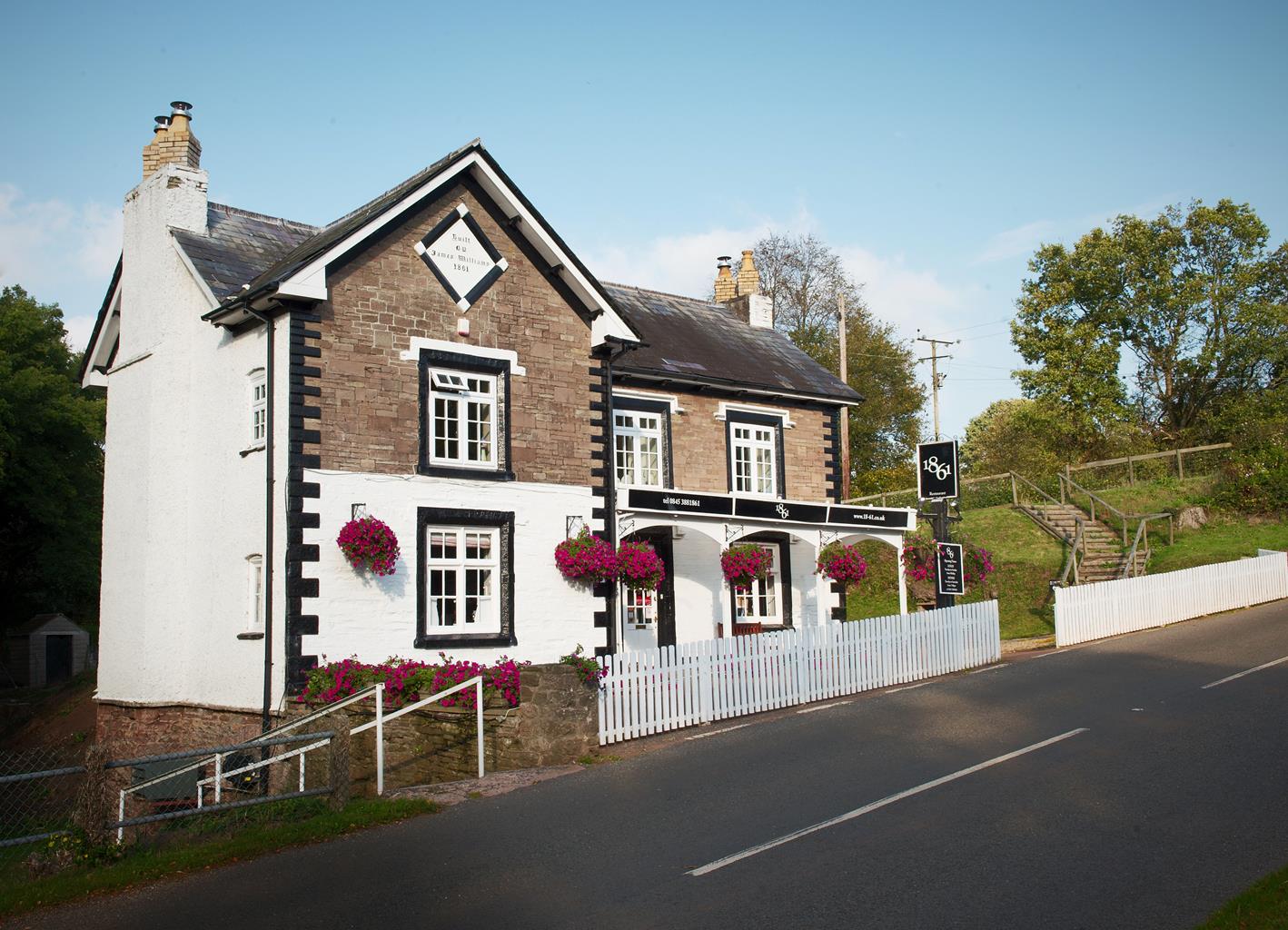
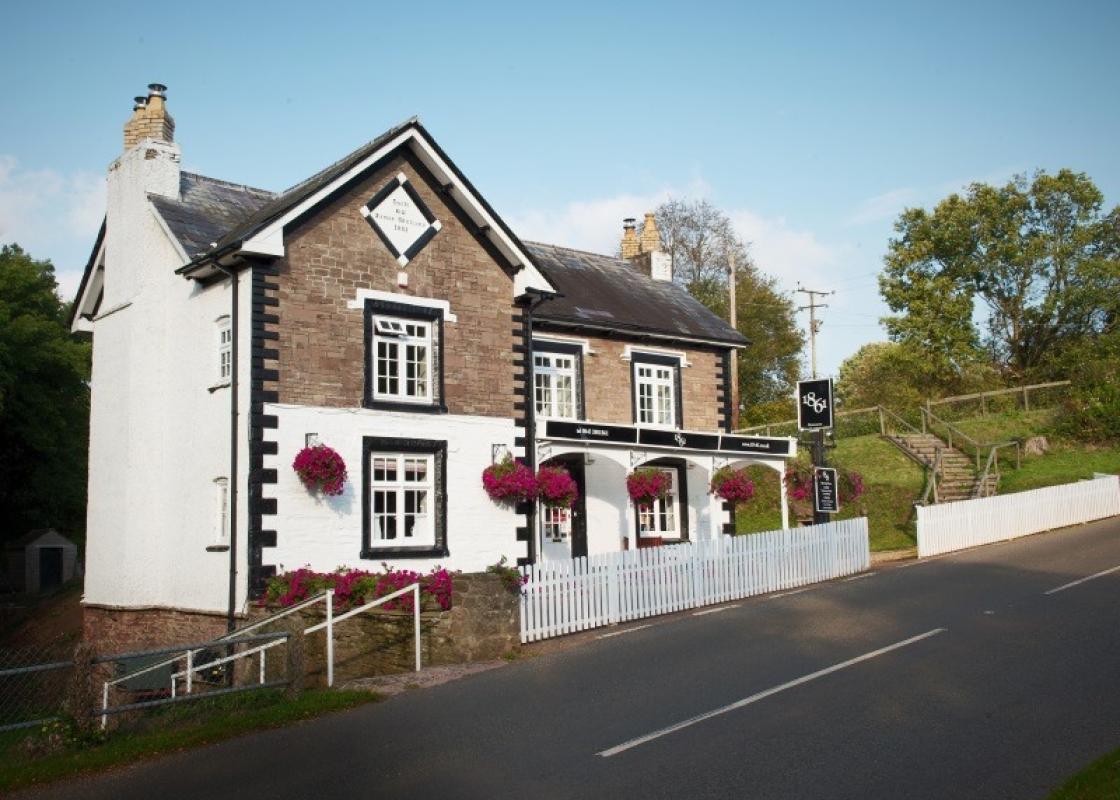
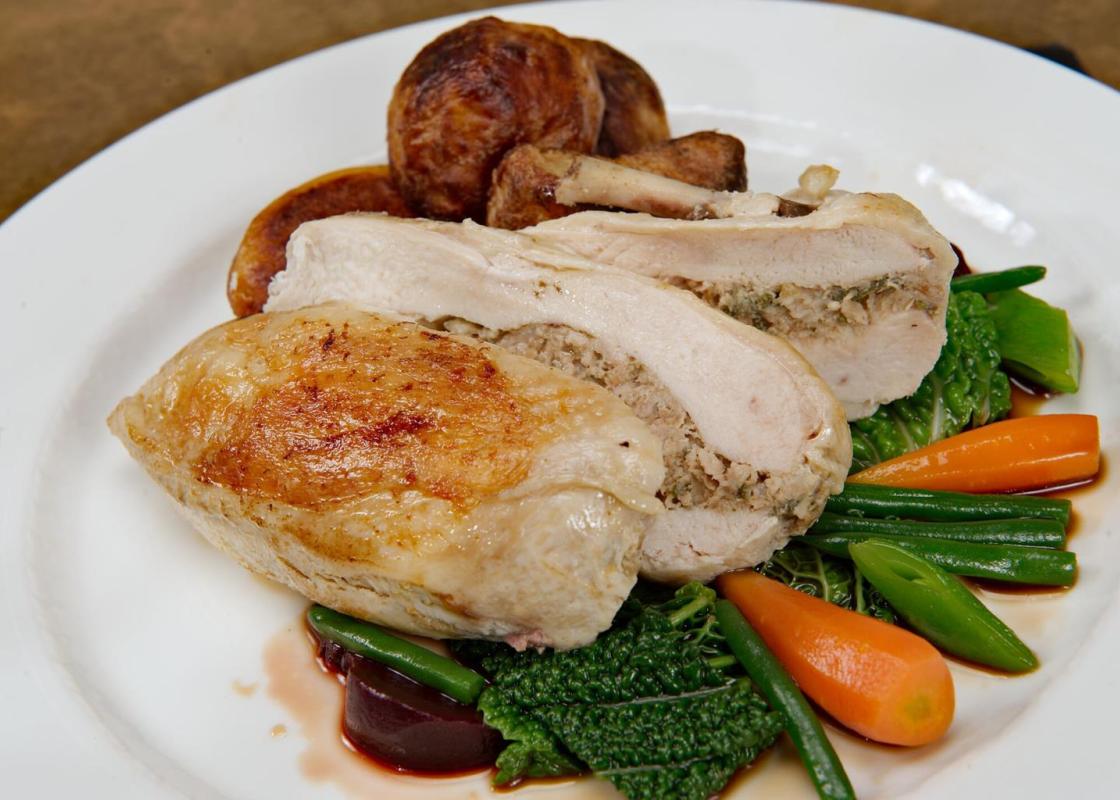
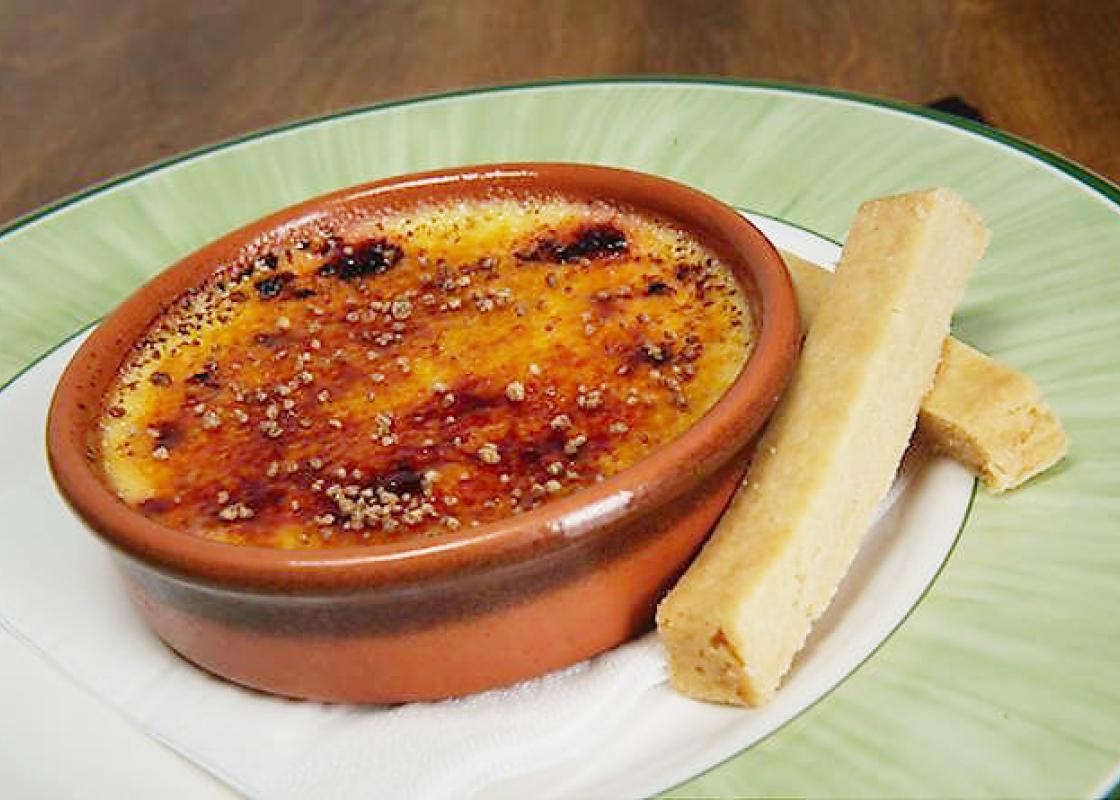
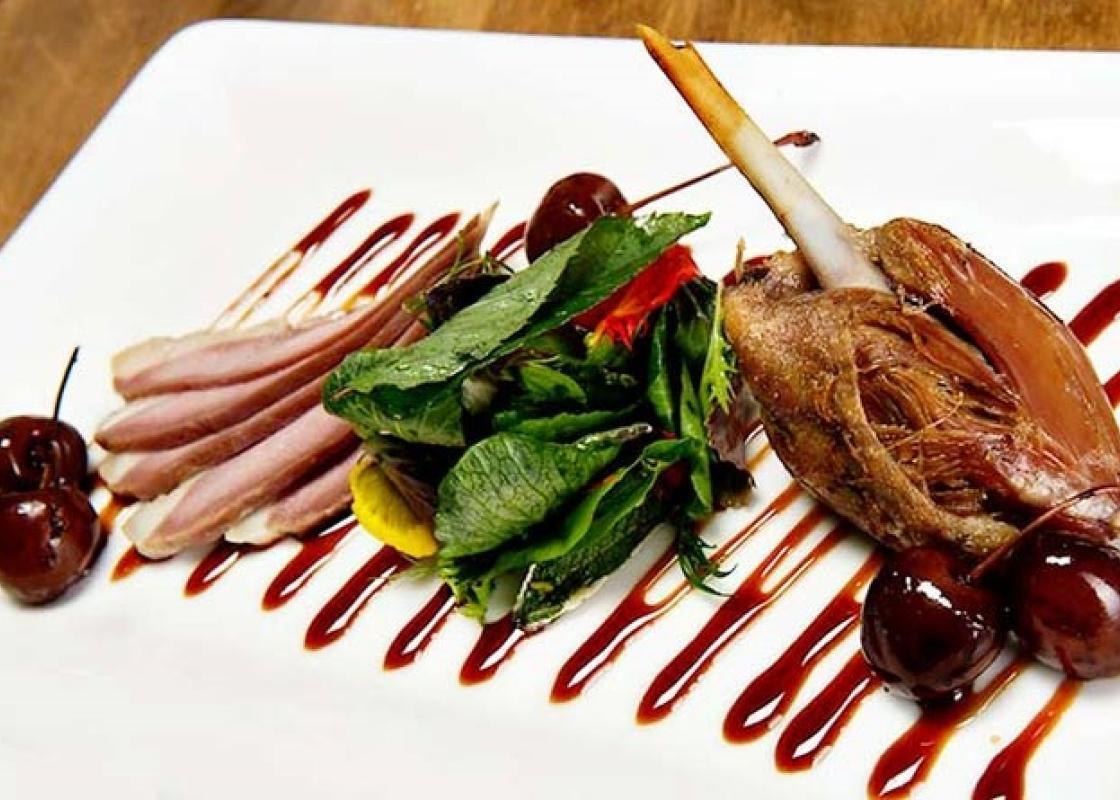
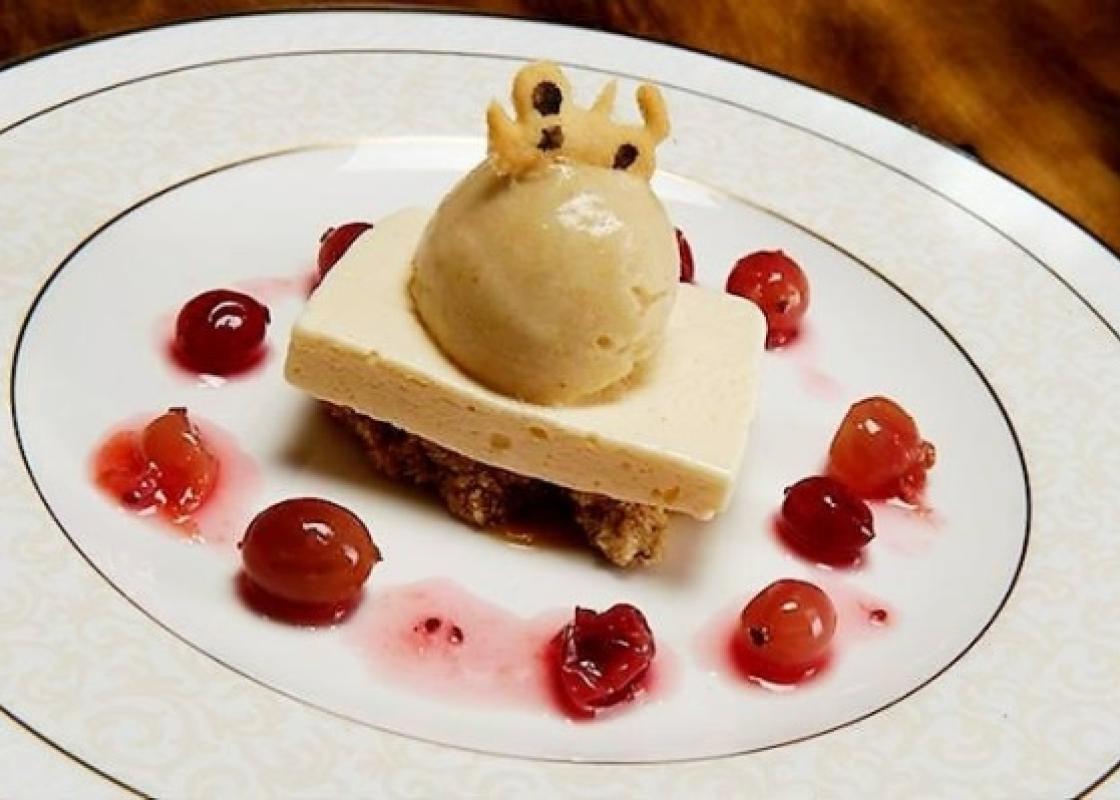
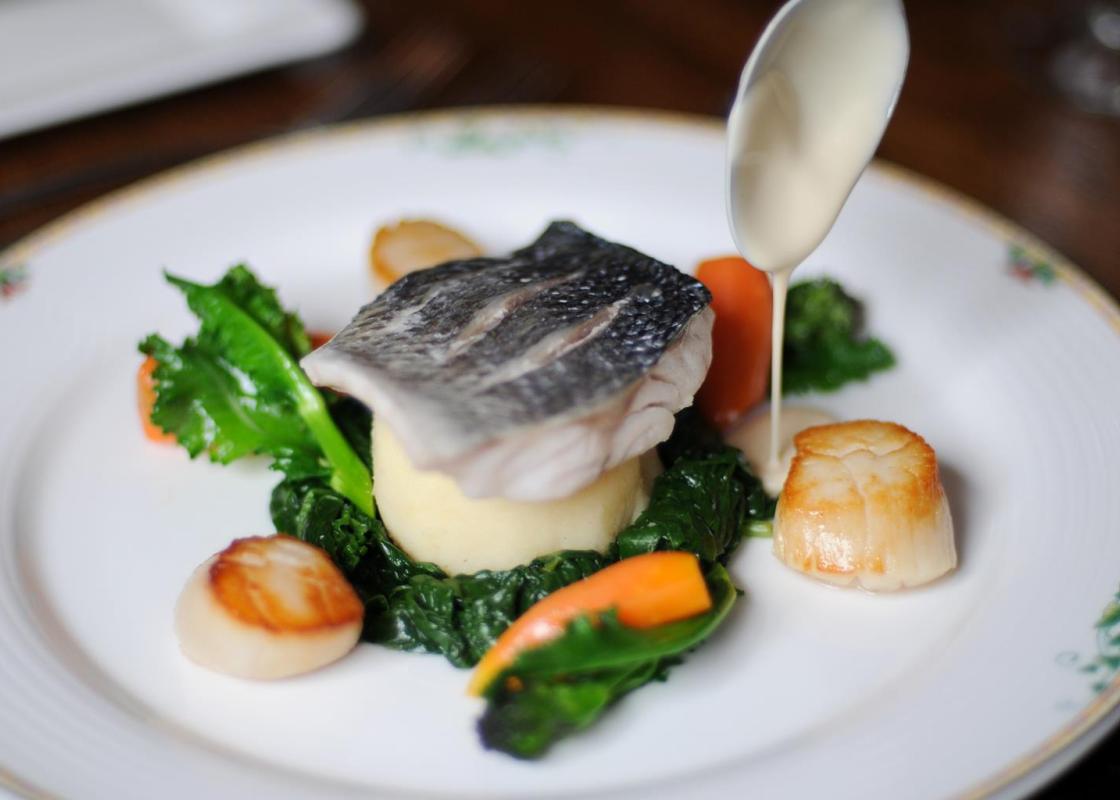
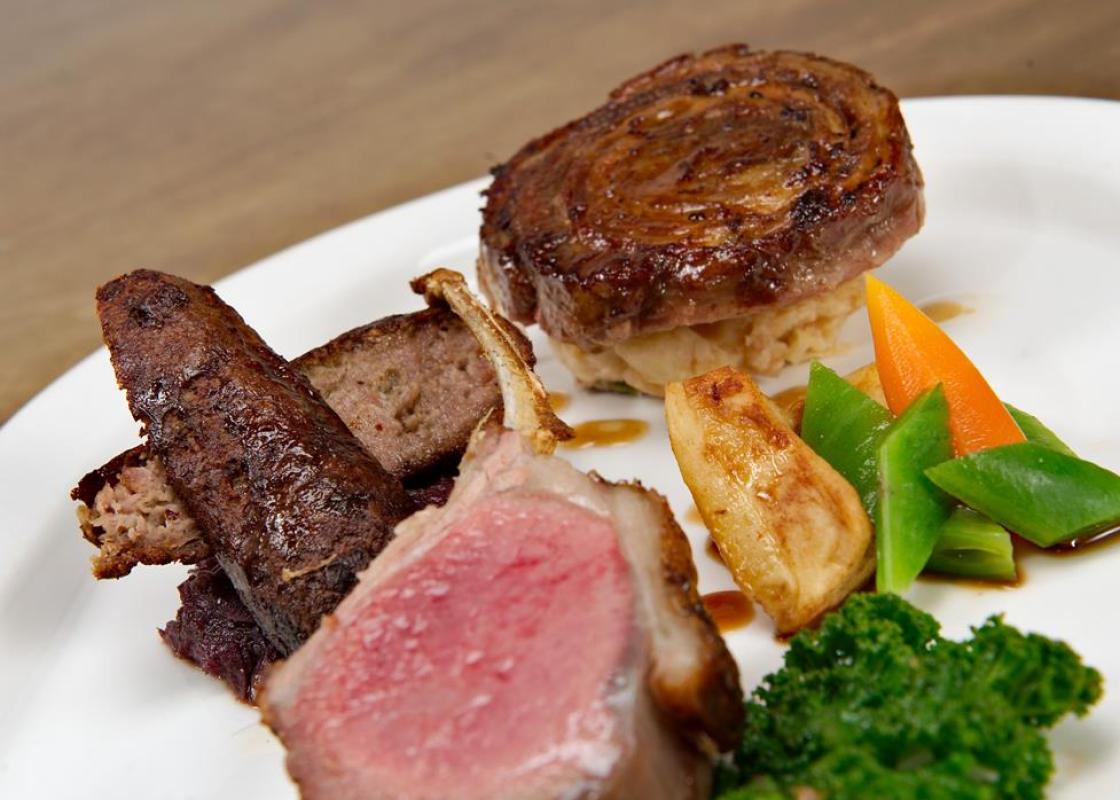
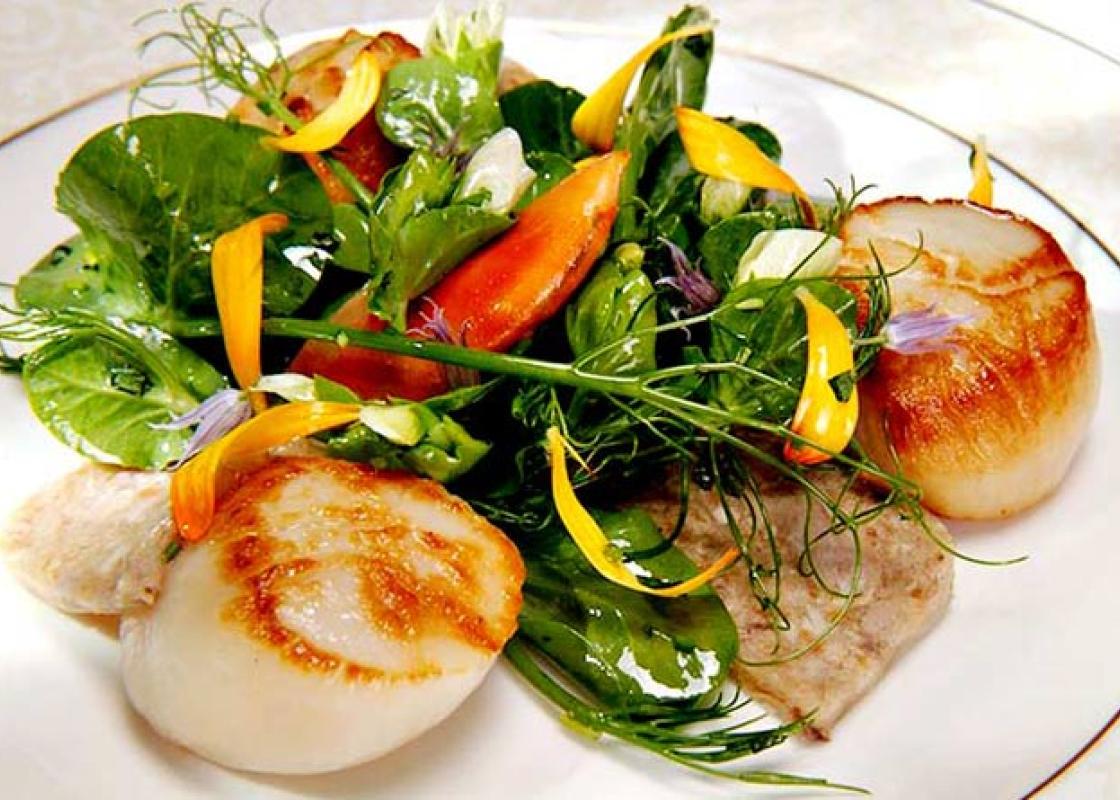
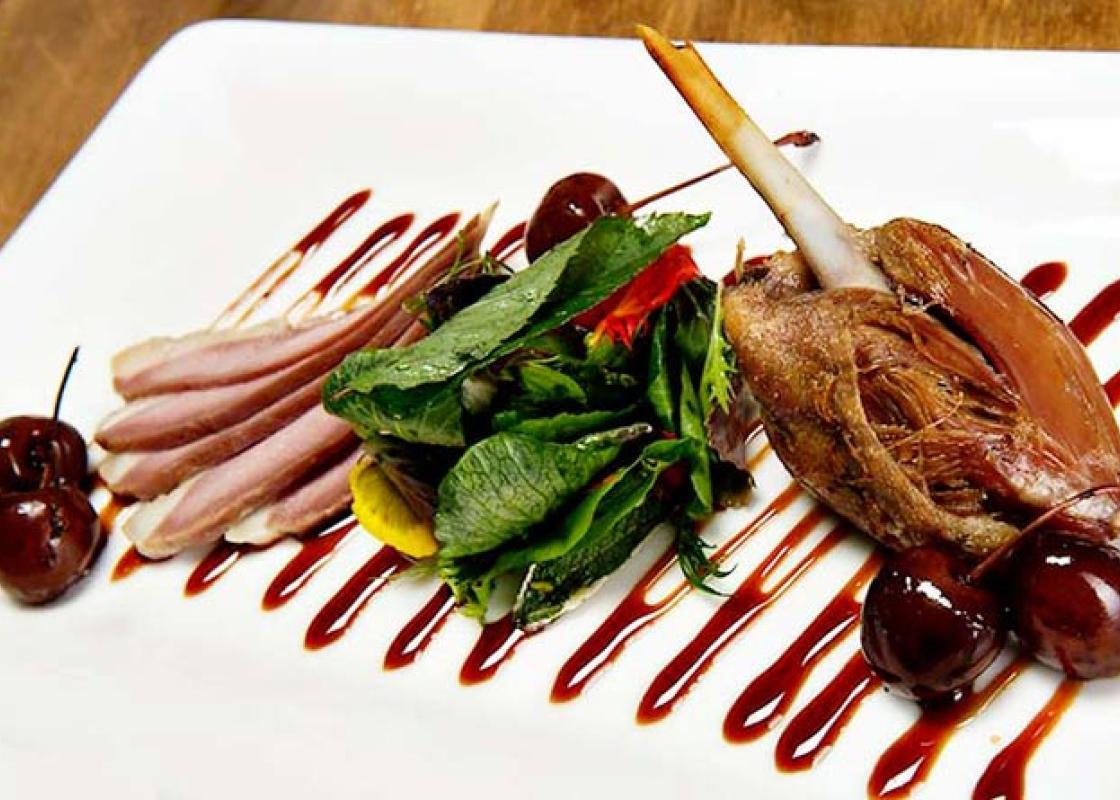
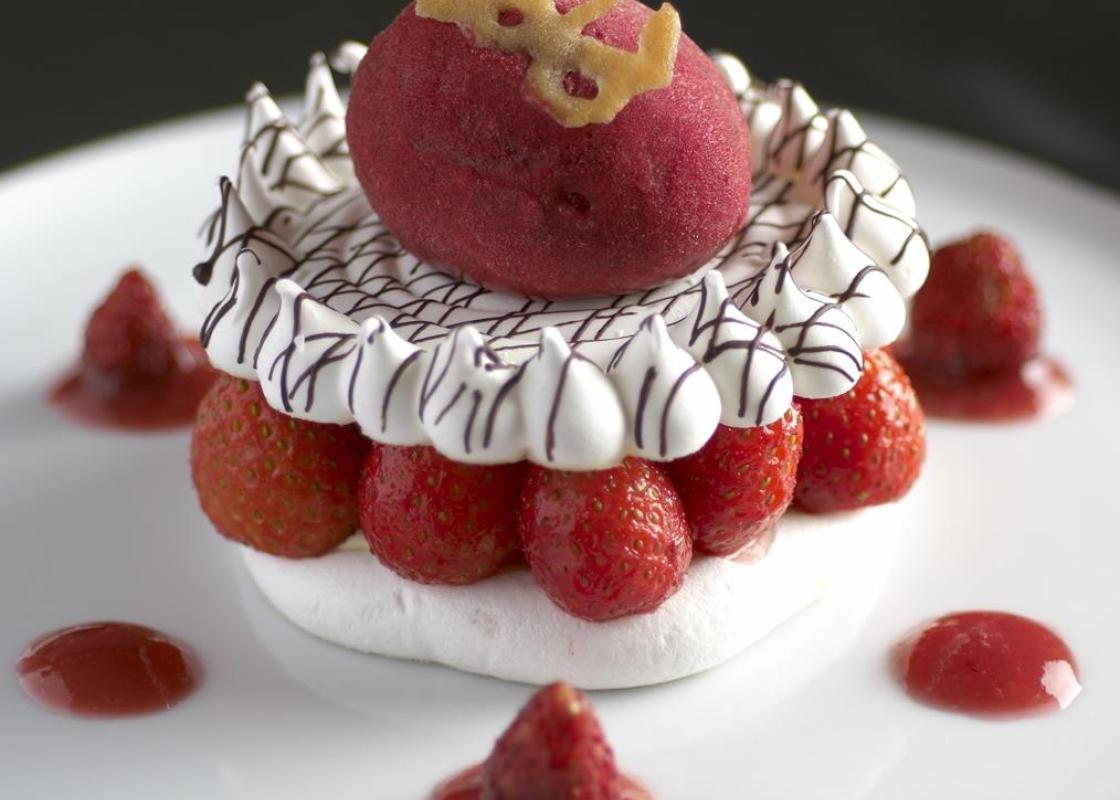
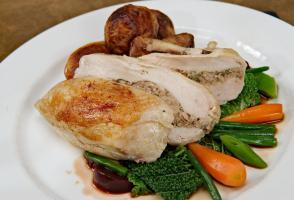
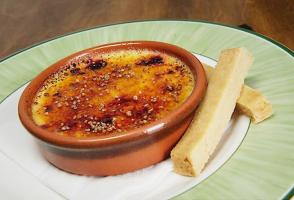
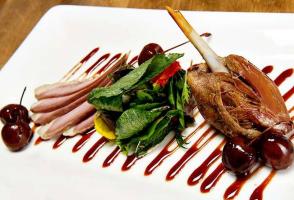
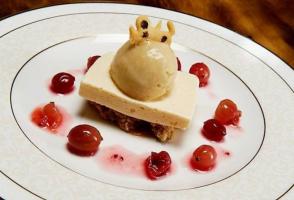
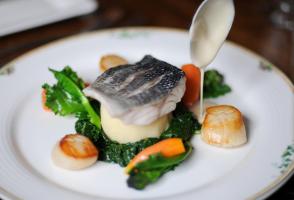
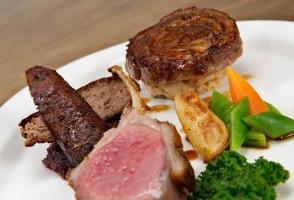
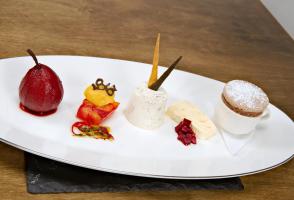
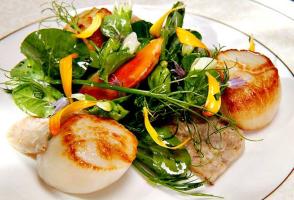
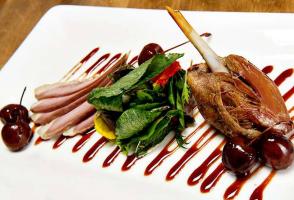
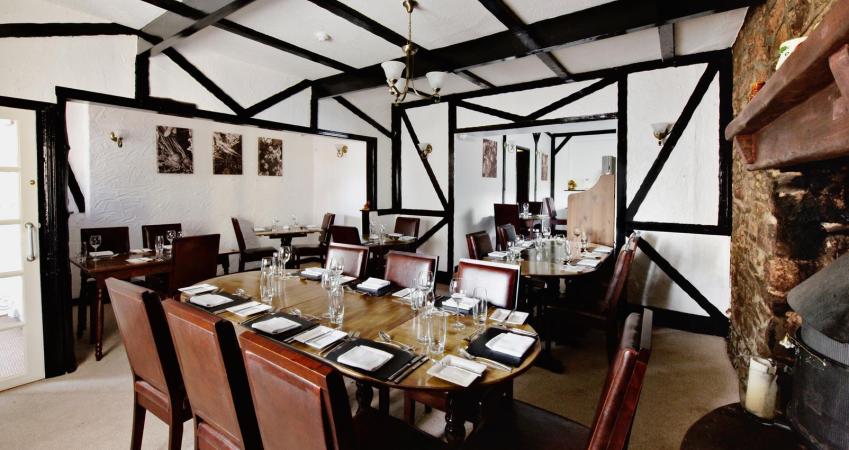
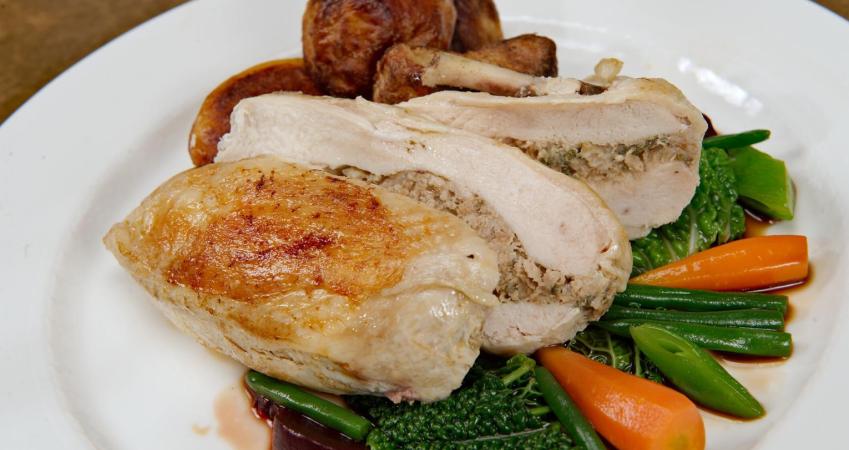
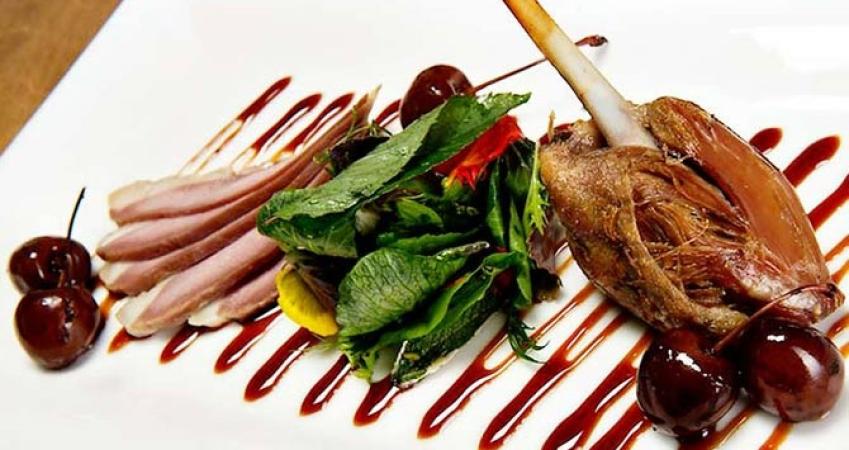
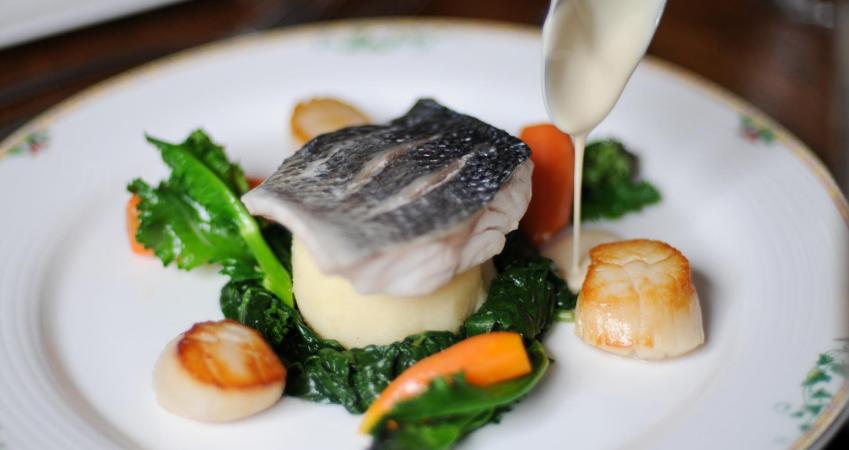
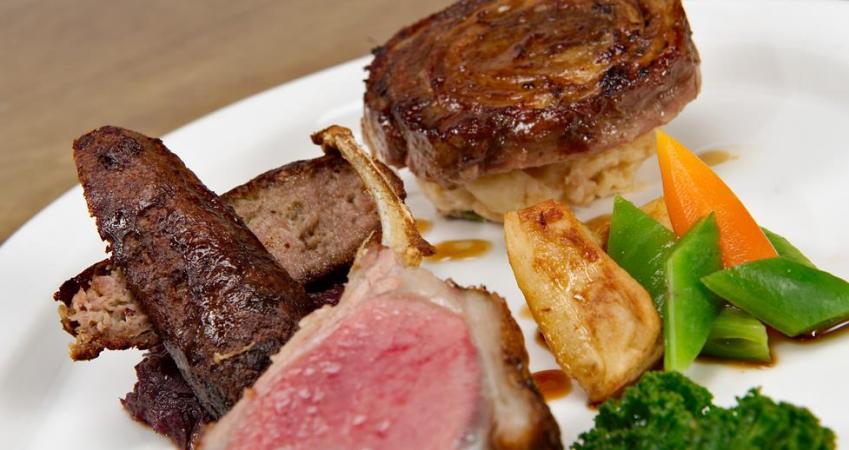
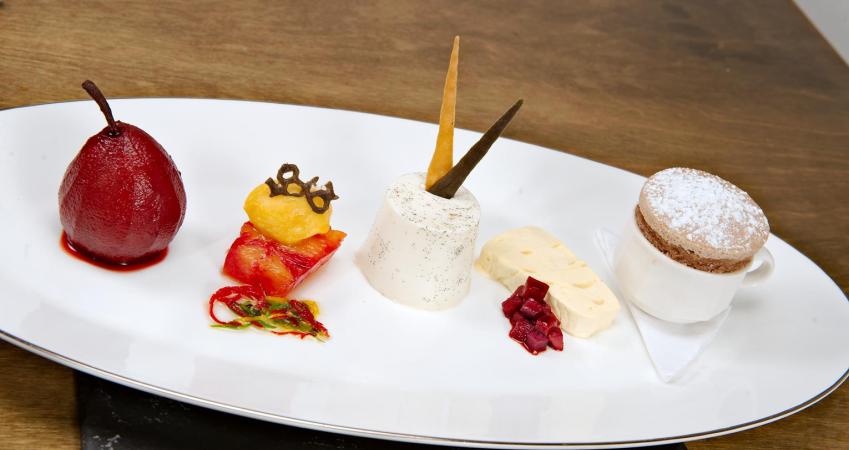
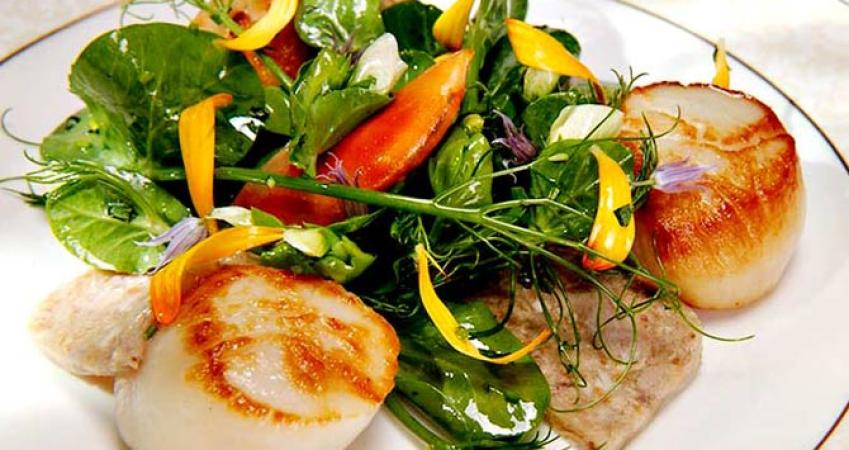
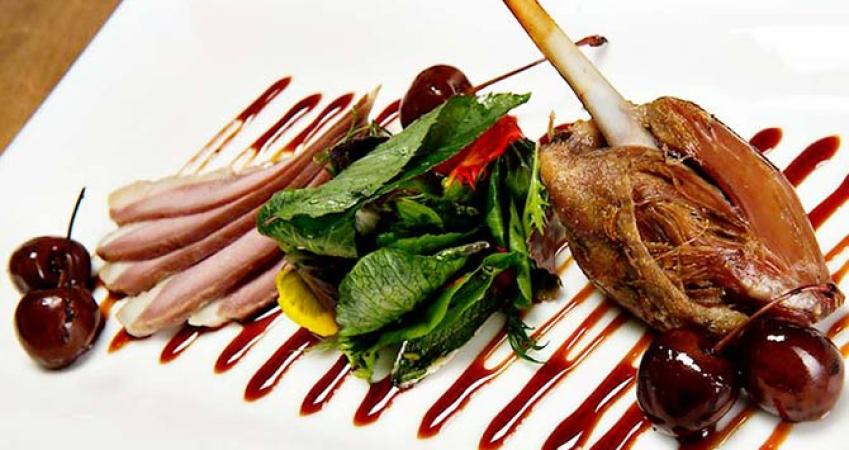
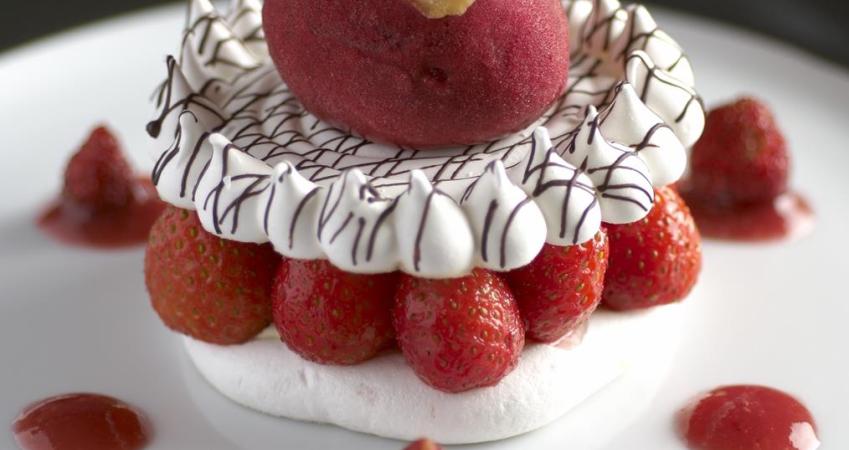
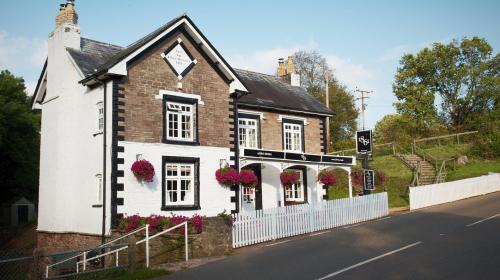
Built as a pub in 1861, this place much, much later became Simon and Kate King's attractive, slightly isolated restaurant. A starter of ethically produced foie gras or dill-cured mackerel might be followed by a fricassée, either rose veal or woodland mushrooms; or fillet of hake or sea trout. Kate's dad grows most of the vegetables.
Ratings & awards

2 Rosette Award for Culinary Excellence
Features
- Facilities
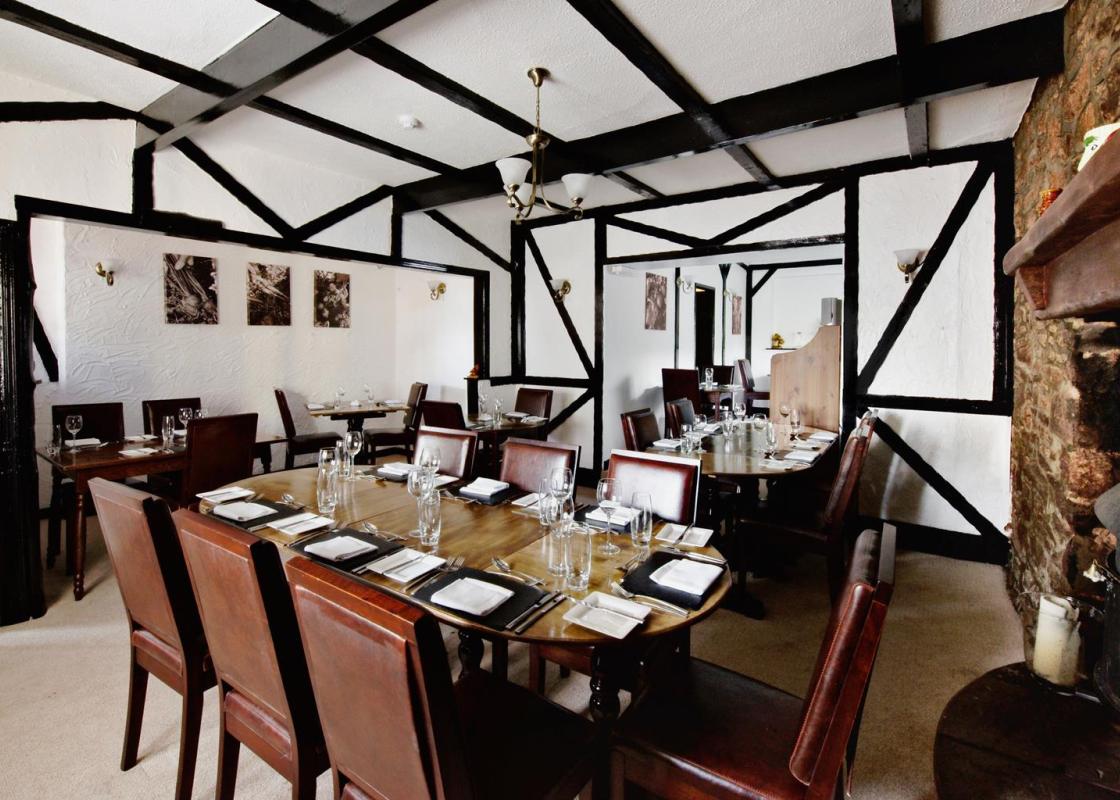
- Seats: 40
- On-site parking available
- Food and Drink
- Wines under £30: 39
- Wines over £30: 39
Also at this location
Restaurant with Rooms
1861 Restaurant with Rooms

AA 5 Silver Star Restaurant with Rooms
2-Rosette restaurant
About the area
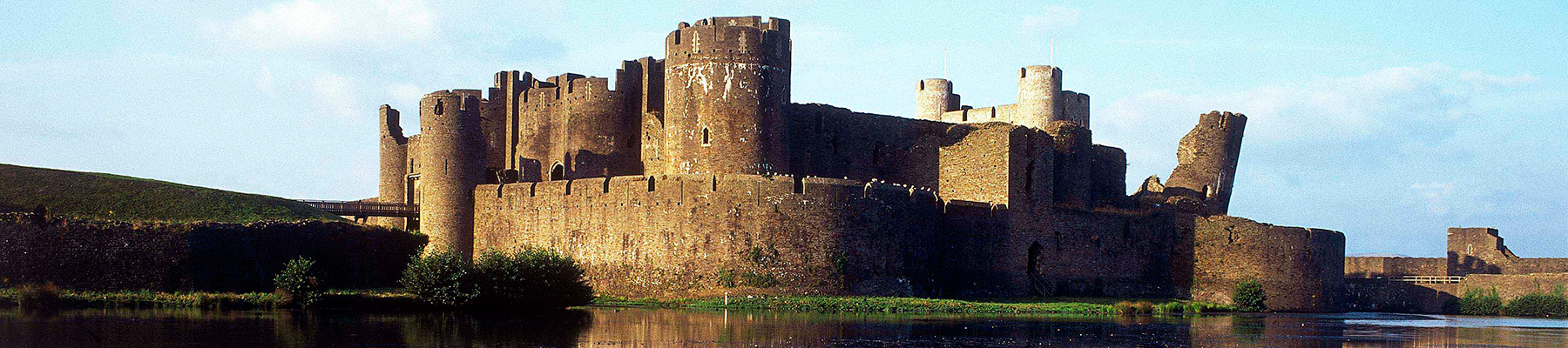
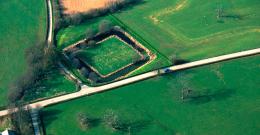
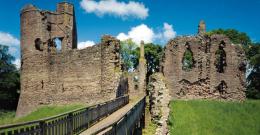
In their bid to control the borderlands of Monmouthshire – also known as the Marches – the Normans built a triangle of castles: Grosmont, Skenfrith and White. At first, they were simple wooden structures strengthened by earthworks, but when the lively Welsh refused to stop attacking them, it was decided more permanent fortresses were needed
Nearby places to visit
View all (8)
Nearby places to stay
View all (8)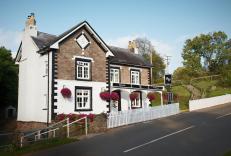
Self-Catering
The Hay Barn
- Private garden
- Lawn area
- Garden furniture
- BBQ on site
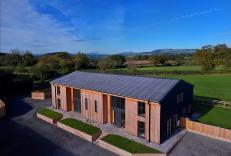
Self-Catering
Wye Valley View Barns
- Total units: 2
Nearby places to stay
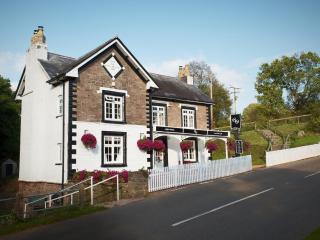
1861 Restaurant with Rooms
1861 Restaurant with Rooms is run by Kate and Simon King. Simon is the Head Chef while Kate looks after front of house. Bedrooms are located in an adjacent building and provide outstand...
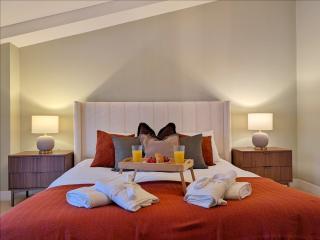
The Hay Barn
Awaiting description....
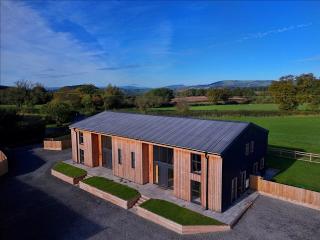
Wye Valley View Barns
Awaiting description....
The Gathering Barn - Luxury Rural Barn with Hot Tub
Awaiting description....
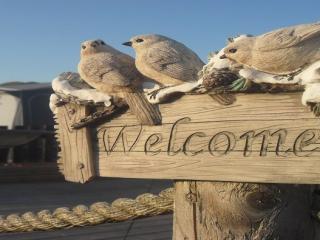
Wernddu Caravan Park
Located north of the town centre, this former fruit farm, adjacent to a golf club and driving range, is managed by three generations of the same family, and has been transformed into an...
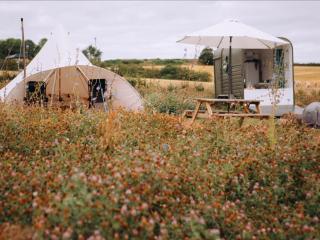
Rockfield Glamping
Located on a working farm in a stunning landscape of undulating hills, quality, well spaced bell tents are strategically placed to maximise the excellent views. Interiors are furnished ...
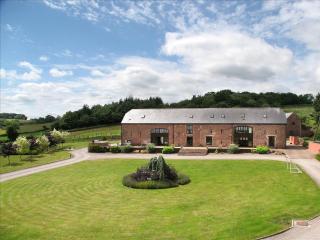
Penblaith Barn
Not far from the England-Wales border, sits Penblaith Barn with three spacious floors. The Galleried Hall is open to all three floors, while a large dining room provides a large central...
Penblaith Barn
Not far from the England-Wales border, sits Penblaith Barn with three spacious floors. The Galleried Hall is open to all three floors, while a large dining room provides a large central...