Holme Fen National Nature Reserve
Recommended by


Overview
Holme Fen NNR, specifically Holme Posts, is believed to be the lowest point in Great Britain at 2.75m (9ft) below sea level. It also contains the largest silver birch woodland in lowland Britain. The fen is home to a variety of birds, including the Eurasian siskin, nightingale and lesser redpoll, and in summer, warblers, tits and woodpeckers nest in the woodland, which is home to around 450 species of fungi. Burnham’s and Boston’s Meres attract wildfowl in large numbers during the winter months. These include greylag geese, mallard and coot, along with smaller numbers of gadwall, teal, tufted duck, shoveler and wigeon. Great crested grebes display in the spring and cormorants raise their young in nests on the islands. A rich variety of insects thrive in the woodland, meres and fragments of ancient fen. Around a third of the UK’s dragonfly species are found here, and the open patches of grassland support a large population of small copper butterflies. White admiral butterflies can also be seen gliding along the woodland rides.
About the area
To the west of East Anglia is Cambridgeshire, a county best known as the home to the university that makes up the second half of ‘Oxbridge’ (the other half is Oxford). As well as its globally renowned educational credentials, it also has a rich natural history; much of its area is made up of reclaimed or untouched fens.
Places to eat nearby View all



Nearby places to stay
View all (8)



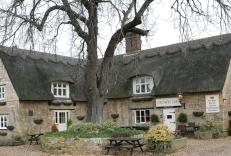


Nearby places to stay
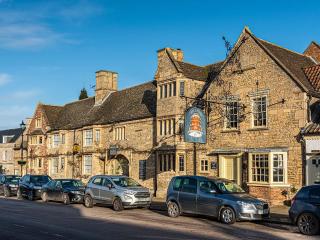
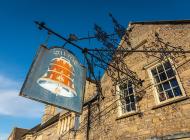
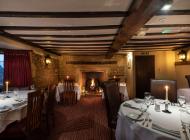
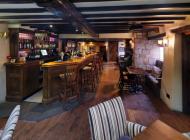
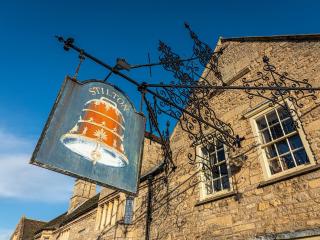
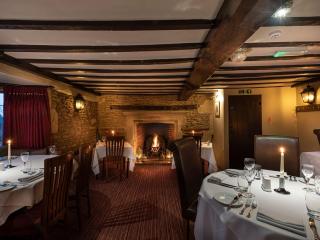
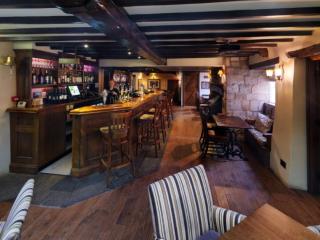
The Bell Inn
This delightful 17th century inn is steeped in history and retains many original features, with quality food served in both the characterful village bar/brasserie and the elegant beamed...
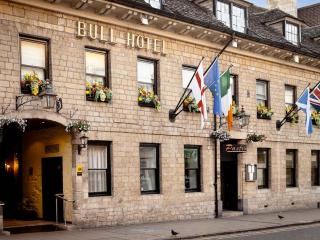
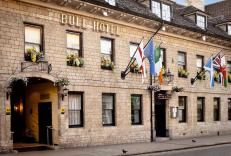
Bull Hotel
The Bull Hotel is in the city-centre and offers well-equipped, modern accommodation, which includes several wings of deluxe bedrooms. Public rooms include a relaxing bar with a great ch...
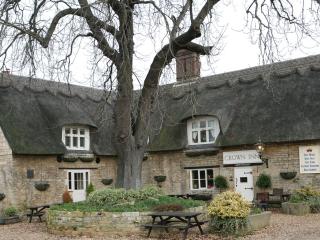
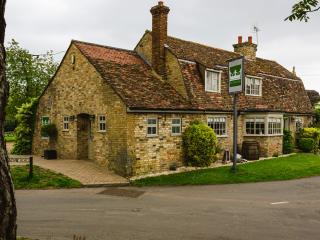
The Crown Inn
Expect a warm Cambridgeshire welcome at the Crown Inn, a 16th-century village pub, situated opposite the village green. It retains many original features such as a thatched roof, natura...
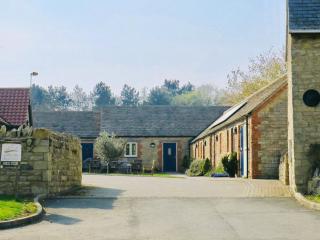
Lower Farm Bed and Breakfast
With direct access to the Nene Way, Lower Farm Bed and Breakfast makes a handy base for walkers. Owned by the same family since the 1920s, the property provides 10 bright, modern bedroo...
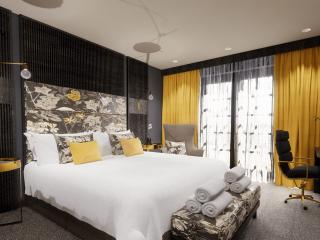
The Haycock Manor Hotel
Situated in the beautiful surroundings of Wansford, The Haycock Manor Hotel is a charming property used in the 16th-century as a coaching inn. Recently refurbished, it offers sophistica...
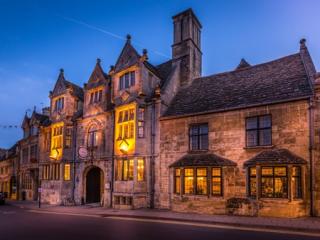
The Talbot
This Grade I listed property is steeped in history and is reputed to house the staircase that Mary, Queen of Scots walked down to her execution in 1587. The hotel offers an open-plan ea...
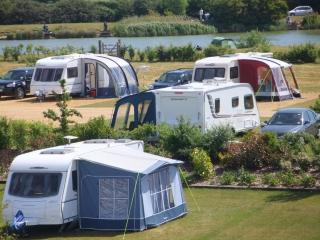
Fields End Water Caravan Park & Fishery
This meticulously planned and well-executed park makes excellent use of its slightly elevated position in The Fens. The 80 fully serviced pitches, all with very generous hardstandings, ...
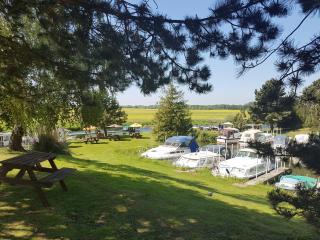
Huntingdon Boathaven & Caravan Park
The enthusiastic owners are gradually upgrading this well laid out site overlooking a boat marina and the River Ouse, set close to the A14 and within walking distance of Huntingdon town...