Derwent Gorge & Muggleswick Woods National Nature Reserve
Recommended by


Overview
The Derwent Gorge and Muggleswick Woods NNR contains some of the finest ancient sessile oak woodlands in the northeast of England, as well as some unique semi-natural grasslands. The woodland types found here range from dry, acid sessile oak woods on the higher ground, to the flushed lime-rich ash woodland and wet alder woodland on the lower slopes. This variety of woodland creates a rich diversity of flora and fauna. The reserve is recognised as regionally important for tree-growing lichens, with over 60 species recorded. Red kites and buzzards are often seen gliding above the canopy, with spotted and pied flycatcher, redpoll, siskins and wood warblers flitting around within the woods. Dippers, kingfishers and goosanders frequent the River Derwent and its tributaries, while historically the site has had populations of red squirrel and the secretive roe deer are still found in the woods.
About the area
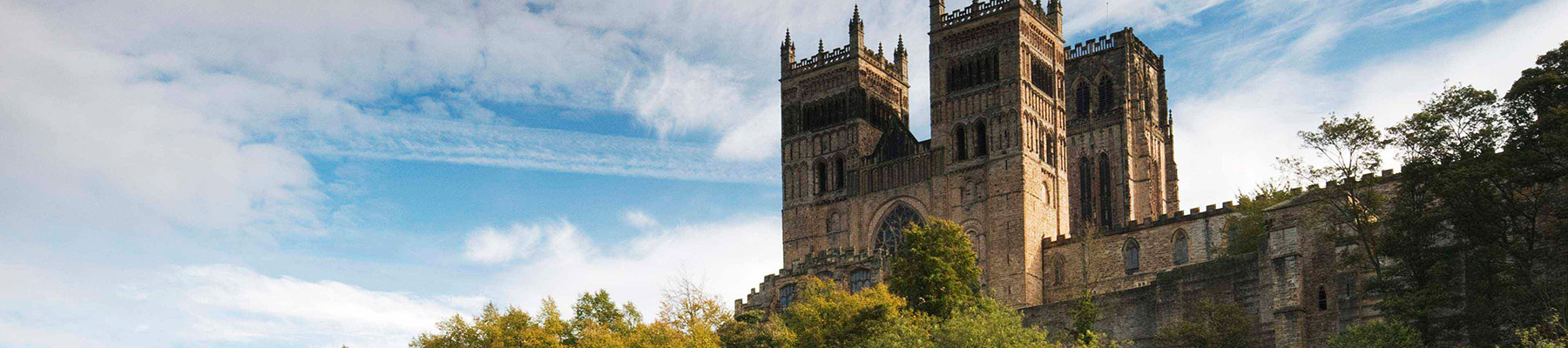
County Durham reaches halfway across England, from the North Pennines in the west, to the sea in the east. Much of it is very sparsely inhabited, and is naturally beautiful; a mix of rolling hills, monumental valleys, lush farmland and unforgiving moors.
Places to eat nearby View all
Nearby places to stay
View all (8)



Nearby places to stay
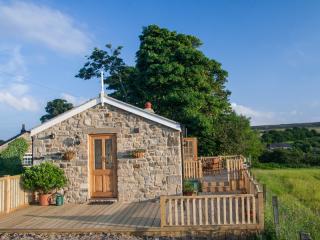
Derwent View Cottage
Relax and unwind at our beautiful self-catering cottage for 2 on the Durham-Northumberland Border. Offering open plan living accommodation with a well-equipped kitchen and patio doors o...
Derwent View Cottage
Relax and unwind at our beautiful self-catering cottage for 2 on the Durham-Northumberland Border. Offering open plan living accommodation with a well-equipped kitchen and patio doors o...
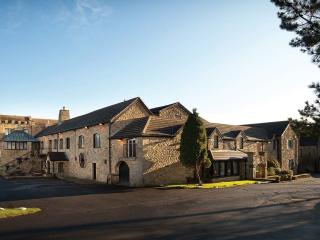
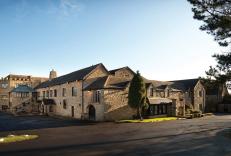
Derwent Manor Boutique Hotel
Derwent Manor enjoys an elevated position overlooking the Derwent Valley. Set in 20 acres of peaceful grounds, it is within easy distance of both Newcastle and Durham with a wealth of v...
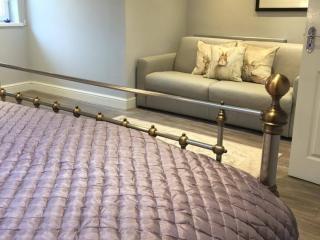
Bonners Lodge
Beautiful County Durham countryside is on the doorstep at Bonners Lodge for walkers and cyclists and there is fishing in nearby Tunstall Reservoir. Birdwatchers can relax in the lounge ...
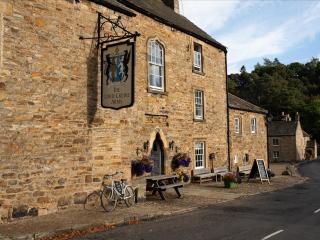
Lord Crewe Arms
Lord Crewe Arms is set in the tranquil and picturesque Northumbrian countryside and dates back to the 12th century when it was built as the abbot's priory. The building has plenty of ch...
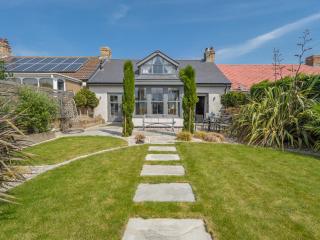
Number Nine
Renovated in 2019, Number Nine is a charming house that’s part of the original ‘Hurbuck Cottages’, a quaint row of terraced cottages with beautiful views of the valley and countryside s...
Number Nine
Renovated in 2019, Number Nine is a charming house that’s part of the original ‘Hurbuck Cottages’, a quaint row of terraced cottages with beautiful views of the valley and countryside s...
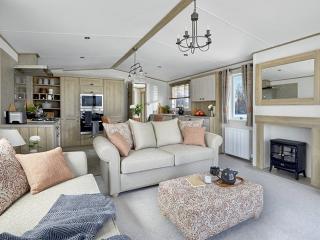
Springhouse Country Park
A countryside retreat on the outskirts of the North Pennines, Springhouse Country Park also benefits from being situated close to Northumberland National Park. With nearby market towns ...