Studland and Godlingston Heath National Nature Reserve
Recommended by


Overview
The Studland and Godlingston Heath NNR features all six British reptiles – the sand lizard, common lizard, slow worm, grass snake, adder and the rare smooth snake. The coastal part of the reserve features a four-mile stretch of sandy beach, with views of the chalk stacks of Old Harry Rocks. Part of it has been a naturist beach since the 1920s. In spring, the reptiles emerge from hibernation, including the male sand lizard with its distinctive bright green flashes, and many can be seen basking in sunny spots on the heaths and dunes. Studland is a stronghold of the rare Dartford warbler. Look out for these small dark birds flitting between gorse bushes or perching on top to sing. Spring also brings migrant songsters such as the chiffchaff and willow warbler. Invertebrates at Studland include 20 species of dragonfly and damselfly, and rare butterflies like the silver-washed fritillary and white admiral. The lagoon of Little Sea supports a large number of overwintering wildfowl, including pochard, teal, goldeneye, pintail, tufted duck, shoveler, gadwall and coot.
About the area
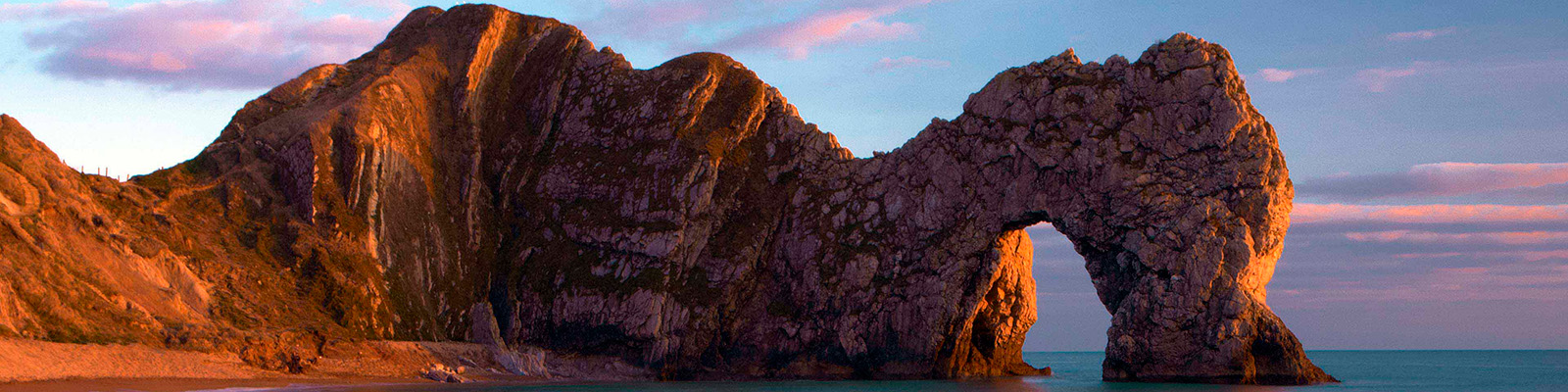
Dorset is made up of rugged coastlines, high chalk downlands and a chain of picturesque villages and seaside towns that make up Britain’s Jurassic Coast, a UNESCO World Heritage Site and Area of Outstanding Natural Beauty, noted for its layers of shale and numerous fossils embedded in the rock. Hidden gems of Dorset can be found down winding, country lanes that lead to snug villages hidden from view.
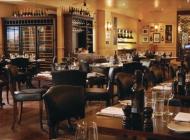
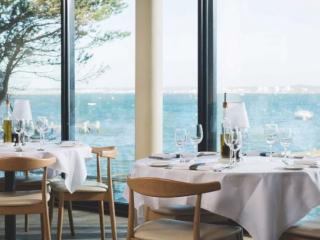
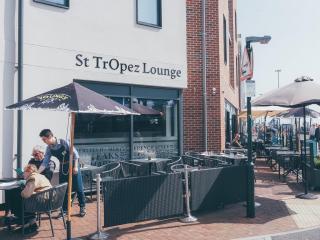
Places to eat nearby View all

Nearby places to stay
View all (8)




Nearby places to stay
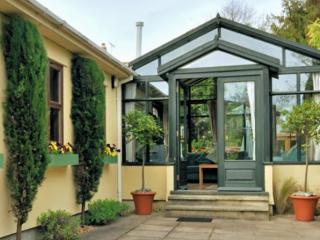
Mimosa Cottage
Mimosa Cottage is a delightful detached bungalow in very good order with spacious living accommodation for eight people. It is comfortably furnished and centrally heated and so is suita...
Mimosa Cottage
Mimosa Cottage is a delightful detached bungalow in very good order with spacious living accommodation for eight people. It is comfortably furnished and centrally heated and so is suita...
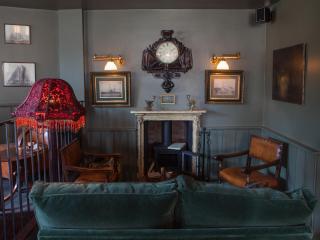
THE PIG-on the beach
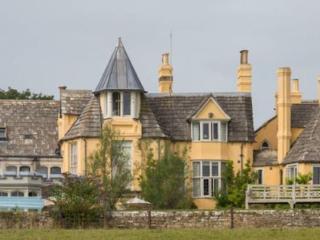
THE PIG on the Beach is a former summer house set in beautiful grounds in a dramatic coastal location. The grounds feature hotel livestock, including pigs and chickens, and there's a wa...
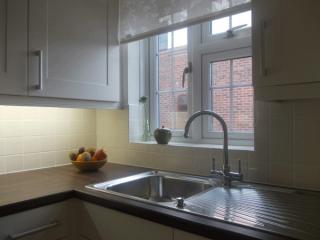
Driftwood and Hideaway Cottage
Driftwood is the latest offering of contemporary holiday living space in Baiter Park (Harbourside) on the edge of Poole Harbour and Poole Quay, Poole Park and the town centre. Benefits ...
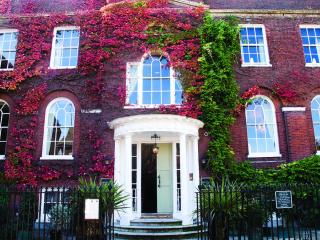
Hotel du Vin Poole
Offering a fresh approach to the well-established company style, Hotel du Vin Poole boasts some delightful rooms packed with comfort and all the expected Hotel du Vin features. Situated...
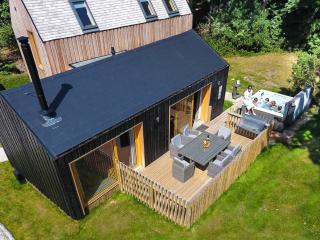
Burnbake Forest Lodges
Burnbake Forest Lodges in Dorset’s beautiful Isle of Purbeck is situated between Corfe Castle and Studland on the Jurassic Coast, a UNESCO World Heritage Site. The luxury lodges provide...
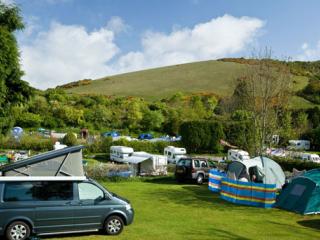
Ulwell Holiday Park
Sitting under the Purbeck Hills and surrounded by scenic walks, this park is only two miles from the beach. It is family-run and caters well for families and couples, and offers a newly...

The Nici
Nici Hotel is a real boutique destination, perched on Bournemouth’s West Cliff, with spectacular sea views, landscaped gardens, an outdoor pool and easy access to miles of award-winning...