Saltfleetby-Theddlethorpe Dunes National Nature Reserve
Recommended by


Overview
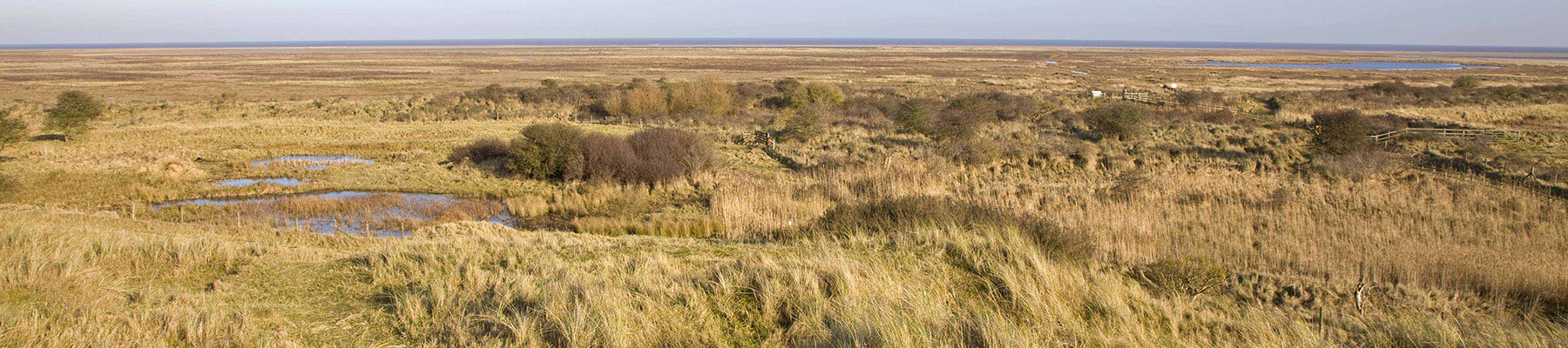
The Saltfleetby-Theddlethorpe Dunes NNR stretches for five miles along the northeast coast of Lincolnshire. Its constantly changing habitats, shaped by the wind and sea, are home to a wealth of plants, birds and insects. Although this wild area is the result of natural processes, it has been influenced over time by Man. The site was purchased by the Air Ministry for use as a bombing range in the 1930s, and the beach was once littered with old vehicles which were used as targets. The site can now be enjoyed all year, although there are some recommended visiting times: May-June for dune flora; May-October for migrant birds, and the winter months for wildfowl. The reserve’s constantly changing habitats include saltmarsh, foreshore and embryonic dunes on the seaward side and the more stable established dunes and marsh on the landward side. Both are home to a wealth of plants, birds and insects.
About the area
Much of the fenland around the Wash has been drained of its marshes and reclaimed as highly productive farmland. Further north, the coastline, with its sandy beaches, has been developed to accommodate the holiday industry, with caravans, campsites and the usual seaside paraphernalia.
Places to eat nearby View all
Nearby places to stay
View all (8)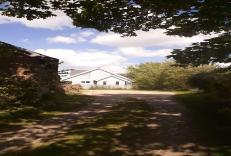



Nearby places to stay
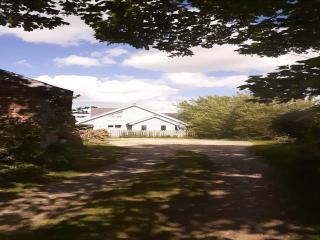
Garden Lodge
Garden Lodge is spacious, comfortable accommodation on the edge of a national nature reserve. With 3 bedrooms (2 with ensuite shower rooms), a large open-plan living area, well-equipped...
Garden Lodge & Dunes Cottage
Dunes Cottage and newly-built Garden Lodge are in the grounds of Roman Bank Farm on the edge of Saltfleetby-Theddlethorpe Nature Reserve, home to the natterjack toad. Neighbouring Donna...
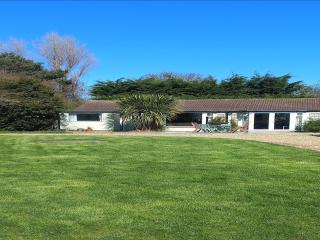
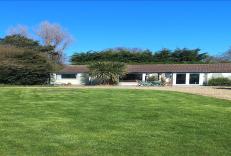
Dunes Cottage
Set in a tranquil location location on the edge of a national nature reserve, Dunes Cottage offers comfortable and spacious accommodation for a relaxing holiday. The large, fully-enclos...
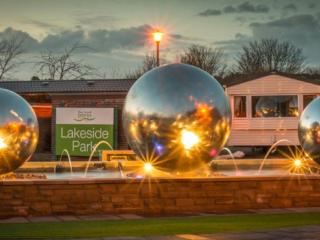
Lakeside Park
Lakeside Park welcomes touring caravans and motorhomes, and is well-known for its 7-acre fishing lake and Tropicana heated pool complex with sauna, solarium and steam room. The Waterfro...
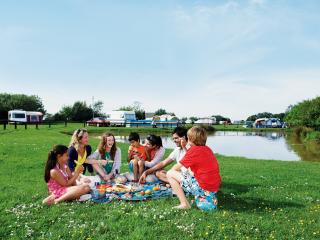
Golden Sands Holiday Park
A large, well-equipped seaside holiday park with many all-weather attractions and eating options, including the stylish Quayside Bar and Restaurant and a Burger King® takeaway outlet. T...
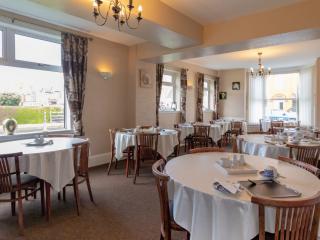
Myrtle Lodge Guest House
Myrtle Lodge Guest House is a conveniently located base for visitors to the seaside resort of Mablethorpe. Family-run with 12 bedrooms including one for families, the guesthouse is a fe...
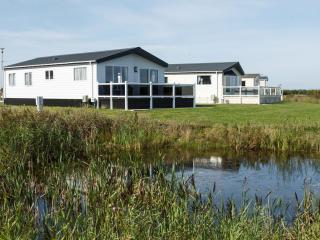
Grange Leisure Park
Whether you’re looking for quiet caravan holidays or a cosy holiday cottage escape near the coast, this is an enviable location close to the beaches of Mablethorpe and Sutton on Sea tha...
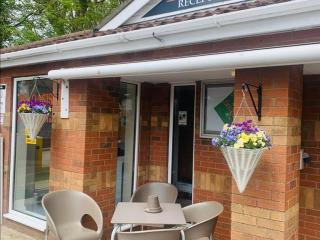
Kirkstead Holiday Park
Kirkstead Holiday Park is a well-established family-run park catering for all age groups. Ideally located just a few minutes' walk from Trusthorpe and the sandy beaches of Mablethorpe. ...