Lindisfarne National Nature Reserve
Recommended by


Overview
Tidal mudflats, saltmarshes and dunes combine to create the Lindisfarne NNR, a place which is home to fascinating plants and to a food supply that attracts bird visitors from thousands of miles away. The reserve includes the dunes of Holy Island itself, which can only be reached at low tide across the causeway. Shifting sands and tides combine to create the 13 square miles of dunes, saltmarsh and mudflats of the reserve. The sands of the dunes are stabilised by marram grass, and support many other plants, including 11 species of orchid. Also present is the Lindisfarne helleborine, which is found only on Holy Island. The abundance of wildflowers provides a valuable food source for moths, butterflies such as dark green fritillary and ringlet, and other insects. In autumn the skies fill will migratory birds escaping the cold Arctic winters. Among them are the light-bellied Brent geese which travel from Svarlbard (Spitsbergen) to feed on the rich mudflats. This is their only regular wintering site in Britain, accommodating an astonishing 40 per cent of the world population.
About the area
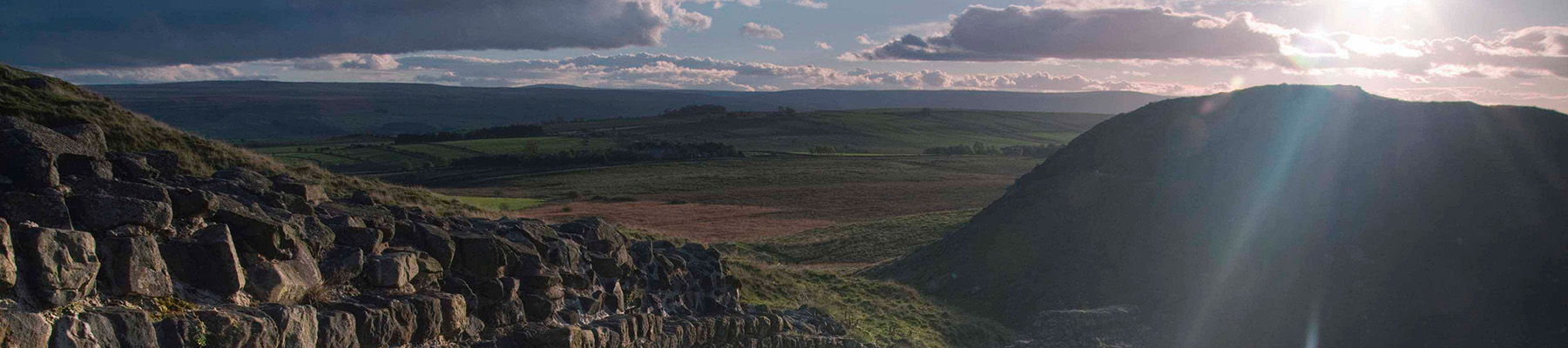
If it’s history you’re after, there’s heaps of it in Northumberland. On Hadrian’s Wall you can imagine scarlet-cloaked Roman legionaries keeping watch for painted Pictish warriors while cursing the English weather and dreaming of home.
Places to eat nearby View all




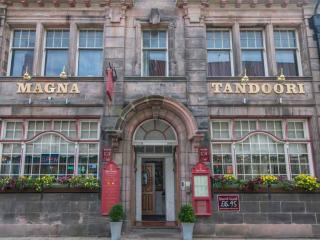
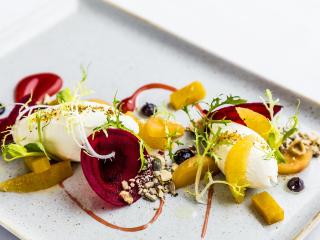

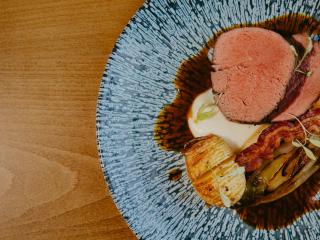
Nearby places to stay
View all (8)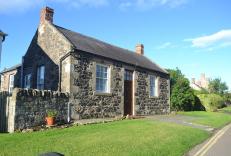

Self-Catering
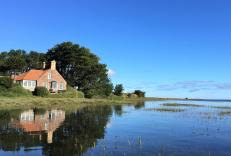
The Mill House at Lindisfarne Bay


- Total units: 1
- Private garden
- Washing machine
- Sky or freeview
Nearby places to stay
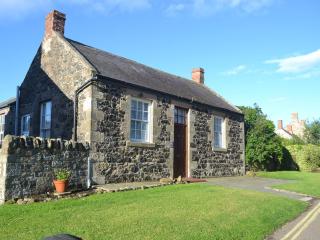
Memnon Cottage
Situated on Lindisfarne (Holy Island) with a large, light and airy living area and an immaculately kept garden, Memnon Cottage is a perfect base for a relaxed exploration of this beauti...
Memnon Cottage
Situated on Lindisfarne (Holy Island) with a large, light and airy living area and an immaculately kept garden, Memnon Cottage is a perfect base for a relaxed exploration of this beauti...
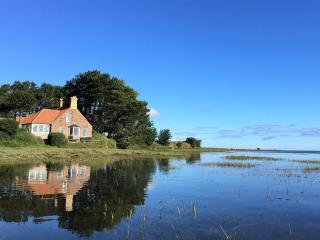
The Mill House at Lindisfarne Bay
Lovers of British history will find Mill House the perfect spot for a visit to Holy Island and Lindisfarne Castle. Set at the water’s edge in the Lindisfarne National Nature Reserve, a ...
The Mill House
Lovers of British history will find Mill House the perfect spot for a visit to Holy Island and Lindisfarne Castle. Set at the water’s edge in the Lindisfarne National Nature Reserve, a ...
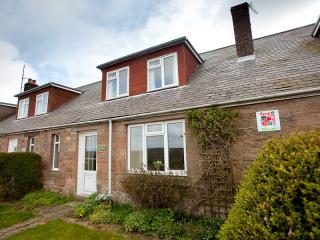
Wagtail Cottage
Awaiting description...
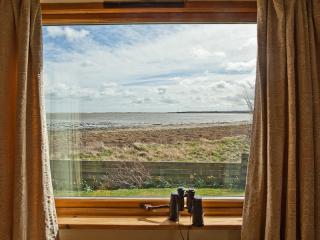
Fenham-le-Moor Farm Cottages
Fenham-le-Moor’s three cottages are on a working farm right on the coast, opposite the island of Lindisfarne and the National Nature Reserve. Each cottage has its own charm, and one was...
The Lookout
Awaiting description...
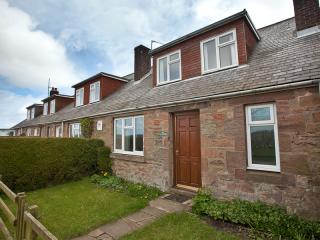
Teal Cottage
Awaiting description...