Hardington Moor National Nature Reserve
Recommended by


Overview
Hardington Moor NNR near Yeovil is made up of three meadows on sloping ground of species-rich grassland,partly on calcareous clay-rich soils and bordered by established hedges. The meadows are home to more than 100 plant species, making the Hardington Moor reserve one of the finest remaining examples of neutral grassland in the whole of England. The nationally scarce French oat-grass is common throughout the reserve, and large numbers of green-winged orchid,corky-fruited water-dropwort and adder’s tongue fern can be found. Among the wealth of other orchids regularly recorded on the reserve are the common spotted, pyramidal, common twayblade, early purple, southern marsh, autumn lady’s tresses and greater butterfly. Butterflies seen on the site include the large skipper, green-veined white, green hairstreak, gatekeeper, common blue and small tortoiseshell. Habitat surveys have identified the presence of long-eared bats, nesting birds, slow worms,badgers and potentially dormice.
About the area
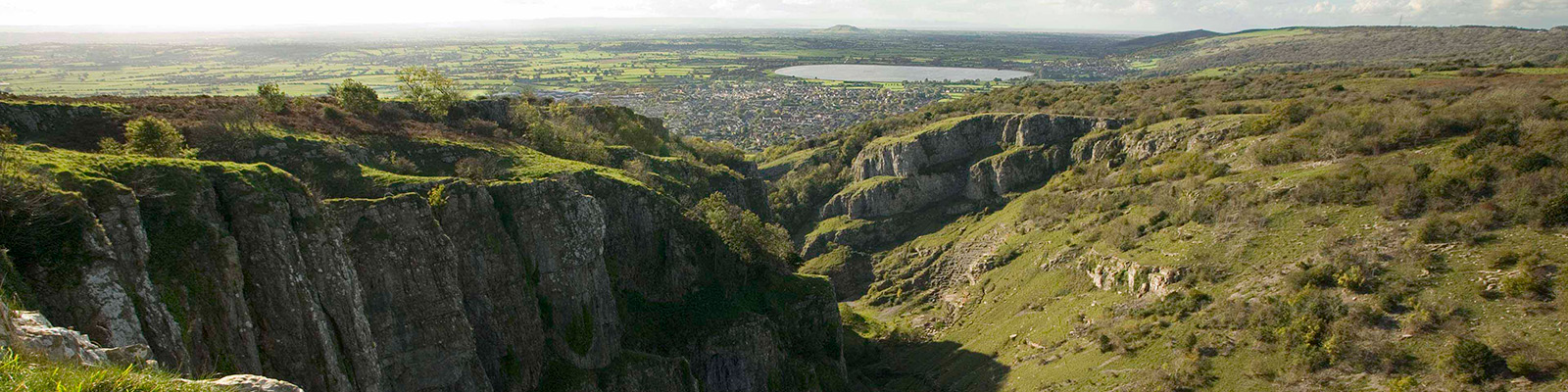
Somerset remains rural and unspoiled, and ever popular areas to visit are the limestone and red sandstone Mendip Hills rising to over 1,000 feet, and by complete contrast, to the south and southwest, the flat landscape of the Somerset Levels. Another popular spot, the Quantocks, once the haunt of poets Coleridge and Wordsworth, are noted for their gentle slopes, heather-covered moorland expanses and red deer.
Places to eat nearby View all
Nearby places to stay
View all (8)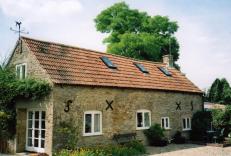




Nearby places to stay
Weavers Cottage
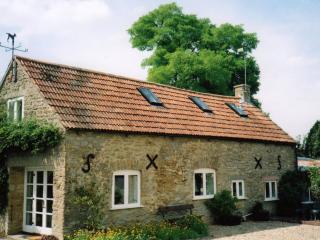
Weavers self-catering cottage is a delightful base from which to explore the beautiful Somerset countryside, visit Market Towns, and the five National Trust properties nearby. This is a...
Weavers Cottage
Weavers self-catering cottage is a delightful base from which to explore the beautiful Somerset countryside, visit Market Towns, and the five National Trust properties nearby. This is a...
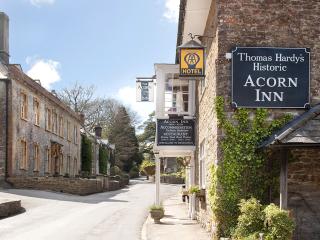
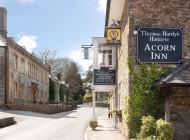
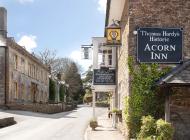
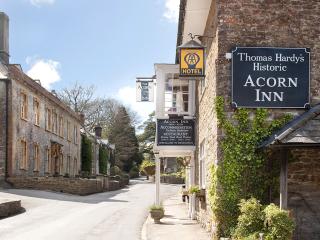
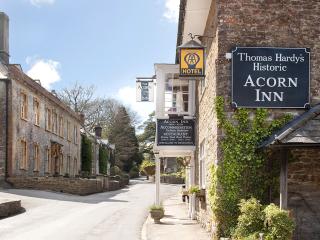
The Acorn Inn
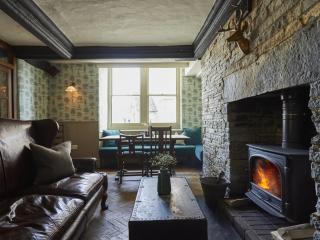
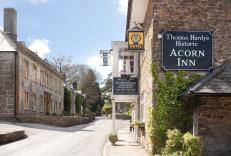
The Acorn Inn, run by the enthusiastic and experienced management team of Natalie and Richard, is a traditional village pub full of life, laughter and good company, with an award-winnin...
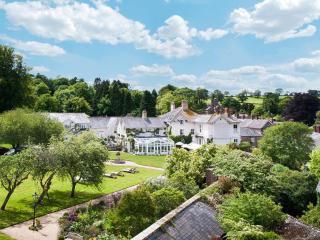
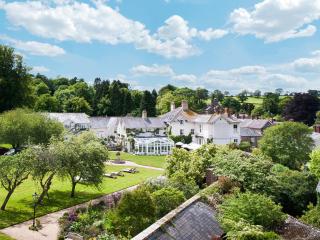
Summer Lodge Country House Hotel, Restaurant & Spa
This picturesque hotel is situated in the heart of Dorset and is the ideal retreat; it's worth arriving in time for the excellent afternoon tea. Bedrooms are appointed to a very high st...
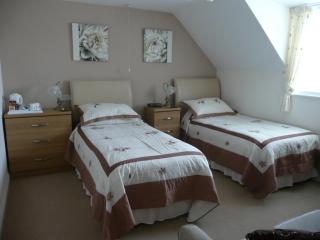
Liongate House
Located in the centre of this pleasant village and a short stroll from a choice of inns and restaurants, Liongate House demonstrates high quality throughout the bedrooms and bathrooms. ...
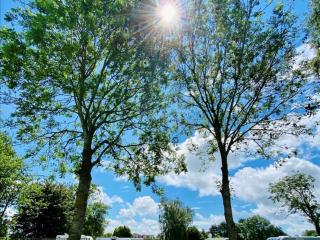
Southfork Caravan Park
A neat, level mainly grass park in a quiet rural area on the Somerset Levels, just outside the pretty village of Martock. Some excellent, spacious hardstandings are available. The facil...
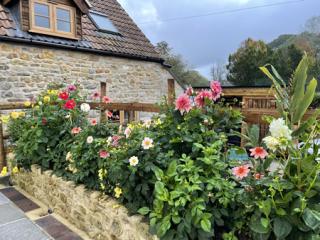
Whatley Cottage and The Boathouse
Oozing character and charm, and steeped in history and heritage, Whatley Cottage is a meticulously restored, rural cottage that has everything you need for a romantic getaway to the glo...
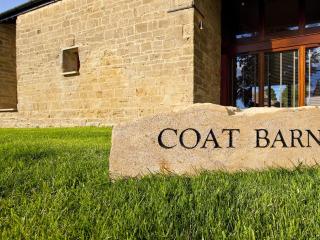
Coat Barn
Sleeping up to 18 and with eight bedrooms, Coat Barn surrounds a grassy courtyard, and is like a little village or neighbourhood to itself. Fill this with your friends and family, and y...