Suffolk Coast National Nature Reserve
Recommended by


Overview
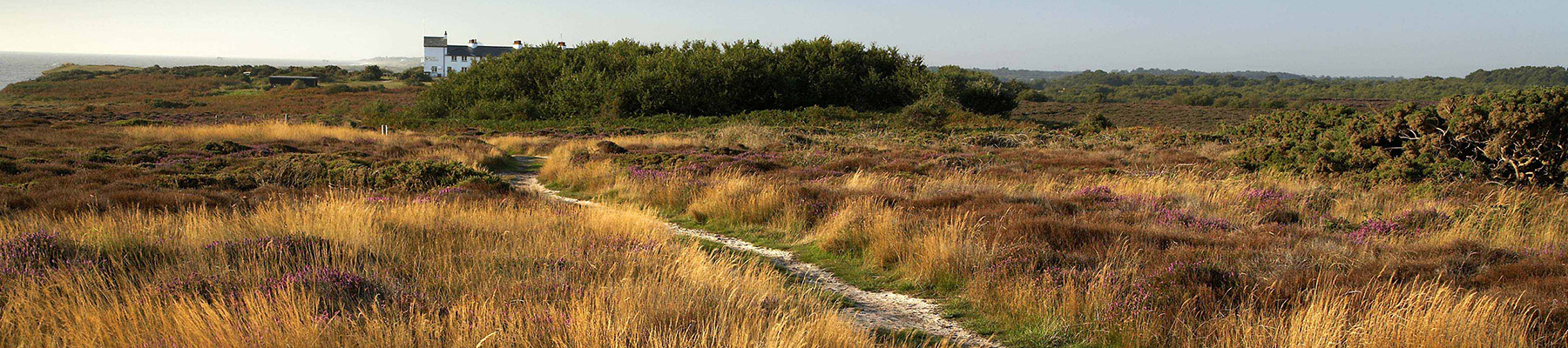
The Suffolk Coast NNR is made up of three nature reserves: Walberswick, Hen Reedbed and Dingle Marshes, and is perhaps best-known for its flocks of over-wintering wildfowl. Some of the most impressive wildlife sights of the winter on the Blythe estuary are the flocks of teal, wigeon and pintail, returning to feed on the intertidal mud and grazing marshes. They are joined by greylags, pink-footed and barnacle geese, and occasionally, mute swans will be joined by small groups of yellow-beaked whooper and Bewick’s swans. Waders include avocet and golden plover, and grey plover from the Arctic tundra. Dunlin and knot rise in clouds alongside oystercatchers, lapwing, redshank and curlew. Over 280 bird species have been recorded. The reserve has a rich beach flora, while the wetlands are home to marsh sower-thistle, bog pimpernel, sneezewort, lousewort, bogbean, frog-bit and greater bladderwort. The heaths are rich in acid-loving species, which include fenugreek, subterranean and suffocated clovers and mossy stonecrop. Resident mammals include otters, water voles and five species of deer, and natterjack toads have been re-introduced to the area.
About the area
Suffolk is Constable country, where the county’s crumbling, time-ravaged coastline spreads itself under wide skies to convey a wonderful sense of remoteness and solitude. Highly evocative and atmospheric, this is where rivers wind lazily to the sea and notorious 18th-century smugglers hid from the excise men.
Places to eat nearby View all


Nearby places to stay
View all (8)





Nearby places to stay
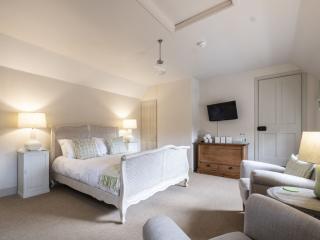
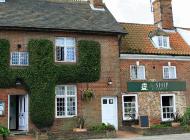
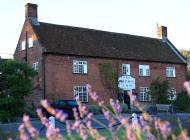
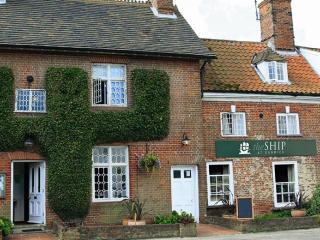
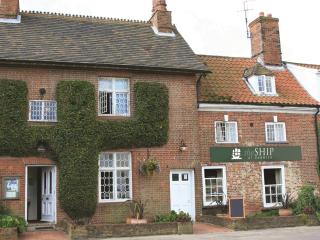
The Ship at Dunwich
The Ship at Dunwich is a delightful inn situated in the heart of a quiet village, surrounded by nature reserves and heathland, and just a short walk from the beach. Public rooms feature...
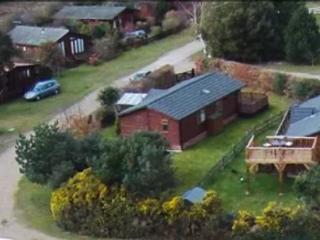
Cliff House Holiday Park
In 30 clifftop acres on the Suffolk Heritage Coast, with direct beach access, Cliff House Holiday Park is surrounded by heathland and woodland. Within easy reach are the RSPB’s Minsmere...
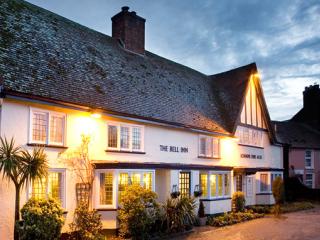
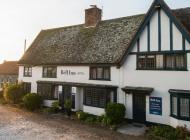
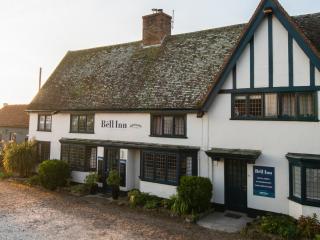
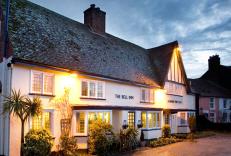
The Bell Inn
The Bell Inn is ideally situated adjacent to the village green, in the heart of Walberswick. Just a short walk from the beach, the property is 600 years old and the public areas retain ...

Castle Keep
Castle Keep is a luxurious, spacious large seaside holiday home in Southwold, Suffolk. Suitable for families or groups looking for accommodation close to the beach. It's dog friendly an...
Castle Keep Cottage
Castle Keep is a luxurious, spacious large seaside holiday home in Southwold, Suffolk. Suitable for families or groups looking for accommodation close to the beach. It's dog friendly an...
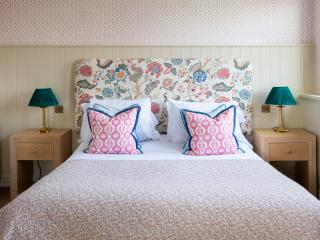
The Crown
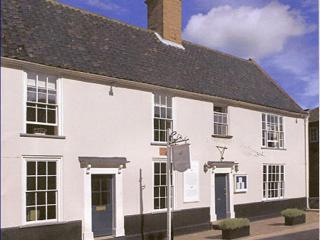
Ideally located in the town centre, on Southwold's bustling high street, The Crown is surrounded by shops and amenities and only a short walk from the beach. The public areas feature an...
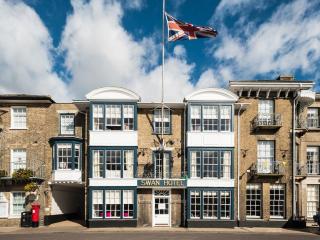
The Swan
The Swan is situated just a short walk from the beach on the main high street amid a range of shops and amenities. Public rooms have a wealth of charm and character, and include a choic...

The Westleton Crown
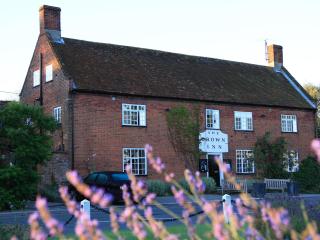
The Westleton Crown is a charming coaching inn on the edge of a quintessential village green – the ideal place for a pint, a weekend break, or supper with family and friends. The landsc...