Tynemouth Priory and Castle
Recommended by


Overview
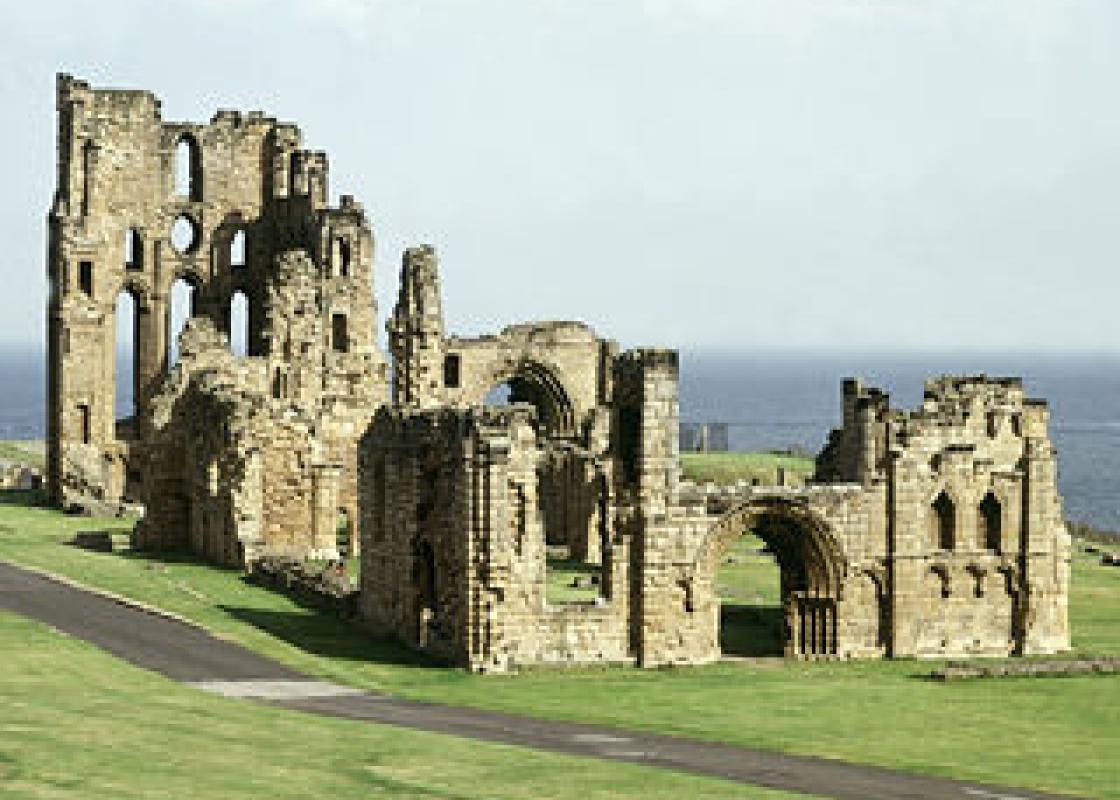
This is one of the very earliest Christian sites in England. It was founded in the early seventh century, and was so revered that two early Anglo-Saxon royal converts – Oswin, king of Deira, who was murdered in AD 651 and Osred, king of Northumbria, who was killed in 792, are buried here. Both died through treachery. It was hard to know who to trust in the many centuries of shifting loyalties as the Dark Ages drew to a close. As the Danes became more of a menace in the late eigth century, the monks of Tynemouth made some attempt at fortifying their home. However, the Danes came again, and after a final raid in ad 875 the priory was destroyed. Even so, the site was a natural stronghold, so in the mid-11th century Tostig Godwinson, Earl of Northumbria, took it as his seat. Tostig died at Stamford Bridge in 1066, fighting his brother Harold for the throne of England. The next few centuries are a bit confused, but by the late 13th century Tynemouth had become a combination of castle and monastery, with battlements commanding the entrance to the river. It went on being a castle long after Henry VIII’s dissolution, and as late as World War II there were coastal defence guns emplaced here. You can see traces of the history of the priory and castle today, from the underground magazines beneath the 20th-century coastal battery to the priory arches and the sturdy remains of medieval walls.
Features
- Opening Times
- Open all year
- Opening Times: Open Apr-Sep, see website for details; Oct, daily 10-5; Nov-11 Feb & 17 Feb-29 Mar, Sat-Sun 10-4; 12-16 Feb, daily 10-4 (last admission 30 minutes before closing). Closed 24-26 Dec and 1 Jan. Gun Battery access limited, please ask site staf
- Facilities
- Parking nearby
About the area
The metropolitan county of Tyne and Wear encompasses Newcastle-upon-Tyne, Gateshead, South Shields and Sunderland, as well as part of Hadrian’s Wall. The county is cut through by the two rivers after which it is named.

Places to eat nearby View all







Nearby places to stay
View all (8)




Nearby places to stay
Seafront Apartments
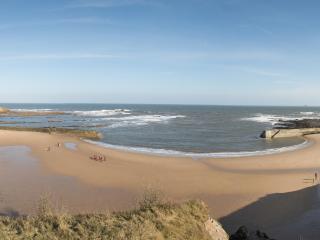
4-star self-catering apartments, with spectacular views over Cullercoats Bay – admire the stunning sunrises. Just 3 minutes walk to Metro trains to Newcastle, food shops, cafes, restaur...
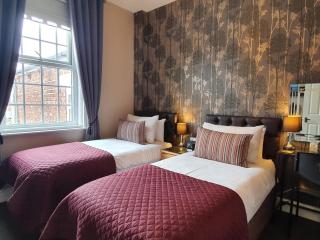
Beechwood Guest House
Beechwood Guest House is convenient for Arbeia Roman Fort, the town centre, parks and beaches, transport links to Newcastle, Newcastle International Airport, Gateshead Metro Centre, Sun...
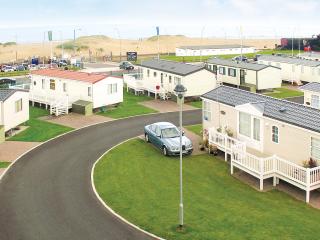
Sandhaven Holiday Park
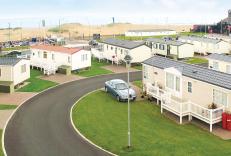
With direct access to Blue Flag sandy beaches, Sandhaven Holiday Park offers scope for plenty of seaside fun. South Shields, where the River Tyne meets the North Sea, and the Ocean Beac...
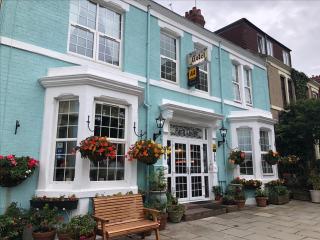
Park Lodge
Park Lodge Guest House is set on a leafy avenue overlooking the park and just minutes from the town centre and coastline, you can expect a friendly atmosphere at this Victorian house. B...
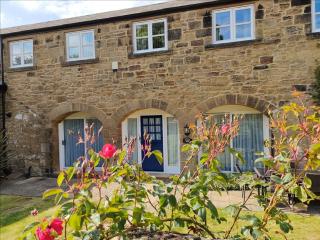
Haselor House
Traditional Northumbrian stone arches grace this fine house. Haselor House is light and airy with high beamed ceilings, exposed stone walls and an enclosed garden. Guests can enjoy a pe...
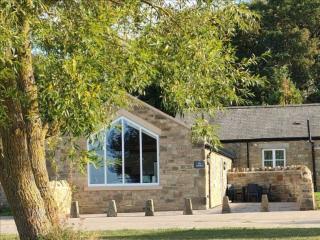
The Cartshed
The Cartshed is a brand new cottage, perfect for two. Built with accessibility in mind, it has a tranquil open plan living space with magnificent feature window and modern wet room, per...
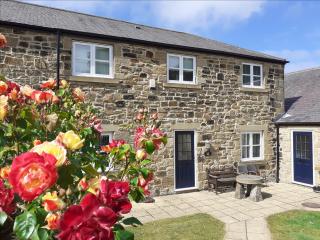
Chaff House
As a grain-producing farm, this is where the wheat was separated from the chaff, but there is no hint of this now in the light and spacious barn conversion. Chaff House is a home from h...
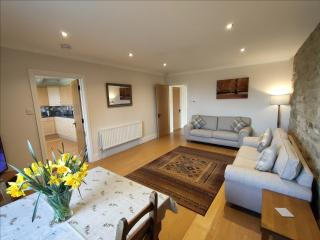
Maltpool Cottage
Maltpool Cottage is a spacious barn conversion and named after a nearby field. With fine north-facing views, it offers a peaceful and relaxing place to stay. The cottage features a larg...