Drimnagh Castle
Recommended by


Overview
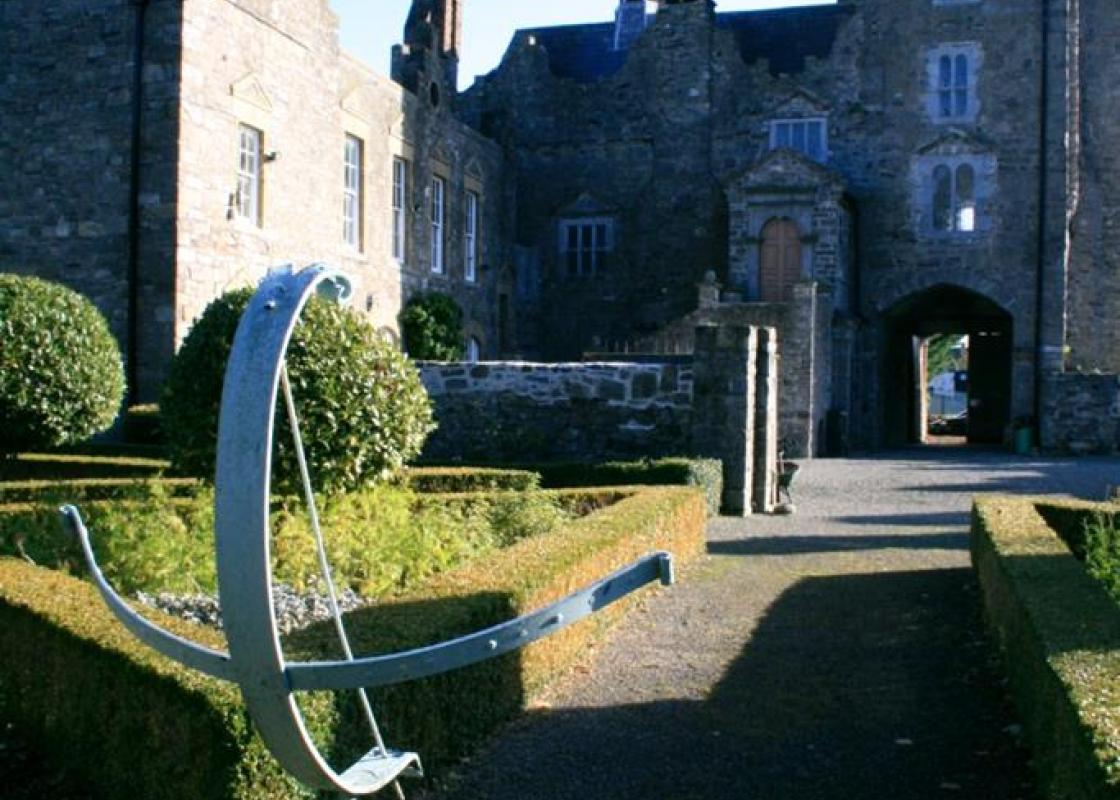
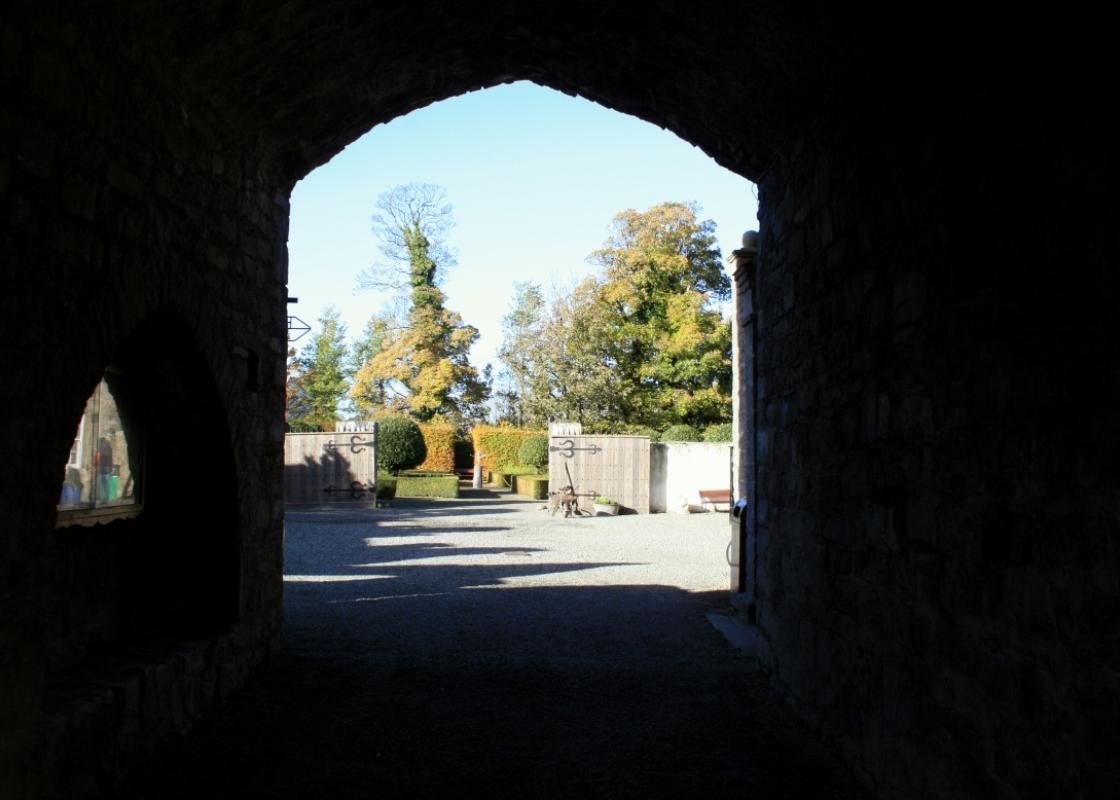
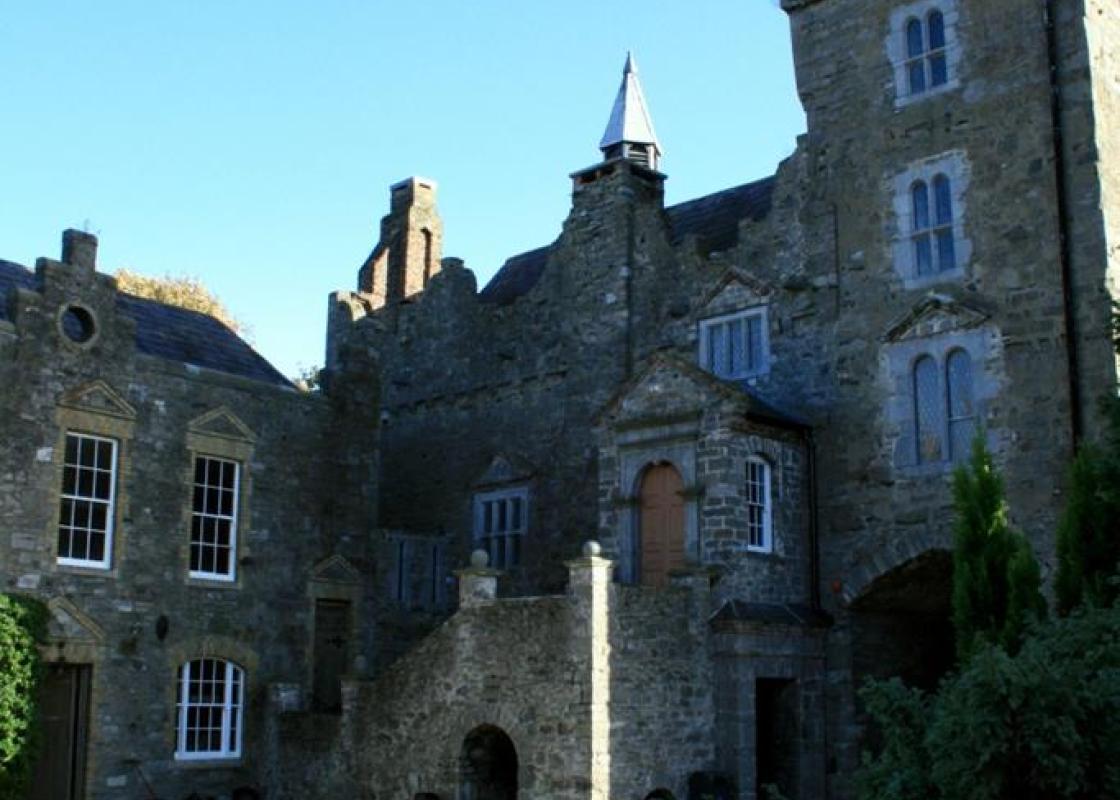
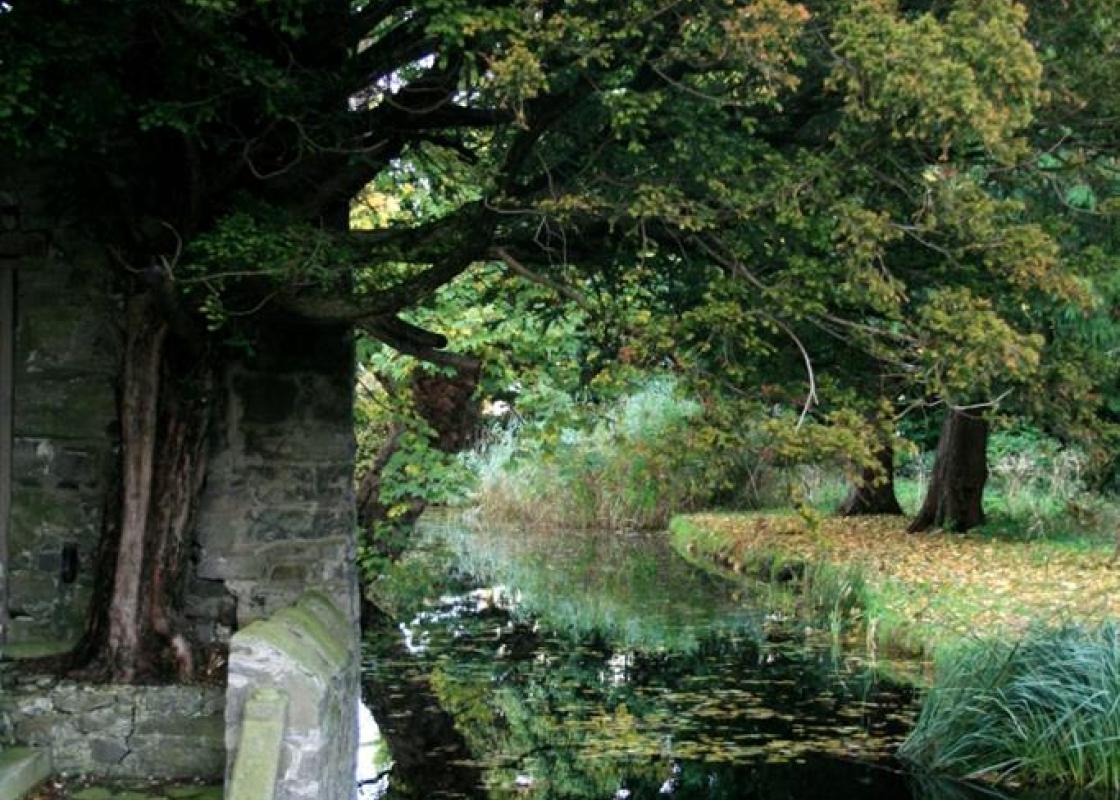
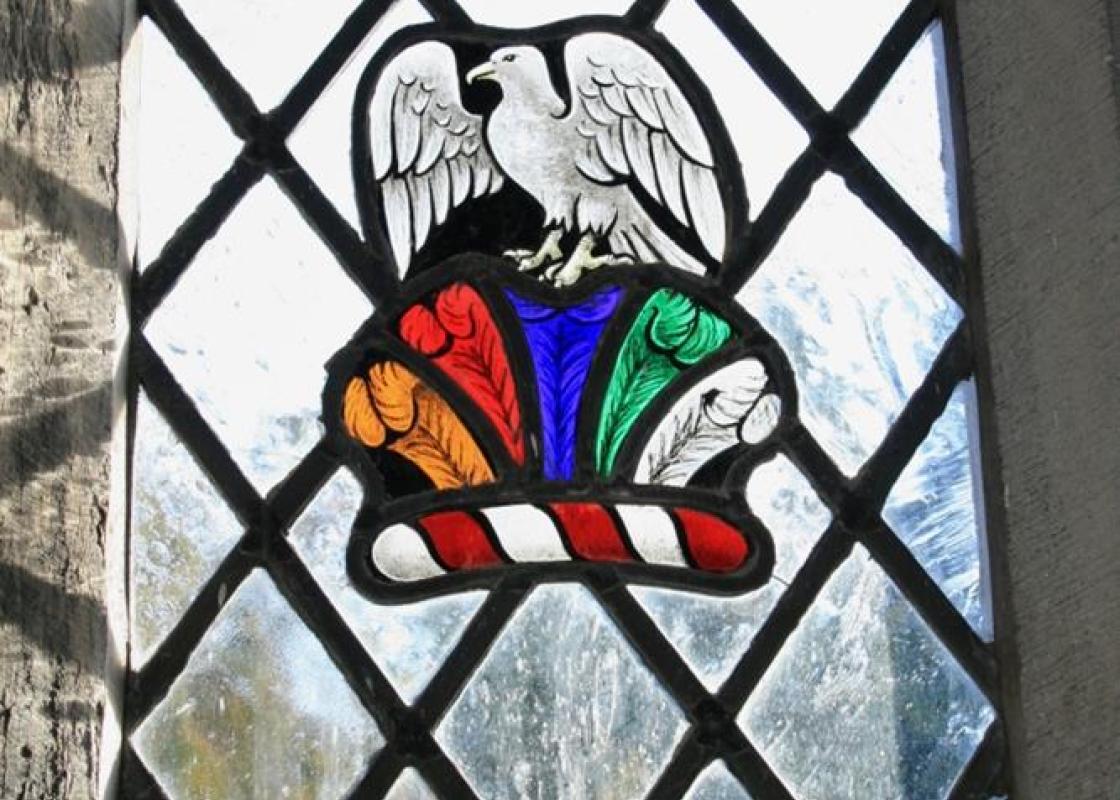
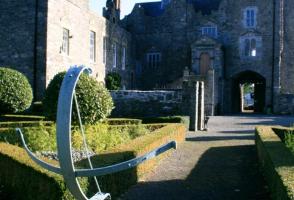
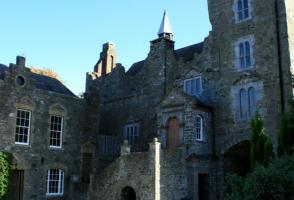
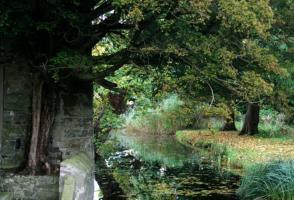
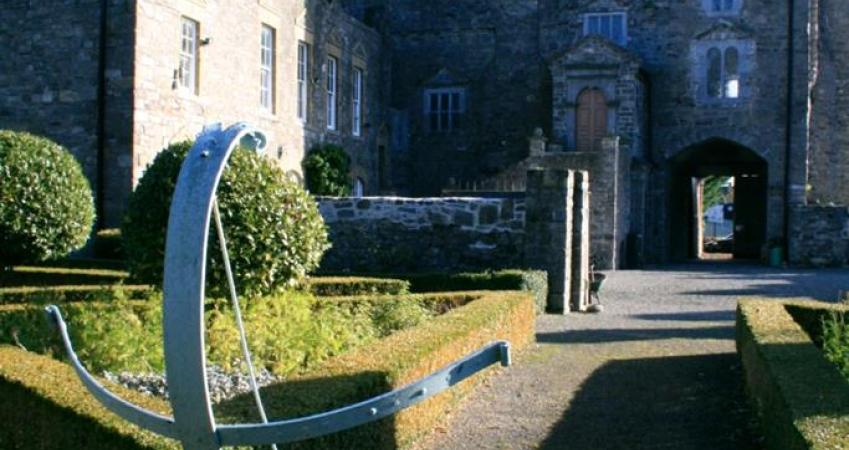
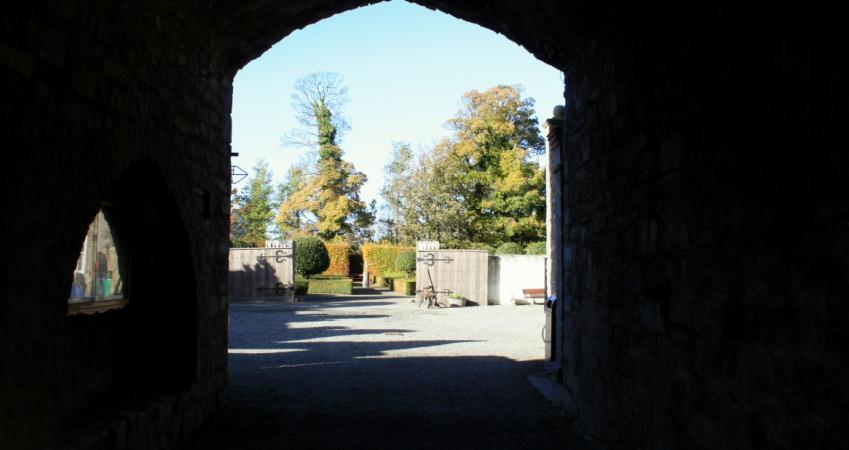
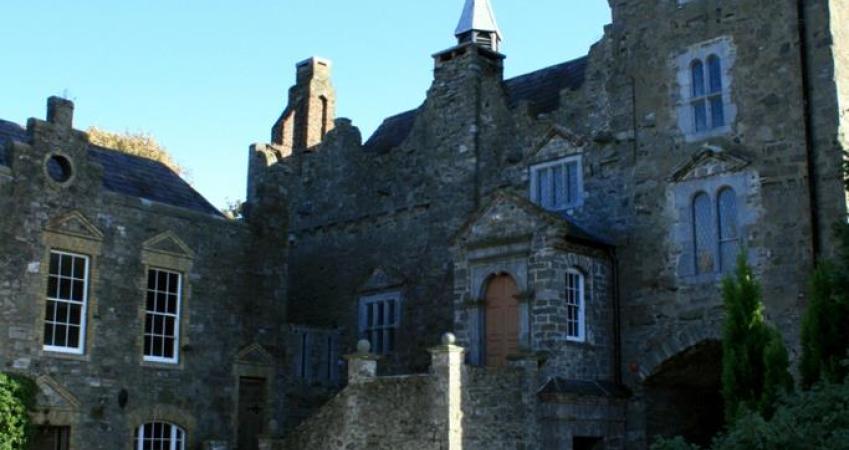
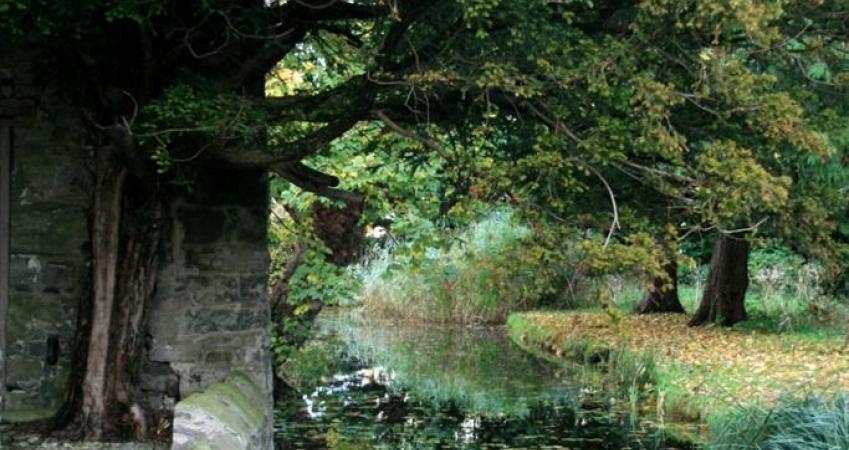
The last surviving medieval castle in Ireland with a flooded moat, Drimnagh dates back to the 13th century and was inhabited until 1954. The castle consists of a restored Great Hall and medieval Undercroft, a tall battlement tower and lookout posts, other separate buildings include stables, an old coach house and a folly. One of the most attractive features is the garden, a formal 17th-century layout with box hedges, yews and mop heads.
Features
- Opening Times
- Open all year
- Opening Times: Open all year, Mon-Thur 9-4, Fri 9-1. Other times by appointment only. May close for private functions - please phone to check
- Facilities
- Parking onsite
- Parking nearby
About the area
It is often visited on a weekend trip, but rushing around is not the best way to experience Dublin. When Ireland joined the European Union, an economic boom began that flourished in the ‘Celtic Tiger’ years of the 1990s – fashion, the arts, food and Irish culture all blossomed, turning Dublin into one of the world’s hottest city destinations.
Nearby places to stay
View all (3)
Hotel
The Shelbourne
- Family rooms: 0

Hotel
The Morrison Dublin, Curio Collection by Hilton
- En-suite rooms:
- Family rooms:
Nearby places to stay
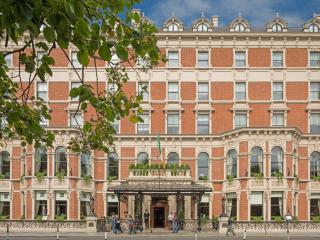
The Shelbourne
This Dublin landmark exudes elegance and a real sense of history, having been established in 1824. The public areas are spacious and offer a range of dining and bar options. There is a ...
The Morrison Dublin, Curio Collection by Hilton
Awaiting description....
Silken Thomas Accommodation
Awaiting description....