Cadair Idris National Nature Reserve
Recommended by


Overview
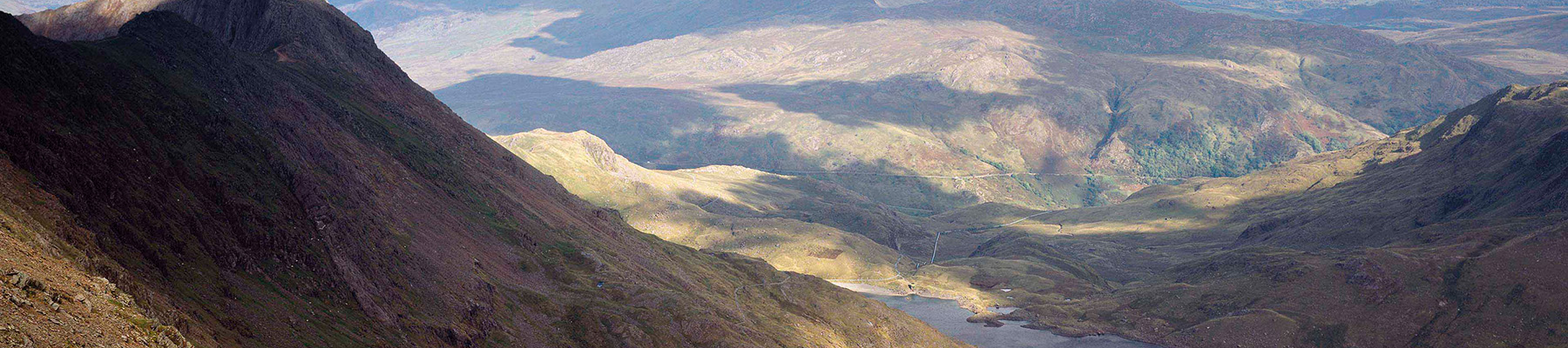
The 2,930ft (893m) mountain of Cadair Idris has classic glacial erosion features, such as moraines and cwms, which are reminders of the retreat of glaciers at the end of the last Ice Age. Wildlife habitats in the Cadair Idris NNR include semi-natural woodland, blanket bog, dry heath and craggy high mountain pastures. The tree canopy in the woodland areas is home to summer migrant pied flycatchers, spotted flycatchers, redstarts and wood warblers. Ferns also grow among the rocks and lichens on the trees, and dead trees left in the woodland provide homes for insects and fungi. On the areas of blanket bog, mosses, the carnivorous sundew and butterwort grow, while on the dry heath various heathers and bilberry are found. Higher up in the mountain crags, arctic-alpine plants such as alpine saw-wort, moss campion and parsley fern grow in the more inaccessible places. More familiar plants such as Welsh poppy and thrift grow here too, plus starry saxifrage, green spleenwort, lemon-scented fern and fir clubmoss. Mountain birds found on the reserve include peregrine falcons, choughs and ring ouzels.
About the area
The county of Gwynedd is home to most of the Snowdonia National Park – including the wettest spot in Britain, an arête running up to Snowdon’s summit that receives an average annual rainfall of 4,473mm. With its mighty peaks, rivers and strong Welsh heritage (it has the highest proportion of Welsh-speakers in all of Wales), it’s always been an extremely popular place to visit and live.
Places to eat nearby View all
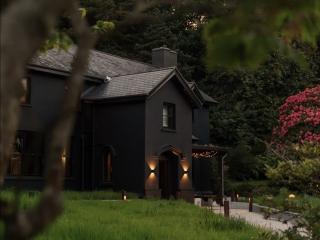
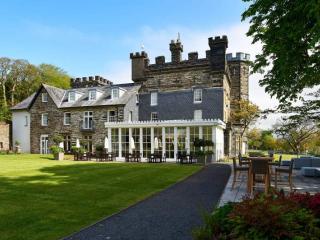
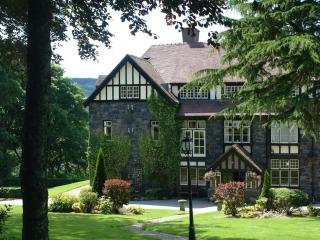
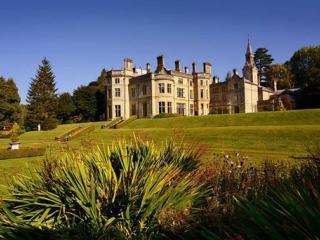
Nearby places to stay
View all (8)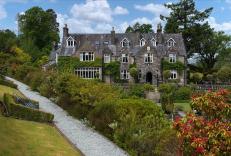





Nearby places to stay
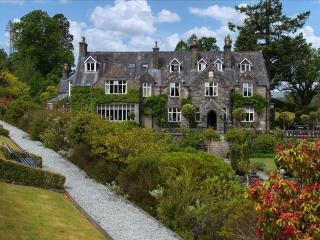
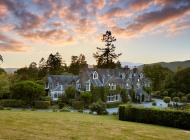
Penmaenuchaf Dolgellau
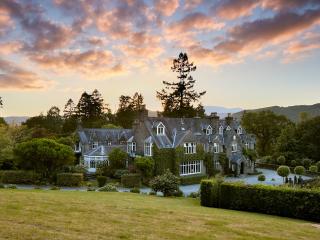
Set under the imposing Cadair Idris and overlooking the Mawddach estuary, Penmaenuchaf is a comfortable retreat enjoying peace, fantastic views and dark skies. The house has long been w...
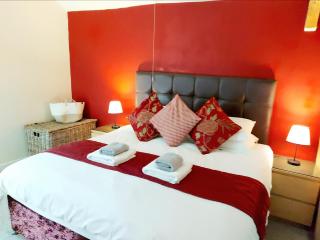
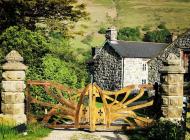
Dolgun Uchaf Bed & Breakfast
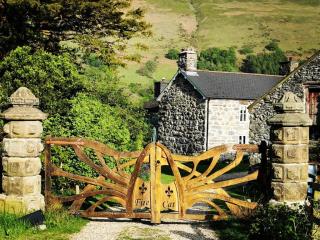
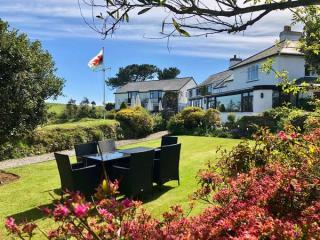
Dolgun Uchaf Bed & Breakfast is located in a peaceful area with stunning views of the surrounding countryside. This 500-year-old property was a rich history including a time as a Quaker...
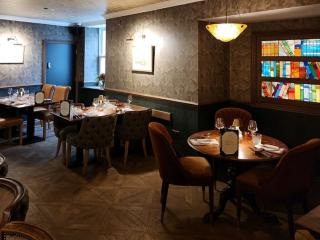
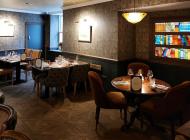
The Fanny Talbot
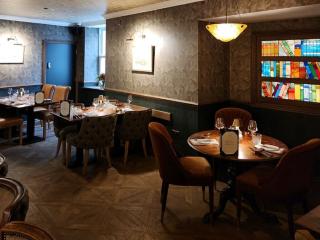
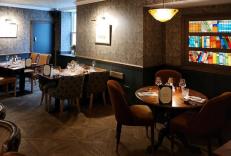
First impressions at the Fanny Talbot might suggest a mere seaside resort pub, but this recently launched dining venue offers fabulous interiors, plenty of comfort and a gastro dining r...
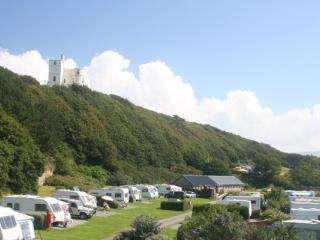
Hendre Mynach Touring Caravan & Camping Park
A constantly improving site where the enthusiastic owners invest year on year to enhance the customer experience. Although there is a steep decent to the arrivals' area, staff are alway...
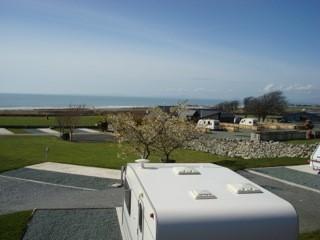
Trawsdir Touring Caravans & Camping Park
Well run by the owners, this quality park enjoys spectacular views to the sea and hills, and is very accessible for motor traffic. The facilities are appointed to a very high standard, ...
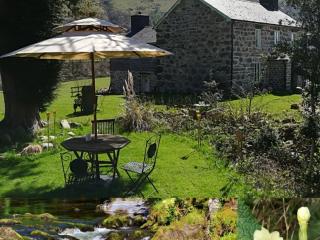
The Firecat Country House
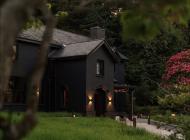
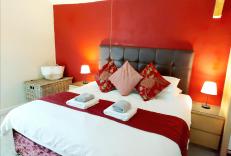
The Firecat Country House is set in the southern part of Snowdonia National Park. The house dates back to the 15th century and offers three luxury en suite bedrooms appointed with perio...
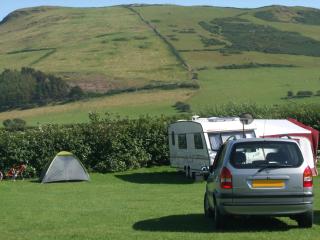
Ynysymaengwyn Caravan Park
A lovely park set in the wooded grounds of a former manor house, with designated nature trails through 13 acres of wildlife-rich woodland, scenic river walks, fishing and a sandy beach ...
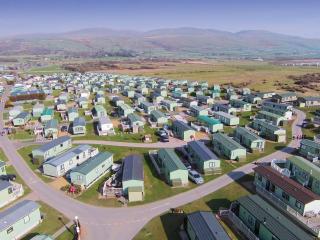
Islawrffordd Caravan Park
Situated on the coast between Barmouth and Harlech and within the Snowdonia National Park, this site has clear views of Cardigan Bay, the Llŷn Peninsula and the Snowdonia and Cader Idri...