Morfa Dyffryn National Nature Reserve
Recommended by


Overview
The extensive sand dune slacks of the Morfa Dyffryn NNR near Dyffryn Ardudwy are famous for their variety of wildlife. In spring and early summer the slacks are home to a dazzling array of wildflowers including orchids such as marsh helleborine, northern marsh and early marsh orchids. There are also colonies of the scarce green-flowered helleborine. The dunes also support significant populations of breeding birds, including whitethroat, skylark, wheatear and sedge warbler. Lapwings nest on the saltmarsh, while other rare bird species include chough and hen harrier, which roost in the small area of reed swamp. Among the passage wading birds that use the beach and estuary are sanderling, turnstone and ringed plover. Mammals include the brown hare, while the many creeks, swamps and ponds are home to water voles and otters. Great crested newts are found in the ponds on the adjacent Llanbedr Airfield. Fifteen invertebrate species that are nationally rare or scarce in the UK have been recorded here, including 36 butterfly species, such as the small copper, peacock, marsh fritillary and gatekeeper.
About the area
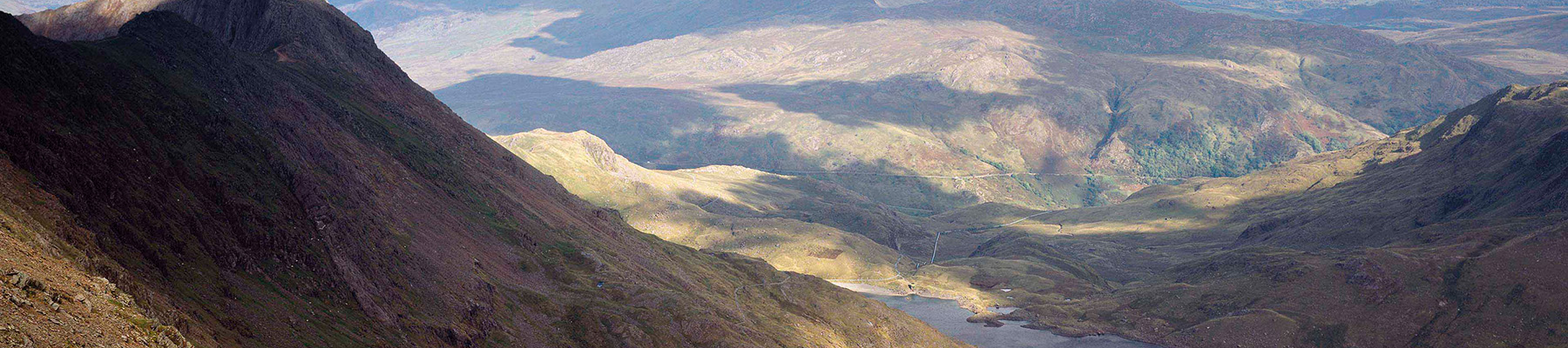
The county of Gwynedd is home to most of the Snowdonia National Park – including the wettest spot in Britain, an arête running up to Snowdon’s summit that receives an average annual rainfall of 4,473mm. With its mighty peaks, rivers and strong Welsh heritage (it has the highest proportion of Welsh-speakers in all of Wales), it’s always been an extremely popular place to visit and live.
Places to eat nearby View all
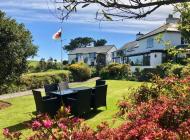
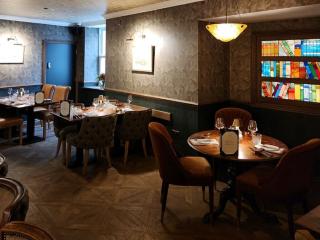
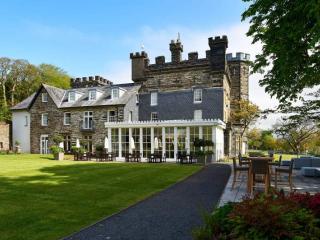
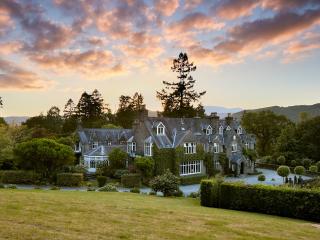
Nearby places to stay
View all (8)



Nearby places to stay
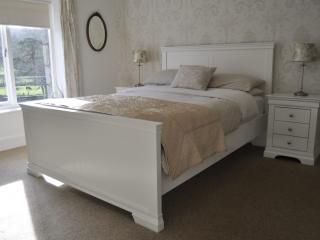
Ty Mawr Hotel
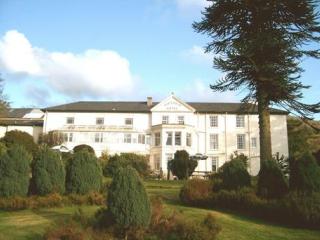
Ty Mawr translates as 'Big House' and this particular house is located in the picturesque Snowdonia National Park. The attractive grounds, opposite the River Artro, provide a popular be...
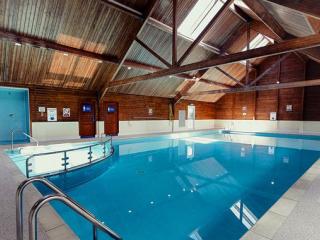
Barmouth Bay Holiday Park
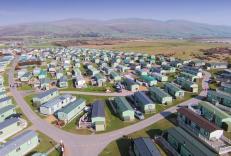
With a mountain backdrop and direct access to miles of sandy beaches, Barmouth Bay Holiday Park is an ideal location for escaping from the pressures of everyday life. Holiday homes are ...
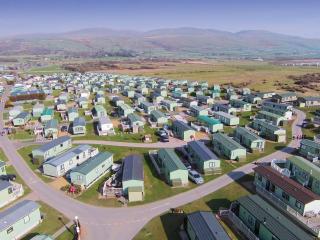
Islawrffordd Caravan Park
Situated on the coast between Barmouth and Harlech and within the Snowdonia National Park, this site has clear views of Cardigan Bay, the Llŷn Peninsula and the Snowdonia and Cader Idri...
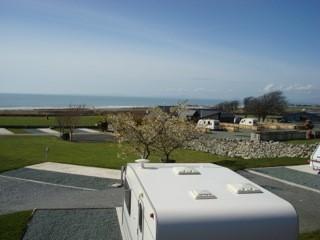
Trawsdir Touring Caravans & Camping Park
Well run by the owners, this quality park enjoys spectacular views to the sea and hills, and is very accessible for motor traffic. The facilities are appointed to a very high standard, ...
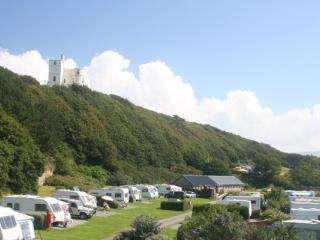
Hendre Mynach Touring Caravan & Camping Park
A constantly improving site where the enthusiastic owners invest year on year to enhance the customer experience. Although there is a steep decent to the arrivals' area, staff are alway...
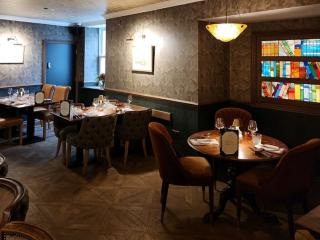
The Fanny Talbot
First impressions at the Fanny Talbot might suggest a mere seaside resort pub, but this recently launched dining venue offers fabulous interiors, plenty of comfort and a gastro dining r...
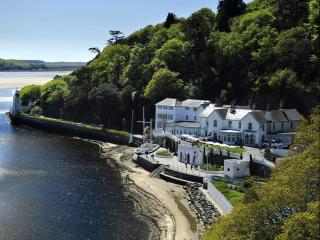
The Hotel Portmeirion
An elegant hotel enjoying pride of place shore-side beneath the wooded slopes of Portmeirion village, overlooking the sandy estuary. Saved from dereliction in the 1920s by Clough Willia...
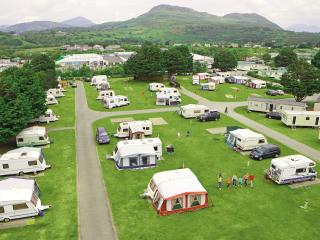
Greenacres Holiday Park
A quality holiday park on level ground just a short walk from Black Rock Sands, and set against a backdrop of Snowdonia National Park. All touring pitches are on hardstandings surrounde...