Cwm Idwal National Nature Reserve
Recommended by


Overview
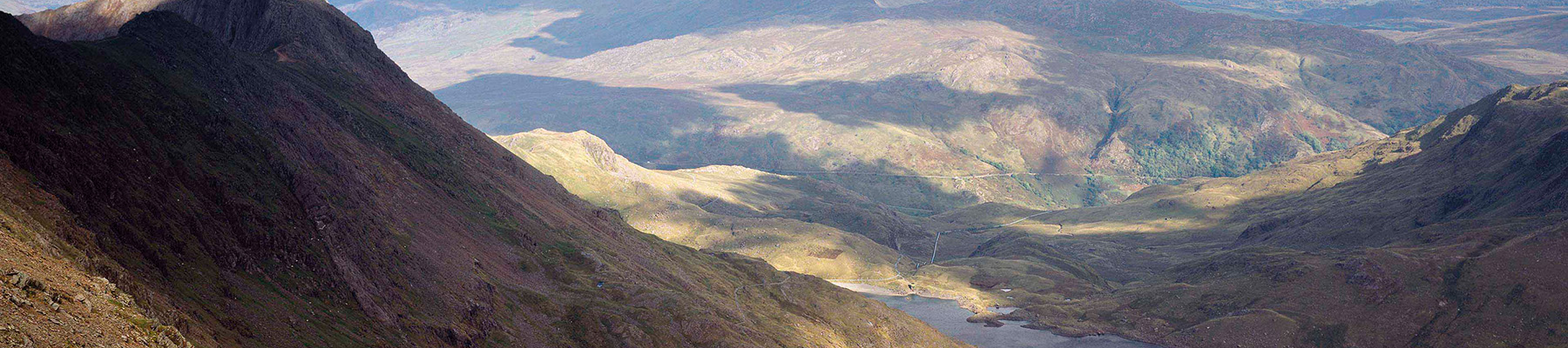
Cwm Idwal was the first National Nature Reserve to be created in Wales in 1954, and is one of the finest places to see how glacial processes have shaped the Snowdonia landscape. The slopes of the magnificent amphitheatre (or cwm) are home to rare arctic-alpine plants at the southern extremities of their range in Britain. These include purple saxifrage, starry saxifrage, moss campion, Welsh poppy, globe flower and the rare Snowdon lily. On the screes parsley fern grows, while on the ridges tough plants like dwarf willow and stiff sedge survive in the harsh, exposed conditions. A variety of butterflies and moths, including the marsh fritillary and the netted carpet moth, are found, and Cwm Idwal and Snowdonia also has its own beetle – the Snowdon or rainbow leaf beetle. Upland birds in spring include wheatear and ring ouzel, while the raven, chough and peregrine falcon frequent the crags throughout the year. Mammals include brown hare, fallow deer, badgers, foxes, and the elusive pine marten and polecat, and there are several well-established herds of feral goats.
About the area
The county of Gwynedd is home to most of the Snowdonia National Park – including the wettest spot in Britain, an arête running up to Snowdon’s summit that receives an average annual rainfall of 4,473mm. With its mighty peaks, rivers and strong Welsh heritage (it has the highest proportion of Welsh-speakers in all of Wales), it’s always been an extremely popular place to visit and live.
Places to eat nearby View all



Nearby places to stay
View all (8)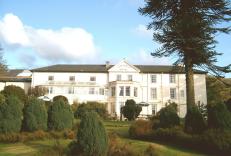



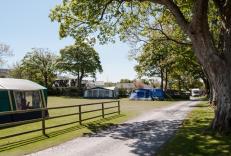
Caravan & Camping
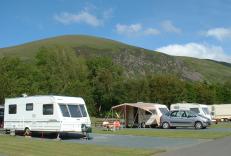
Llys Derwen Caravan & Camping Site

- Launderette
- Ice pack facility
- BBQ
- Battery Charging
Nearby places to stay
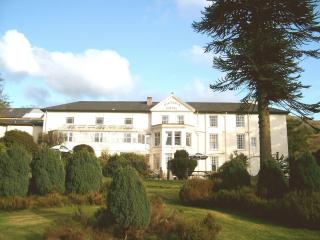
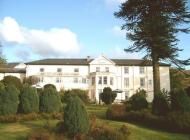
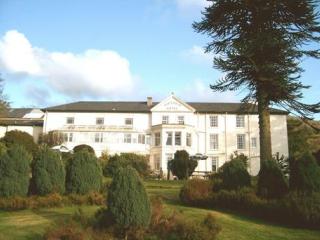
The Royal Victoria Hotel Snowdonia
The Royal Victoria Hotel Snowdonia is a well-established hotel near the foot of Snowdon, between the Peris and Padarn lakes. The mountains and extensive grounds make an attractive backd...
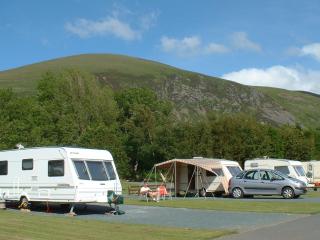
Bryn Gloch Caravan & Camping Park
Set beside the River Gwyrfai, Bryn Gloch offers shepherd's huts, static caravans and touring pitches in the heart of beautiful Snowdonia (Eryri). The park offers the best of two worlds,...
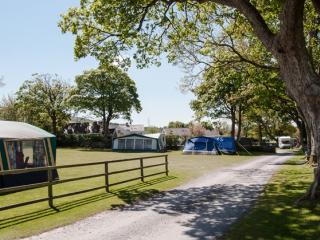
Llys Derwen Caravan & Camping Site
Enjoy the adventure of a lifetime in Snowdonia North Wales. Nestled in the scenic embrace of Mount Snowdon (Yr Wyddfa), the award winning Llys Derwen Caravan & Campsite Snowdon is an id...
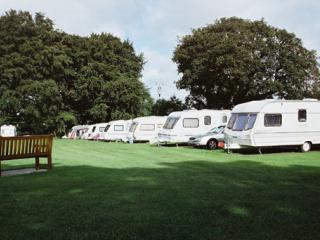
Plas Gwyn Caravan & Camping Park
A secluded park in an ideal location for visiting the glorious nearby beaches, historic Caernarfon, the attractions of Snowdonia and for walking opportunities. The site is set within th...
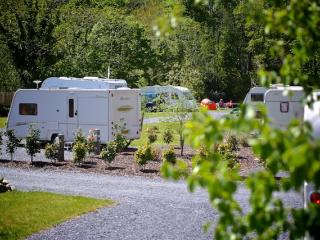
Riverside Camping
Set in the grounds of a former garden centre and enjoying a superb location along the River Seiont, Riverside Camping is approached by an impressive tree-lined drive. Immaculately maint...
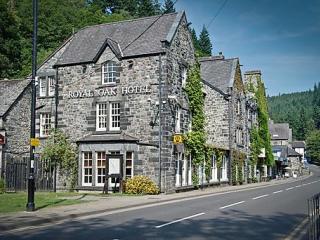
Royal Oak Hotel
Centrally situated in the village, the Royal Oak is an elegant, privately owned hotel that started life as a coaching inn and provides very comfortable bedrooms with smart, modern en su...
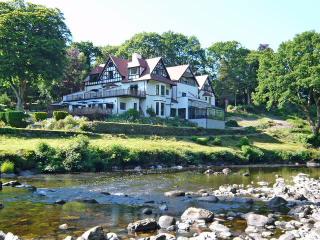
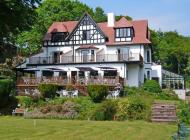
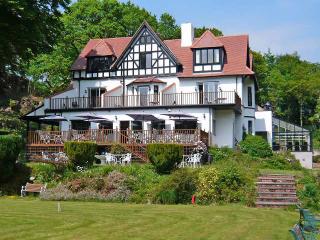
Craig-y-Dderwen Riverside Hotel
Craig-y-Dderwen Riverside Hotel is Victorian country house hotel in well-maintained grounds alongside the River Conwy, at the end of a tree-lined drive. Views down the river can be enjo...
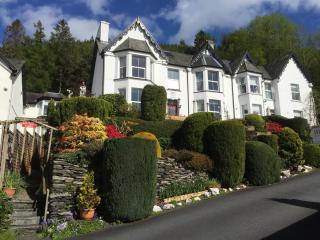
Bryn Bella Guest House
Located in an elevated position on the outskirts of the village, with stunning views of the surrounding countryside, this elegant Victorian house provides a range of thoughtfully equipp...