Bryn Celli Ddu Burial Chamber
Recommended by


Overview
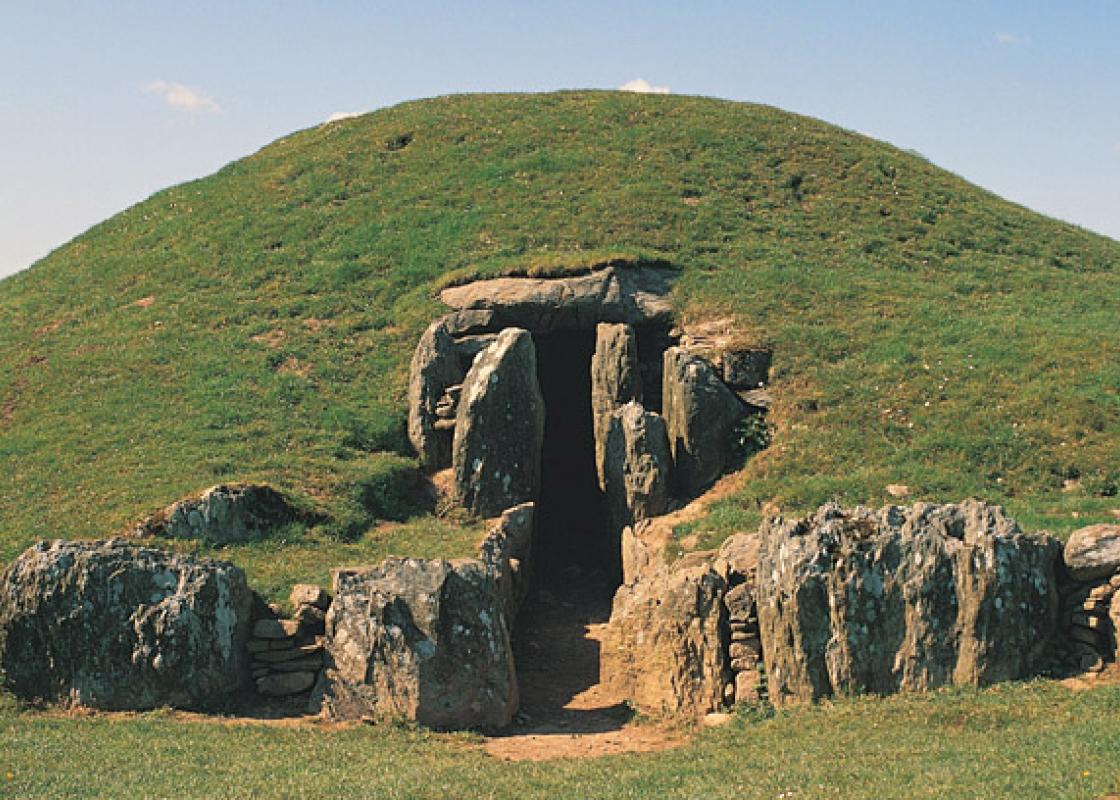
The name of his historic site means ‘the mound in the dark grove’. It was plundered in 1699 and excavated by archaeologists between 1928 and 1929. During the neolithic period a stone circle and henge stood at the site. An area of burnt material containing a small human bone from the ear, covered with a flat stone, was recovered. The stones were removed in the early Bronze Age when an archetypal passage grave was built over the top of the centre of the henge. A carved stone with a twisting, serpentine design stood in the burial chamber. It has since been moved to the National Museum of Wales in Cardiff and replaced with a replica standing outside. An earth barrow covering the grave is a 20th-century restoration; the original was probably much bigger and believed to have been built to mark the summer solstice. Photo credit: © Crown copyright (2015) Cadw
Features
- Opening Times
- Open all year
- Opening Times: Open all year, daily 10-4 (last admission 3.30). Closed 24-26 Dec & 1 Jan
- Facilities
- Parking onsite
About the area
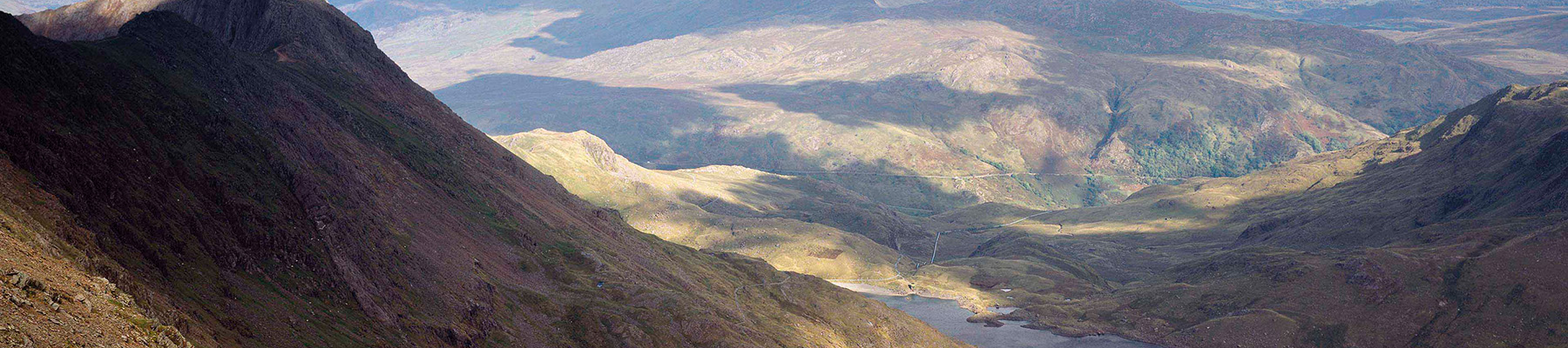
Some of the oldest rocks in Britain form the 125-mile coastline of the 85 square mile Anglesey Area of Outstanding Natural Beauty, which includes Holy Island with its busy port of Holyhead, the terminus for the Dublin ferry. The terrain inland is mainly a fertile plateau worn flat by the action of the sea, with low ridges and shallow valleys, while the sheer limestone cliffs of the east coast and on the north coast at Holyhead Mountain represent some of the most spectacular sea cliffs in Britain.
Places to eat nearby View all




Nearby places to stay
View all (8)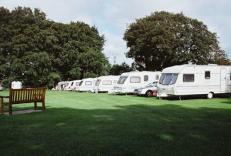




Nearby places to stay
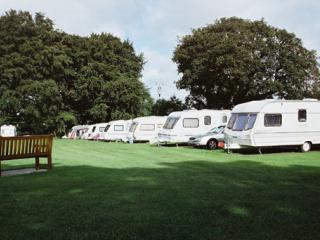
Plas Gwyn Caravan & Camping Park
A secluded park in an ideal location for visiting the glorious nearby beaches, historic Caernarfon, the attractions of Snowdonia and for walking opportunities. The site is set within th...
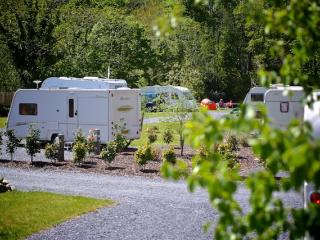
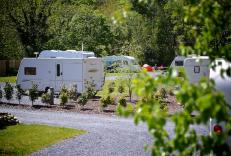
Riverside Camping
Set in the grounds of a former garden centre and enjoying a superb location along the River Seiont, Riverside Camping is approached by an impressive tree-lined drive. Immaculately maint...
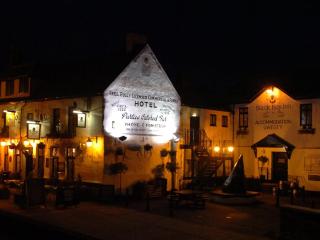
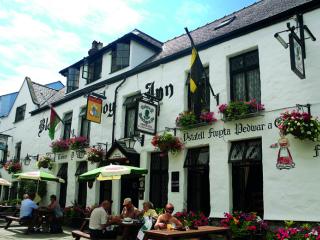
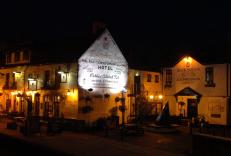
Black Boy Inn
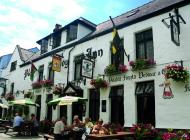
Located within Caernarfon's historic town walls, Black Boy Inn, a fine 16th-century inn, has low ceilings, narrow staircases and thick wooden beams originally from old ships. It is one ...
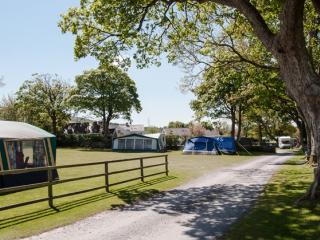
Llys Derwen Caravan & Camping Site
Enjoy the adventure of a lifetime in Snowdonia North Wales. Nestled in the scenic embrace of Mount Snowdon (Yr Wyddfa), the award winning Llys Derwen Caravan & Campsite Snowdon is an id...
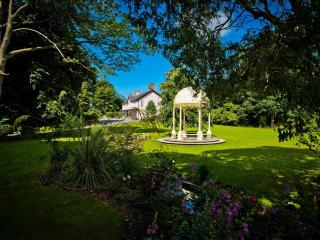
Plas Dinas Country House
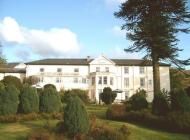
Plas Dinas Country House nestles between the Snowdonia mountains and the Irish Sea. It's an idyllic setting with stunning views. Located in beautiful grounds, this delightful Grade-II l...
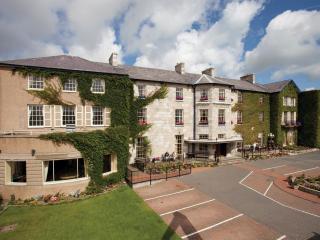
The Bulkeley Hotel
A Grade I listed hotel built in 1832, The Bulkeley is just 100 yards from the 13th-century Beaumaris Castle in the centre of town. Friendly staff create a relaxed atmosphere. Refreshmen...
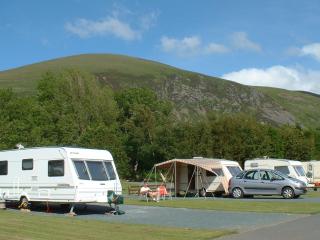
Bryn Gloch Caravan & Camping Park
Set beside the River Gwyrfai, Bryn Gloch offers shepherd's huts, static caravans and touring pitches in the heart of beautiful Snowdonia (Eryri). The park offers the best of two worlds,...
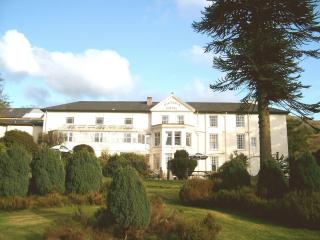
The Royal Victoria Hotel Snowdonia
The Royal Victoria Hotel Snowdonia is a well-established hotel near the foot of Snowdon, between the Peris and Padarn lakes. The mountains and extensive grounds make an attractive backd...