Dewstow Gardens
Recommended by


Overview
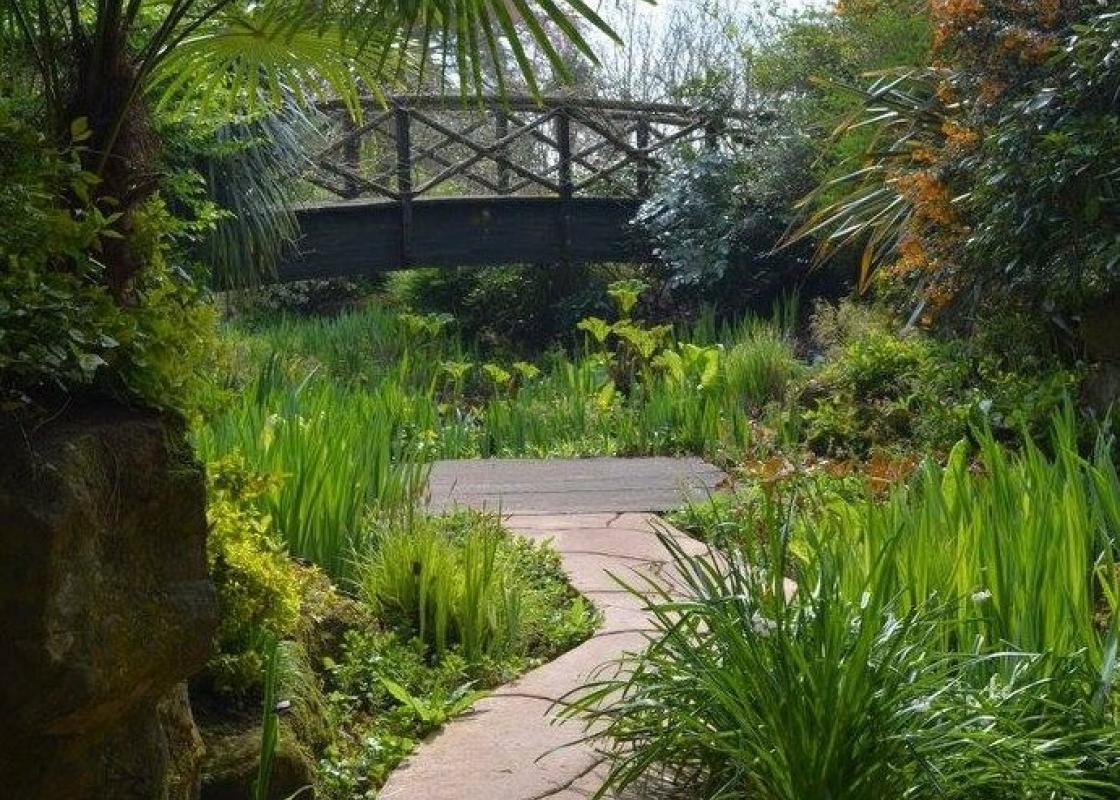
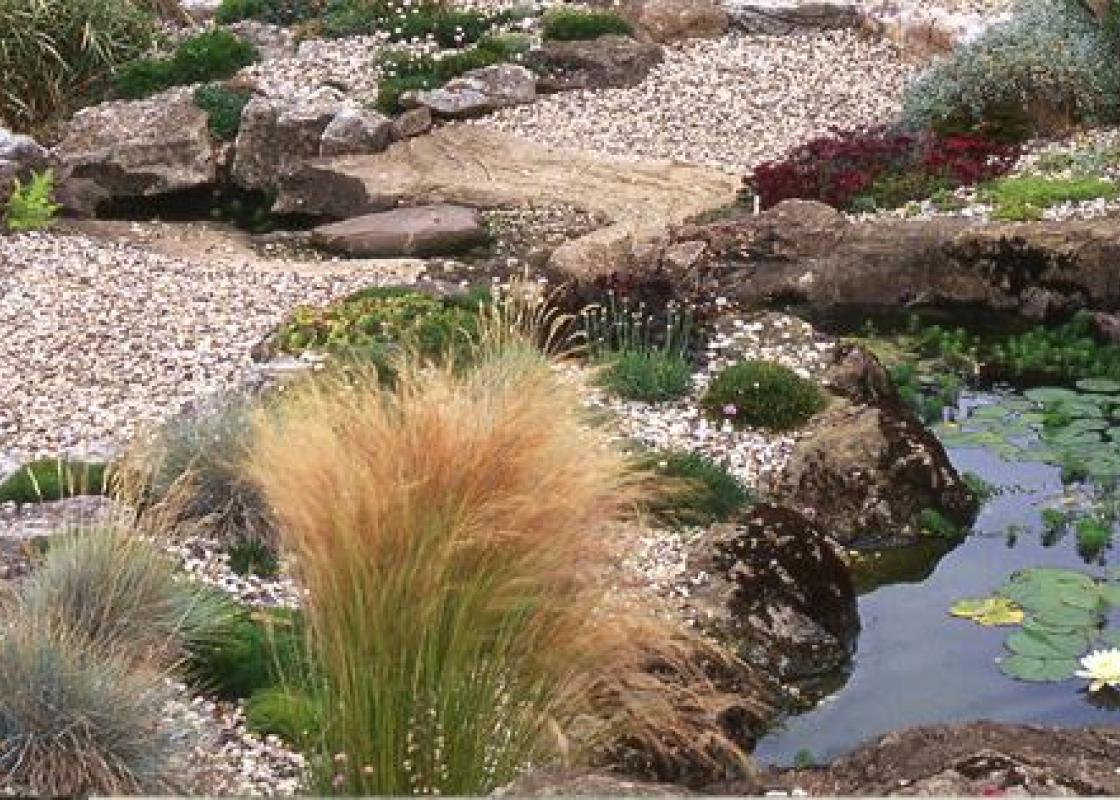
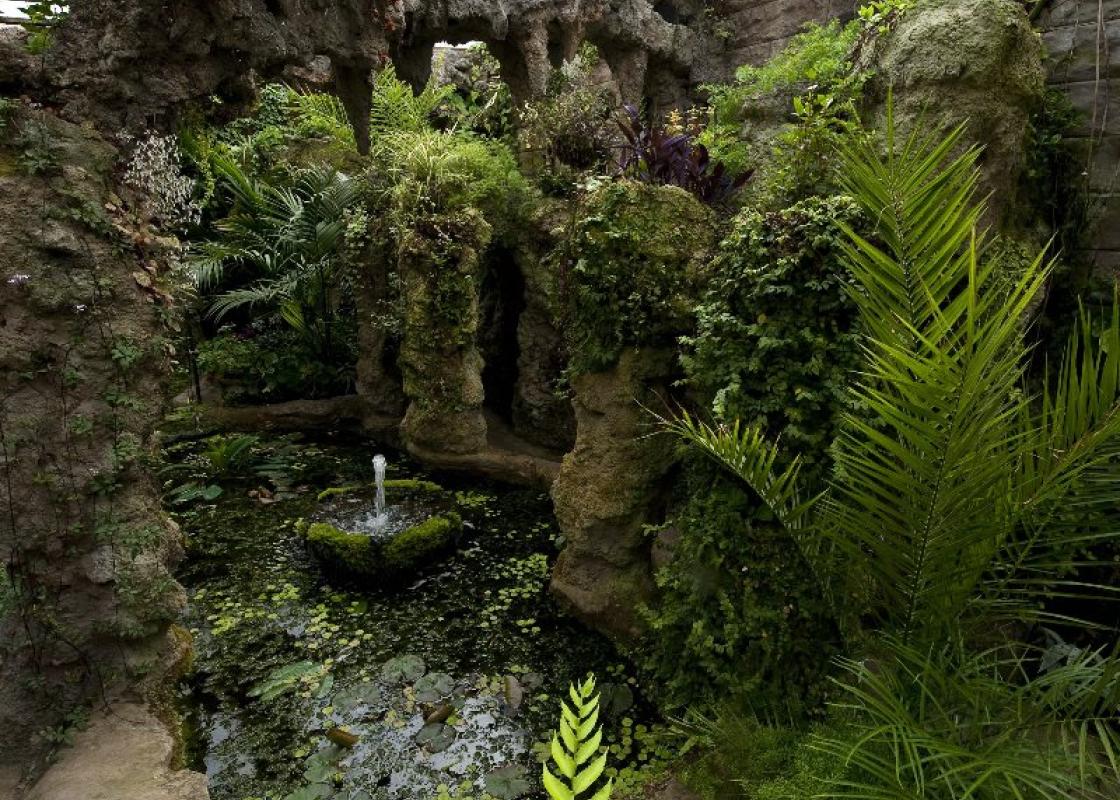
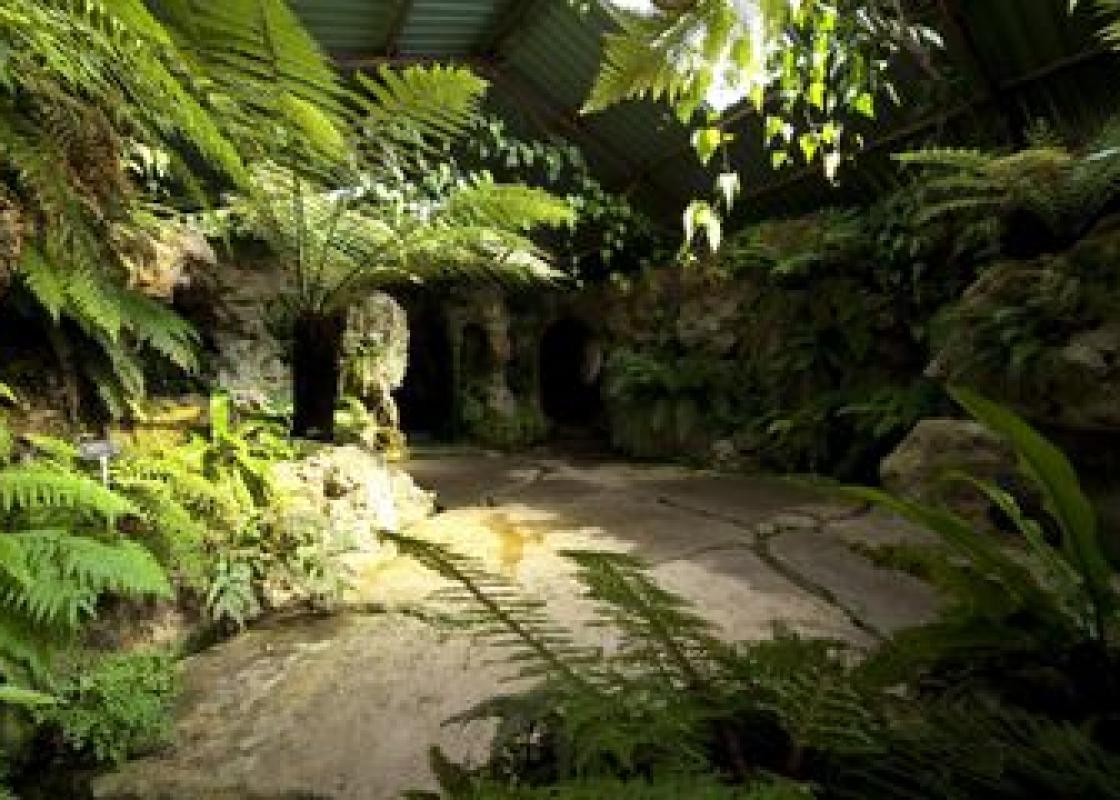
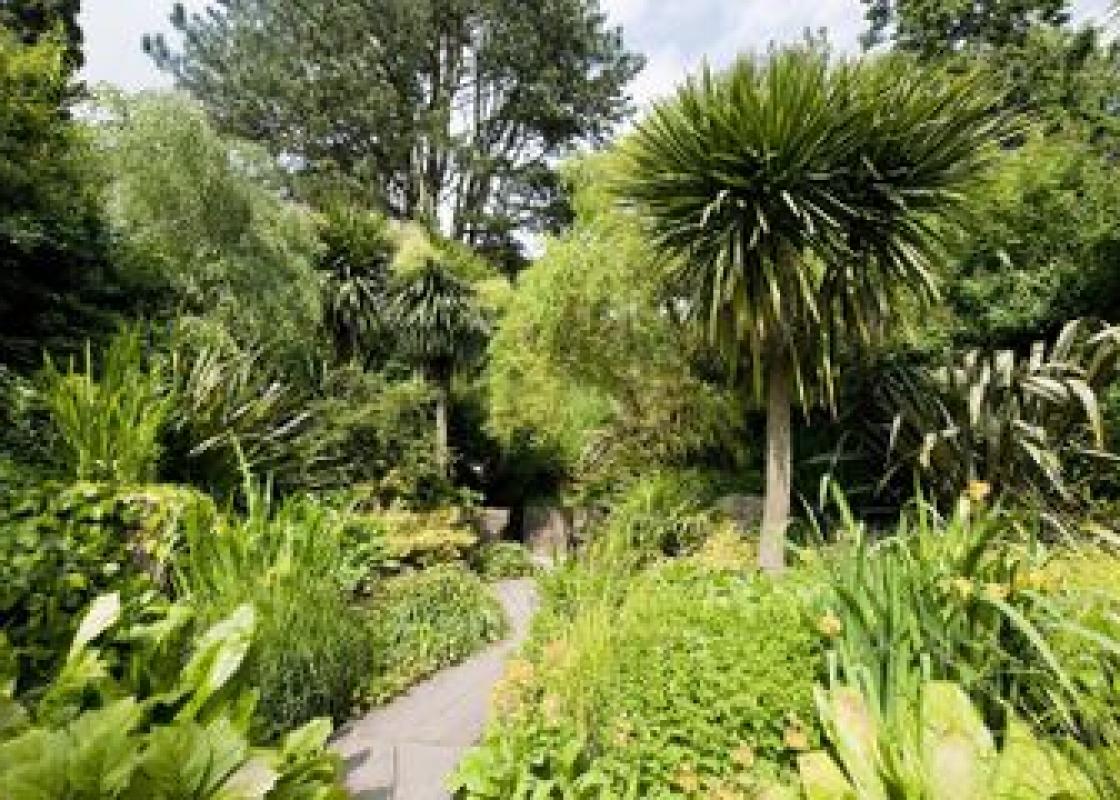
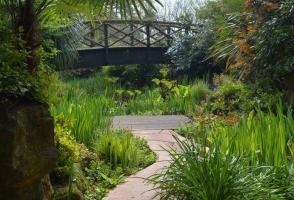
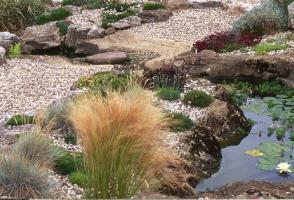
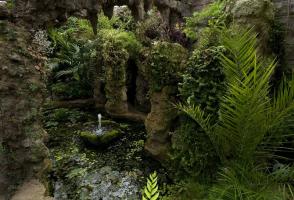
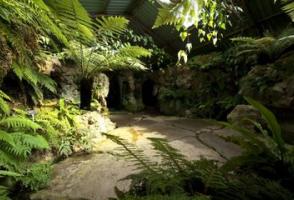
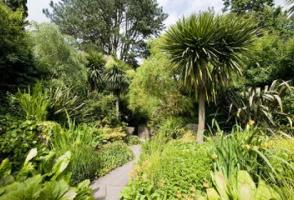
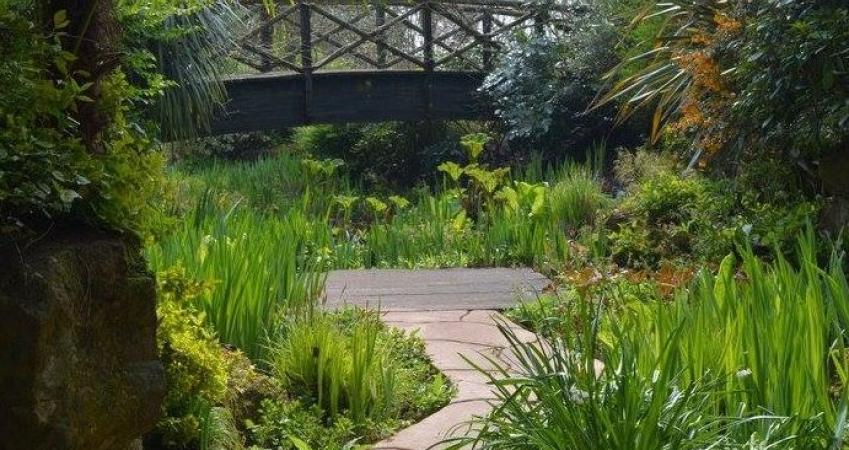
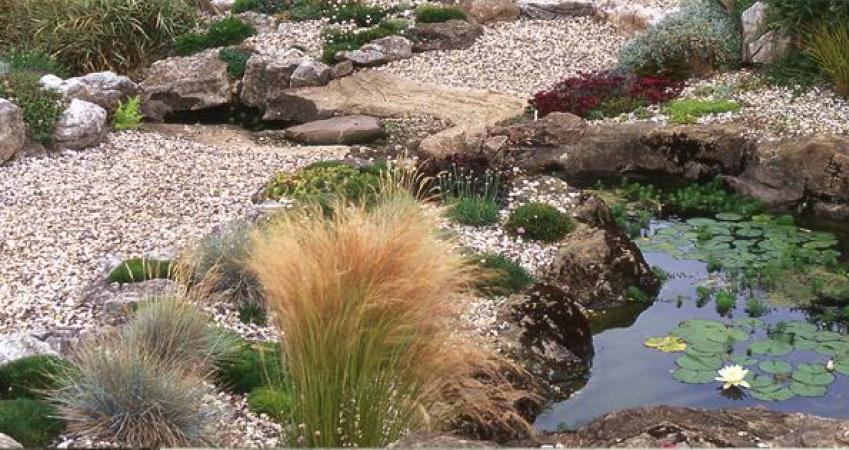
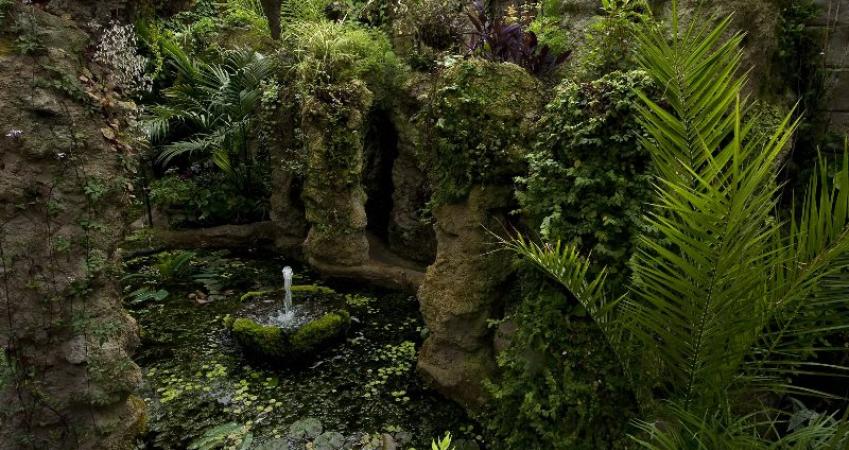
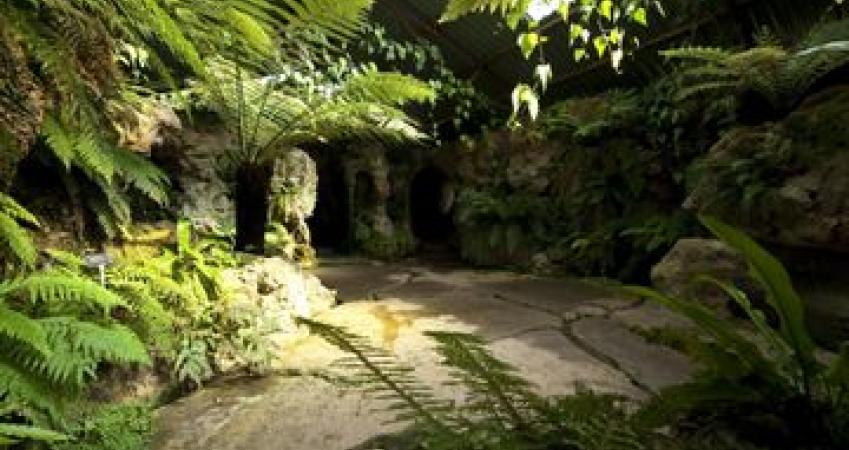
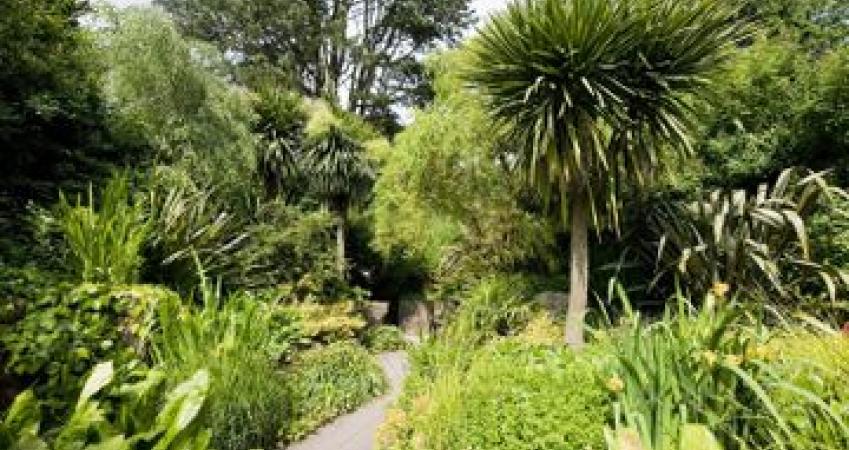
Dewstow is a white-painted 19th-century house, standing on a rise, surrounded by tidy lawns, rock gardens, a string of pools linked by streams and a border colour-bright with perennials and bulbs. This attractive but almost conventional garden is just a curtain-raiser for what lies beneath the ground, a labyrinth excavated and created because of one man’s passion for ferns and tropical plants. Henry Roger Keane Oakley, a director of Great Western Railway, bought the Dewstow estate in 1893 and embarked on creating a natural-looking habitat for his plant collection. Steps flanked by a balustrade lead down to dimly-lit grottoes, water trickling down rocky walls and a large pond with a waterfall. Then, around a corner, is a large, lush fernery once topped by a large glass dome. Massive columns support the roof of a large grotto, and a stream snakes through the centre. Stepping stones bridge channels of fast-flowing water and man-made ‘stalactites’ almost touch the surface of the water. Sunlight streaks through gaps in the walls. Rocks are moss-covered or tightly bound with clinging evergreen plants; some almost block one’s progress. All is not quite what it seems. After falling into disrepair, the grottoes were restored by the Harris family after they bought the estate in 1999. Now the gardens and grottoes are almost back to the glory days of their creation in the late-Victorian era.
Features
- Opening Times
- Opening Times: Open 5 Apr-2 Nov, daily 10-4
- Facilities
- Cafe
About the area
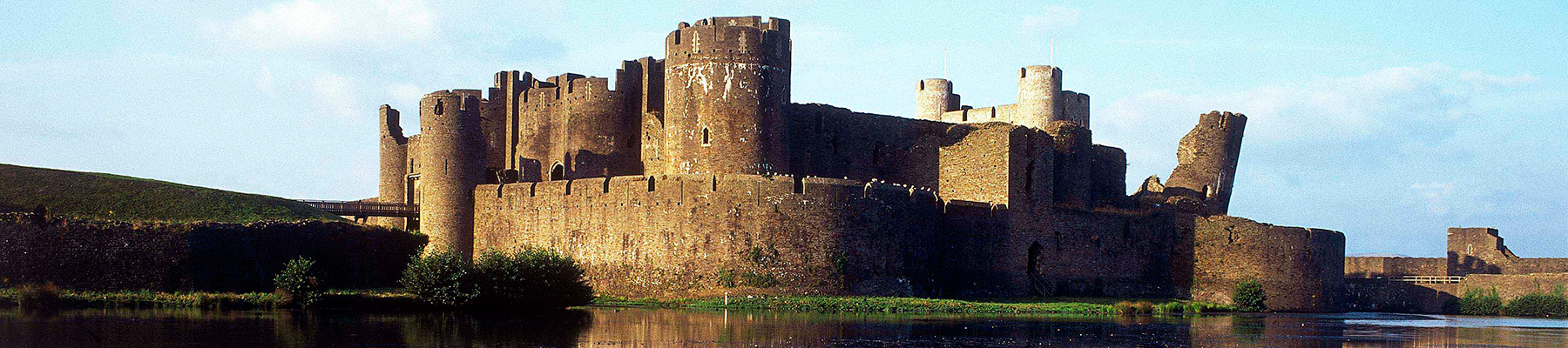
In their bid to control the borderlands of Monmouthshire – also known as the Marches – the Normans built a triangle of castles: Grosmont, Skenfrith and White. At first, they were simple wooden structures strengthened by earthworks, but when the lively Welsh refused to stop attacking them, it was decided more permanent fortresses were needed.
Places to eat nearby View all

Nearby places to stay
View all (8)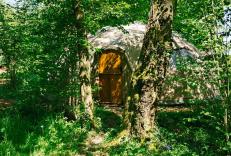






Nearby places to stay
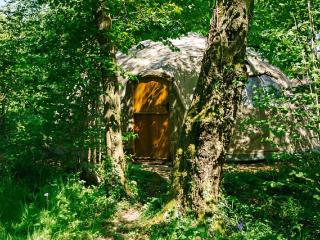
Penhein Glamping
Tucked away in secluded woodland surrounded by peaceful countryside, Penhein Glamping offers eight beautiful Alachigh (pronounced alla-cheeg) tents, that are cosy, warm and kitted out w...
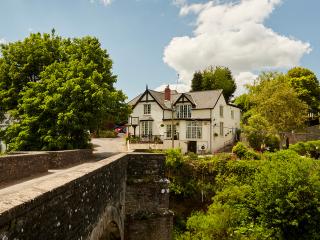
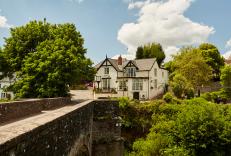
Newbridge on Usk
Newbridge on Usk is surrounded by bursting hedgerows, a bubbling river and laid-back luxury in the heart of the countryside. Head outdoors to explore the beautiful countryside, then mak...
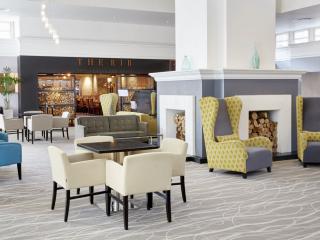
Coldra Court Hotel
Part of The Celtic Collection and only five minutes from the Celtic Manor Resort, Coldra Court Hotel offers comfortable bedrooms, a Southern-inspired smokehouse restaurant, health club,...
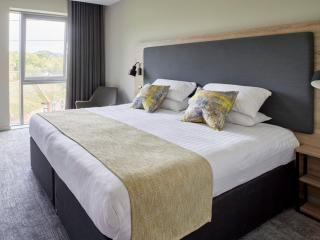
Ty Hotel Newport
A brand new addition to the Celtic Manor Collection. Tŷ Newport is located just minutes off the M4 and has Newport, Cardiff and Bristol within easy reach. Rooms are well appointed, all ...
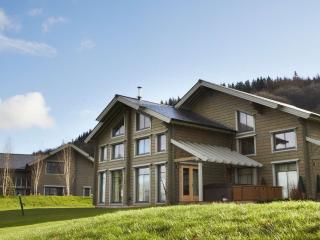
Hunter Lodges
Nestled in the valley overlooking the Golf Course, Hunter Lodges offer use of all the Celtic Manor resort's facilities on a self-catering basis. The luxury wooden chalets are spacious w...
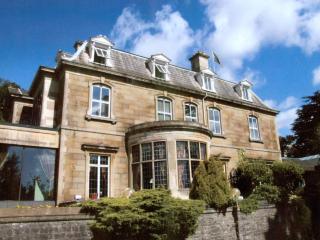
The Manor House
Part of the Celtic Manor Resort complex, the Manor House is a 19th-century hotel that offers country-house charm combined with modern comforts. Sitting in beautiful landscaped gardens, ...
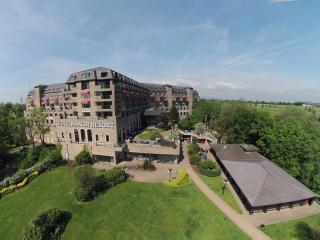
The Celtic Manor Resort
This hotel is part of the outstanding Celtic Manor Resort and a jewel in the crown of Welsh tourism. Here, there are three challenging golf courses including the Twenty Ten Course speci...
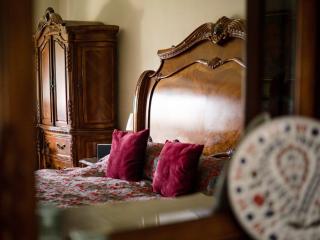
Berwick Lodge
Berwick Lodge is a delightful property, built in the late 1890s as a private manor house and surrounded by rose and woodland gardens. It provides very high standards of quality and comf...