Llanmelin Wood Hillfort
Recommended by


Overview
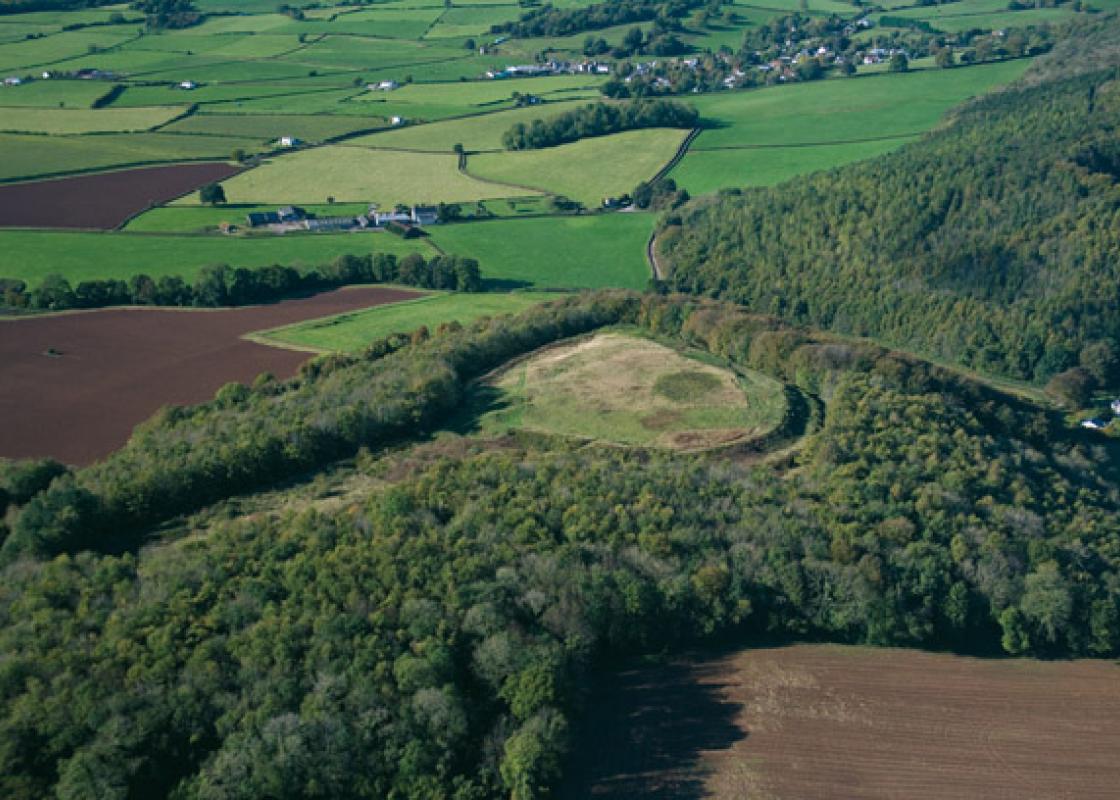
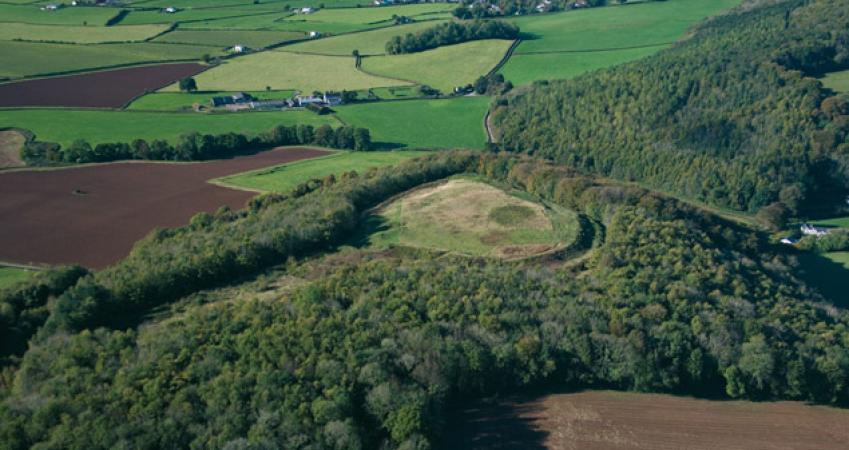
Iron Age defended site of considerable strength. Within the defences the inhabitants lived in circular houses of mud and timber, and they also kept cattle, sheep and pigs. Today, only the earthworks and charming views remain. Photo credit: © Crown copyright (2015) Cadw
Features
- Opening Times
- Open all year
- Opening Times: Open all year, daily 10-4 (last admission 3.30). Closed 24-26 Dec & 1 Jan
- Facilities
- Parking nearby
About the area
In their bid to control the borderlands of Monmouthshire – also known as the Marches – the Normans built a triangle of castles: Grosmont, Skenfrith and White. At first, they were simple wooden structures strengthened by earthworks, but when the lively Welsh refused to stop attacking them, it was decided more permanent fortresses were needed.
Places to eat nearby View all
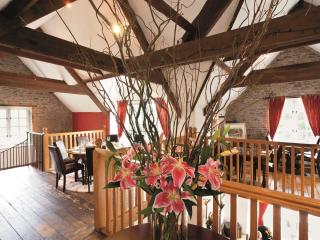
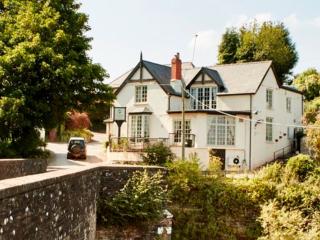
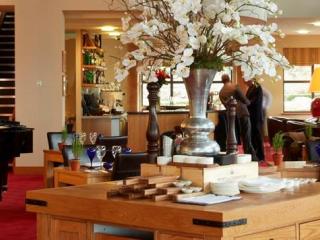
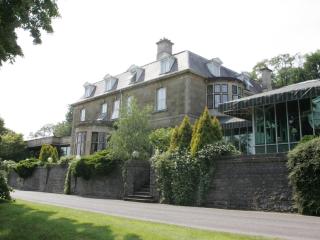
Nearby places to stay
View all (8)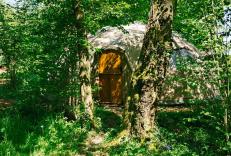





Nearby places to stay
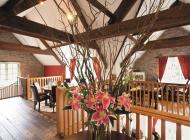
Penhein Glamping
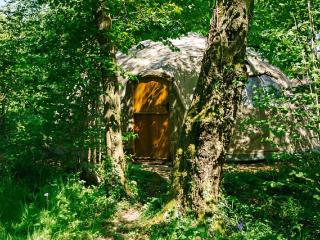
Tucked away in secluded woodland surrounded by peaceful countryside, Penhein Glamping offers eight beautiful Alachigh (pronounced alla-cheeg) tents, that are cosy, warm and kitted out w...
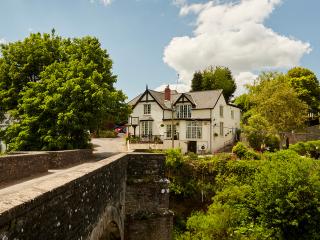
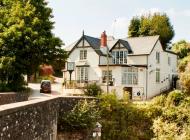
Newbridge on Usk
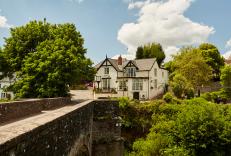
Newbridge on Usk is surrounded by bursting hedgerows, a bubbling river and laid-back luxury in the heart of the countryside. Head outdoors to explore the beautiful countryside, then mak...
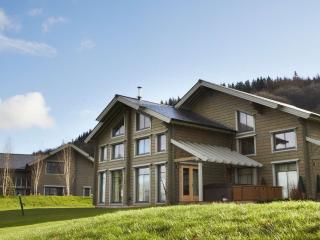
Hunter Lodges
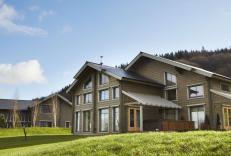
Nestled in the valley overlooking the Golf Course, Hunter Lodges offer use of all the Celtic Manor resort's facilities on a self-catering basis. The luxury wooden chalets are spacious w...
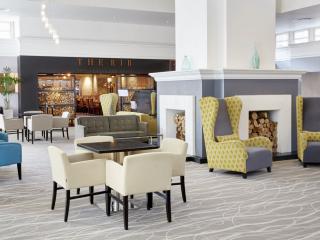
Coldra Court Hotel
Part of The Celtic Collection and only five minutes from the Celtic Manor Resort, Coldra Court Hotel offers comfortable bedrooms, a Southern-inspired smokehouse restaurant, health club,...
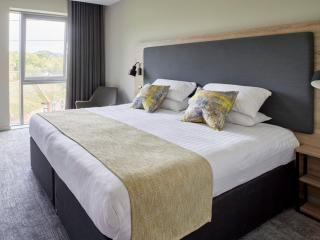
Ty Hotel Newport
A brand new addition to the Celtic Manor Collection. Tŷ Newport is located just minutes off the M4 and has Newport, Cardiff and Bristol within easy reach. Rooms are well appointed, all ...
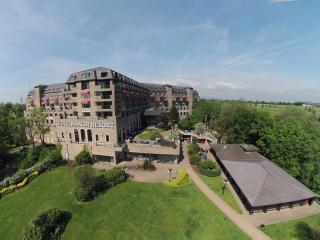
The Celtic Manor Resort
This hotel is part of the outstanding Celtic Manor Resort and a jewel in the crown of Welsh tourism. Here, there are three challenging golf courses including the Twenty Ten Course speci...
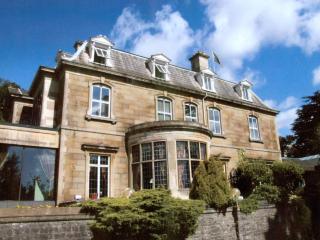
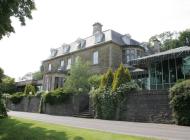
The Manor House
Part of the Celtic Manor Resort complex, the Manor House is a 19th-century hotel that offers country-house charm combined with modern comforts. Sitting in beautiful landscaped gardens, ...
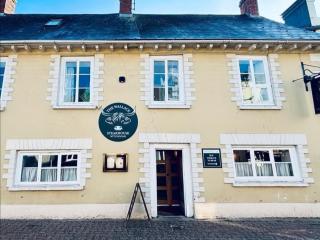
The Wallace Steakhouse with Rooms
This casual fine dining restaurant with rooms has recently rebranded to a Steakhouse proudly supporting British Farmers. Expect dry aged, hand cut classic steaks or go all in with the 1...