Cors y Llyn National Nature Reserve
Recommended by


Overview
Cors y Llyn NNR near Newbridge on Wye consists of two mire basins carved out by glaciers during the last Ice Age. One of the first flowers to come into its own in very early spring is the cuckoo flower, followed by heath spotted orchid, Dyer’s greenweed, marsh violet and meadow thistle. Growing in the damper parts of the meadow are lesser skullcap and the semi-parasitic lousewort. The marsh cinquefoil blooms from May until July and there is a rich display of mosses and lichens. Cors y Llyn is a great place to see butterflies such as ringlets, red admirals, small tortoiseshells, meadow brown, green-veined white and peacock. Other insect life includes many dragonflies like the emperor, broad-bodied chaser, southern and common hawker, and damselflies. The mire is also home to amphibians like the common frog and toad and palmate newts. Birds that share the summer bonanza of insects include the hobby and migrant swallows and house martins, while winter visitors include woodcock and snipe.
About the area
The largest unitary authority in Wales, Powys covers an area of approximately 2,000 square miles. Much of that is mountainous because it actually has the lowest population density of all the Welsh counties.
Places to eat nearby View all
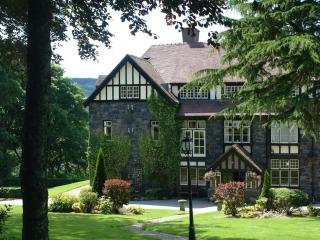
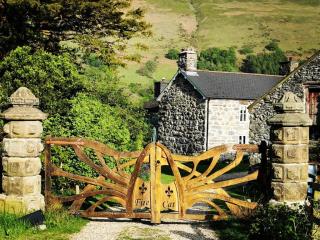
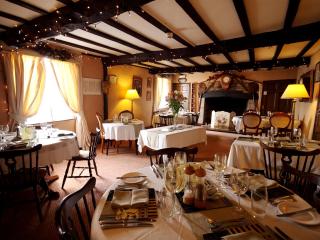
Nearby places to stay
View all (8)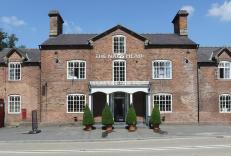






Nearby places to stay
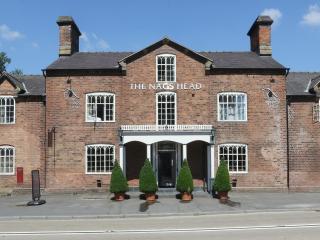
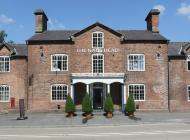
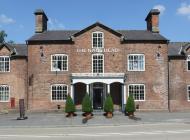
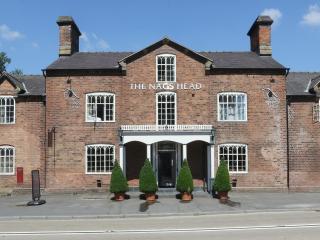
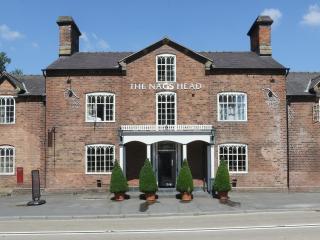
The Nags Head Inn
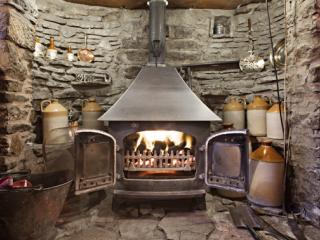
Once a coaching inn, the Grade II listed Nags Head but has been bought right up to date to offer modern accommodation. A warm welcome is assured from the friendly team here. Log fires i...
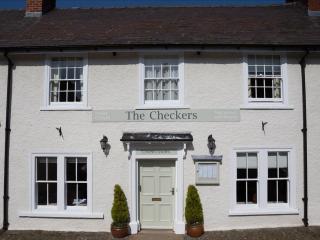
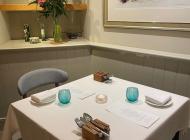
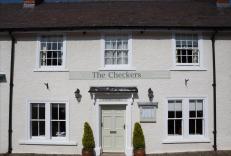
The Checkers
The Checkers is a fine dining restaurant with rooms in the heart of Montgomery, a picturesque Welsh borders town close to the Offa’s Dyke path, River Severn and Shropshire Hills. Expect...
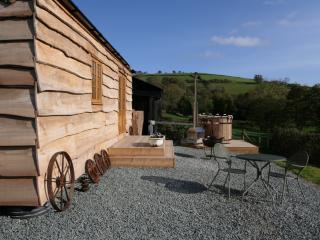
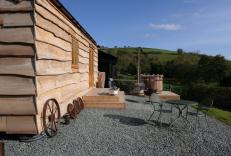
Offa's Pitch & Aethers Tilt
Luxury self-catering cabins with underfloor heating throughout and hot tubs, Offa's Pitch & Aethers Tilt sit in an Area of Outstanding Natural Beauty surrounded by hills and ancient woo...
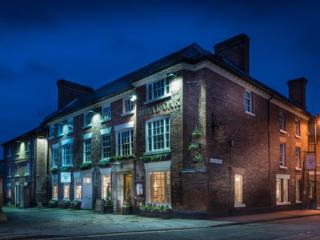
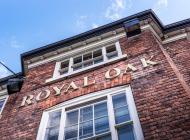
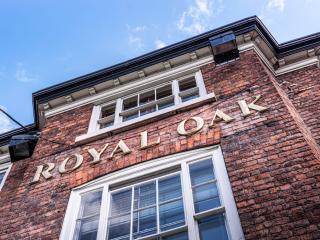
The Royal Oak
Standing in the centre of Welshpool, The Royal Oak was once the manor house for the Earl of Powys, before being used as a coaching inn for travellers en route to the Welsh coast. A rang...
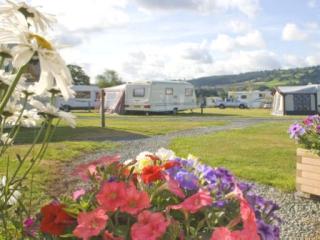
Daisy Bank Caravan Park
Peacefully located between Craven Arms and Churchstoke and surrounded by rolling hills, this idyllic, adults-only park offers generously sized, fully serviced pitches; some with superb ...
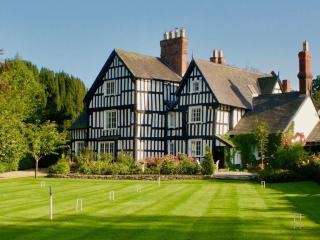
Rorrington Hall
Rorrington Hall offers a unique adults-only bed and breakfast experience within a historic building nestled in the English countryside, offering a peaceful escape from city life. The lo...
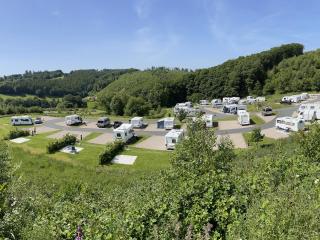
Red Kite Touring and Lodge Park
Within 15 minutes' walk of the historic town centre, this stunningly located park has been created on undulating hills and fields, which include two lakes, one being a habitat for newts...
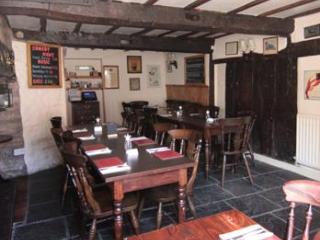
The White Horse Inn
With live music and its own micro-brewery, the popular White Horse acknowledges being a lively inn and points guests towards its quieter letting rooms. Once judged one of the most tranq...