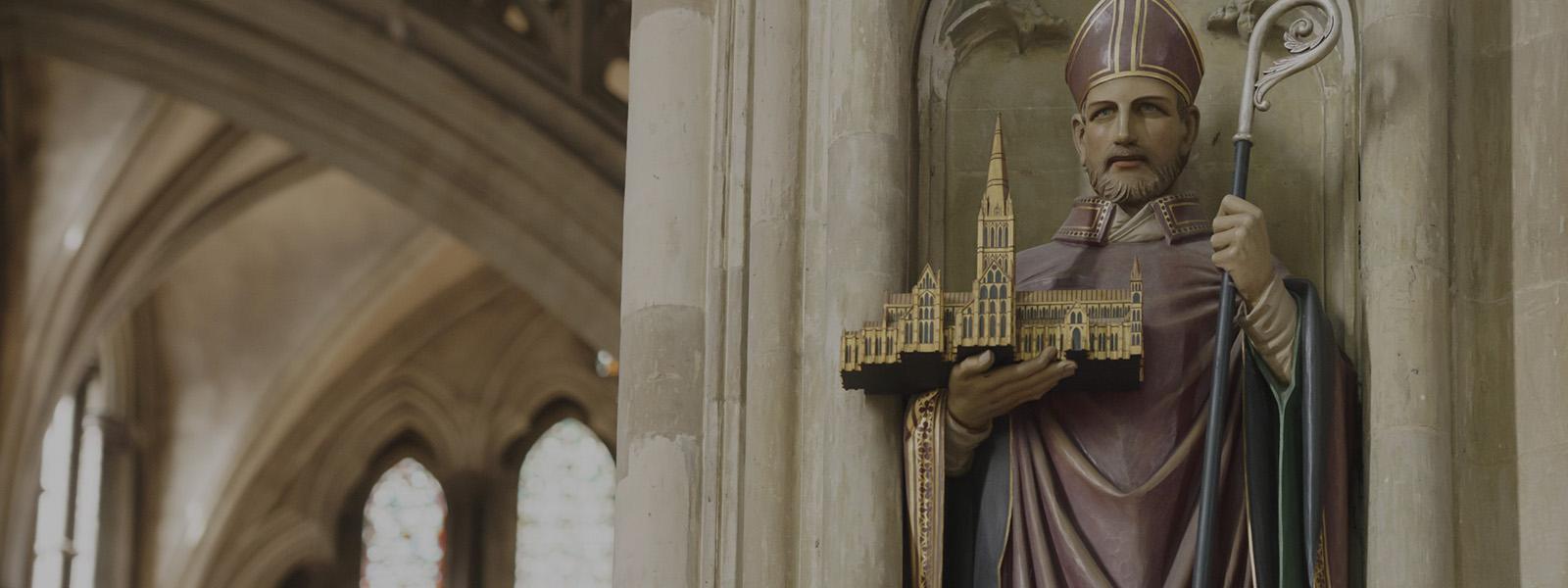
Explore centuries of history and culture
The term ‘cathedral’ cannot be applied to every large church. Instead, it has a much more precise meaning. A cathedral is a Christian place of worship that is also the main, or "mother" church of a diocese, and is the location of the cathedra or bishop's seat. The first in England was built around the 6th or 7th century, but nothing of that survives. The majority of the nation’s cathedrals were built from the 11th century onwards. Many of them took decades to complete, and a few were even built – much more speedily – in the 20th century. Some of them served as abbeys, and others started as parish churches, becoming cathedrals when the bishop’s seat moved there.
All working cathedrals are open to the public, and most are remarkable feats of architecture, among the most impressive buildings in the world. Here is a short list of some of those that you really should visit. All are quality assessed by VisitEngland so you can be sure of a great visitor experience.
Coventry Cathedral
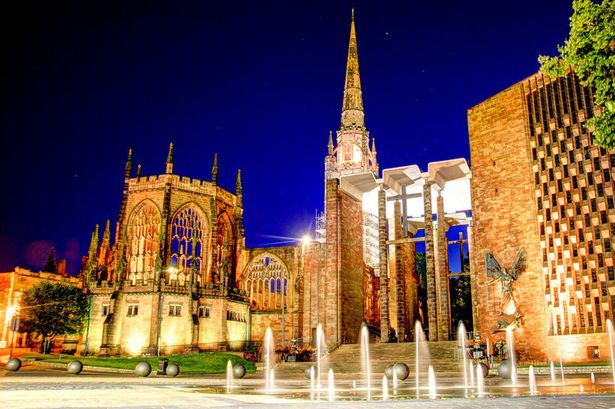
An evocative mix of ancient and modern, Coventry's medieval cathedral suffered bombing during WWII. The remains of the old cathedral are still impressive and its Gothic style has been blended into the stylish brutalism of the 'new' building. Sir Basil Spence's design was completed in only six years, in marked contrast to many older cathedrals, and was consecrated in 1962. It's best known feature is probably Jacob Epstein's large sculpture of St Michael's Victory over the Devil, which is displayed on the outer east wall.


Gloucester Cathedral
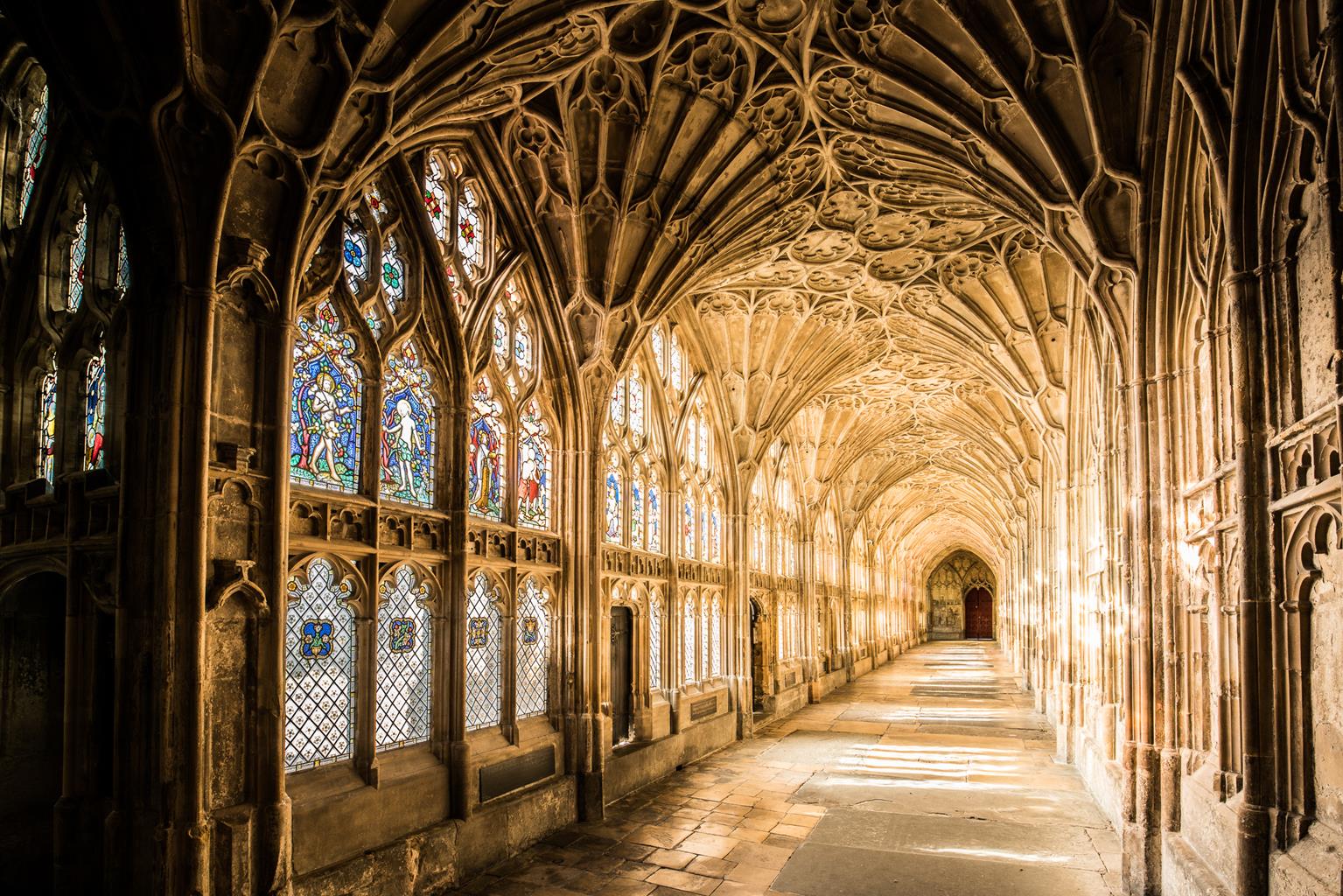
Although Gloucester Cathedral had been built in various stages since the 12th century, including much rebuilding after fires, it did not actually become a cathedral until Henry VIII founded the Diocese of Gloucester in 1541. It was nearly demolished in the 17th century just after the Civil War, as the area was largely Royalist, but yet it survived. The interior is incredible, and contains some of the oldest and most beautiful examples of fan vaulting in the world. These days many visitors are more interested in visiting one of the locations that served as Hogwarts in the Harry Potter movies.
Guildford Cathedral
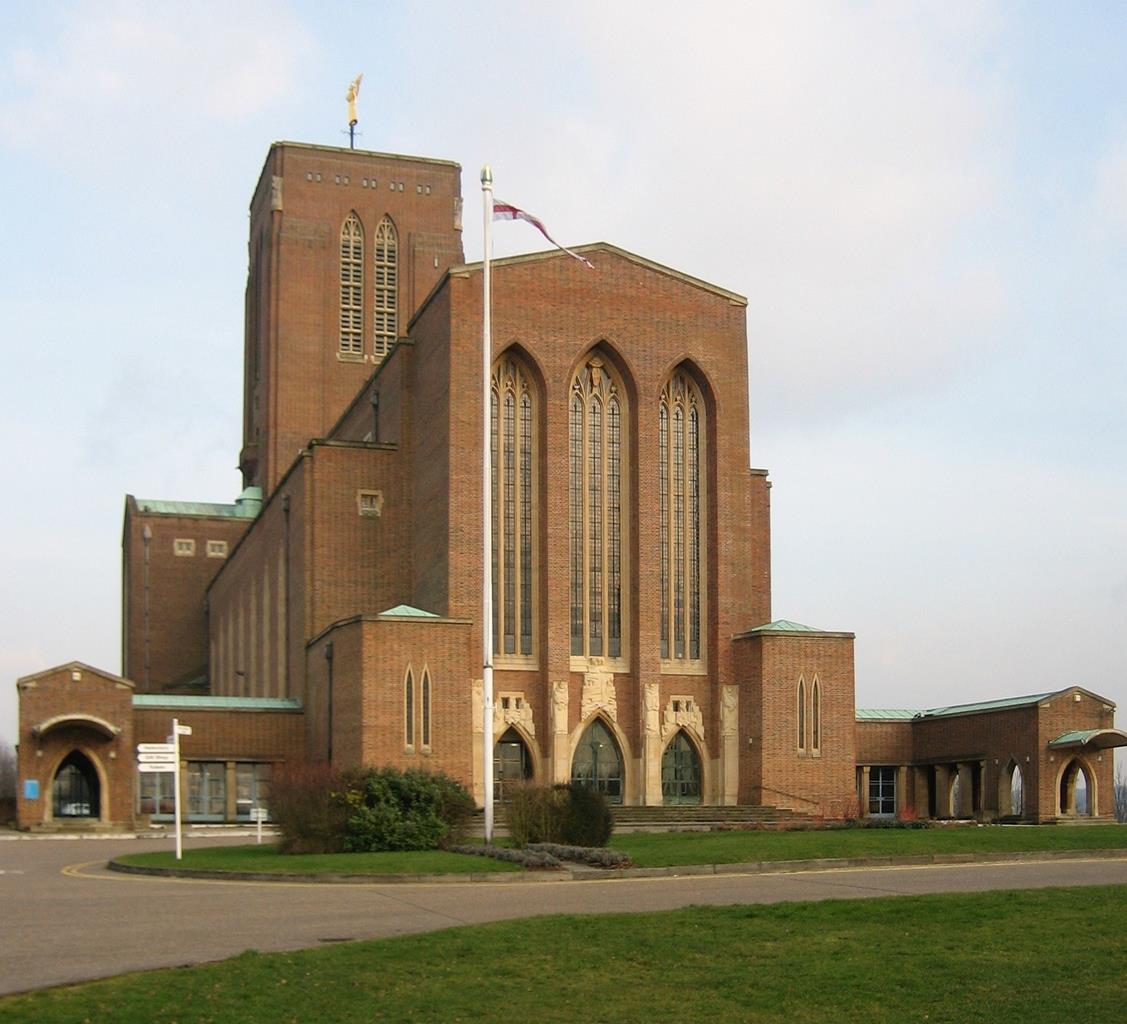
Guildford’s modern brown-brick cathedral is surprising in such an ancient town, but the bishopric was only established here in 1927. Plans for a brand new Cathedral on Stag Hill were drawn up in 1933 by architect Edward Maufe, and building started three years later, but was halted by war. In 1952, the public were encouraged to ‘buy a brick’ for the completion of the building and write their name on it. By 1961 more than 200,000 bricks had been ‘sold’. Building finished in 1966, although later adornments include statues by Charles Gurry, added to the West Front in 2004. The interior is lofty, Gothic and rather severe. Movie fans may recognise the building from the 1976 horror movie, The Omen.
Lichfield Cathedral
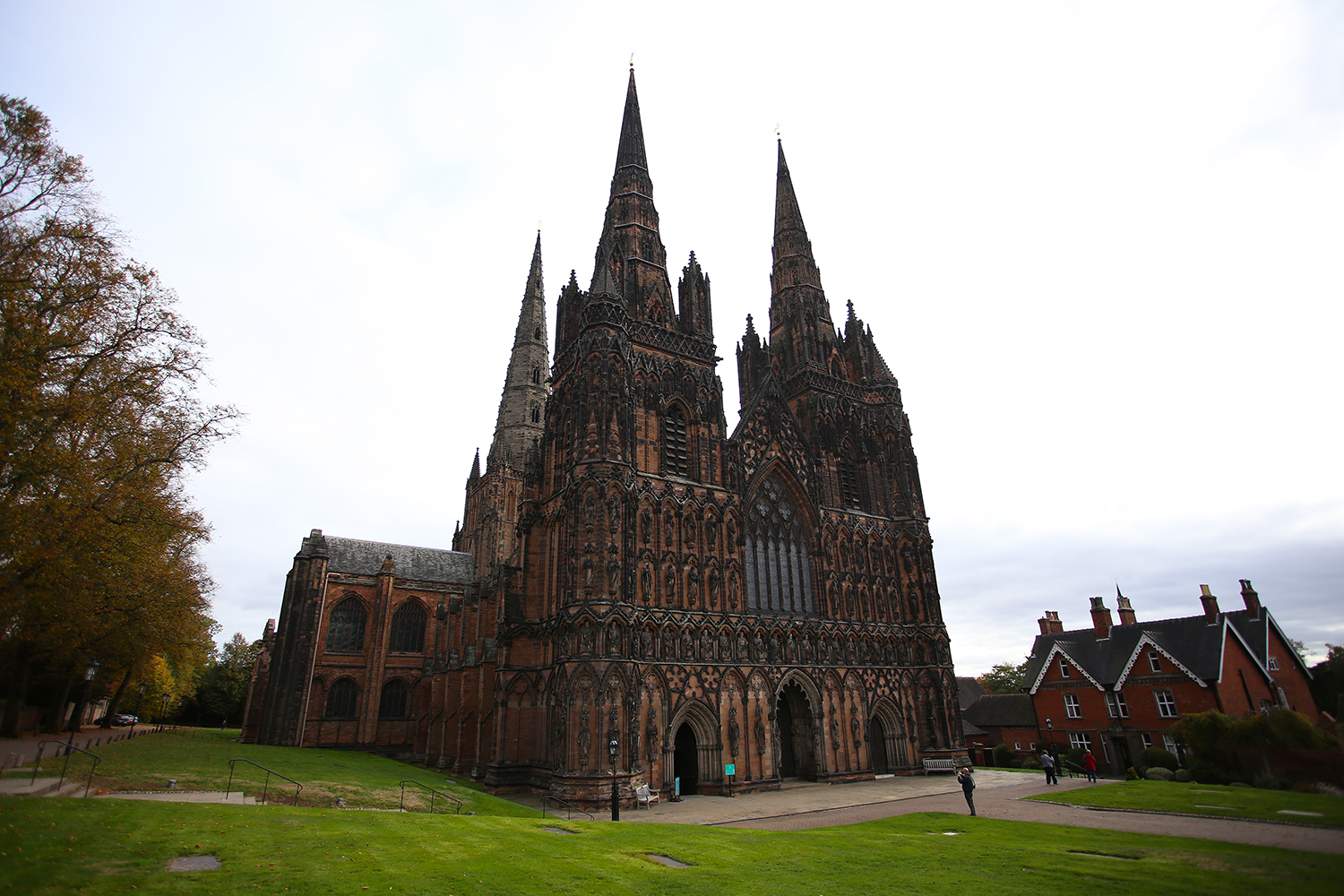
Although the first cathedral on this site was consecrated in 700, there was a big break when the seat of the diocese moved to Chester, then Coventry. From 1148 to 1539 Lichfield was a ‘co-cathedral’, finally becoming a full cathedral again in 1541. The building suffered extensive damage from Parliamentarian forces in the 1640s, which was not fully repaired until the 19th century. Among its treasures, the cathedral counts an 8th-century carving of an angel, an ornate doorway with the figures of sevens saints carved in Roman cement set above it, and many Victorian statues including Queen Victoria herself. And let’s not forget, Lichfield is unique among medieval English cathedrals, in that it has three spires.
Liverpool Cathedral
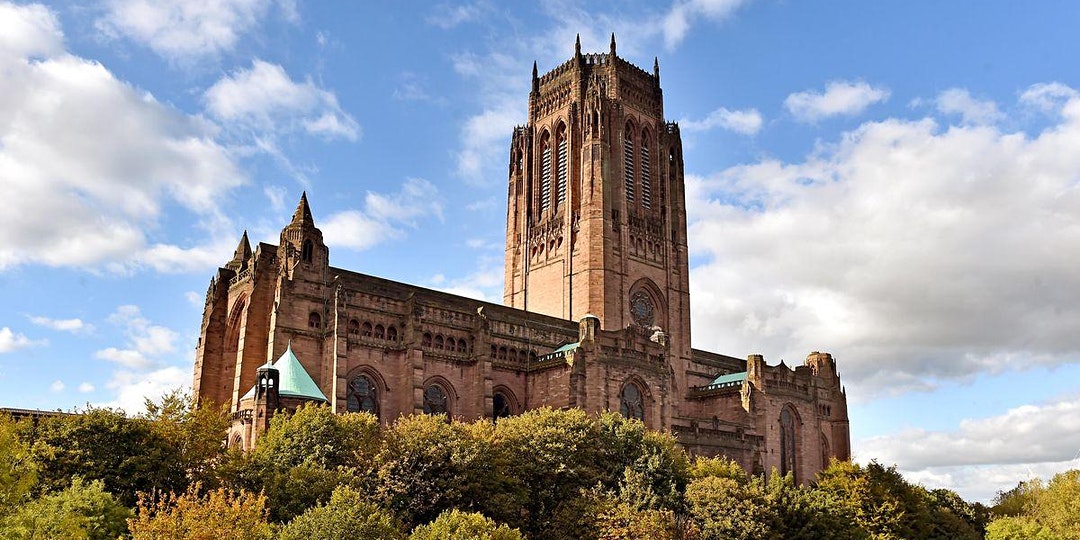
Although it appears at first sight to be as old as any other monumental cathedral in Britain, Liverpool Cathedral is in fact a 20th-century structure that was only completed in 1978. Its foundation stone was laid in 1904, and through two World Wars the building continued. It is the largest Anglican Cathedral in Europe, and has the largest pipe organ and the heaviest ringing peal of bells in the world. In addition to great views from the tower, the Cathedral has an award-winning visitor centre, and hosts a full calendar of family activities and cultural events.
Metropolitan Cathedral of Christ The King Liverpool
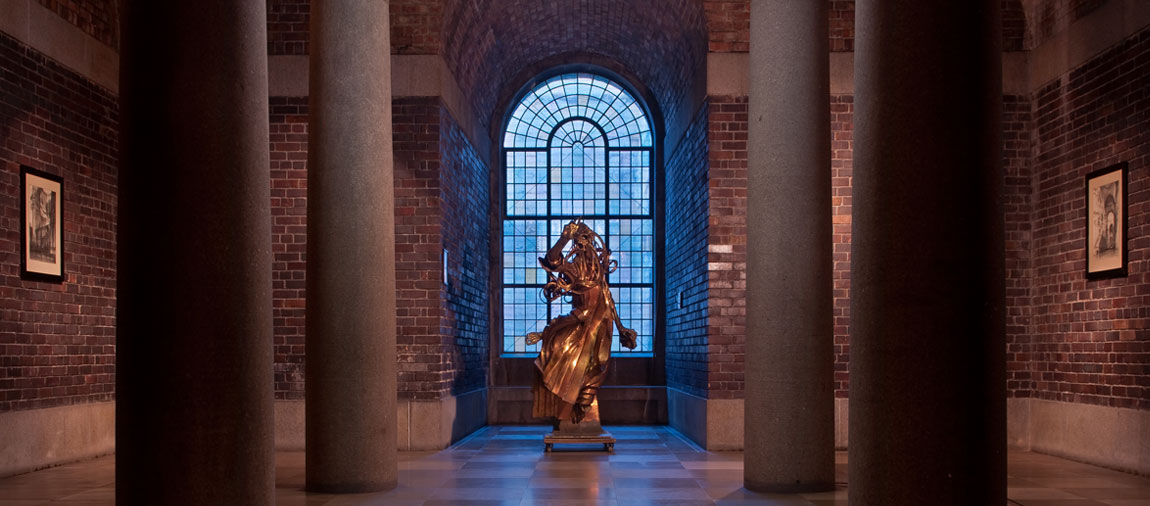
This modern Roman Catholic cathedral is one of the most memorable sights on the Liverpool skyline, and is actually the ‘third-time-lucky’ of Liverpool’s Catholic Cathedrals. The first attempt was designed by Sir Edwin Lutyens and began building in 1933, but WWII and cost meant that by the late 1950s only the remarkable crypts beneath the current cathedral had been completed. A later scaled-back design was considered then rejected, with the final design being created by Sir Frederick Gibberd. It was finally completed in 1967, and is now an incredible space, filled with statues and other religious artworks.
Peterborough Cathedral
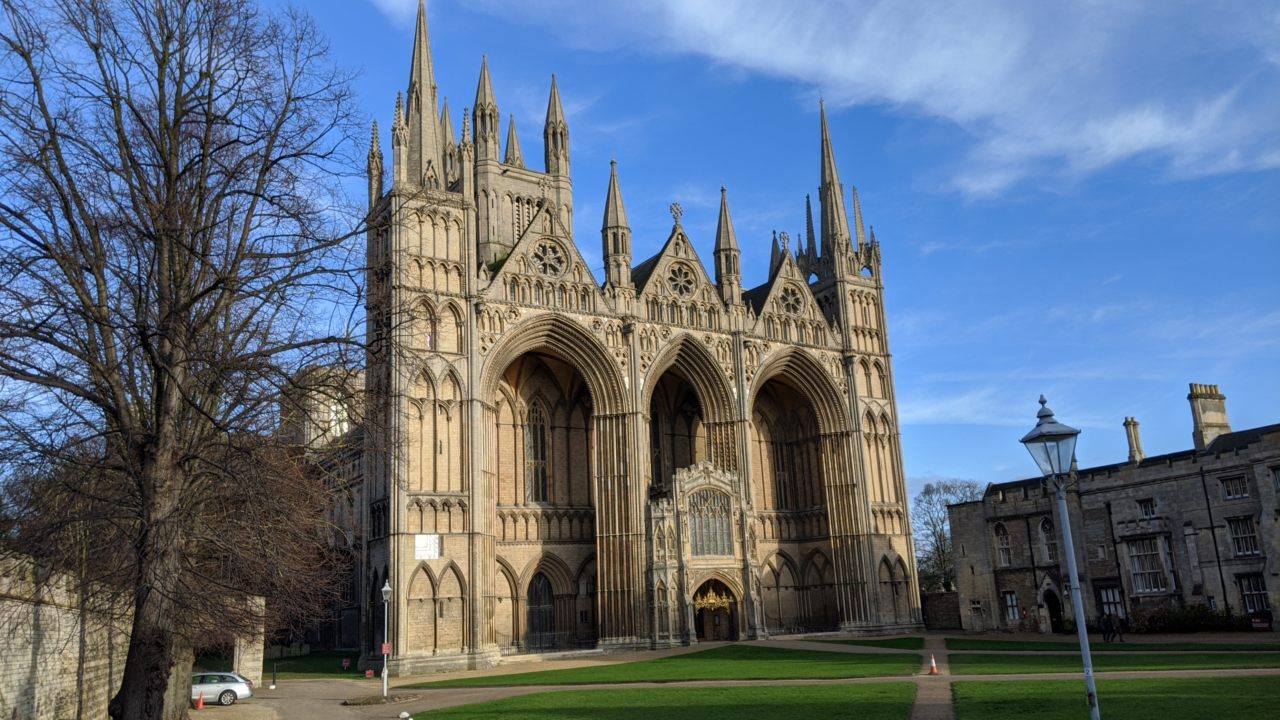
With one of the most dramatic West fronts in the country, its three arches an extraordinary creation of medieval architecture, it would be easy for the interior to be an anticlimax, but it is not. The dramatic Romanesque interior is little altered since its completion 800 years ago. Particular highlights of a visit include the unique painted nave ceiling, the elaborate fan vaulting of the 'new' building, Saxon carvings from an earlier church and the burial place of two Queens. An exhibition in the North aisle tells the story of the cathedral.
Salisbury Cathedral
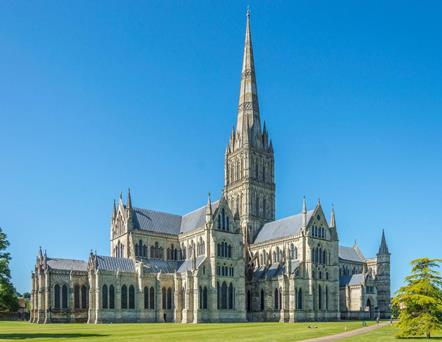
One of England’s best known cathedrals, Salisbury has the tallest church spire in the country, at 404 feet (123m). It was built in a relatively short time, between 1220 and 1258, although the tower and spire weren’t completed until 1330. It’s a truly stunning example of Early English Gothic architecture, and is home to one of the four surviving original copies of the Magna Carta. In 2024 a major restoration project was completed, which saw the removal of scaffolding that had been there since 1985. The cathedral tour is first class and there’s plenty to look at, including a medieval clock and an almost endless amount of architectural interest.
St Albans Cathedral
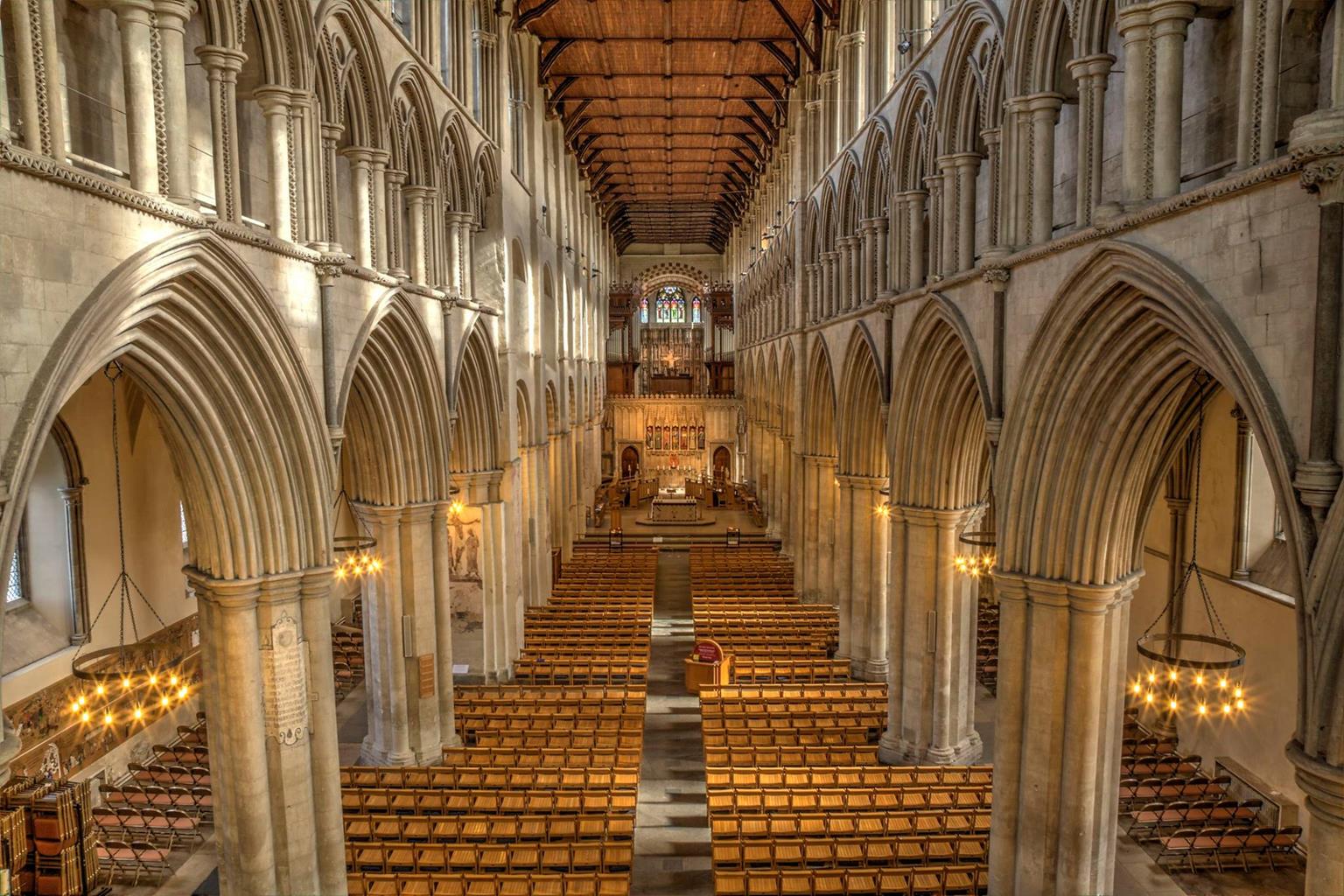
The history of this cathedral is the longest in England. At first it was just a shrine built in Roman times, to honour St Alban, England’s first martyr. An abbey was built, and that remained until Henry VIII dissolved it in 1539. After that it was partly demolished and other parts used for various purposes, such as a school and a jail. Eventually became a cathedral in 1877. As well as being the seat of the diocese, it is still a working parish church, and has the longest nave (278 feet/85 metres) of any cathedral in the country. Thanks to Victorian restoration, the Wallingford Screen how has a full cast of statues, and many other aspects of the cathedral are back to something like their original state. And there is still a shrine to St Alban.
St Paul's Cathedral
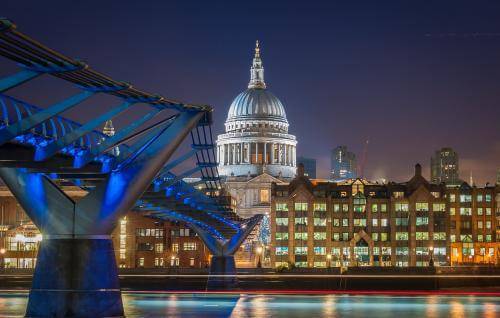
Without doubt, England’s most famous cathedral, and a symbol of London’s resilience in the face of disaster. The original church of St Paul was founded here in 604, and over the years has been destroyed by fire, not once but twice. It’s well known that the current building was completed in 1710, and was designed by Sir Christopher Wren as part of the reconstruction of central London after the Great Fire in 1666. It’s less well known that a previous cathedral was destroyed by a great fire in 1087. It also survived two bombing attempts by suffragettes in 1913 and 1914, as well as the more serious threat of the Blitz in the 1940s. It has seen many significant events including state funerals, royal weddings and national thanksgiving services. It truly is one of the most impressive buildings in London; a real English icon.
Wells Cathedral
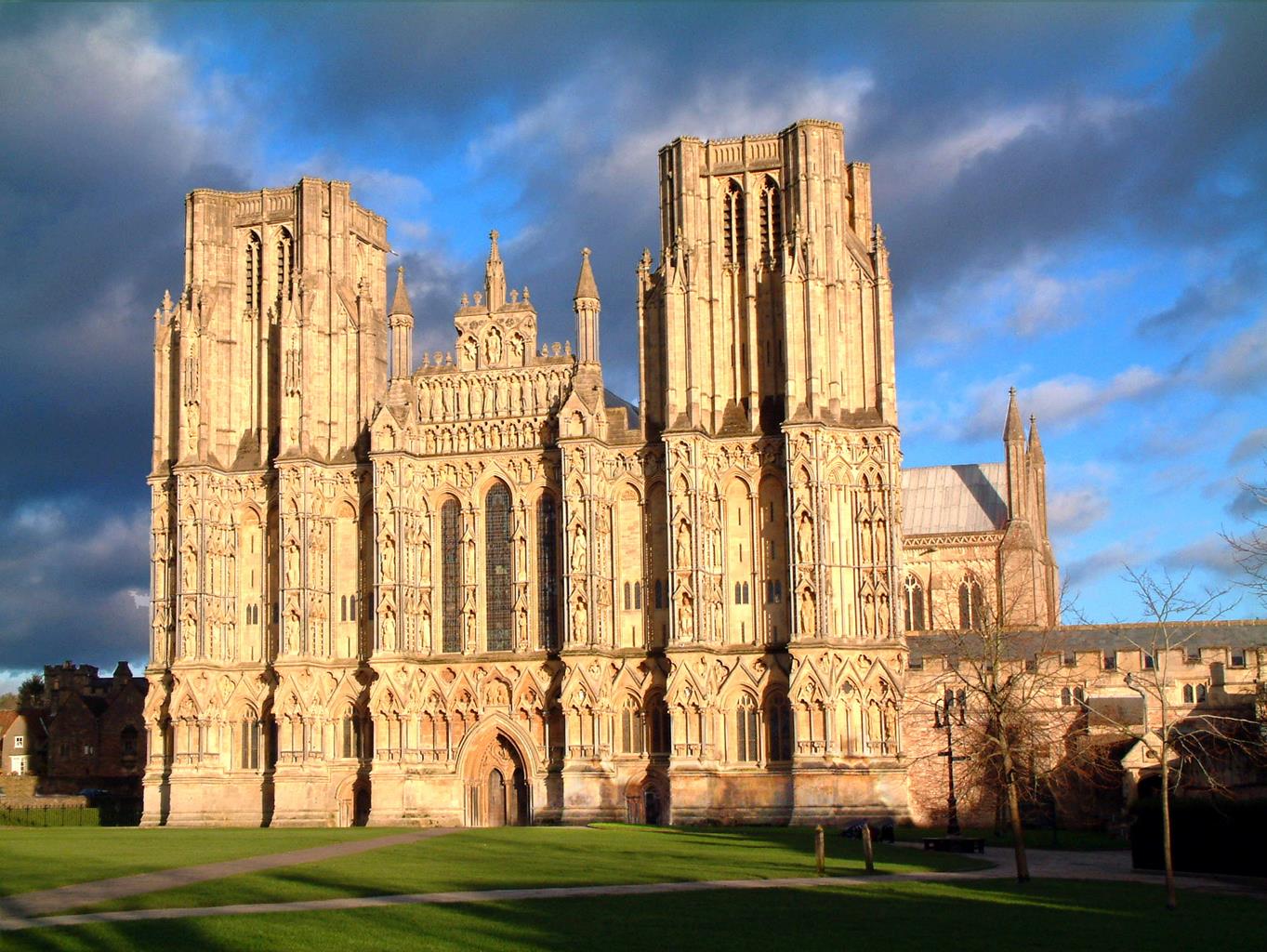
Set in England’s smallest city, this cathedral is regarded as one the most beautiful of English churches. Built in the early English Gothic style, Wells was consecrated in 1239, but only actually completed in 1306; a lifetime in construction. Like most English cathedrals it suffered during Henry VIII’s Dissolution of the Monasteries, and the English Civil War, when it was damaged during fighting and fell into disrepair. These days it annually sees around 150,000 people attend services and some 300,000 visit as tourists. The building is full of detail and features of interest, both inside and out, and has some remarkable ceilings, particularly in the Lady Chapel and the chapter house.
Discover more UK attractions


By submitting your email address, you agree to our privacy policy – you can withdraw consent at any time