High on the crags of Tal y Fan
Recommended by

Walk directions
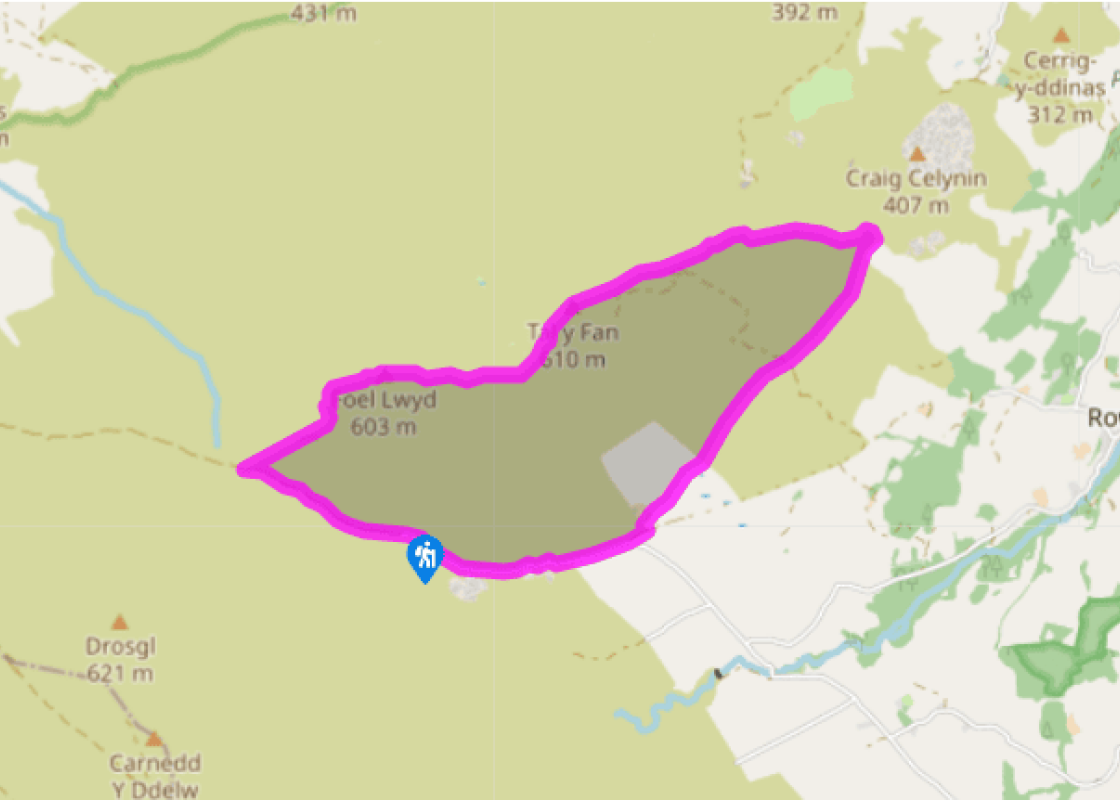
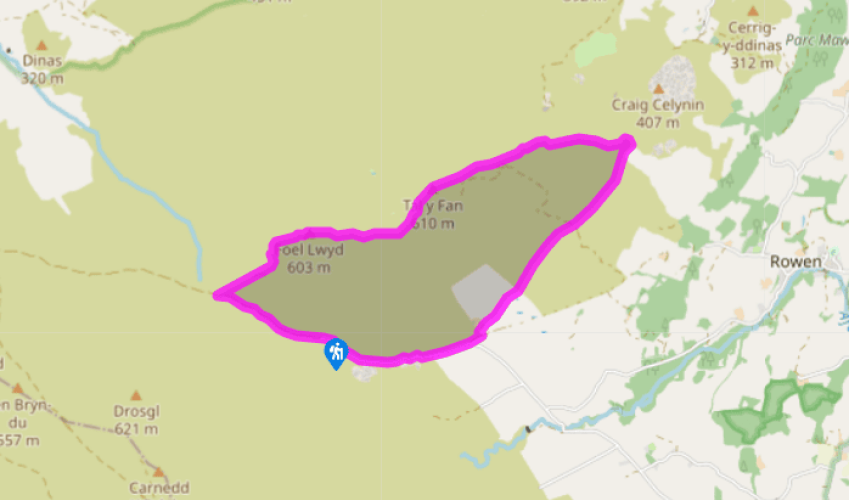
From the car park at the top of the metalled section of the road to Bwlch y Ddeufaen, continue along the road, which is now unsurfaced, and follow it past the ancient standing stones to the high pass itself, where you go through a gate in a crossing wall.
Turn right and follow the course of the wall, across the pass under three lines of electricity pylons, and then up the steep, rocky slopes of Foel Lwyd. Ignore any stiles on the right. A narrow footpath continues, first descending then climbing to the even rockier summit of Tal y Fan.
View all directions
Additional information
Terrain
- Cart tracks and narrow mountain paths, some stiles
Landscape
- Moor and mountain
Dog friendliness
- Can be off the lead on high ridges, but should be kept under tight control on farmland
Parking
- Free car park at end of Bwlch y Ddeufaen road, off B5106 Conwy–Llanwrst road
Toilets en route
- None on route
About the walk
When you’re driving along the A55 past Colwyn Bay, the first close-up views of Snowdonia reveal themselves across the Conwy Estuary. The peak that captures the eye here rises up behind Conwy Mountain and has just enough crags on top to ruffle its otherwise smooth whaleback outline. The mountain is...
Read more
Been on this walk?
Send us photos or a comment about this route. Or recommend a route of your own.
Walking in Safety
Read our tips to look after yourself and the environment when following this walk.
Get an AA guide
Explore our range of ‘50 Walks in’ guides - they’re the ideal companion for a ramble.
Been on this walk?
Send us photos or a comment about this route. Or recommend a route of your own.
Walking in Safety
Read our tips to look after yourself and the environment when following this walk.
Get an AA guide
Explore our range of ‘50 Walks in’ guides - they’re the ideal companion for a ramble.
About the area
The majority of the population of Conwy lives along its picturesque coastline, while a third of the county falls within jaw-dropping landscape of the Snowdonia National Park. The town of Conwy, which takes its name from the county (which in turn was named after the river that runs through it), is undoubtedly one of the great treasures of Wales.
Nearby places to stay
View all (8)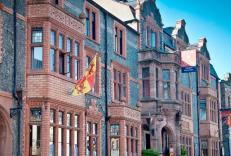





Nearby places to stay
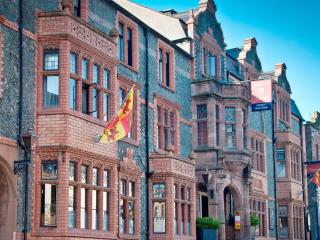
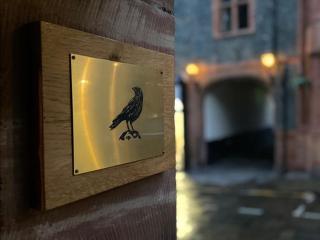
Castle Hotel Conwy
Castle Hotel is an iconic 16th-century building that offers a relaxed and friendly atmosphere. The hotel is well located on Conwy's High St, with rooms and a terrace that offers incredi...
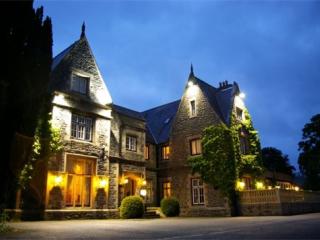
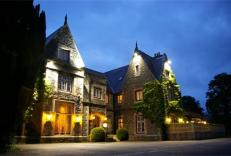
Maenan Abbey
Maenan Abbey is a small, personally-run country house in a great location in Eryri National Park. Visitors can enjoy the huge amount of local attractions, walking and outdoor activities...
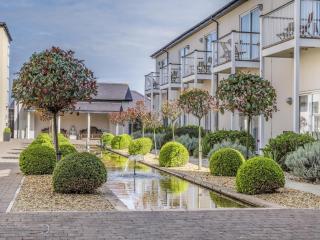
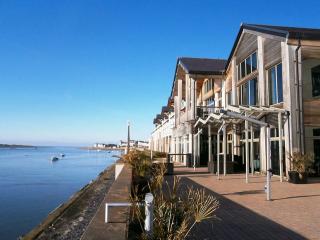
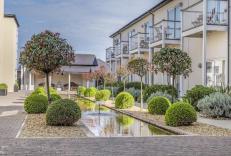
Quay Hotel & Spa
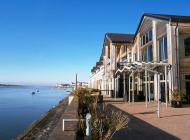
This luxury hotel occupies a stunning position beside the estuary on Deganwy Quay overlooking Conwy Castle and Snowdonia. Sleek, contemporary design runs through all aspects here. Spaci...
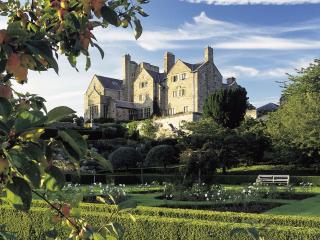
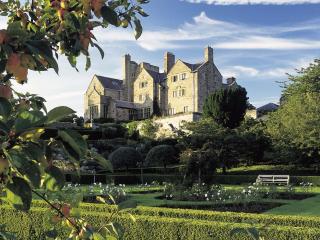
Bodysgallen Hall and Spa
Bodysgallen Hall is a 17th-century house situated in its own parkland and formal gardens, occupying an elevated position, with views towards Snowdonia and across to Conwy Castle. The lo...
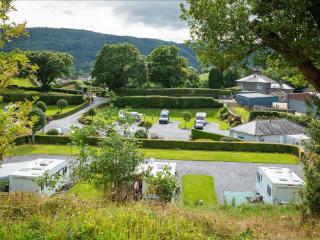
Bron Derw Touring Caravan Park
Bron Derw, once a dairy farm, is beautifully landscaped with stunning floral displays and is surrounded by hills. The park has been built to a very high standard and is fully matured. A...
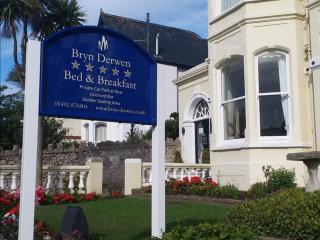
Bryn Derwen
Located in a quiet area of Llandudno, Bryn Derwen is just a short walk from the main shopping area and local restaurants. A friendly welcome is assured at this impressive Victorian hous...
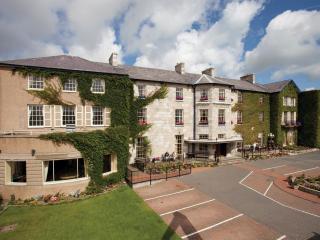
The Bulkeley Hotel
A Grade I listed hotel built in 1832, The Bulkeley is just 100 yards from the 13th-century Beaumaris Castle in the centre of town. Friendly staff create a relaxed atmosphere. Refreshmen...
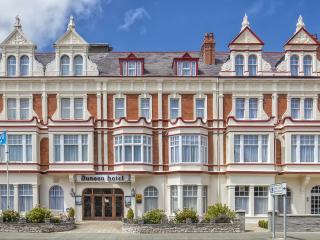
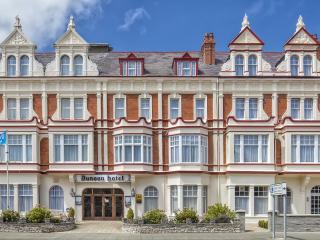
Dunoon Hotel
This impressive, privately-owned hotel is centrally located and offers a variety of well-equipped bedrooms. Elegant public areas include choice of bars, lounge with open fire and a tast...
Places to eat nearby View all