Cadgwith and the serpentine route
Recommended by

Walk directions
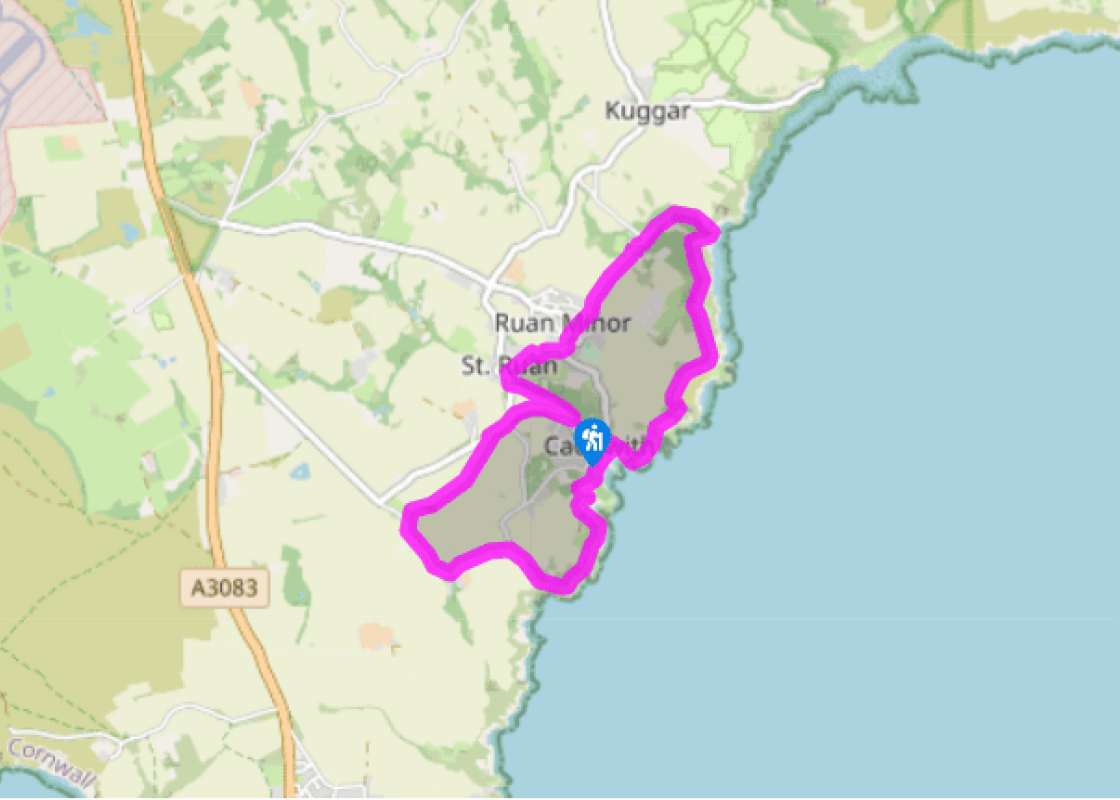
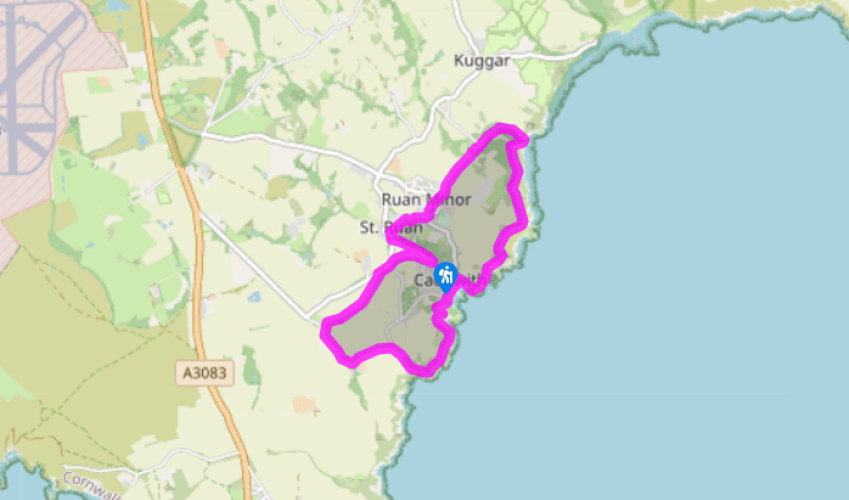
Leave the car park by the far end following the ‘Footpath to Village’ sign. Immediately after turn left along a grassy ride just below the car park, and follow this along to a stile. Bear right off the track to continue through a gate and then on into woodland. Turn right at a lane, and cross a stream, then on the corner, go up a track and continue along to the main road at Ruan Minor.
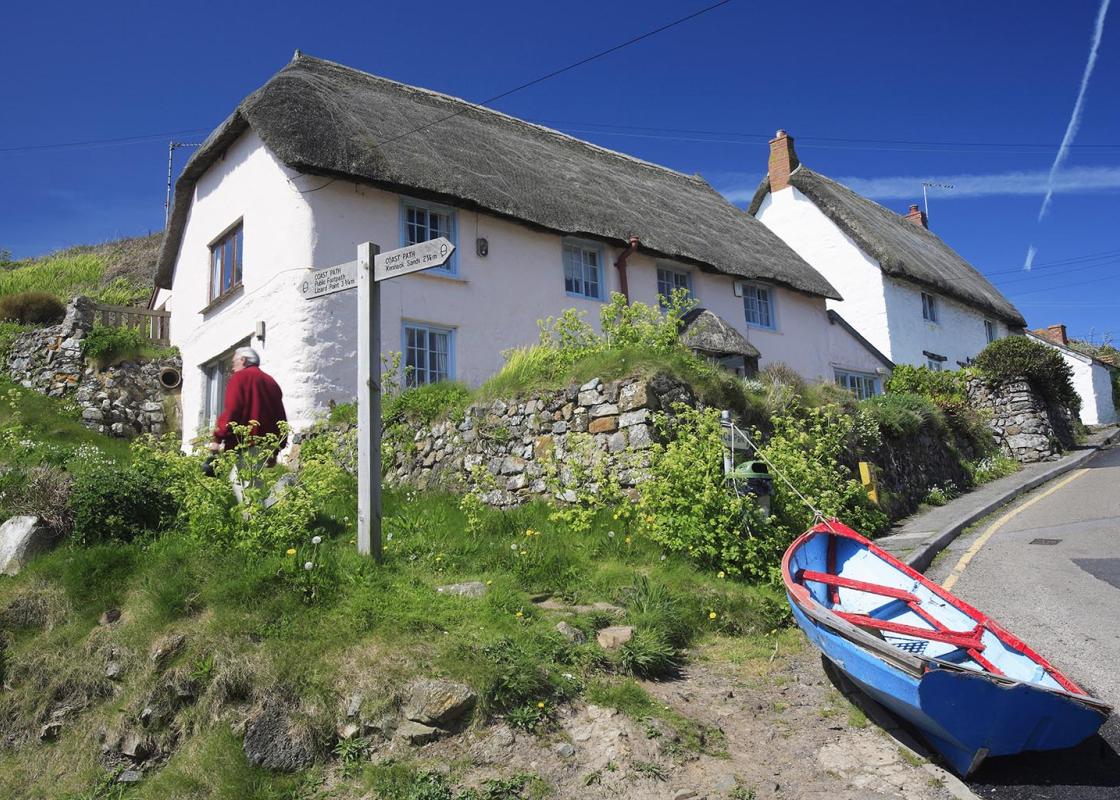
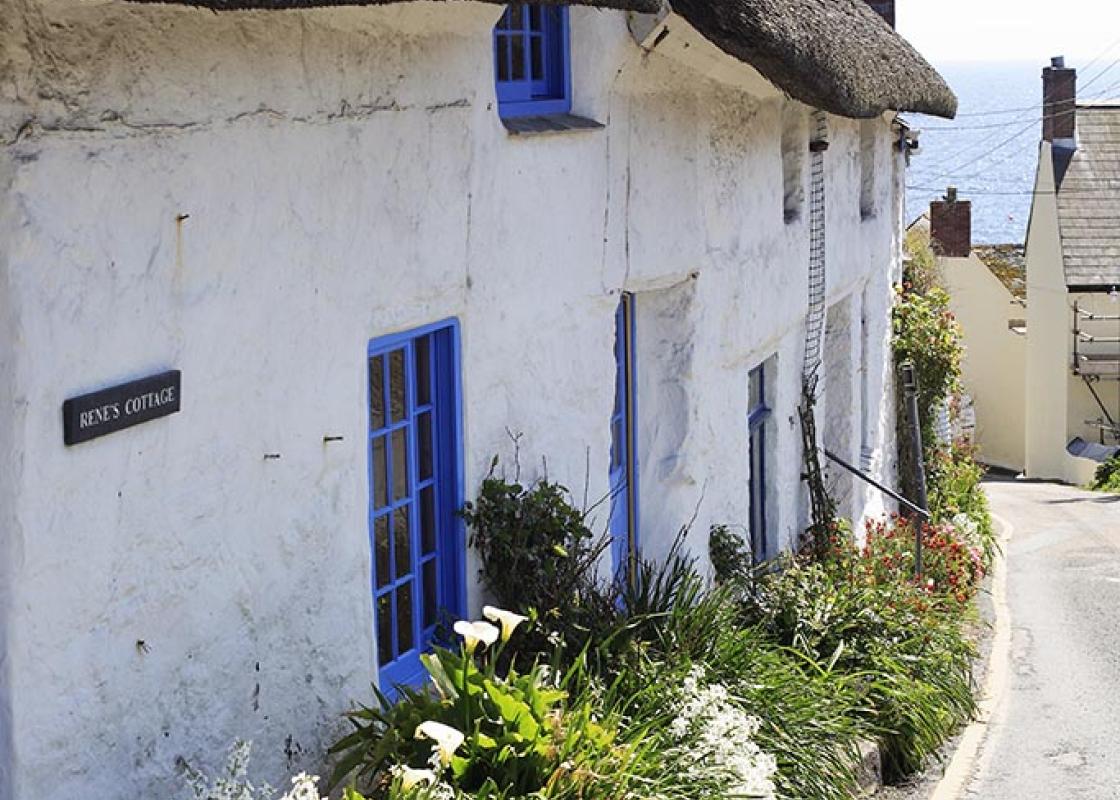
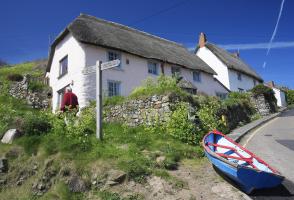
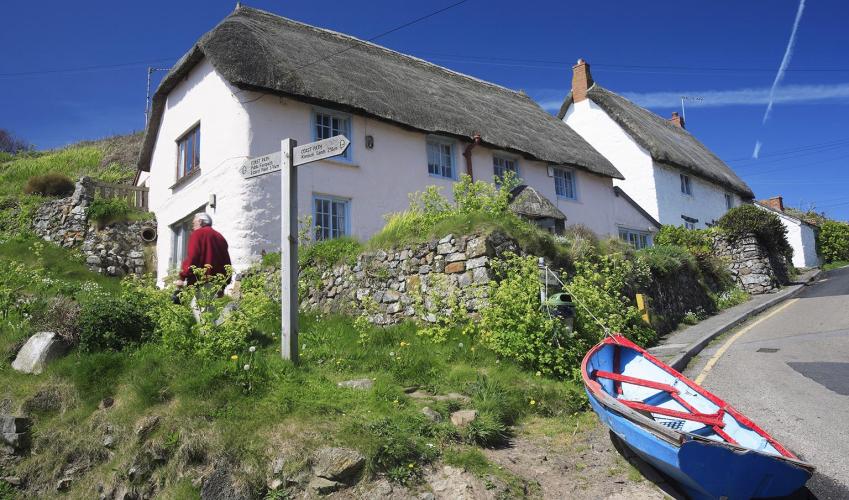
Go left and, just beyond the shop, turn left down a surfaced path. Rejoin the main road by a thatched cottage (there are toilets just before the road). Cross diagonally right, then go down a lane next to a school and pass the Church of St Ruan.
View all directions
Additional information
Terrain
- Very good, occasionally rocky in places; rocks may be slippery when wet
Landscape
- Landlocked lanes and woodland tracks, coastal footpaths high above the sea
Dog friendliness
- May be off lead on coastal paths, but keep under strict control on field paths
Parking
- Cadgwith car park, about 350yds (320m) from Cadgwith (busy in summer)
Toilets en route
- Ruan Minor and Cadgwith
About the walk
The rock of the Lizard Peninsula is fascinating by name and by nature. Its geological label, serpentinite, is a word that fails to slither quite so easily off the tongue as does its popular usage, ‘serpentine’. The name derives from the sinuous veins of green, red, yellow and white that wriggle...
Read more
Been on this walk?
Send us photos or a comment about this route. Or recommend a route of your own.

Walking in Safety
Read our tips to look after yourself and the environment when following this walk.
Get an AA guide
Explore our range of ‘50 Walks in’ guides - they’re the ideal companion for a ramble.
Been on this walk?
Send us photos or a comment about this route. Or recommend a route of your own.
Walking in Safety
Read our tips to look after yourself and the environment when following this walk.
Get an AA guide
Explore our range of ‘50 Walks in’ guides - they’re the ideal companion for a ramble.
About the area
Cornwall has just about everything – wild moorland landscapes, glorious river valley scenery, picturesque villages and miles of breathtaking coastline. Known for its popular surfing spots, the region provides ample opportunities for water sport enthusiasts, and for those who prefer to stay on land, visitor attractions like the Eden Project and the Lost Gardens of Heligan offer a lovely day out.
Nearby places to stay
View all (8)



Caravan & Camping
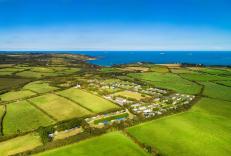
Little Trevothan Camping and Caravan Park

- Launderette
- Ice pack facility
- BBQ
- Shop onsite
Nearby places to stay
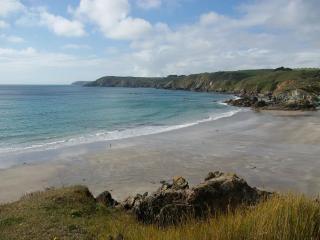
Silver Sands Holiday Park
Silver Sands Holiday Park is a relaxed and peaceful park in a remote location, with individually screened pitches providing sheltered sun traps. There is a very engaging atmosphere with...
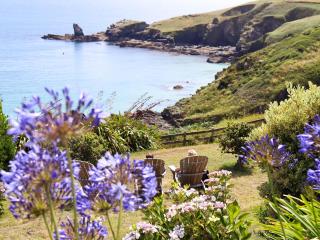
Housel Bay
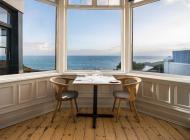
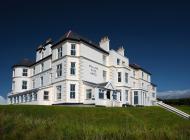
The long-established hotel at Housel Bay has much to offer, not least being the simply stunning views across the Western Approaches, seen from the lounge and many of the bedrooms. Accom...
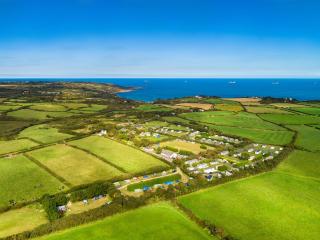
Little Trevothan Camping and Caravan Park
Little Trevothan Camping and Caravan Park is a secluded site, with excellent facilities, near the unspoilt fishing village of Coverack on the Lizard Peninsula, with a large recreation a...
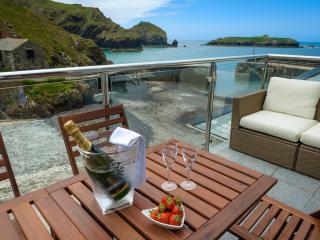
Mullion Harbour and Harbour View Apartments
With uninterrupted views of the picturesque Mullion Harbour, these fabulous apartments, three with private balconies and hot tubs, sit in an enviable position right on the edge of the q...
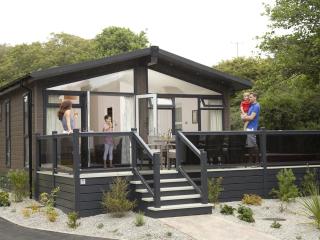
Mullion Cove Park
Mullion Cove Park is a stunning Cornwall retreat. Lodges are equipped with all the home-from-home features you could ask for, with fully equipped kitchens, complimentary WiFi and a rang...
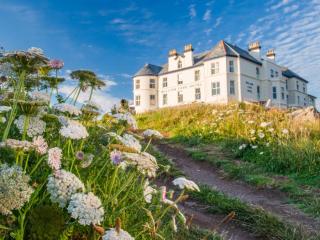
Mullion Cove Hotel & Spa
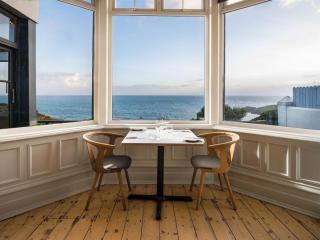
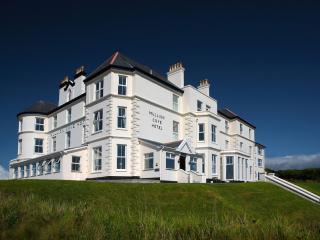
Mullion Cove Hotel was built at the turn of the last century and is set high above the working harbour of Mullion, giving it spectacular views of the rugged coastline; seaward facing ro...
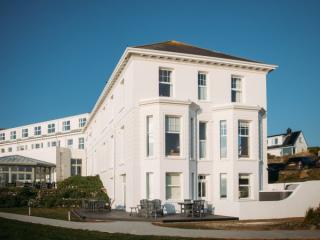
Polurrian on the Lizard
Polurrian on the Lizard boasts a stunning cliff-top position with spectacular views across Mount's Bay. Elegant public areas offer a contemporary, stylish and relaxing environment. With...
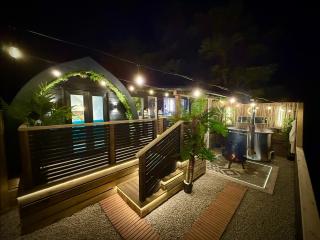
The Secret Garden Glamping
Awaiting description....
Places to eat nearby View all