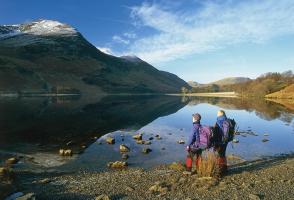
Around Buttermere
Recommended by

Our view
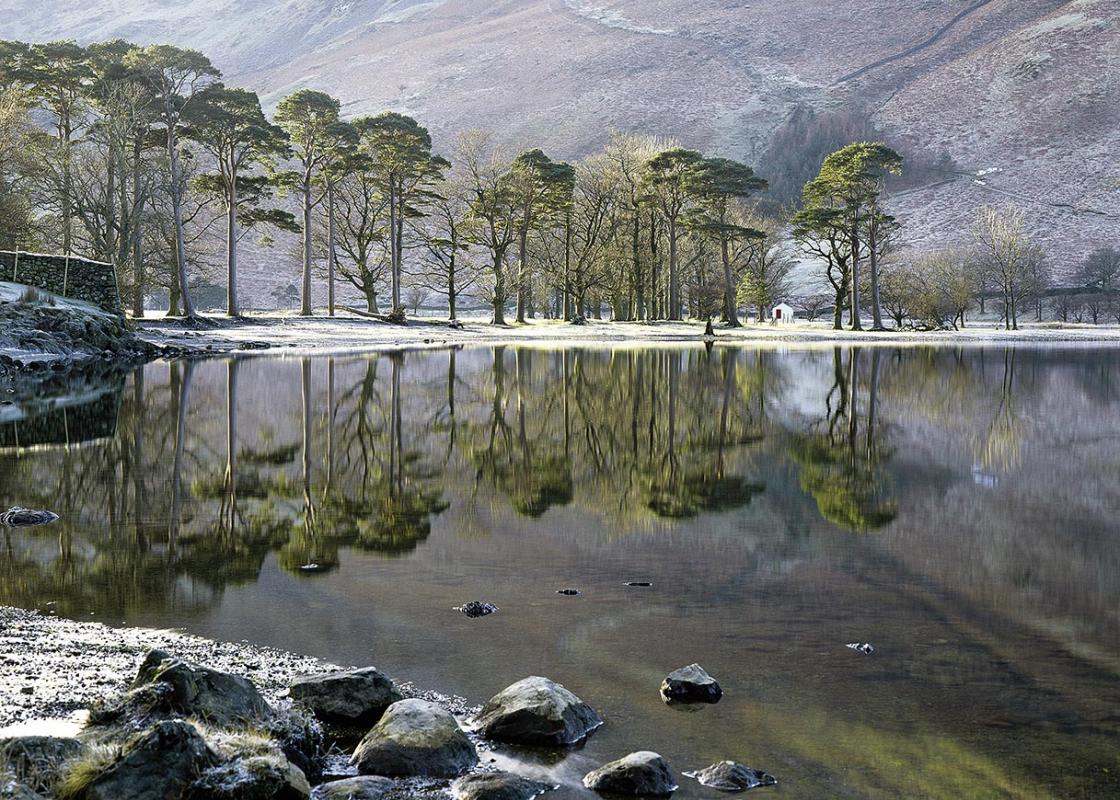
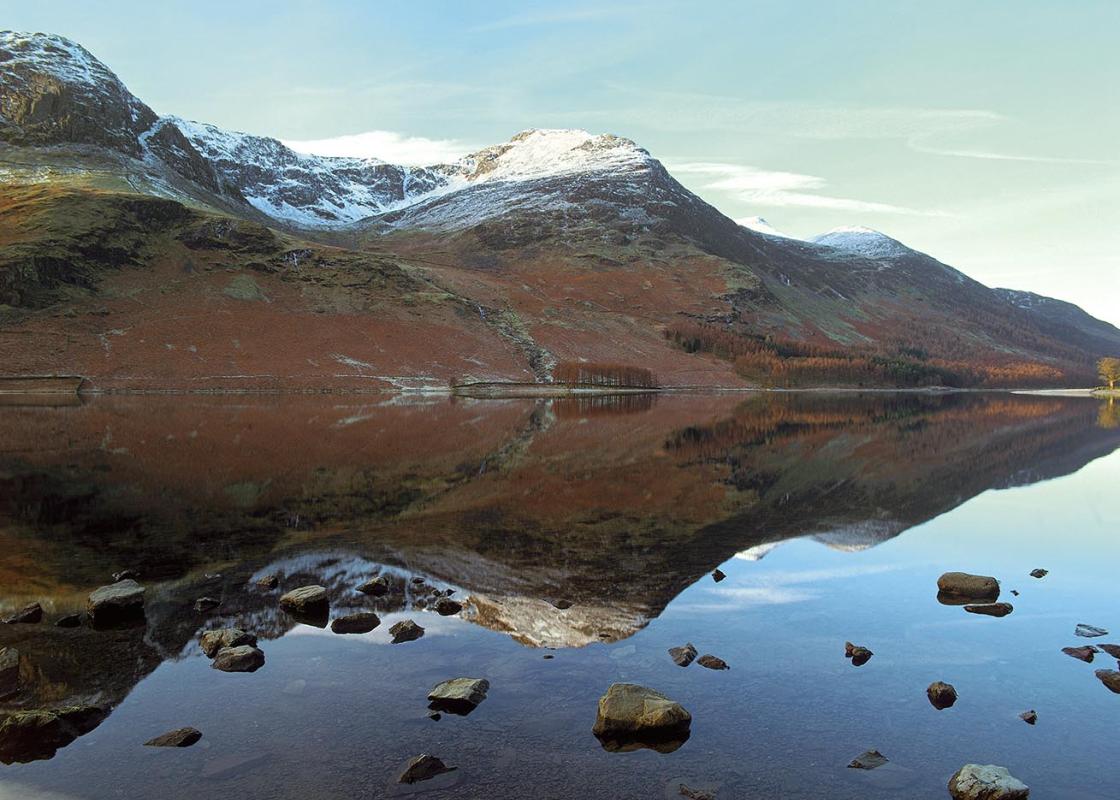
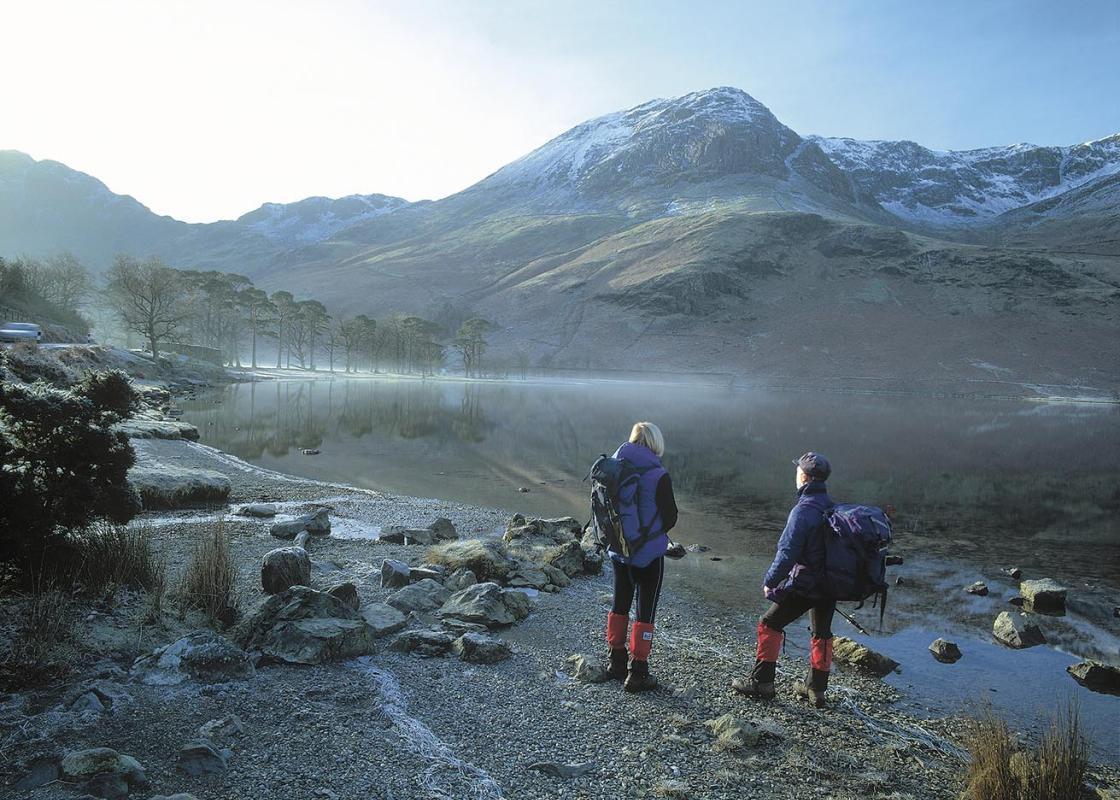
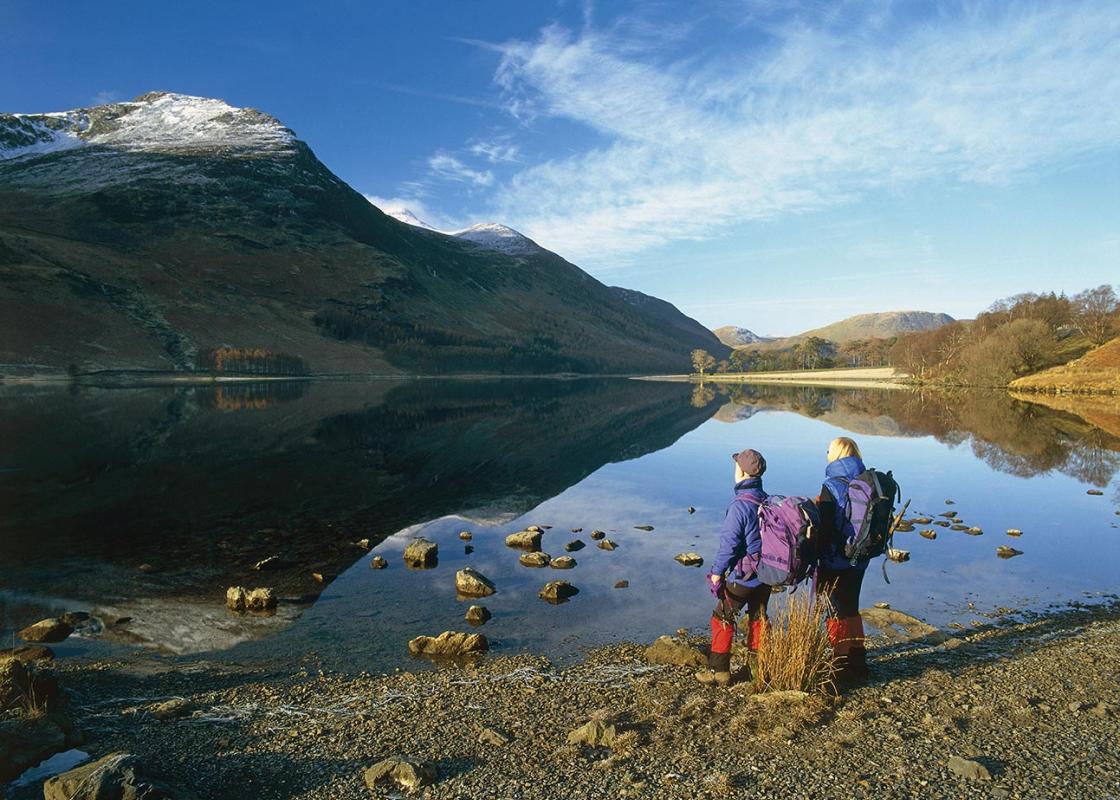
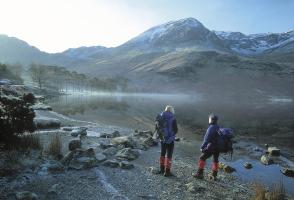
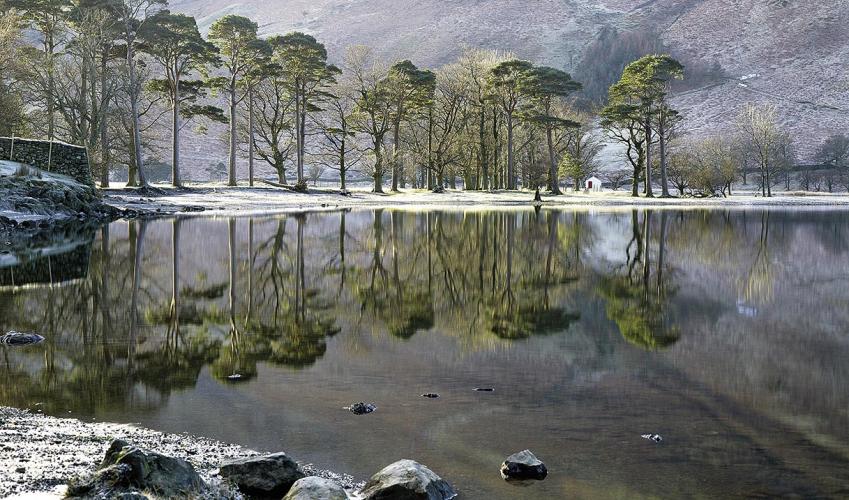
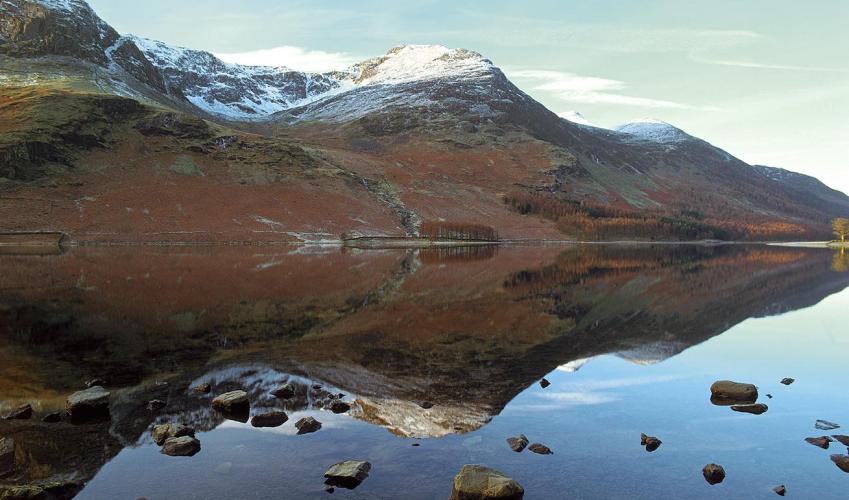
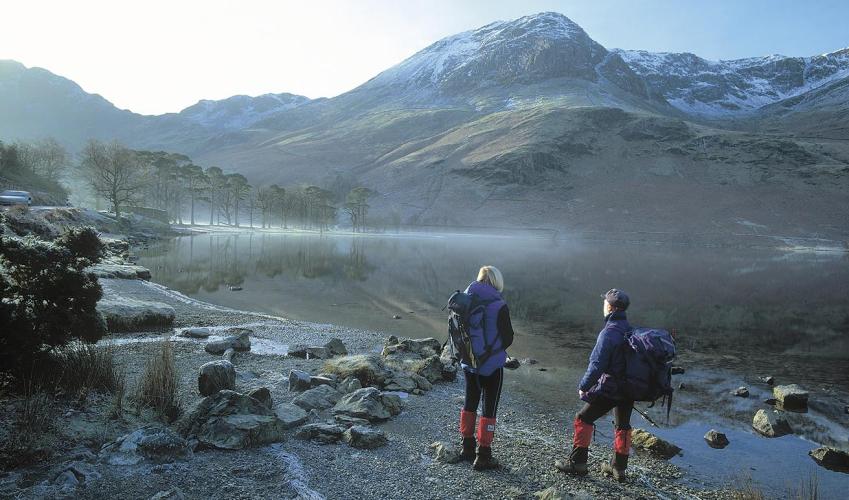
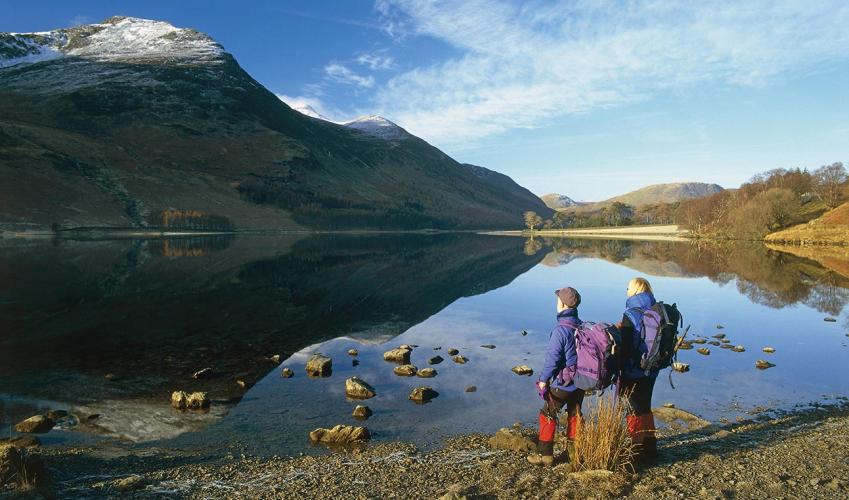
"A relaxing walk in one of Lakeland's most attractive valleys."
Walk directions
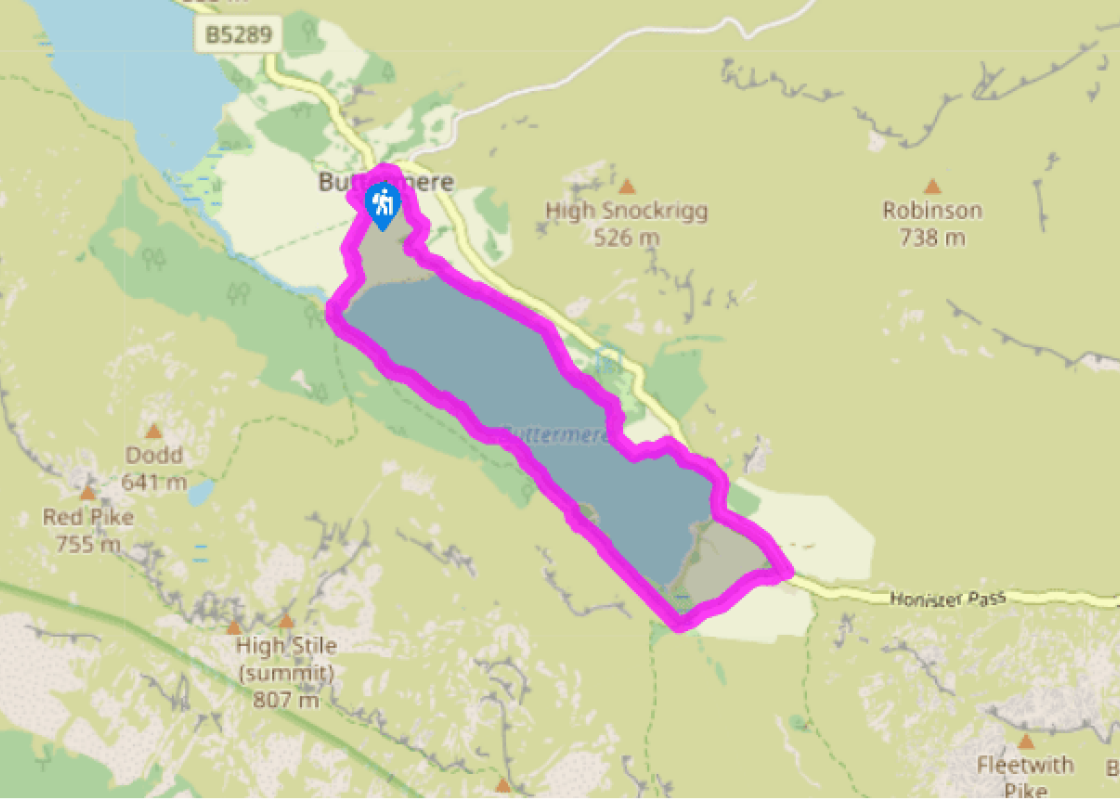
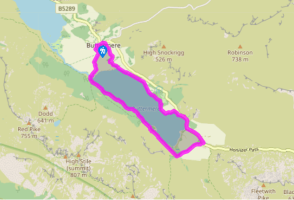
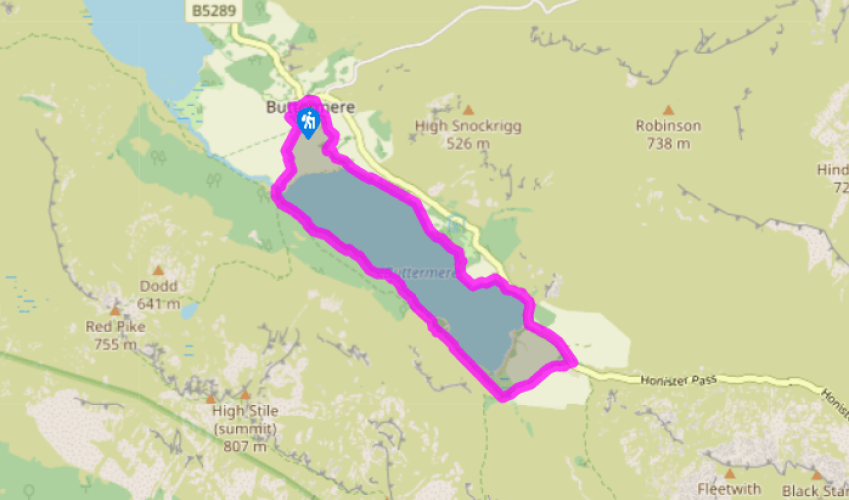
Leave the car park and turn right, passing the Buttermere Court Hotel to follow a broad track through gates. Ignore the signposted route to Scale Force and continue along the track towards the edge of the lake, then follow the line of a hedgerow, right, to a bridge at Buttermere Dubs.
Cross a second, smaller footbridge and go through a gate in the wall at the foot of Burtness Wood and the cascade of Sourmilk Gill. Turn left on a track through the woodland that roughly parallels the lakeshore. Keep left at any forks to stay close to the water’s edge. You finally emerge from the woods via a gate near Horse Close, where a bridge spans Comb Beck.
Keep on along the lower path to reach a meeting of walls. Go left through the gate, cross Warnscale Beck and walk out to Gatesgarth Farm. Walk along the fenced path to the left of the farmyard to reach the valley road. A short stretch of road walking, left on the B5289, now follows, along which there are no pathways. Be careful of approaching traffic.
View all directions
Additional information
Terrain
- Good paths, some road walking
Landscape
- Lake, fells, woodland and farmland
Dog friendliness
- On lead near farms and open fells where sheep are grazing
Parking
- Car park beyond the Buttermere Court Hotel (fee)
Toilets en route
- At start
About the walk
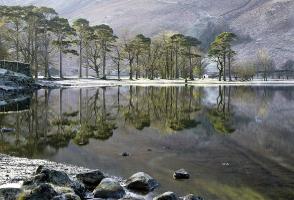
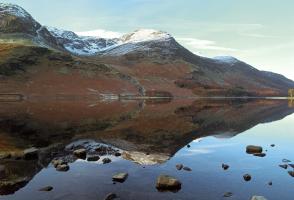
Much has been written about Buttermere, the dale, the village and the lake; it remains, as it has been since Victorian times, a popular place displaying ‘nature’s art for art’s sake’, as W G Collingwood described it in The Lake Counties (1902). Nicholas Size’s historical romance, The Secret Valley...
Read more
Been on this walk?
Send us photos or a comment about this route. Or recommend a route of your own.
Walking in Safety
Read our tips to look after yourself and the environment when following this walk.
Get an AA guide
Explore our range of ‘50 Walks in’ guides - they’re the ideal companion for a ramble.
Been on this walk?
Send us photos or a comment about this route. Or recommend a route of your own.
Walking in Safety
Read our tips to look after yourself and the environment when following this walk.
Get an AA guide
Explore our range of ‘50 Walks in’ guides - they’re the ideal companion for a ramble.
About the area
Cumbria's rugged yet beautiful landscape is best known for the Lake District National Park that sits within its boundaries. It’s famous for Lake Windermere, England’s largest lake, and Derwent Water, ‘Queen of the English Lakes', but other lesser-known areas in the south, such as the Lune Valley and the coastal towns, are secret gems of wide cobbled streets and rolling hills.
Nearby places to stay
View all (8)




Nearby places to stay
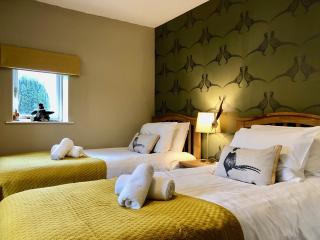
Kirkstile Inn
This historic 16th-century inn lies in a valley surrounded by mountains. Serving great food and ale, its rustic bar and adjoining rooms prove to be a mecca for walkers. There is also a ...
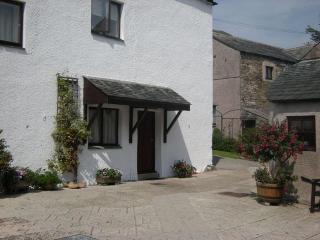
Crummockwater Cottages
Crummockwater Cottages in Loweswater enjoy stunning views of Crummock Water and the surrounding fells including Haystacks and Great Gable. The cottages are the converted barns and stabl...
Crummock Cottage
Awaiting description...
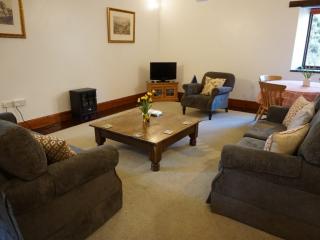
Loweswater Cottage
Awaiting description...
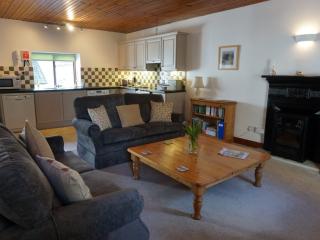
Buttermere Cottage
Awaiting description...
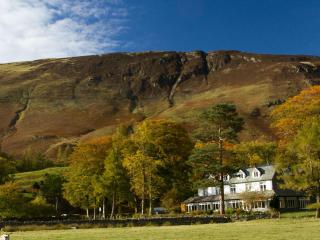
Borrowdale Gates Hotel
Close to the village, Borrowdale Gates Hotel is in the peaceful Borrowdale Valley, in its own three-acre wooded grounds. Great for access to some of the Lakes best hiking, cycling and o...
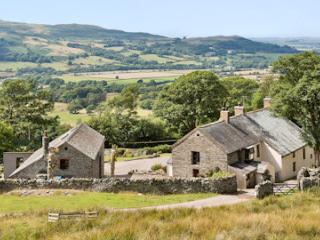
High Swinside Holiday Cottages
With an idyllic hillside setting and glorious panoramic views, High Swinside Holiday Cottages occupy a memorable spot in the peaceful Lorton valley. Sleeping between two to nine people,...
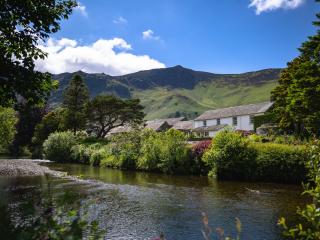
Grange Bridge Cottage
A tastefully upgraded 17th-century former logger’s dwelling, Grange Bridge Cottage occupies a beautiful position in the village of Grange overlooking the Derwent River. There is an equi...
Places to eat nearby View all