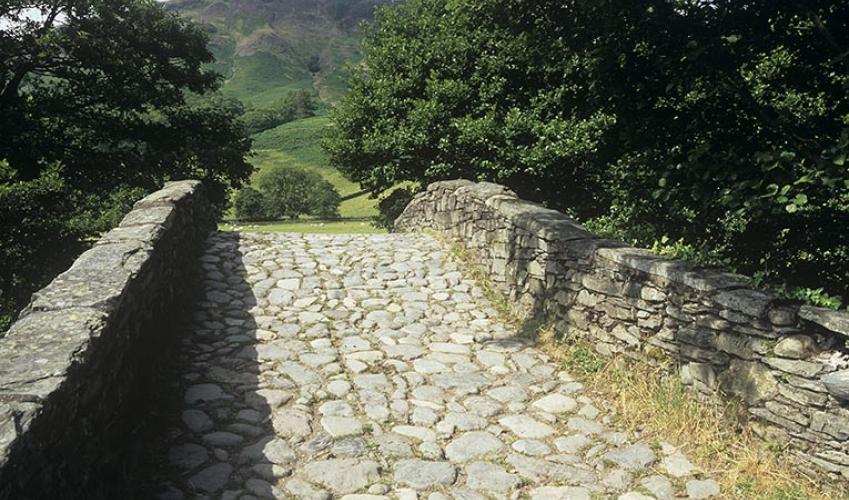
High on Cat Bells
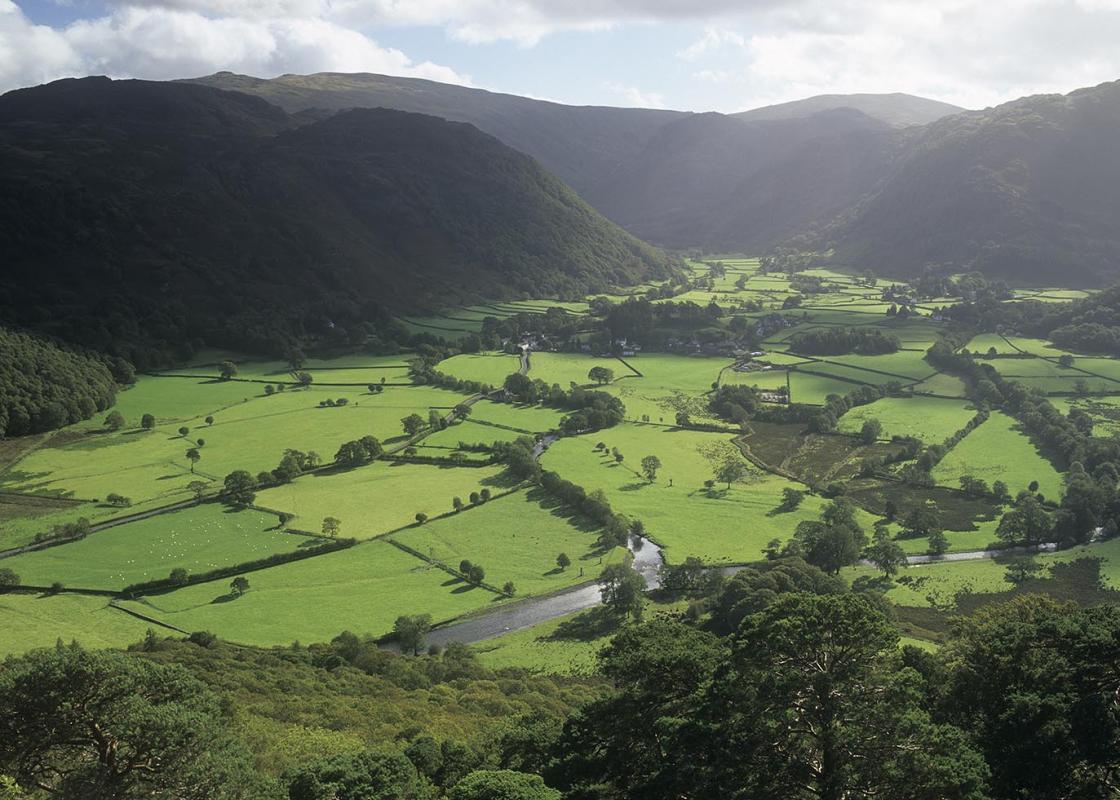
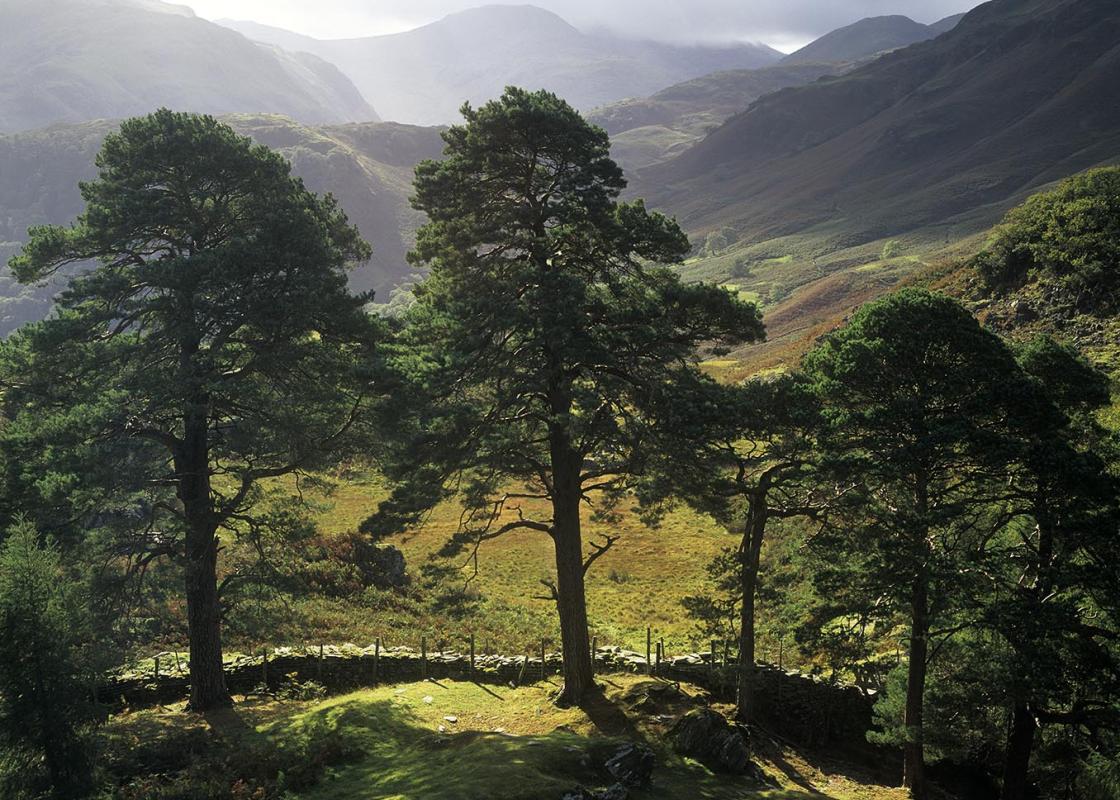
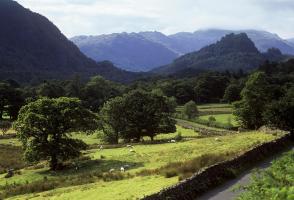
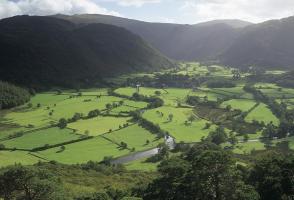
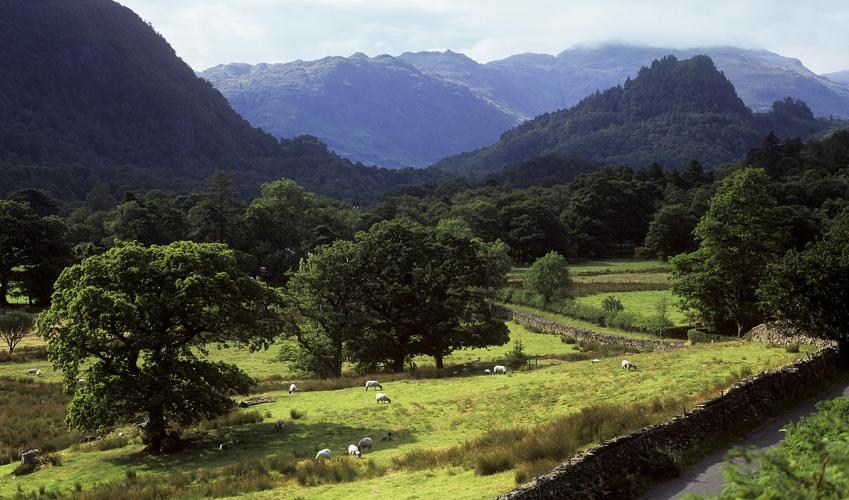
"A delightful romp high above two lovely valleys steeped in industrial history culminates in views over Derwent Water."
Walk directions
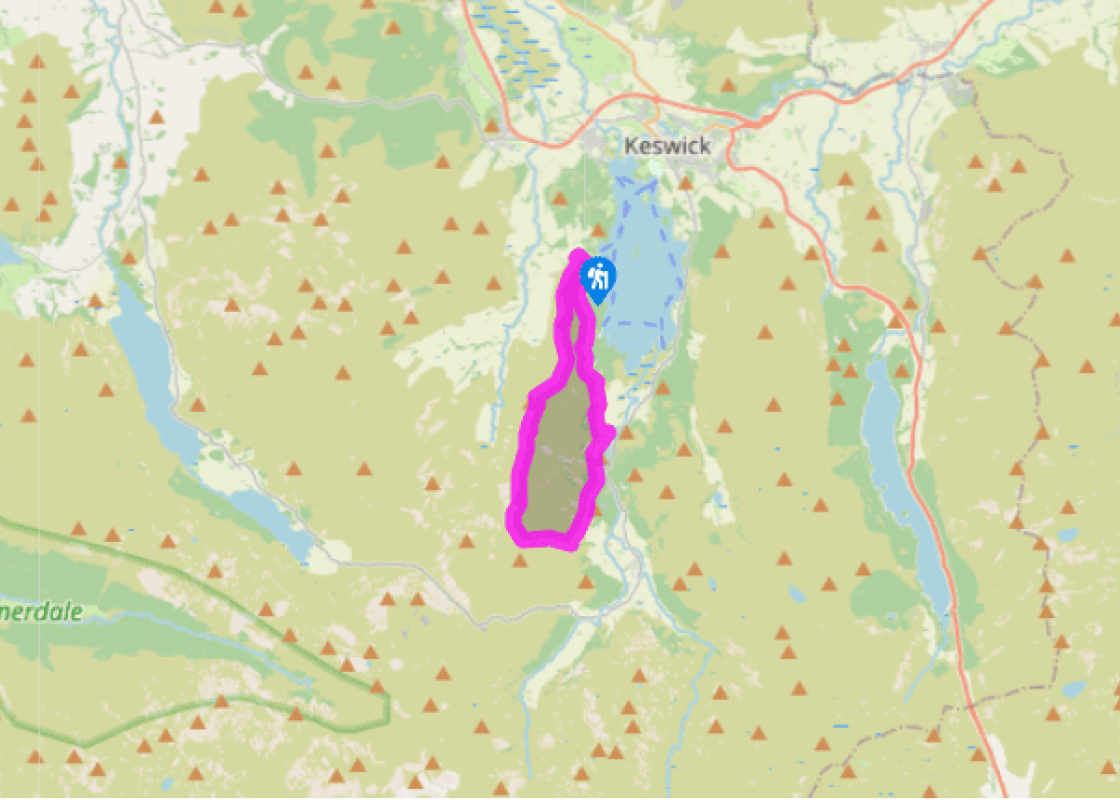
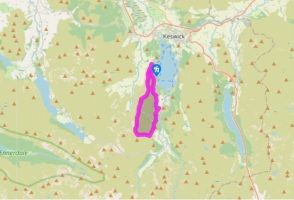
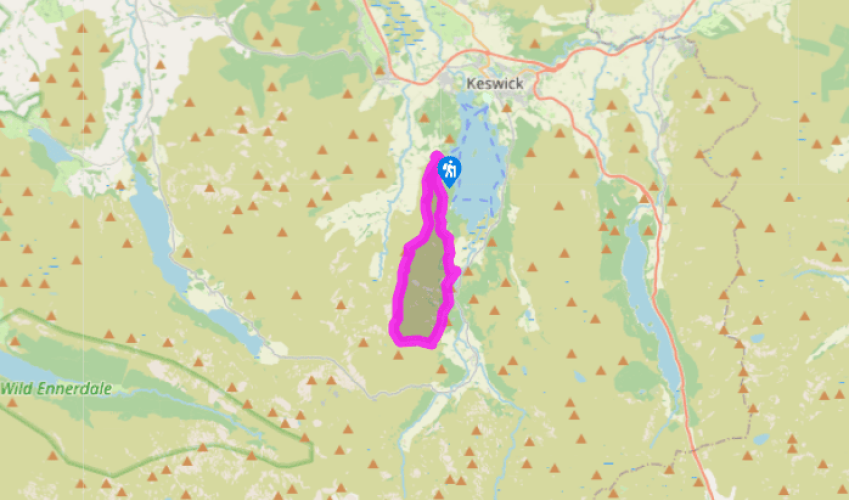
Take the path climbing from the eastern end of the car park. On a bend to the right, bear right at a fork in the path. This becomes stepped and rocky as it rises steeply. Continue uphill, clambering up small rocky outcrops before reaching Skelgill Bank. The onward route keeps to the centre of a grassy ridge, before rising through more rock outcrops to Cat Bells.
From Cat Bells descend easily to the broad col of Hause Gate. Go forward across Hause Gate on a clear path and onto the broad expanse of Maiden Moor, across which a good path leads to the summit of High Spy, marked by a tall cairn.
Head down a path towards the col housing Dalehead Tarn. Gradually, the top end of the ravine of Tongue Gill appears over to the left. Strike off southeast towards it about 500yds (457m) after leaving High Spy’s summit cairn. Such paths as there are across to Tongue Gill are indistinct and invariably wet underfoot, but just keep heading for a fence.
Either of the stiles across the fence gives on to a path leading to a cairn at the start of a path down to Rigghead Quarries. Take care descending the steep slate paths until the gradient eases alongside Tongue Gill itself. Keeping to the south bank, follow the gill to a path T-junction, and there turn left to a gate and footbridge.
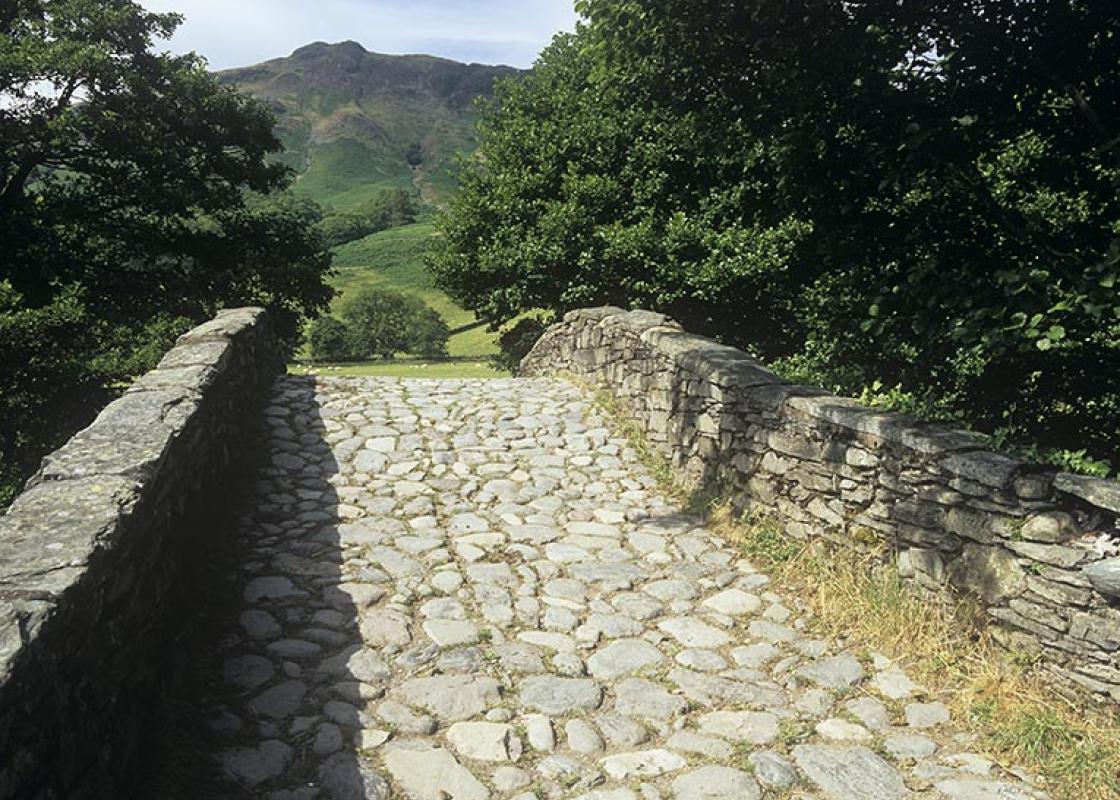
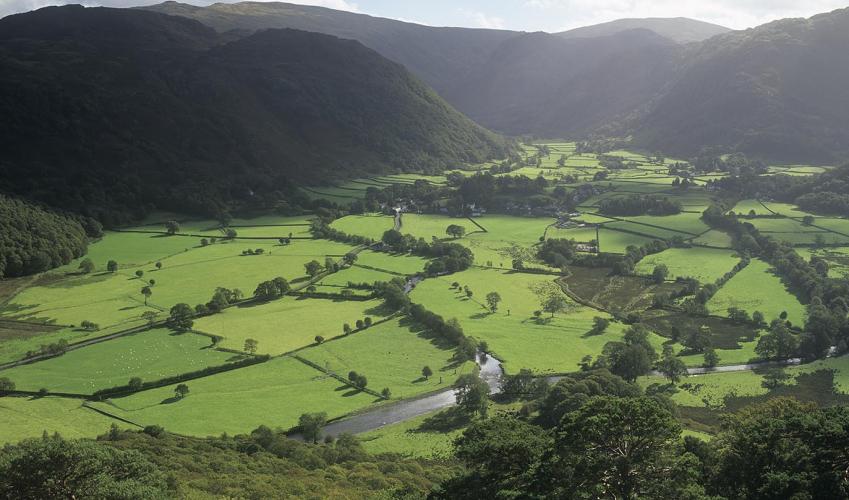
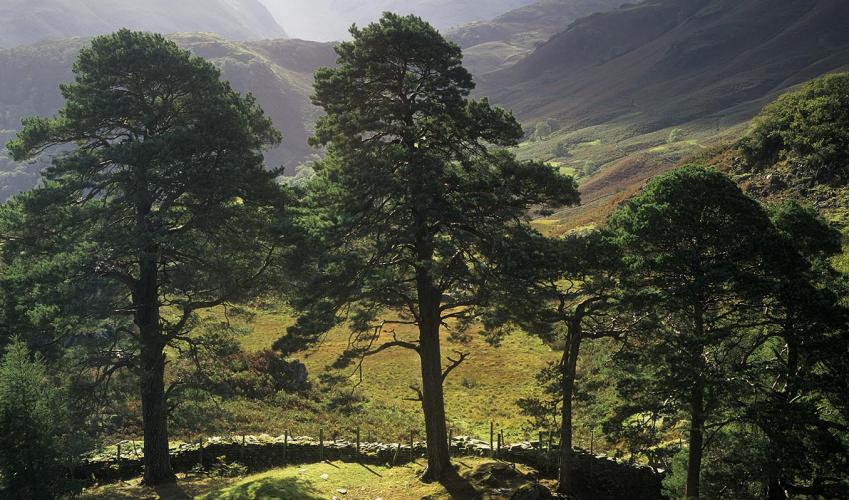
The path climbs gently and soon crosses a shallow col near Castle Crag. Go past the crag, descending, soon to enter woodland at a gate. When the path splits, bear right to cross a narrow footbridge spanning Broadslack Gill. Follow a path down to the banks of the River Derwent. Just before the river, cross a footbridge on the left and, a little further on, a second bridge. Keep to a path roughly parallel with the river until you reach a wall. Take a broad track following the wall and eventually walk out to a surfaced lane. Go right and walk up to Grange village, then left, following the road.
Just after Manesty Cottages, branch left onto a path climbing gently above the road to a gate. Through this, go forward onto a gently rising broad track and, when it forks, bear right, heading for a path above a wall. Pressing on beyond Brackenburn, the footpath, which affords lovely views of Derwent Water, soon dips to make a brief acquaintance with the road at a small quarry car park. Beyond this gap immediately return to a gently rising path – this is an old road, traversing the lower slopes of Cat Bells. Nearing Hawes End, keep right when the path splits. Turn left at the road and left again to return to the car park.
Additional information
Terrain
- Generally good paths, but slippery on bare rock on ascent of Cat Bells and indistinct above Tongue Gill, 2 stiles
Landscape
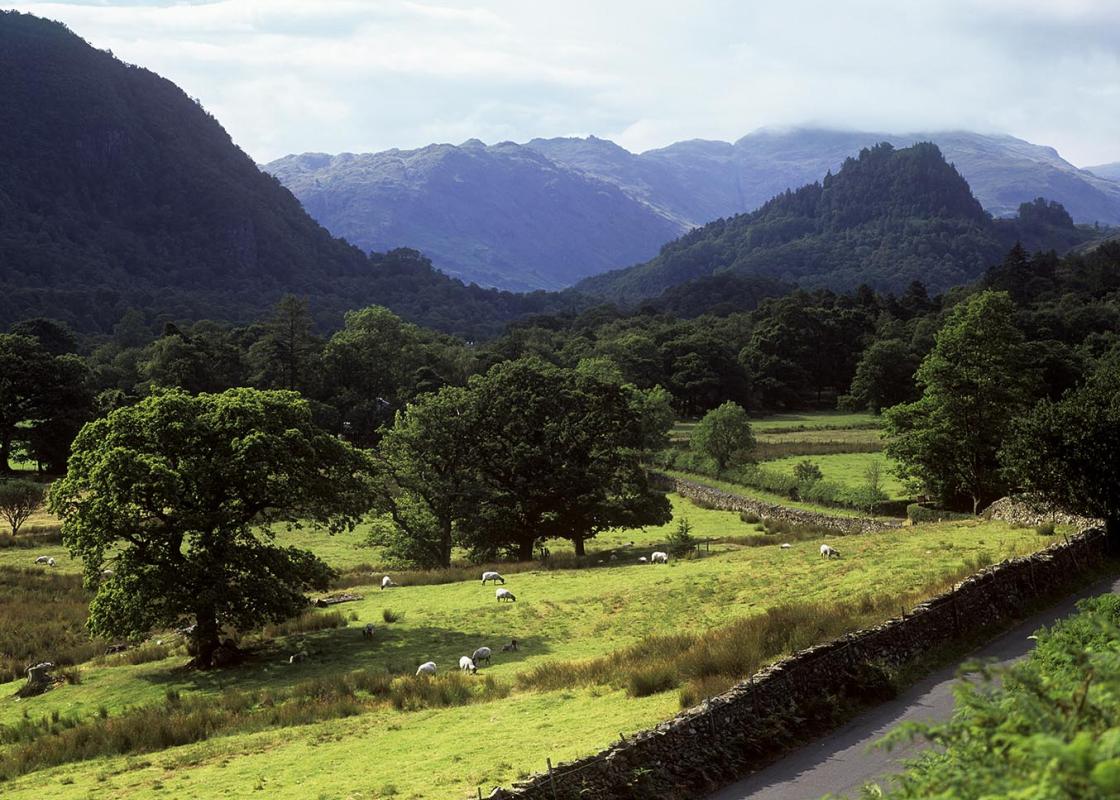
- Fell ridge tops, quarry workings, woodland, riverside path
Dog friendliness
- No particular problems, though sheep roam the tops
Parking
- Parking area between Hawes End and Skelgill
Toilets en route
- Public toilets in Grange
About the walk
Both Borrowdale and the Newlands Valley, like many parts of Lakeland, have seen extensive periods of industry from an early age. This walk takes you over Maiden Moor, from where you can see scree issuing from the workings of an old mine in Newlands. This Goldscope, a name that first appears in... records during the reign of Elizabeth I, who imported German miners to work here in a serious attempt to exploit England’s own resources to reduce dependency on imports. The name is a corruption of ‘Gottesgab’ or ‘God’s gift’, so called because it was one of the most prosperous mines in Lakeland. Copper was mined here as early as the 13th century from a vein 9ft (2.7m) thick. The mine also produced large quantities of lead, a small amount of silver and a modicum of gold. Copper ore was taken by packhorse to the shores of Derwent Water by way of Little Town. It was then transported to a smelter on the banks of the River Greta, at Brigham. From here the copper went to the Receiving House (now the Moot Hall) in Keswick, to receive the Queen’s Mark. The Rigghead Quarries in Tongue Gill produced slate from levels cut deep into the fellside and a number of adits are still open, though they are dangerous and should not be explored. But the real secret of these fells is wad, more commonly known as graphite, or the lead in your pencil. Its discovery dates from the early 16th century, when trees uprooted in a storm revealed a black mineral on their roots. Shepherds soon realised that the substance was useful for marking sheep, and later for making metal castings and as a lubricant. Its other uses included a fixing agent for blue dyes, glazing pottery, a rust preventative and polishing iron. Pencils, for which graphite was ultimately used, appeared around 1660 as wooden sticks with a piece of graphite in the tip. Keswick became the world centre of the graphite and pencil industries, the first record of a pencil factory here appearing in 1832. The Cumberland Pencil Company was set up in nearby Braithwaite in 1868, and moved to Keswick 30 years later. The old factory is now the site of a pencil museum.
Read more
Been on this walk?
Send us photos or a comment about this route. Or recommend a route of your own.

Walking in Safety
Read our tips to look after yourself and the environment when following this walk.
Get an AA guide
Explore our range of ‘50 Walks in’ guides - they’re the ideal companion for a ramble.
Been on this walk?
Send us photos or a comment about this route. Or recommend a route of your own.
Walking in Safety
Read our tips to look after yourself and the environment when following this walk.
Get an AA guide
Explore our range of ‘50 Walks in’ guides - they’re the ideal companion for a ramble.
About the area
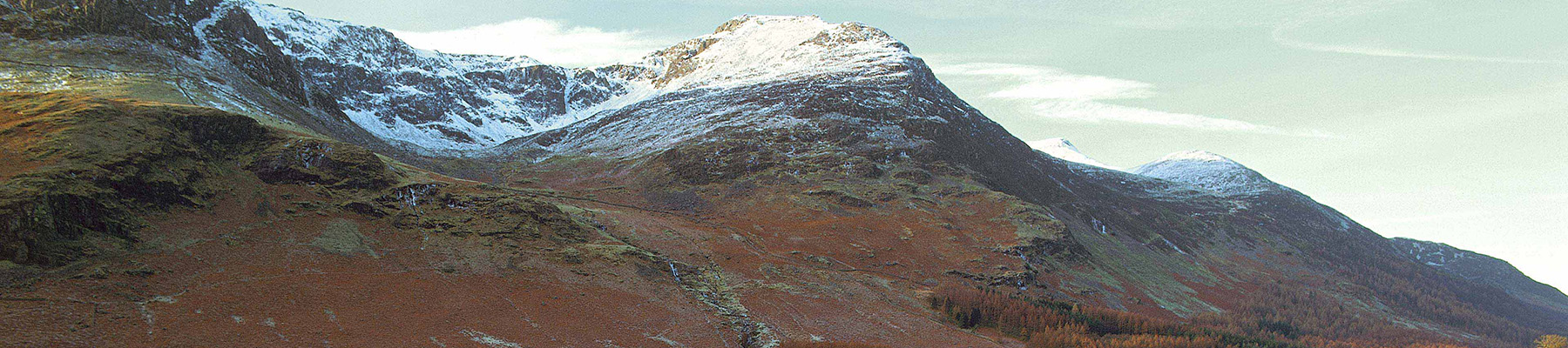
Cumbria's rugged yet beautiful landscape is best known for the Lake District National Park that sits within its boundaries. It’s famous for Lake Windermere, England’s largest lake, and Derwent Water, ‘Queen of the English Lakes', but other lesser-known areas in the south, such as the Lune Valley and the coastal towns, are secret gems of wide cobbled streets and rolling hills.
Nearby places to stay
View all (8)
Guest Accommodation
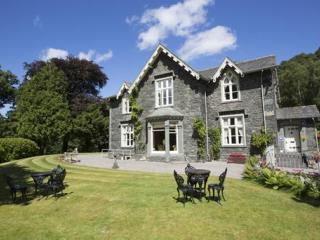
Derwent Bank
★★★★
"Lakeside country house with appealing rooms and superb views...."
Self-Catering
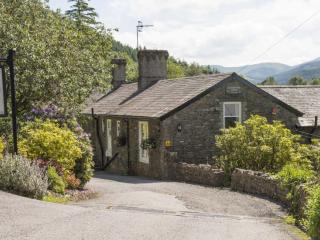
Jasmine Cottage
★★★★
"Spacious cottage for two persons..."
- Total units: 1
- Washing machine
- Sky or freeview
- Internet
Self-Catering
Jasmine Cottage
★★★★
"Spacious cottage for two persons..."
- Washing machine
- Sky or freeview
Nearby places to stay
Derwent Bank
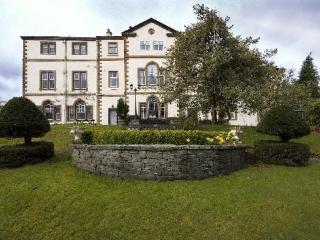
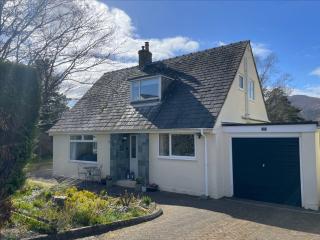
Right on the shores of Derwentwater, Derwent Bank is an 18th-century country house with a firm focus on walkers. Bedrooms are comfortable, attractively presented and well equipped; some...
★★★★ Rating
Jasmine Cottage
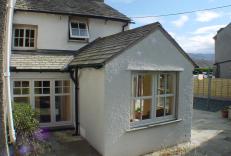
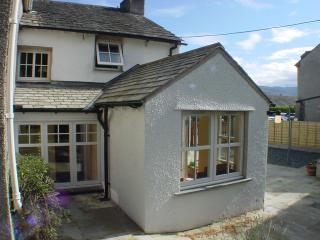
Jasmine is the perfect retreat for couples, there is both a pub and formal dining within a couple minutes’ walk from the doorstep, the cottage is only minutes away from the shores of De...
★★★★ Rating
Jasmine Cottage
Jasmine is the perfect retreat for couples, there is both a pub and formal dining within a couple minutes’ walk from the doorstep, the cottage is only minutes away from the shores of De...
★★★★ Rating
Fern Cottage
Awaiting description....
★★★★ Rating
Fern Cottage
...
★★★★ Rating
Appletree House
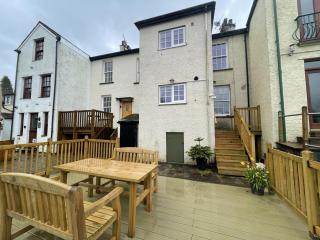
Appletree is a 3/4 bedroom, 3 bath/shower room house in the quiet Lakeside village of Portinscale (just outside Keswick). A fabulous home with much thought and consideration given to t...
★★★★ Rating
Appletree
Appletree is a 3/4 bedroom, 3 bath/shower room house in the quiet Lakeside village of Portinscale (just outside Keswick). A fabulous home with much thought and consideration given to t...
★★★★ Rating
Fell View Cottage
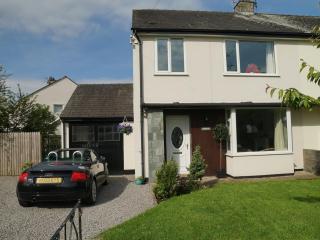
The beautiful Lakeland cottage of Fell View is sure to delight visitors with a perfect blend of modern facilities, mixed with traditional charm and character. It's close to all the amen...
★★★★ Rating