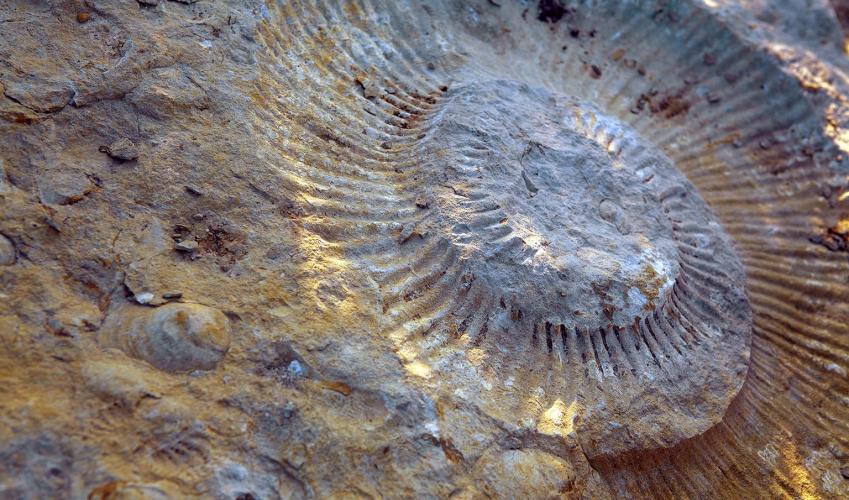
Gallows Corner and Milton Abbas
Recommended by

Walk directions
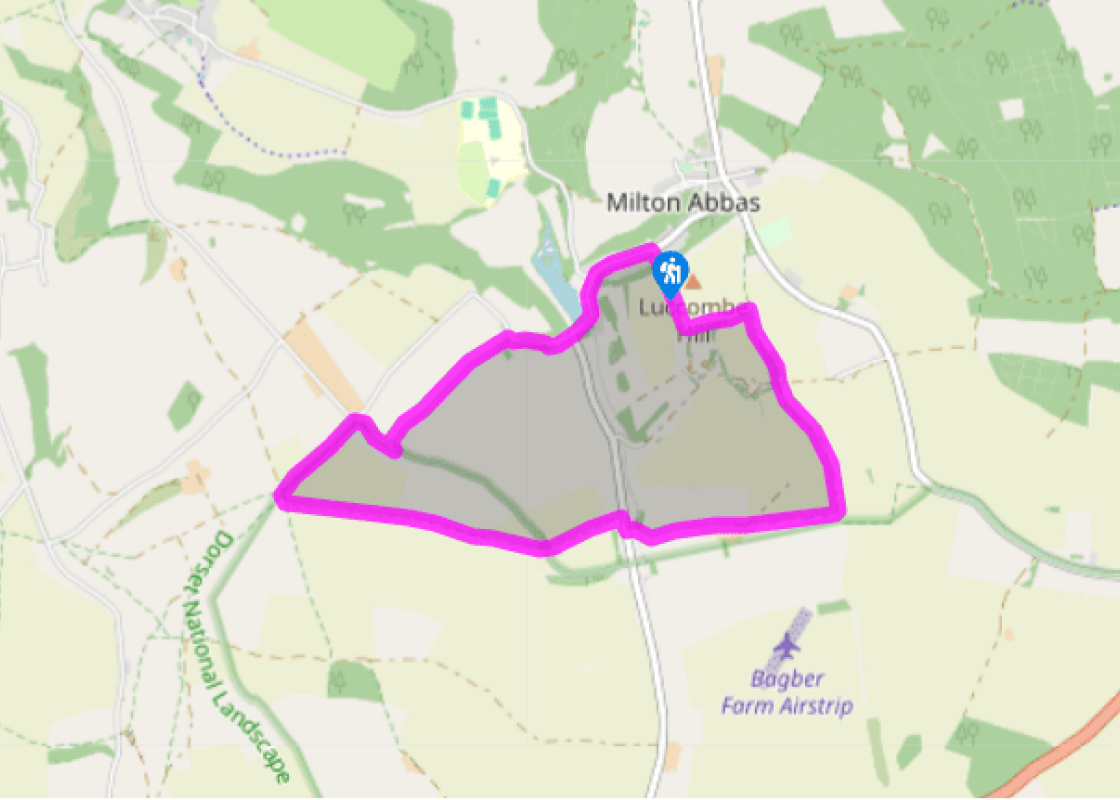
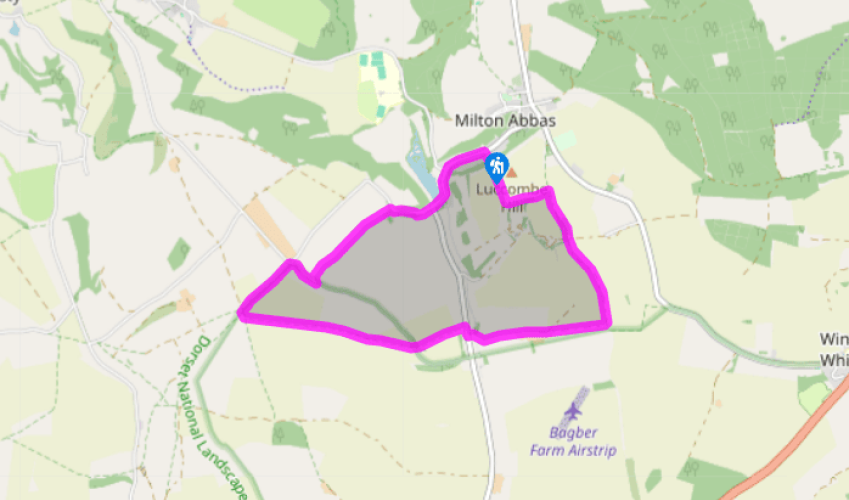
Begin in the centre of the village by St James’ Church, going up a footpath signed ‘Luccombe Hill’ to the left of the churchyard. This climbs steeply through the wood behind the church, mainly by steps. At the top, continue through gates up a grass bank onto the edge of a field and head straight across over the rise of Luccombe Hill to the corner of a wood, which soon appears at the far side. Turn left beside the trees to the corner of the field, then swing right though a gap along a hedged bridleway signed to the A354.
Emerging onto a lane, go left and immediately right onto another track. Later losing the left hedge, carry on at the field edge and leave through a kissing gate in the corner. Walk on by the left hedge to another kissing gate. Through that, turn right and climb away at the edge of a couple of fields. Keep ahead over the crest past a farm and follow its track out to a lane at the bottom of the hill.
View all directions
Additional information
Terrain
- Field paths and tracks, with short sections along lanes
Landscape
- Steeply rolling farmland and woodland clumps
Dog friendliness
- On leads along lanes and near grazing livestock
Parking
- Roadside parking on The Street, Milton Abbas
Toilets en route
- None on route
About the walk
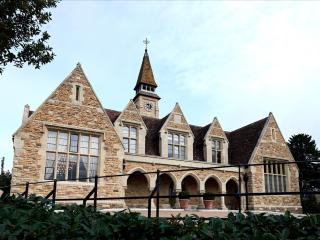
Æthelstan, regarded as the first English king, founded Milton Abbey in ad 933 as a memorial to his half-brother Edwin, who was drowned in a shipwreck. Æthelstan later received a vision predicting his victory over the Norse, and donated relics of St Sampson of Dol, on whose feast day the revelation...
Read more
Been on this walk?
Send us photos or a comment about this route. Or recommend a route of your own.

Walking in Safety
Read our tips to look after yourself and the environment when following this walk.
Get an AA guide
Explore our range of ‘50 Walks in’ guides - they’re the ideal companion for a ramble.
Been on this walk?
Send us photos or a comment about this route. Or recommend a route of your own.
Walking in Safety
Read our tips to look after yourself and the environment when following this walk.
Get an AA guide
Explore our range of ‘50 Walks in’ guides - they’re the ideal companion for a ramble.
About the area
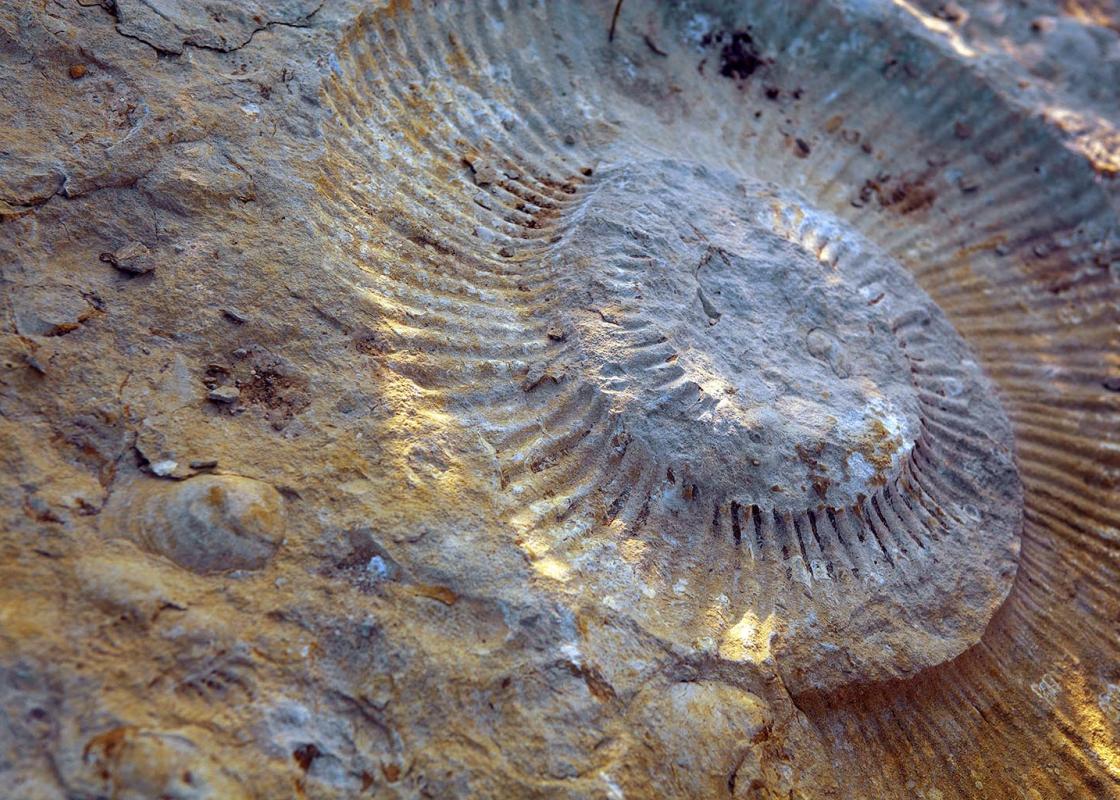
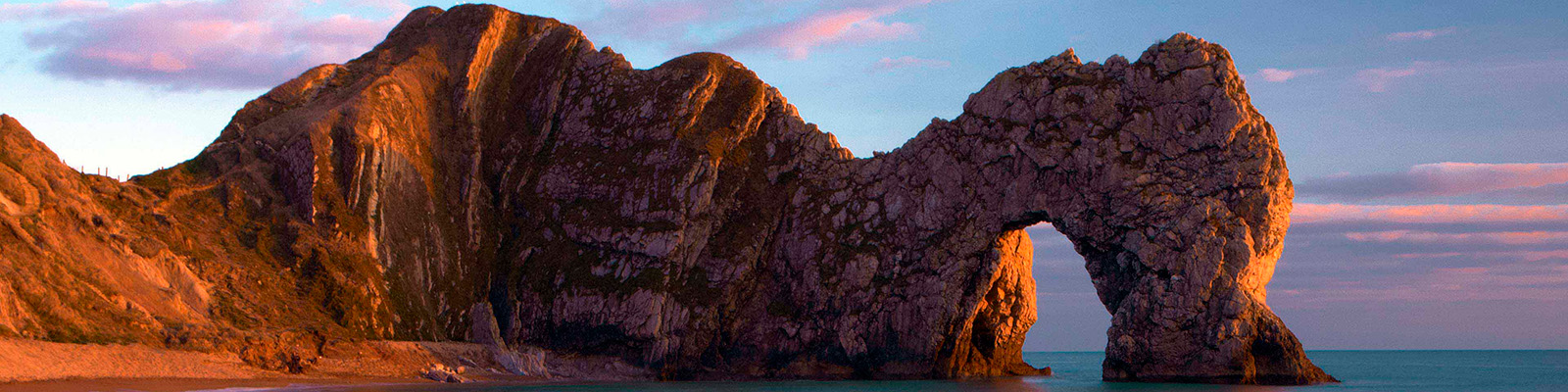
Dorset is made up of rugged coastlines, high chalk downlands and a chain of picturesque villages and seaside towns that make up Britain’s Jurassic Coast, a UNESCO World Heritage Site and Area of Outstanding Natural Beauty, noted for its layers of shale and numerous fossils embedded in the rock. Hidden gems of Dorset can be found down winding, country lanes that lead to snug villages hidden from view.
Nearby places to stay
View all (8)

Nearby places to stay
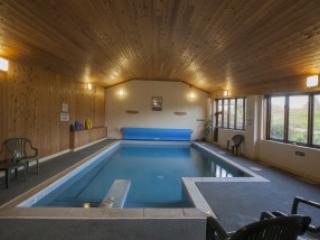
Luccombe Country Holidays
The 11 cottages that form Luccombe Country Holidays are located in a hidden valley tucked away deep in the Dorset countryside, close to the Jurassic Coast. Part of a 650-acre working fa...
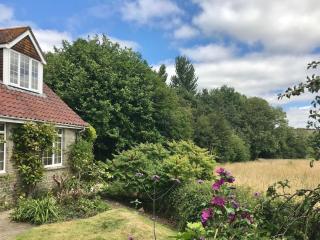
Greygles
This lovely cottage will be a hit with literature buffs keen to explore the Dorset countryside immortalised by Thomas Hardy in his novels. It’s also in prime walking country, a mile fro...
Greygles Cottage
This lovely cottage will be a hit with literature buffs keen to explore the Dorset countryside immortalised by Thomas Hardy in his novels. It’s also in prime walking country, a mile fro...
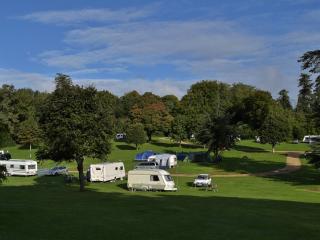
The Inside Park
The Inside Park has been established for over 30 years, and its secluded 14 acres of park and woodland sees a lot of return visitors. Containing many fine specimen trees, the park and i...
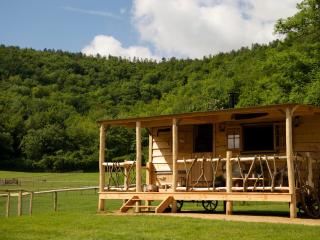
Loose Reins
A chance to embrace the pioneer spirit in charming frontier-style porched cedar cabins and canvas lodges in a great location near Shillingstone in Dorset. Comfort assured, with fully eq...
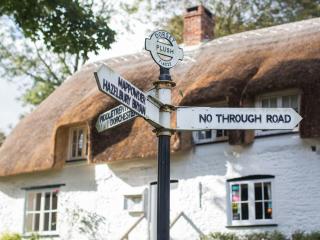
The Brace of Pheasants
Situated in the heart of Dorset, The Brace of Pheasants is a picturesque thatched pub that offers a warm and genuine welcome to both visitors and locals alike. Very much a traditional i...
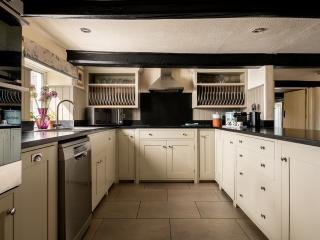
Dorset Holiday Cottages
Dorset Holiday Cottages is made up of Tincleton Lodge and Rose Cottage which are set within 600 acres of private countryside in the picturesque village of Tincleton, only 20 minutes’ dr...
Tincleton Lodge
Awaiting description...
Places to eat nearby View all