
Neolithic downlands around Jevington
Recommended by

Our view
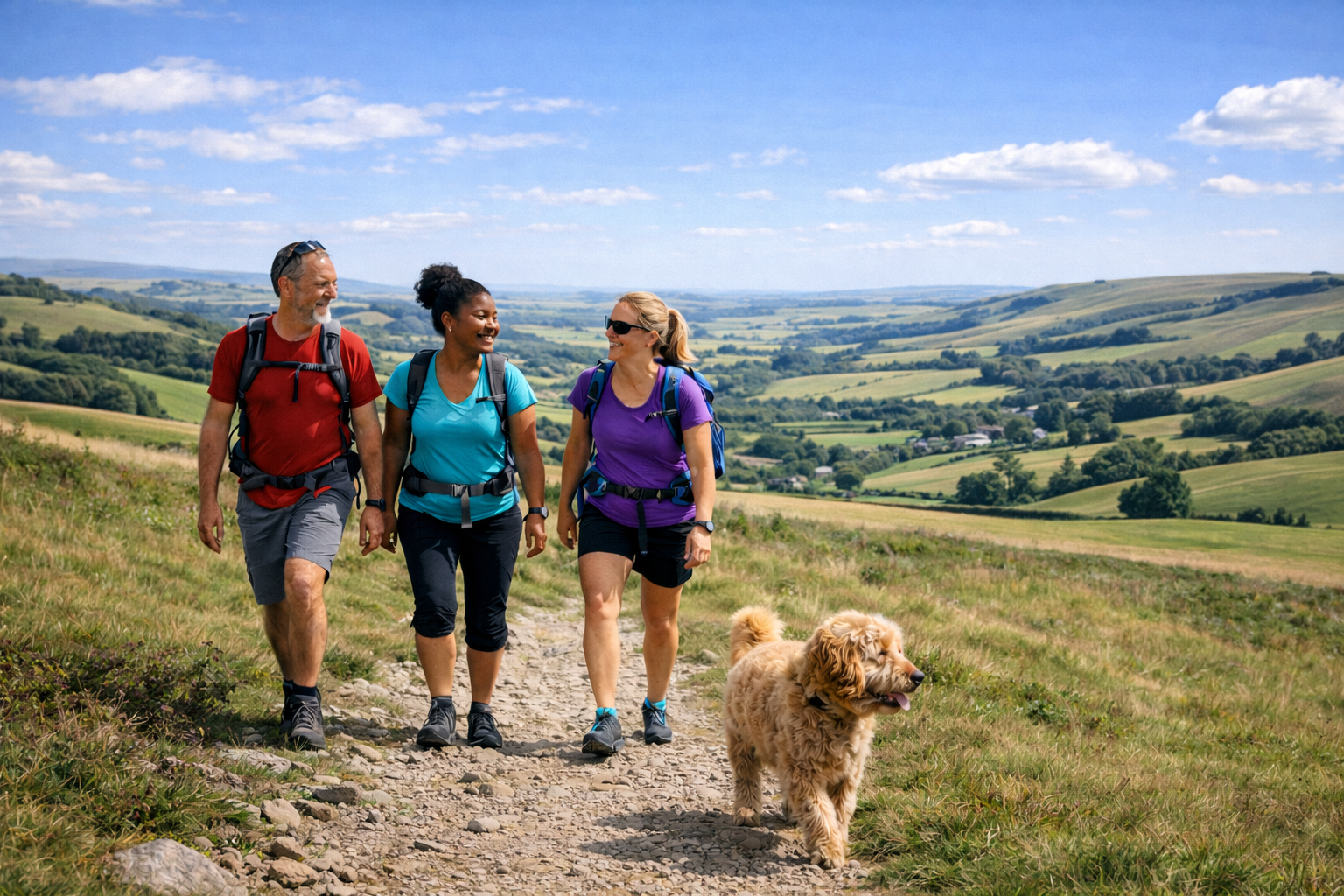
"A bracing downland walk, to a partly Anglo-Saxon church and New Stone Age earthworks."
Walk directions
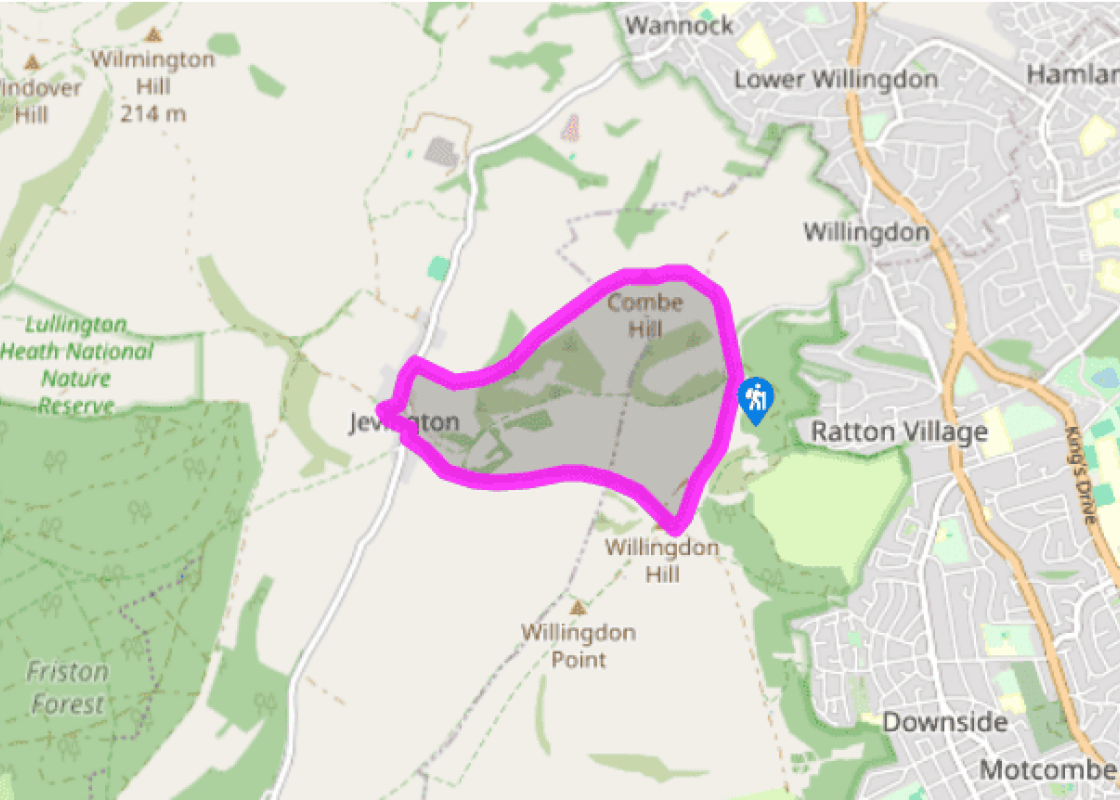
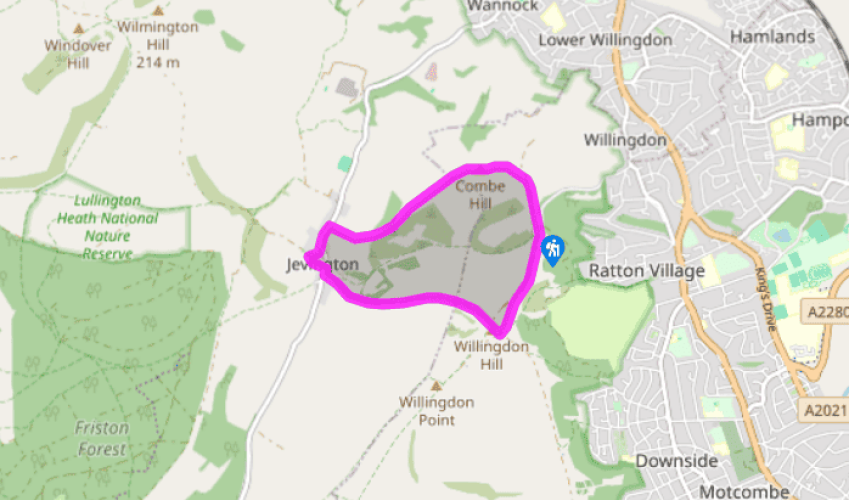
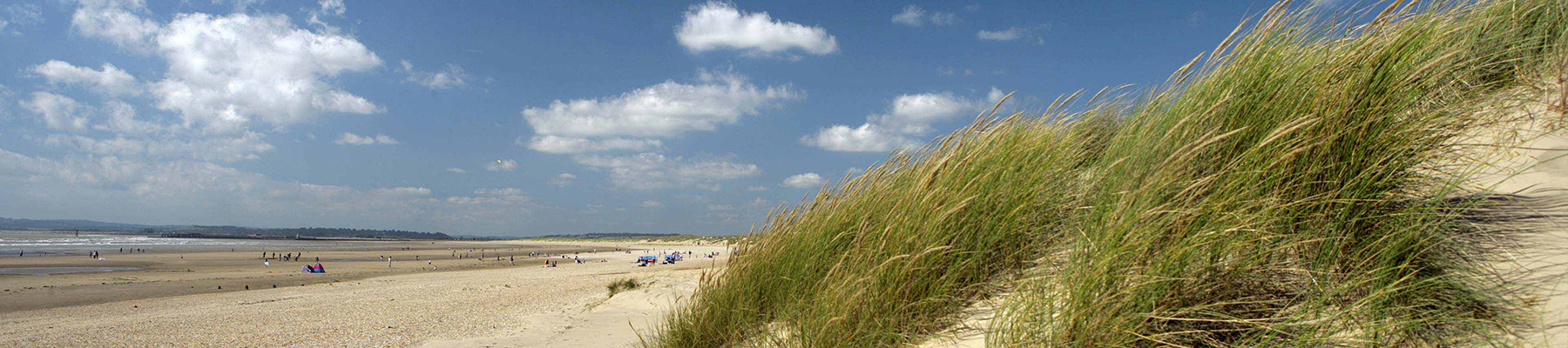
From the car park car head south towards Beachy Head as indicated on the stone sign block and guidepost. The deep combe of Willingdon Bottom is away to your right, then Eastbourne can be seen to your left as you steadily ascend – and, looking right, you can see Jevington church and the heavily wooded slopes behind it. Ignore a chalky path that crosses over the grassy track.
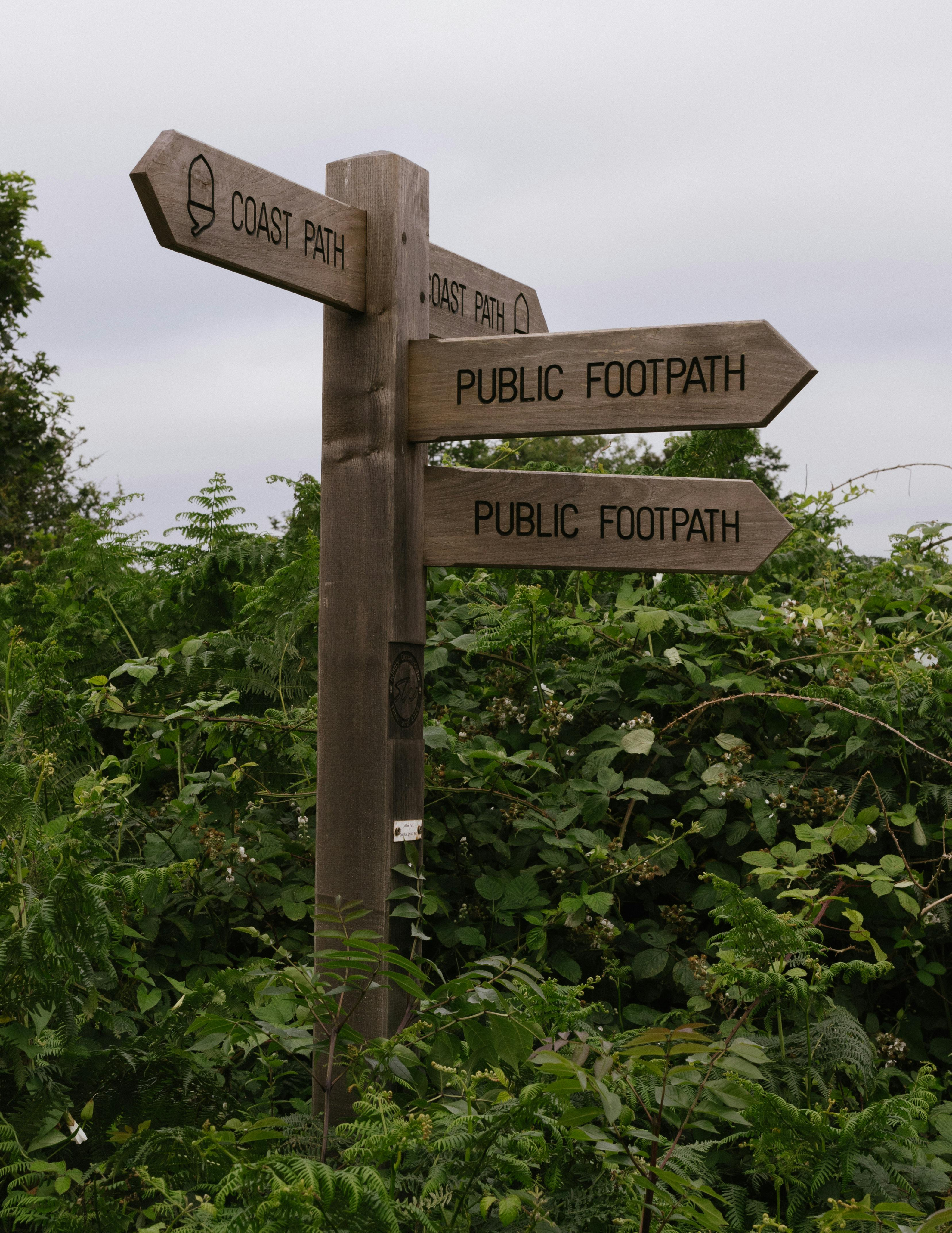
At the crest, now at 660ft (201m) above sea level, you reach a trig point and then soon after a footpath junction with the South Downs Way longdistance footpath. Bear right onto the Way. Go straight on at the next signpost and descend towards Jevington, the flat-bottomed dry valley of Harewick Bottom to your left and sheep grazing beyond the path’s post and wire fences. Nearing Jevington, the path becomes an old hill pasture access lane.
View all directions
Additional information
Terrain
- Downland tracks and field paths with a short stretch of lane in Jevington village, several stiles
Landscape
- Up high on the South Downs, mainly grassland with long views and deep-cut combes
Dog friendliness
- On a lead towards Combe Hill on the northern leg of the route amid grazing sheep
Parking
- Butts Brow pay-and-display car park, accessed via Willingdon off the A22
Toilets en route
- None on route
About the walk
Around the crest of Combe Hill a neolithic or New Stone Age enclosure was built on a causeway, surrounded by two concentric ditches. Such enclosures date back to before 3000 bc and there are four known in Sussex, with the Trundle above Chichester being the most famous of these. No one knows what...
Read more

Been on this walk?
Send us photos or a comment about this route. Or recommend a route of your own.

Walking in Safety
Read our tips to look after yourself and the environment when following this walk.
Get an AA guide
Explore our range of ‘50 Walks in’ guides - they’re the ideal companion for a ramble.
Been on this walk?
Send us photos or a comment about this route. Or recommend a route of your own.
Walking in Safety
Read our tips to look after yourself and the environment when following this walk.
Get an AA guide
Explore our range of ‘50 Walks in’ guides - they’re the ideal companion for a ramble.
About the area
East Sussex is a land of stately homes, castles and the South Downs, with miles of chalk cliffs overlooking the English Channel. For history buffs, there are a great many historic landmarks within Sussex, such as the battlefield where the Battle of Hastings took place, or visitors can enjoy pretty towns such as Lewes, Rye and Uckfield and the city of Brighton.
Nearby places to stay
View all (8)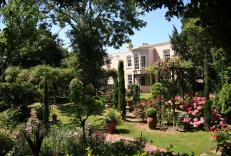



Nearby places to stay
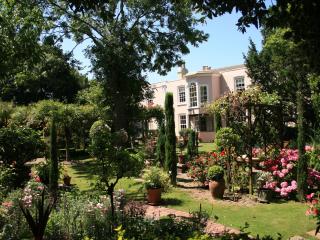
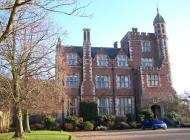
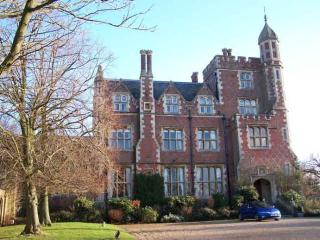
Ocklynge Manor
Over the centuries Ocklynge Manr has seen a variety of uses since serving as a commanderie for the Knights of St John in the 12th century. An air of peace and relaxation is evident in t...
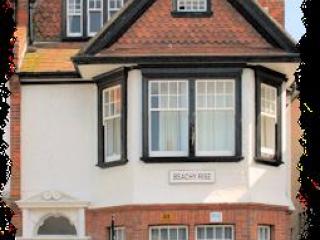
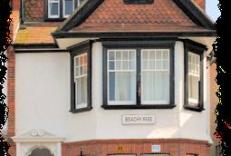
Beachy Rise Guest House
This friendly, family-run guest house has a quiet residential location near the shops, pubs and restaurants in Meads village. Bedrooms are individually styled with co-ordinated soft fur...
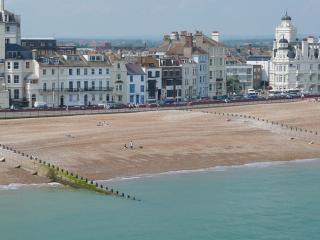
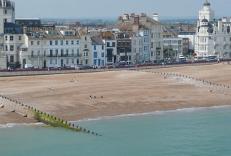
The Royal
The Royal enjoys a central seafront location close to the pier and within easy walking distance of the town centre. Spectacular uninterrupted sea views are guaranteed. This eco-friendly...
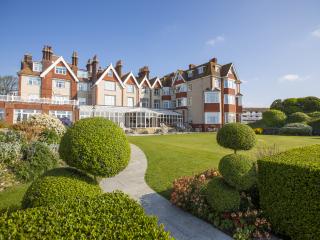
Hydro Hotel Eastbourne
The well-managed and popular Hydro Hotel Eastbourne enjoys an elevated position with views of attractive gardens and the sea beyond. The spacious bedrooms are attractive and well equipp...
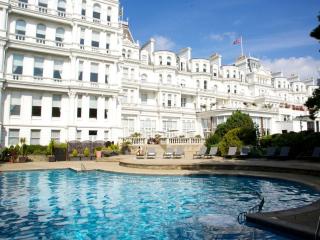
The Grand Hotel
A famous Victorian seafront hotel, The Grand Hotel commands breathtaking views of the sea and the dramatic cliffs at Beachy Head. On offer are high standards of service and hospitality,...
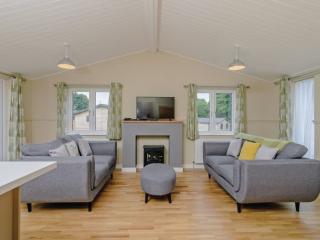
Warren Wood Country Park
Situated in the heart of the East Sussex countryside, Warren Wood offers luxury woodland or lake side self-catering lodges, all with private hot tubs. Near to the seaside town of Eastbo...
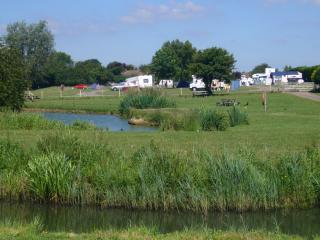
Fairfields Farm Caravan & Camping Park
Fairfields Farm is on a 200-acre family-run working farm, an idyllic setting within a National Nature Reserve just minutes from the coast and South Downs. The campsite offers level gras...
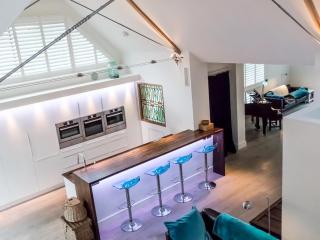
The Studio
Just 50 metres from Pevensey Bay Beach and only 90 minutes from London, The Studio is perfectly located for exploring nearby castles, historic towns and The Seven Sisters. It can sleep ...
Places to eat nearby View all