Romans and Normans at Pevensey Levels
Recommended by

Our view
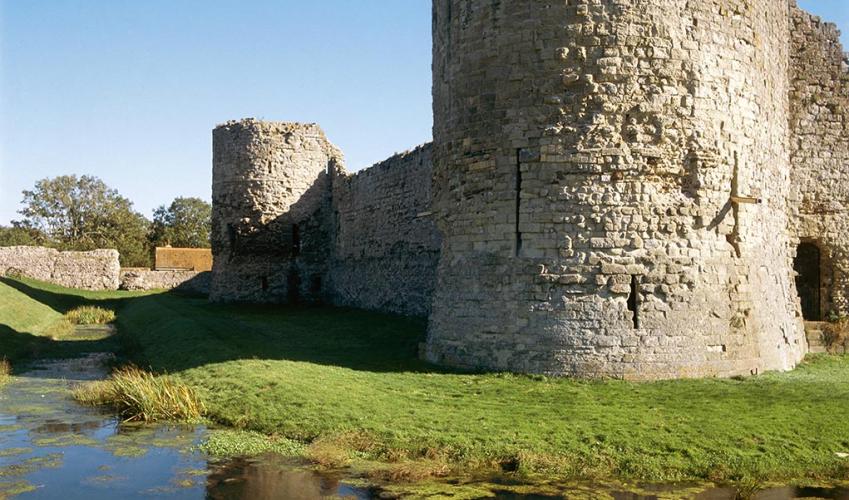
"Visit a Norman castle within a Roman fort and experience the atmosphere of the eerie Pevensey Levels on this fascinating walk."
Walk directions
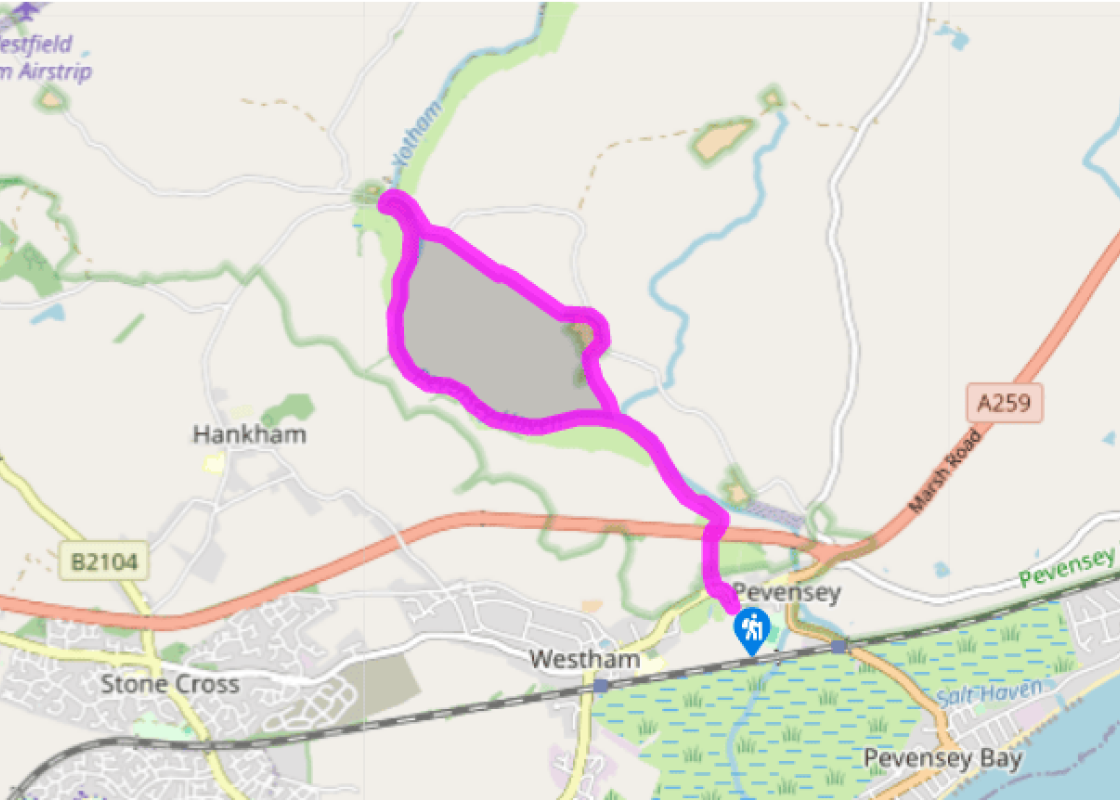
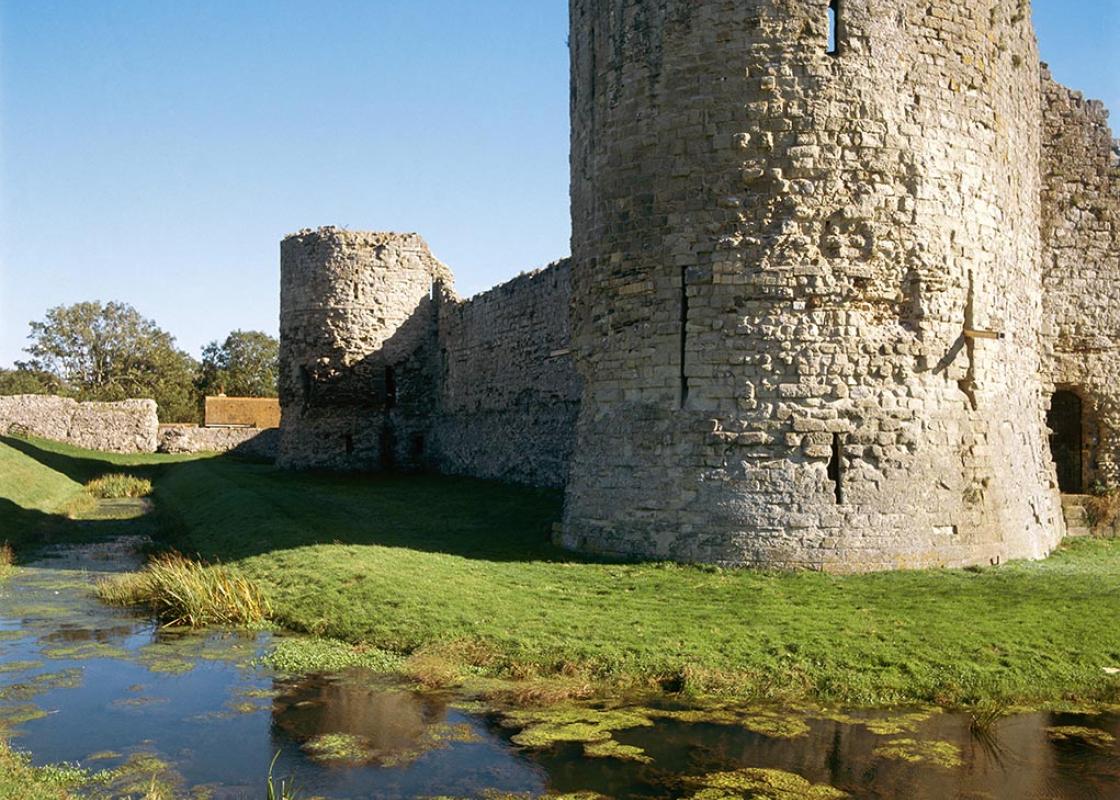
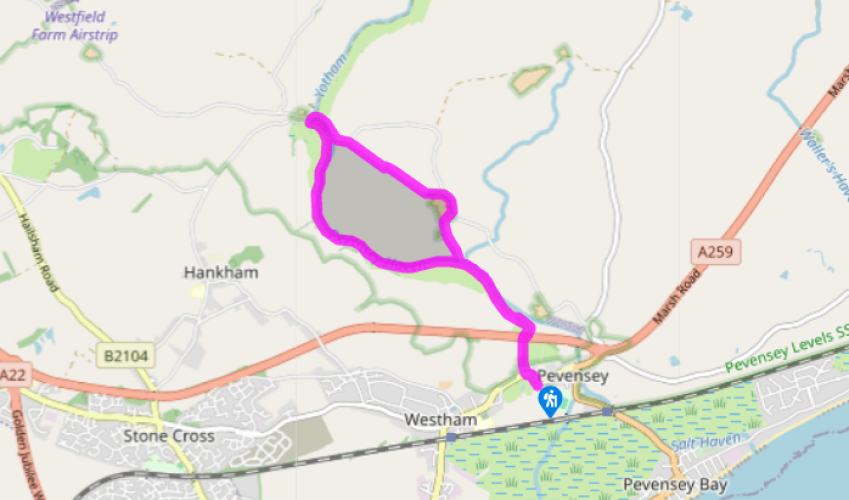
Walk from the car park to the main street, keeping forward on the bend past the castle entrance and the Priory Court Hotel. Pevensey Castle’s walls rise up impressively on your left. Bear off to the right just beyond the hotel and a house called The Gables to follow the 1066 Country Walk.
Cross the A27 with care and keep on the trail. Go through a gate and follow the path as it bends left. Continue between fencing and hedging, alongside Martin’s Ditch on the left, until you pass through a galvanised gate. Bear right to the riverbank, turn left alongside the Pevensey Haven and walk past its confluence with the Chilley Stream.
View all directions
Additional information
Terrain
- Field paths and riverside, brief stretch of road, two stiles
Landscape
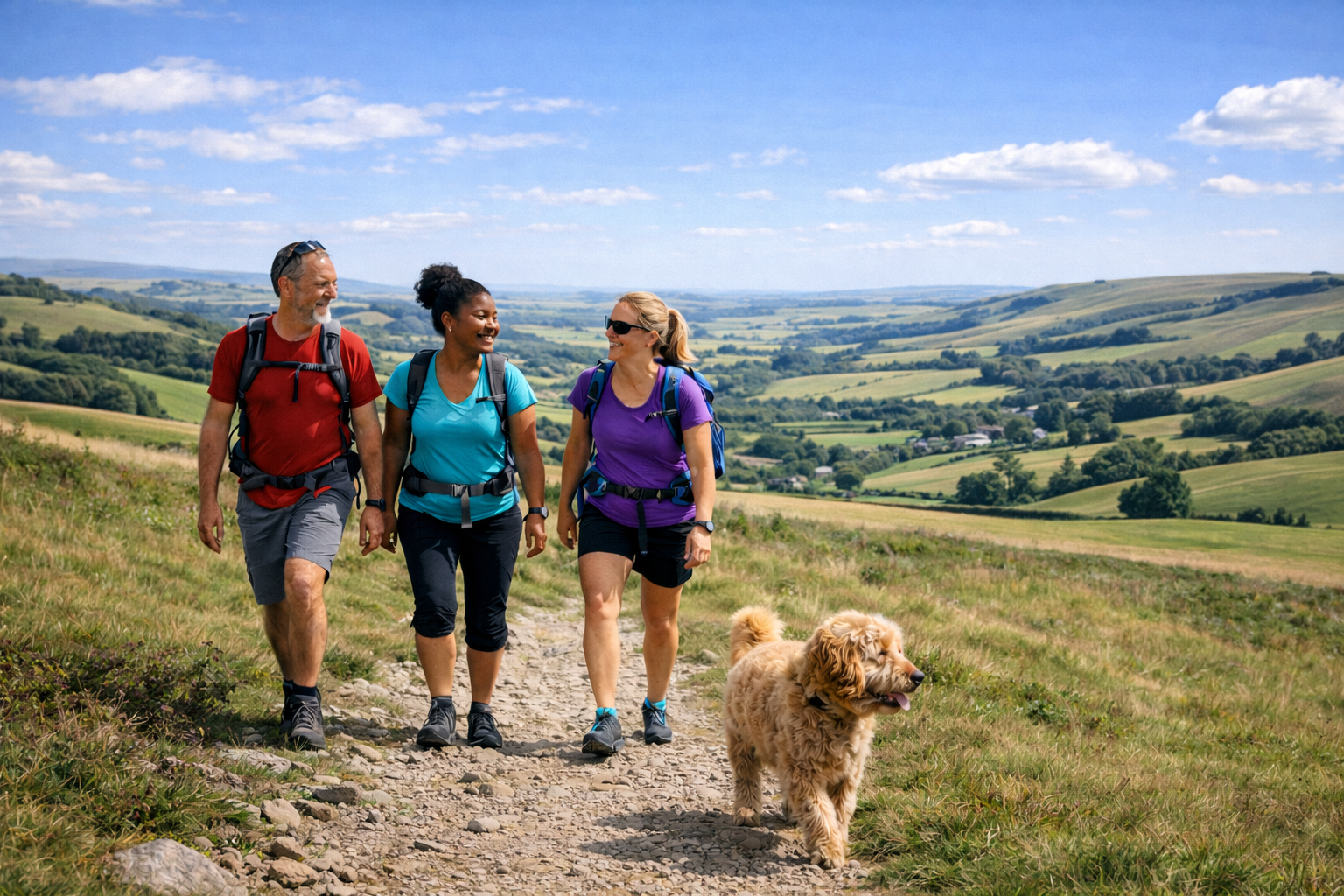
- Low-level former marshland, flat and watery landscape
Dog friendliness
- Under control on farmland and minor roads
Parking
- Pay-and-display car park by Pevensey Castle
Toilets en route
- At car park
About the walk
The great harbour here silted up long ago, leaving Pevensey stranded inland, 2 miles (3.2km) from the sea. It was from here that William, Duke of Normandy, marched inland to defeat King Harold and his Saxon army in 1066 at the Battle of Hastings – to this day one of the most significant events in...
Read more

Been on this walk?
Send us photos or a comment about this route. Or recommend a route of your own.

Walking in Safety
Read our tips to look after yourself and the environment when following this walk.
Get an AA guide
Explore our range of ‘50 Walks in’ guides - they’re the ideal companion for a ramble.
Been on this walk?
Send us photos or a comment about this route. Or recommend a route of your own.
Walking in Safety
Read our tips to look after yourself and the environment when following this walk.
Get an AA guide
Explore our range of ‘50 Walks in’ guides - they’re the ideal companion for a ramble.
About the area
East Sussex is a land of stately homes, castles and the South Downs, with miles of chalk cliffs overlooking the English Channel. For history buffs, there are a great many historic landmarks within Sussex, such as the battlefield where the Battle of Hastings took place, or visitors can enjoy pretty towns such as Lewes, Rye and Uckfield and the city of Brighton.
Nearby places to stay
View all (8)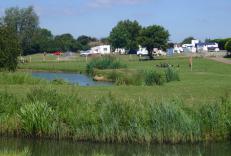



Nearby places to stay
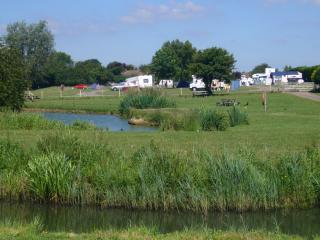
Fairfields Farm Caravan & Camping Park
Fairfields Farm is on a 200-acre family-run working farm, an idyllic setting within a National Nature Reserve just minutes from the coast and South Downs. The campsite offers level gras...
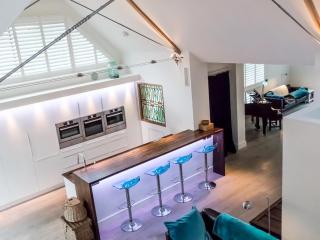
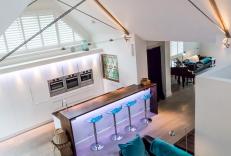
The Studio
Just 50 metres from Pevensey Bay Beach and only 90 minutes from London, The Studio is perfectly located for exploring nearby castles, historic towns and The Seven Sisters. It can sleep ...
The Studio
Just 50 metres from Pevensey Bay Beach and only 90 minutes from London, The Studio is perfectly located for exploring nearby castles, historic towns and The Seven Sisters. It can sleep ...
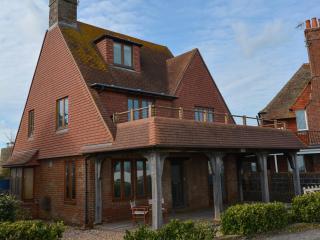
Seagulls House
Seagulls is an Arts and Crafts style family home on the beach, which the owners are happy to share with discerning guests. The accommodation, sleeping seven, comprises two doubles, a tw...
Seagulls
Seagulls is an Arts and Crafts style family home on the beach, which the owners are happy to share with discerning guests. The accommodation, sleeping seven, comprises two doubles, a tw...
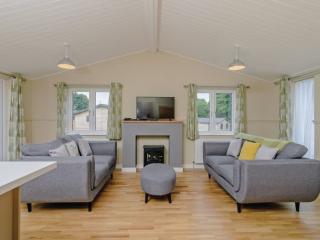
Warren Wood Country Park
Situated in the heart of the East Sussex countryside, Warren Wood offers luxury woodland or lake side self-catering lodges, all with private hot tubs. Near to the seaside town of Eastbo...
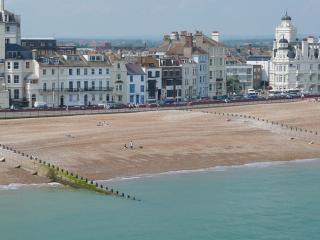
The Royal
The Royal enjoys a central seafront location close to the pier and within easy walking distance of the town centre. Spectacular uninterrupted sea views are guaranteed. This eco-friendly...
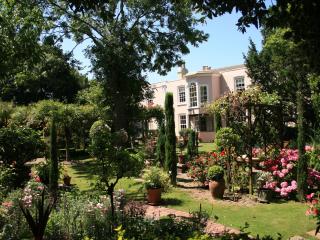
Ocklynge Manor
Over the centuries Ocklynge Manr has seen a variety of uses since serving as a commanderie for the Knights of St John in the 12th century. An air of peace and relaxation is evident in t...
Places to eat nearby View all