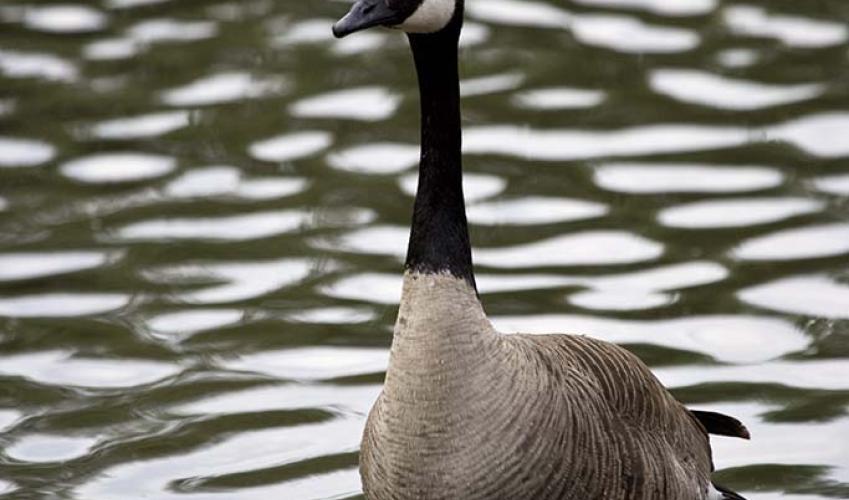
Roding Valley Nature Reserve
 Our view
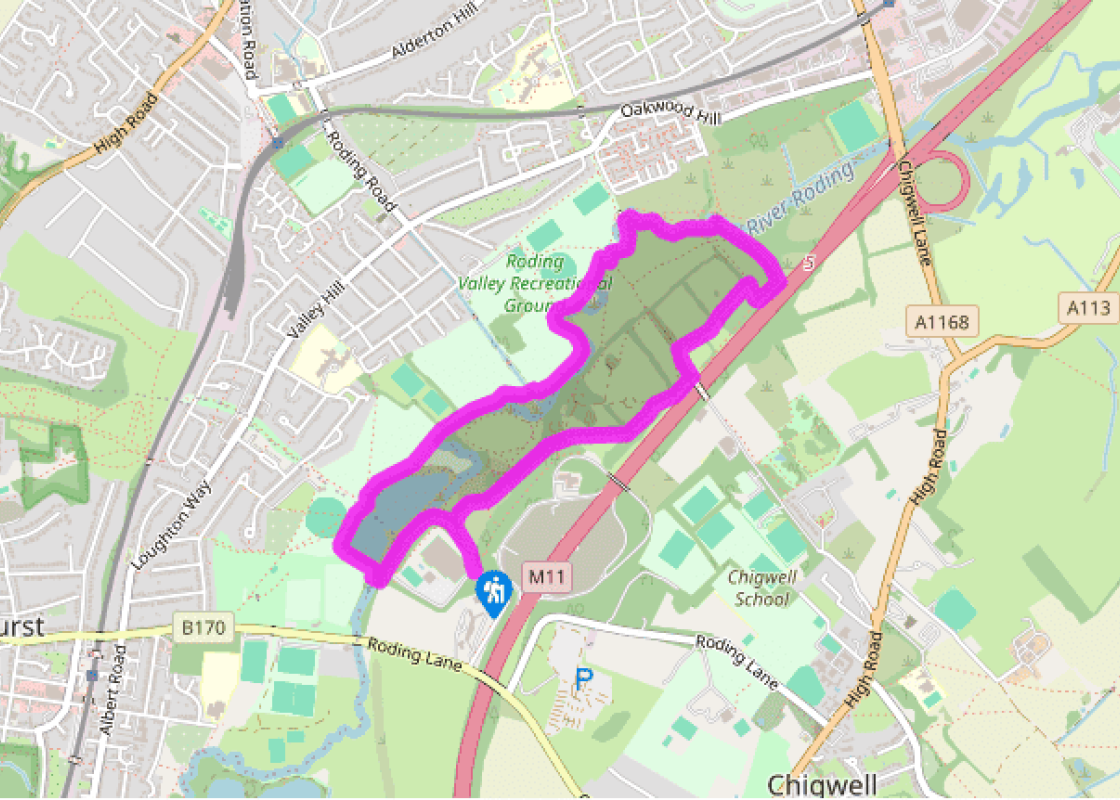
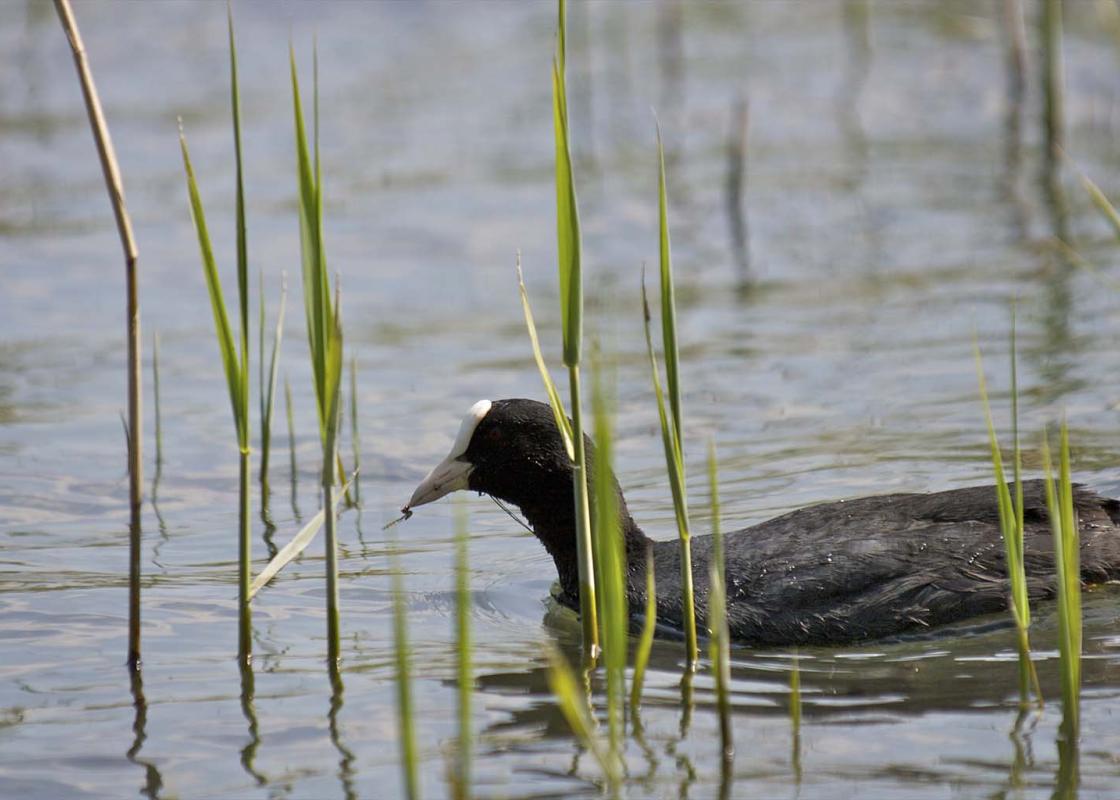
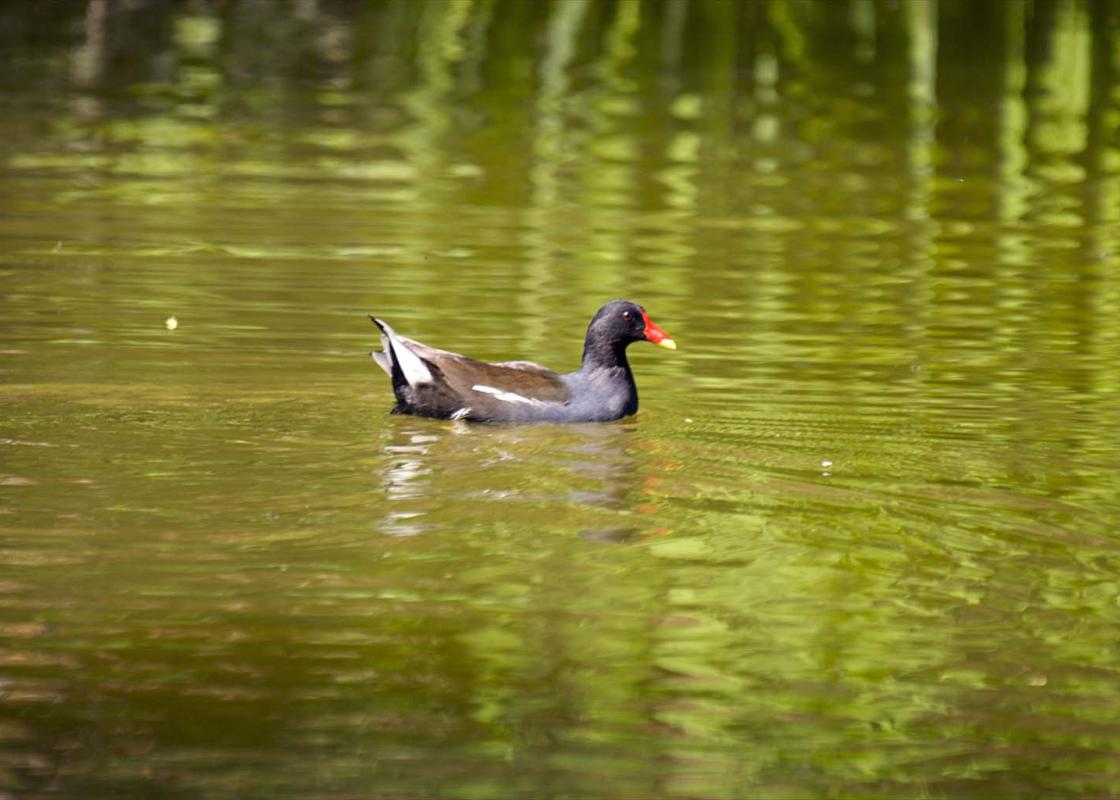
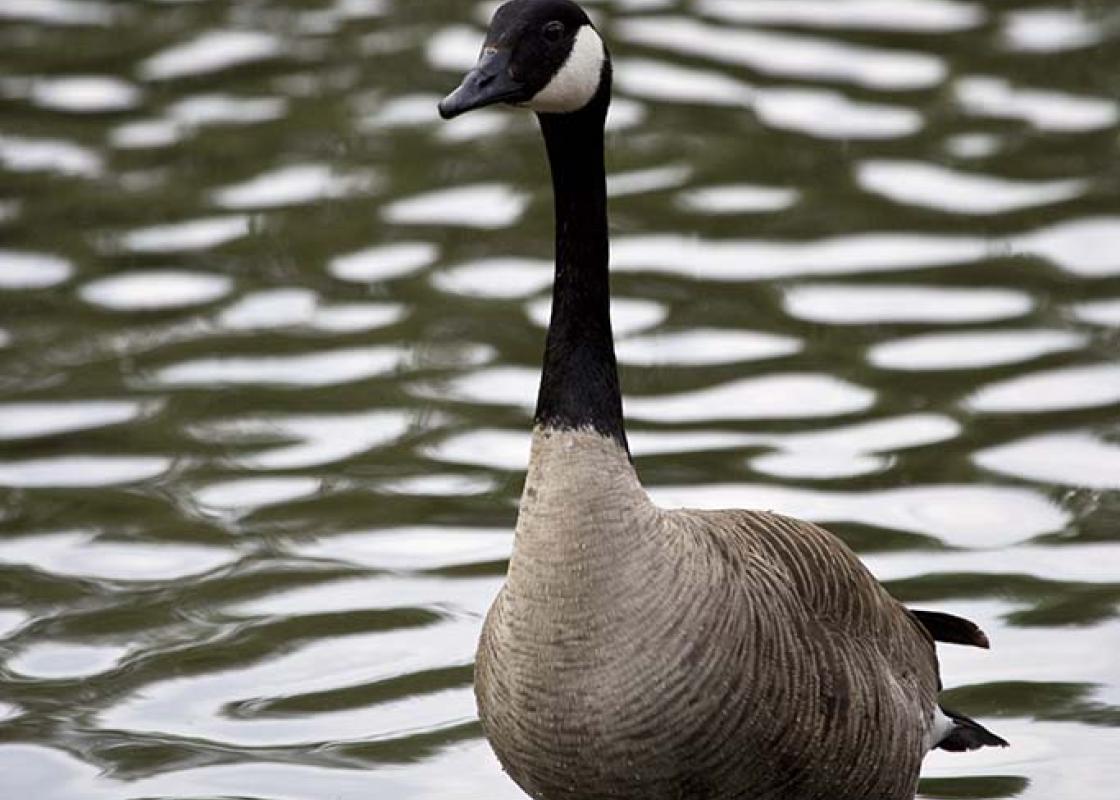
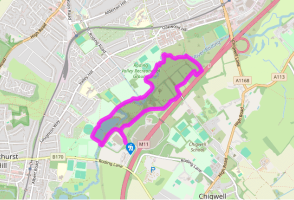
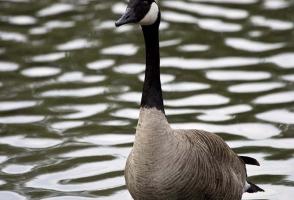
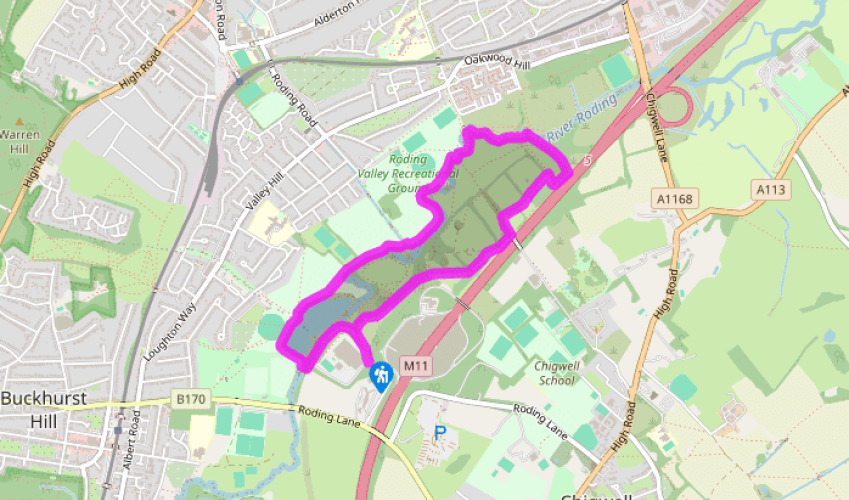
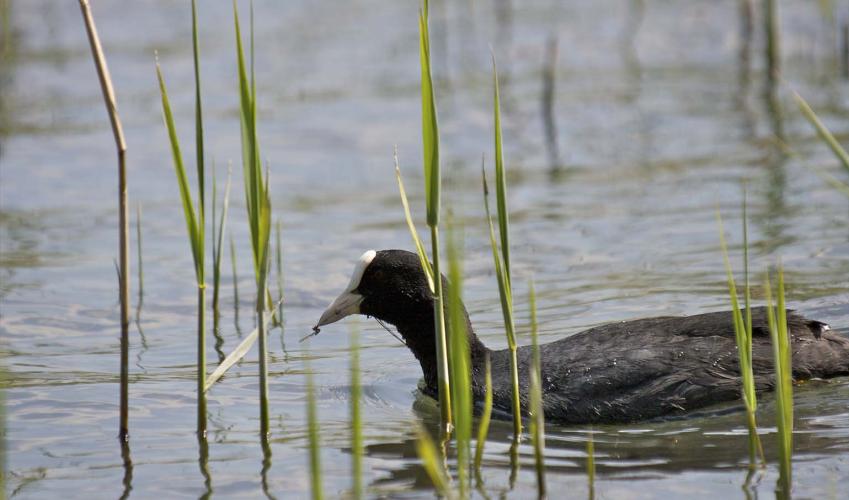
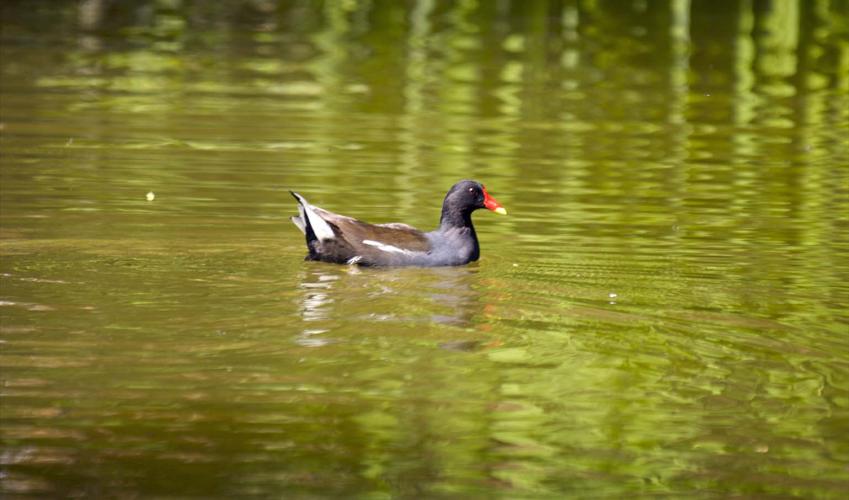
From the information board at the entrance by the kissing gate there are two paths. The one straight ahead is wide and gravelly, but to start the walk take the path on the right and go up the steps of the steep embankment. This narrow hillside was created from earth dug out during the construction of the M11 but is seldom used, and has become an excellent hunting ground for kestrels and sparrowhawks. Much of the original site of the RAF base now lies beneath the motorway. Also from here you can look down on the recreation area and the lake which, although not part of the reserve, is a popular spot for waterfowl. After exploring this area return to your starting point and take the main path through the kissing gate into the reserve. Follow the path through the reserve and, ignoring paths branching off to the right and left, keep ahead, passing oak and hornbeam. The concrete area you will pass marks the site of RAF Chigwell. Continue along the concrete track and join the widest track ahead through the woodland. The track curves and becomes concrete again before reaching a grassy roundabout surrounded by open meadow. The seating here provides a good picnic area and a place to watch for skylarks nesting in the meadow ahead.
Go through a gate and follow the narrow path across a field that leads away from the concrete roundabout towards the M11. Go through a hedge gap and a kissing gate where there is a ‘footpath No. 8’ waymark, and continue along an enclosed path to the right of Four Acres Field.

Been on this walk?
Send us photos or a comment about this route. Or recommend a route of your own.
Walking in Safety
Read our tips to look after yourself and the environment when following this walk.
Get an AA guide
Explore our range of ‘50 Walks in’ guides - they’re the ideal companion for a ramble.
Been on this walk?
Send us photos or a comment about this route. Or recommend a route of your own.
Walking in Safety
Read our tips to look after yourself and the environment when following this walk.
Get an AA guide
Explore our range of ‘50 Walks in’ guides - they’re the ideal companion for a ramble.
Nearby places to stay
View all (8)


- Launderette
- Ice pack facility
- Shop onsite
- Wifi available

- Launderette
- Ice pack facility
- Cafe/Restaurant
- Picnic Area