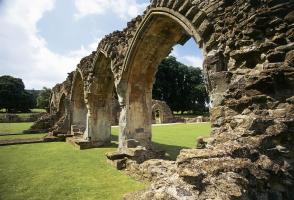
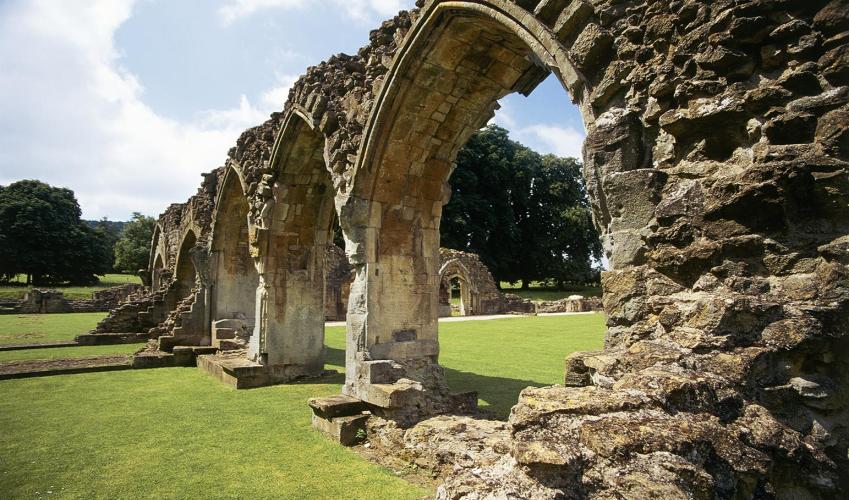
Thomas Cromwell and Hailes Abbey
Recommended by

Our view
"How an important abbey was destroyed by a King's Commissioner"
Walk directions
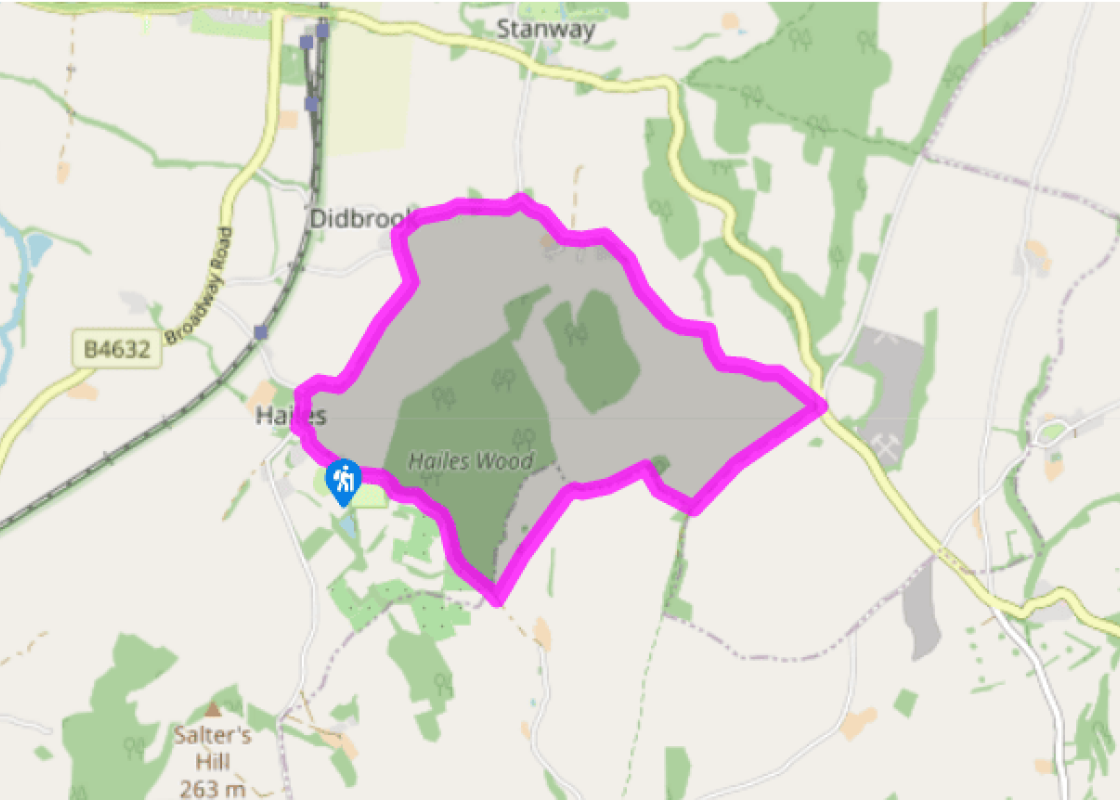
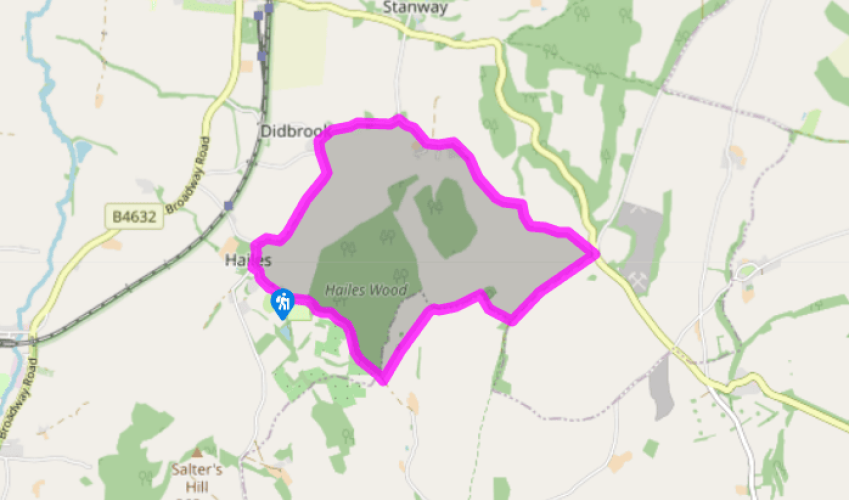
From Hailes Church turn right and follow the lane to a left-hand bend 200yds (183m) after a road on the left. Leave the lane through a gate on the right to join a footpath. Walk across an area of concrete and follow a track as it goes right and left, turning at an old oak tree, eventually becoming a grassy path beside a field. At the end go through a kissing gate, and in a few paces turn left over a stile amid bushes, ignoring a gate leading straight on. Cross the corner of the field to reach a gate at a road.
Turn right and follow the road as it meanders through the pretty village of Didbrook, and onto a stretch of countryside. At a junction, turn right for Wood Stanway. Walk through this village, bearing left at a cherry tree on a grass island, to reach the yard and barns of Glebe Farm.
View all directions
Additional information
Terrain
- Fields, tracks, farmyard and lanes, several stiles
Landscape
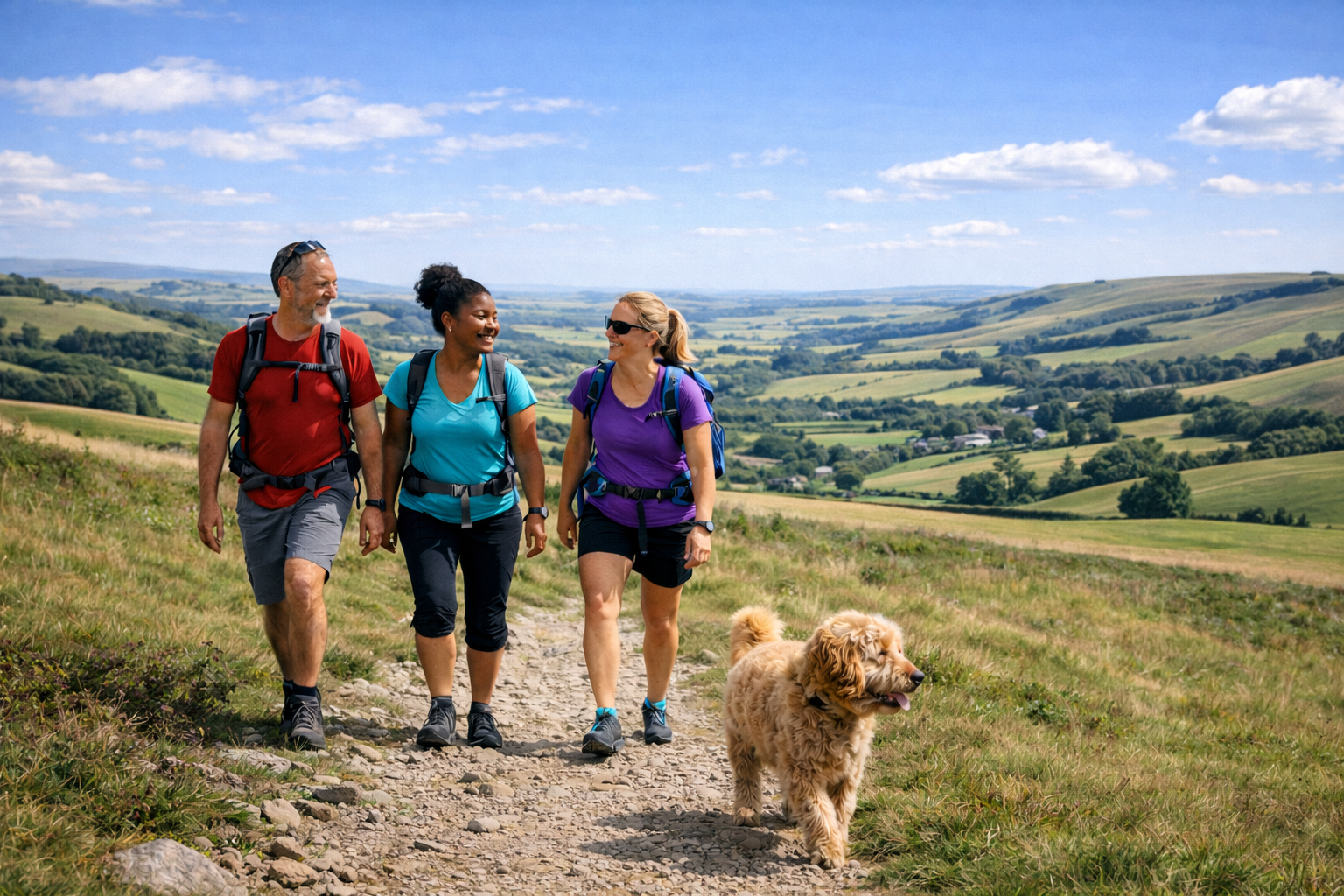
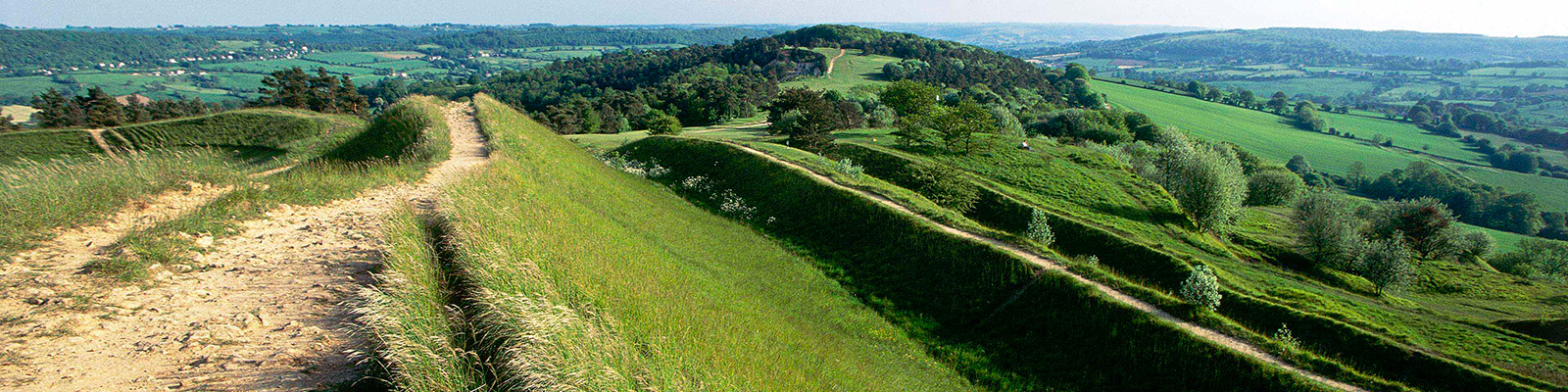
- Wide views, rolling wolds and villages
Dog friendliness
- Mostly on lead as livestock in fields
Parking
- Park at Hailes Church or Abbey only if you are planning to visit them, otherwise park by the road in Didbrook.
Toilets en route
- None on route
About the walk
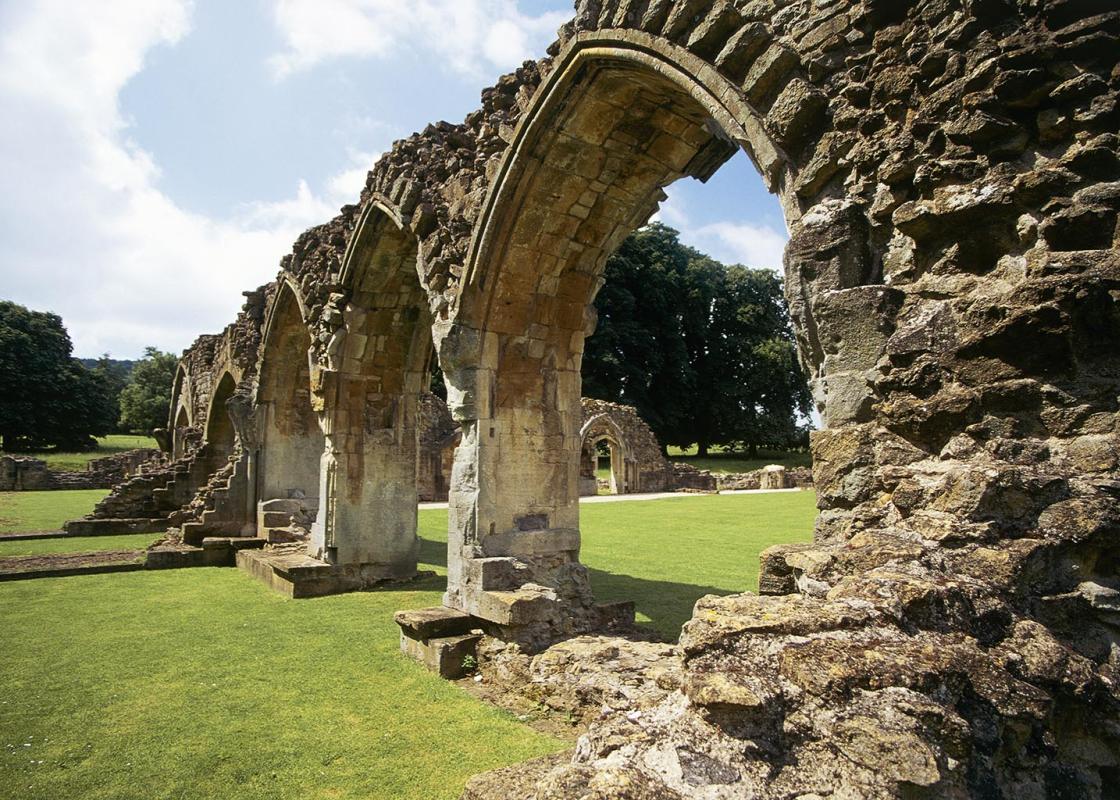
In the decade from 1536 to 1547 just about every English religious institution that was not a parish church was either closed or destroyed. This was the Dissolution, Henry VIII’s draconian policy to force the Church to give up its wealth. The smaller monasteries went first, then the larger ones and...
Read more

Been on this walk?
Send us photos or a comment about this route. Or recommend a route of your own.

Walking in Safety
Read our tips to look after yourself and the environment when following this walk.
Get an AA guide
Explore our range of ‘50 Walks in’ guides - they’re the ideal companion for a ramble.
Been on this walk?
Send us photos or a comment about this route. Or recommend a route of your own.
Walking in Safety
Read our tips to look after yourself and the environment when following this walk.
Get an AA guide
Explore our range of ‘50 Walks in’ guides - they’re the ideal companion for a ramble.
About the area
Gloucestershire is home to a variety of landscapes, including the Cotswolds, a region of gentle hills, valleys and gem-like villages that roll through the county. To their west is the Severn Plain, watered by Britain’s longest river and characterised by orchards and farms marked out by hedgerows that blaze with mayflower in the spring; beyond the Severn are the Forest of Dean and the Wye Valley.
Nearby places to stay
View all (8)






Nearby places to stay
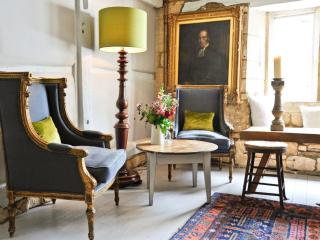
The Lion Inn
The Lion Inn, a 15th-century coaching inn situated in the picturesque town of Winchcombe is perfectly positioned for walkers on the 'Cotswold Way' or for simply exploring the local area...
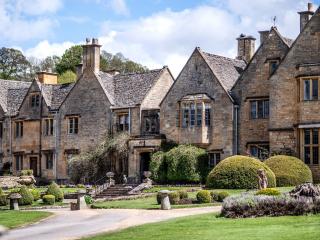
Buckland Manor
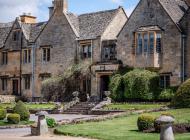
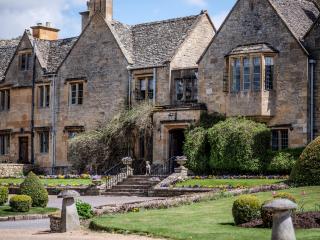
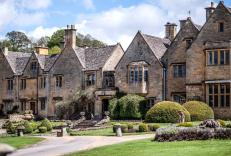
Buckland Manor is a grand 13th-century manor house, surrounded by well-kept and beautiful gardens that feature a stream and waterfall. Everything at this hotel is geared to encourage re...
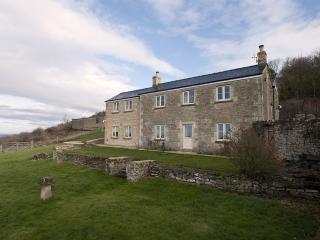
Bushcombe House Farm
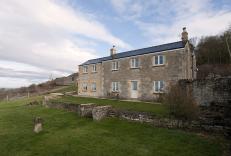
Bushcombe House Farm is a detached Cotswold stone farmhouse situated in an ANOB above Woodmancote near Bishops Cleeve. The farmhouse, having been renovated to a high standard, enjoys pa...
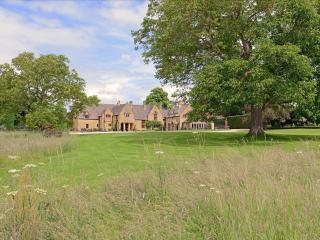
Abbots Grange Manor House Hotel
A warm welcome awaits at Abbots Grange, a 14th-century monastic manor house believed to be the oldest dwelling in Broadway. A Grade II listed building, it stands in eight acres of groun...
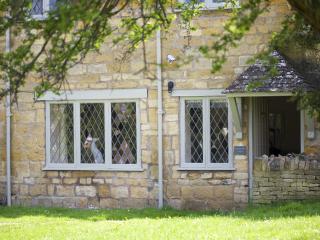
Broadway Cottages
Bumble Bee Cottage is a one-bedroom Cotswold cottage centrally located in the village, with a cosy, contemporary feel and private garden. On the first floor, there's a super-king-size b...
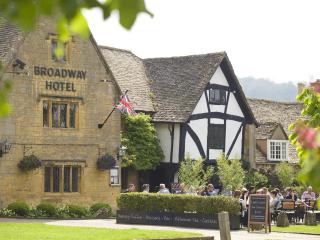
The Broadway Hotel
The Broadway Hotel is a half-timbered Cotswold-stone property, built in the 15th century as a retreat for the Abbots of Pershore. It combines modern, attractive decor with original char...
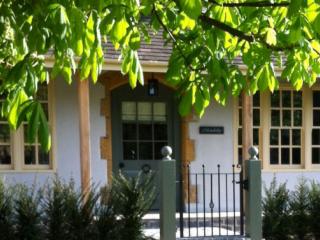
Broadway Cottages- Manderley
Manderley is a Cotswold cottage, in a prime location on Broadway’s village green. Bedroom 1 has a king-sized bed with a luxurious shower room, while bedroom 2, with king-size or twin be...
Manderley House
Manderley is a Cotswold cottage, in a prime location on Broadway’s village green. Bedroom 1 has a king-sized bed with a luxurious shower room, while bedroom 2, with king-size or twin be...
Places to eat nearby View all