A loop to the east of Worstead
"Tread in the footsteps of wealthy medieval weavers as you explore ancient sheep-rearing country."
Walk directions
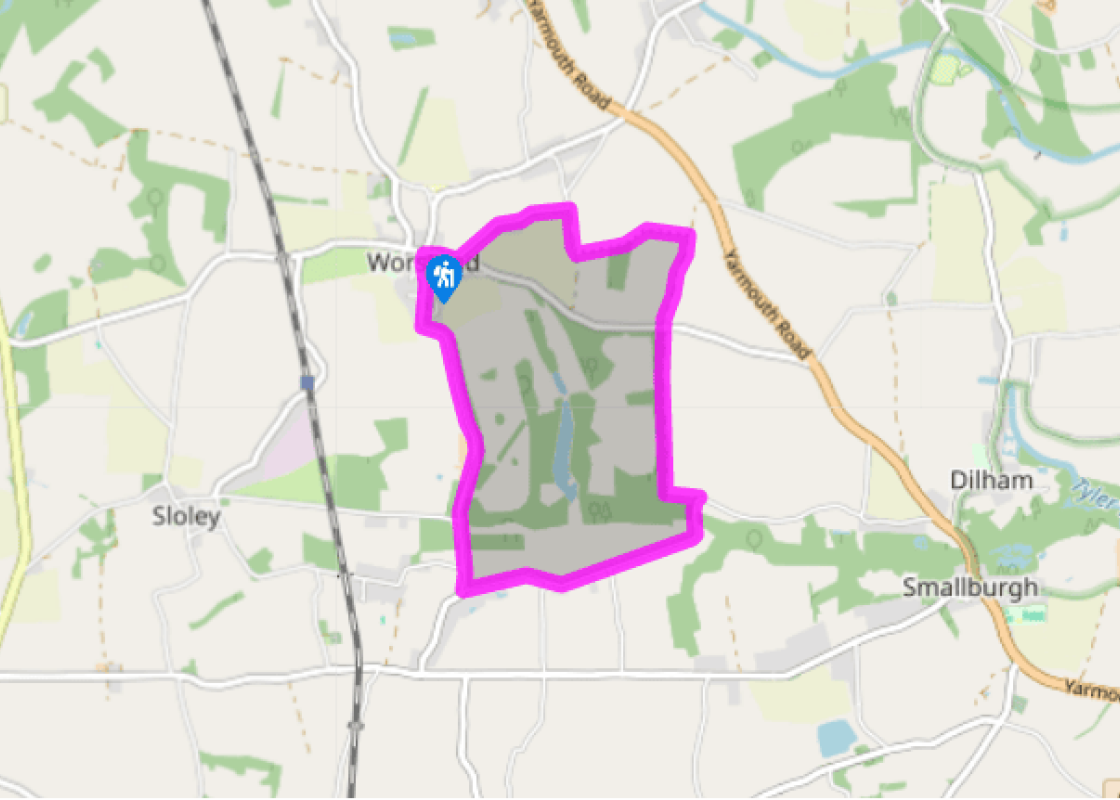
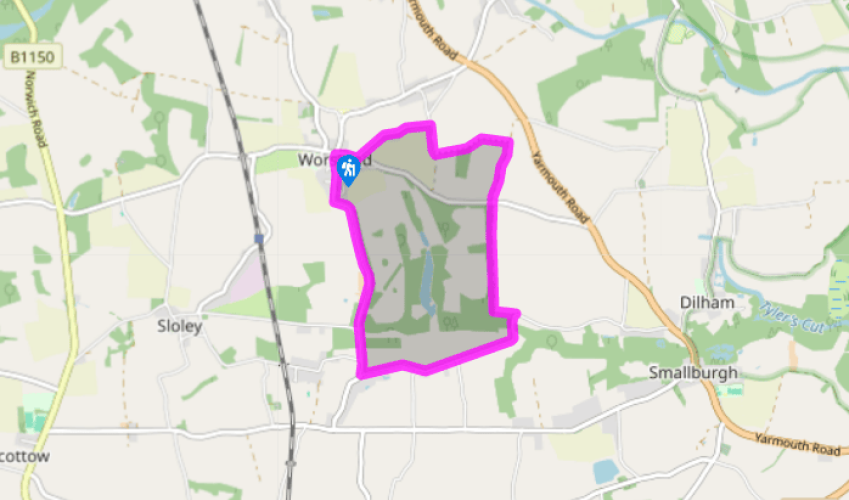
From Church Plain, in the centre of Worstead, turn right onto Front Street with handsome 14th-century St Mary's Church behind you and The White Lady Hotel on your right. Bend to the left, then immediately right and continue walking out of the village. The road veers to the left, then to the right. The mixed deciduous plantation to your left is called the Worstead Belt because of its long, thin shape. Pass Squirrel Wood Equestrian Centre (originally 16th century) on your right before plunging into shady woodland.
Turn left on the road signposted to Dilham. Ignore the two lanes off to the right, but follow the road round to the left when it bends sharply through woods and up a hill. Where the road turns sharp right, turn left onto the concrete lane and continue ahead until you reach a sign, stating 'Private Road'.
Turn right and walk along the wide track (marked as a public footpath) that leads in a straight line through a tunnel of mixed woodland. This is Carman's Lane, and it emerges onto a quiet country lane after about 0.5 miles (800m). Cross the lane, heading for the footpath opposite. There is a hedge right in front of you, with fields on either side, and a footpath sign. Keep to the left of the hedge and walk along the edge of the field until you see the sign for another footpath off to your left.
Turn left along this path, walking until the red roofs of Dairyhouse Barn come into view. Just after this, there is a T-junction of footpaths. Take the one to the right, a farm track called Green Lane, and walk along it until you reach a paved road.
Go left along a lane that is bordered by tall hedgerows – these are filled with nesting birds in the spring. You pass a few neat houses on your left before the lane ends in a T-junction.
Turn right opposite Rose Cottage and Windy Ridge onto Honing Row, and walk for a few paces until you reach Geoffrey the Dyer's House on your right. This dates from the 16th century, and has unusually tall ceilings in order to accommodate the merchant's looms. The site of the old manor house lies up this lane, too.
Turn left opposite Geoffrey's house to return to your parking place and the start of the walk.
Additional information
Terrain
- Easy public footpaths and some paved country lanes
Landscape
- Woodland and agricultural land
Dog friendliness
- Dogs should be under strict control on lanes
Parking
- On Church Plain
Toilets en route
- In pub car park (follow signposts)
About the walk
Edward III was blessed with a faithful and loyal wife, who bore him 12 children and exerted a moderating influence on his fiery Plantagenet temper. Her name was Philippa of Hainault, and she was the daughter of William, Count of Hainault and Zeeland. Her Flemish background made her something of an... expert on the weaving trade, and it was because of Philippa that so many experienced weavers settled in Norfolk and Suffolk. As far as medieval marriages went, Edward and Philippa's was made in heaven. He was not faithful and she was not beautiful, but they maintained a close attachment throughout their long liaison. Their children included the Black Prince, who died just two years before his long-lived father without ever taking the throne; and the intelligent, powerful John of Gaunt, who was easily one of the richest men in the world in his lifetime. All the King's children remained on surprisingly good terms with each other and their father, something largely attributed to Philippa's gentle nature. Flemish weavers As soon as she had settled in England, Philippa realised that it did not make economic sense for vast quantities of fine wool to be produced in East Anglia for export to Flanders, where weavers made it into cloth and sold it back to the English at inflated prices. She encouraged Flemish weavers to settle in England, so they could train Englishmen in cloth production. Worstead was one of several villages that profited from their expertise. The so-called 'Worstead villages' included North Walsham, Scottow, Tunstead and Aylsham, as well as Worstead, but it was Worstead that gave its name to the light, relatively inexpensive cloth that made these places far richer than their neighbours. By the end of the 14th century it was not the weavers of Ypres and Ghent who were setting world standards in cloth excellence, but those of Norfolk and Suffolk with their worsteds. John Paston, one of the letter-writing Paston family, wrote in 1465 that 'I would make my doublet all worsted, for worship of Norfolk.' In 1379 the weavers' guild was so wealthy and powerful that its members pooled their resources and built St Mary's Church, declaring that the original St Andrew's Church was neither large nor grand enough for their village. The result is one of the loveliest parish churches in the county, with a tower that is 109ft (33m) tall, and the church itself 130ft (40m) long – astonishing proportions for a village church. Weaving in Worstead continued until the late 19th century and is practised on a much smaller scale today by some locals.
Read more
Been on this walk?
Send us photos or a comment about this route. Or recommend a route of your own.

Walking in Safety
Read our tips to look after yourself and the environment when following this walk.
Get an AA guide
Explore our range of ‘50 Walks in’ guides - they’re the ideal companion for a ramble.
Been on this walk?
Send us photos or a comment about this route. Or recommend a route of your own.
Walking in Safety
Read our tips to look after yourself and the environment when following this walk.
Get an AA guide
Explore our range of ‘50 Walks in’ guides - they’re the ideal companion for a ramble.
About the area
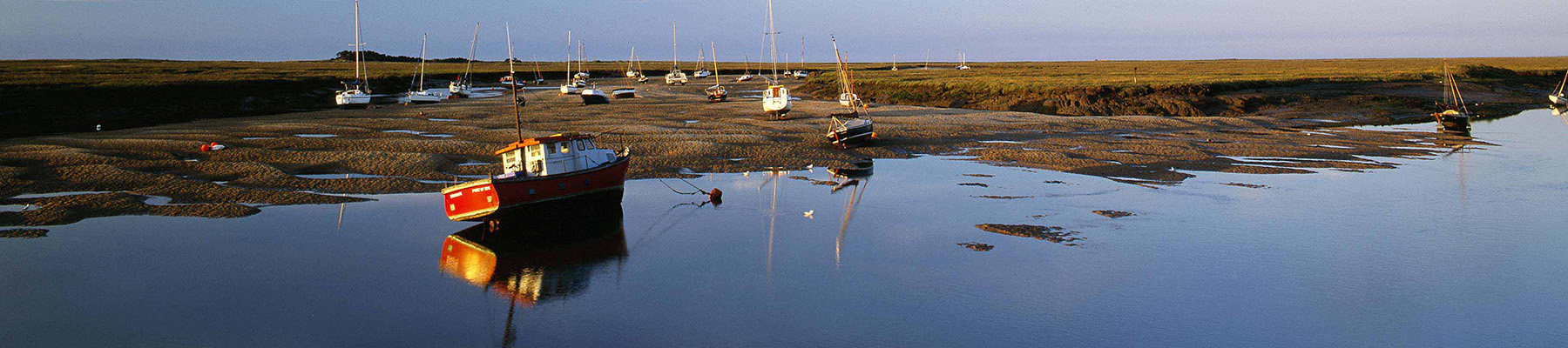
The North Norfolk Coast is designated an Area of Outstanding Natural Beauty and probably the finest of its kind in Europe. Here you’ll find a string of quaint villages and small towns – Holkham, Wells-next-the-Sea and Cley next the Sea are 21st-century favourites, while Sheringham and Cromer are classic examples of a good old-fashioned seaside resort where grand Victorian hotels look out to sea.
Nearby places to stay
View all (8)
Caravan & Camping
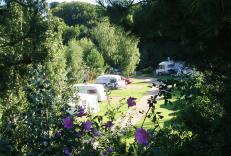
Two Mills Touring Park
★★★★★
"An intimate, beautifully presented park set in superb countryside...."
- Launderette
- Ice pack facility
- Picnic Area
- Shop onsite
Self-Catering
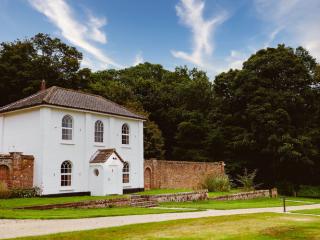
Worstead Estate
★★★★★
"Ideally located for exploring Norwich, The Broads and Norfolk's stunning coastline...."
- Total units: 4
Self-Catering
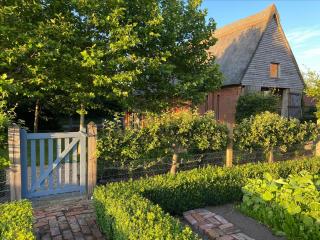
Hoste Barn
★★★★★
"Wonderfully restored barn situated near the coast and the Broads...."
- Private garden
- Lawn area
- Garden furniture
- BBQ on site
Nearby places to stay
Two Mills Touring Park
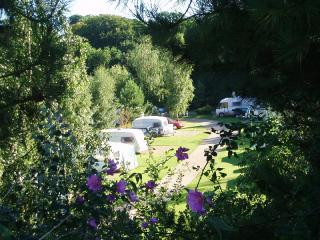
An intimate, beautifully presented park set in superb countryside in a peaceful, rural spot, which is also convenient for touring. The 'Top Acre' section features fully serviced hardsta...
★★★★★ Rating
Worstead Estate
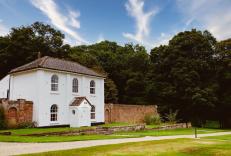
At the beautiful Worstead Estate, choose from a collection of exclusive-hire luxury houses and cottages. Combining beautifully renovated period buildings with modern day comforts, littl...
★★★★★ Rating
Hoste Barn
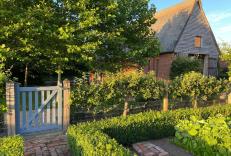
The 16th-century Hoste Barn is near the coast, the Broads and Norwich, and is extremely well-presented and maintained. The property features a 50ft vaulted, original timber-framed roof,...
★★★★★ Rating
Hoste Barn
The 16th-century Hoste Barn is near the coast, the Broads and Norwich, and is extremely well-presented and maintained. The property features a 50ft vaulted, original timber-framed roof,...
★★★★★ Rating
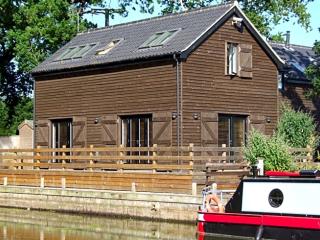
The Boathouse and Boathouse Cottage
In an exclusive marina at Wayford Bridge on the banks of the River Ant, the Boathouse is a sumptuous setting for a holiday in the Norfolk Broads. With canoe hire included and the freedo...
★★★★★ Rating
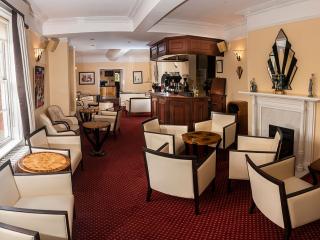
Beechwood Hotel
Beechwood Hotel offers a friendly and informal atmosphere, comfortable and well-appointed bedrooms, and a creative head chef sourcing produce from local farms and Cromer fishermen. Near...
★★★★ Rating
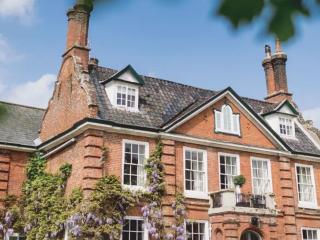
Norfolk Mead Hotel
Norfolk Mead Hotel enjoys a peaceful location and is set in its own extensive grounds, yet still just a short walk from the pretty village of Coltishall. Bedrooms are beautifully design...
★★★★ Rating
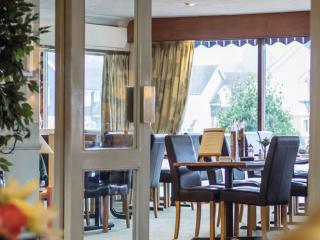
Hotel Wroxham
Hotel Wroxham is uniquely positioned at the water's edge of the River Bure, a picturesque section of the famous Norfolk Broads, just eight miles from Norwich and a similar distance from...
Quality Assessed
Places to eat nearby View all
Places to eat nearby
Shambles Cafe Bar Bistro
AA Rosette Award
Beechwood Hotel
AA Rosette Award
Norfolk Mead Hotel
AA Rosette Award
The Restaurant & Waterside Terrace at Hotel Wroxham
AA Rosette Award
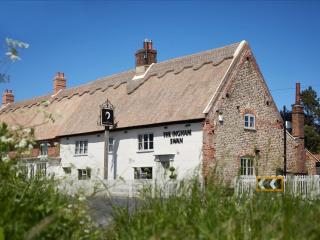
The Ingham Swan
AA Rosette Award
Marsham Arms Coaching Inn
AA Rosette Award
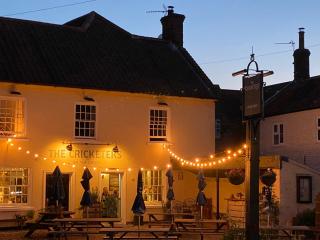
The Cricketers on The Green
AA Rosette Award