"The spiritual capital of Suffolk has risen once again with a new cathedral tower."
Walk directions
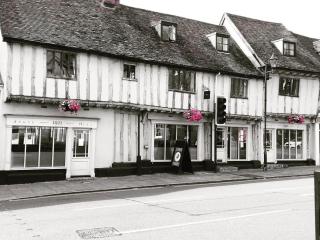
Turn left out of the car park and reach the side entrance to the Abbey Gardens. Turn right and climb to Angel Hill. Walk along Angel Hill then turn first right to walk up Abbeygate Street. When you reach the building on the corner of Whiting Street, note the medieval carved beams on display in the window. Across the street, at first floor level, is a statue of St Edmund in a niche.
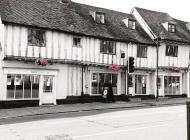
Turn right along Skinner Street to emerge on Cornhill opposite Moyses Hall, a Norman house from the 12th century. Turn left and left again to return to Abbeygate Street along The Traverse, passing the Nutshell, England's smallest pub, on the left. Turn right past the Corn Exchange, now a Wetherspoon's pub, and left along Guildhall Street, noting the 15th-century Guildhall with its flint porch. Turn left along College Lane opposite the Black Boy pub and continue on this passage past a half-timbered cottage with overhanging jetties and carved angel window frames. Keep straight ahead to cross two roads before swinging right and left on Church Walks. Turn right along Bridewell Lane and left at the end of the street to reach the Greene King brewery and the Theatre Royal (1819), now in the hands of the National Trust, but still in use as a theatre.
Turn left opposite the theatre to arrive at St Mary's Church, burial place of Mary Tudor, younger sister of Henry VIII.
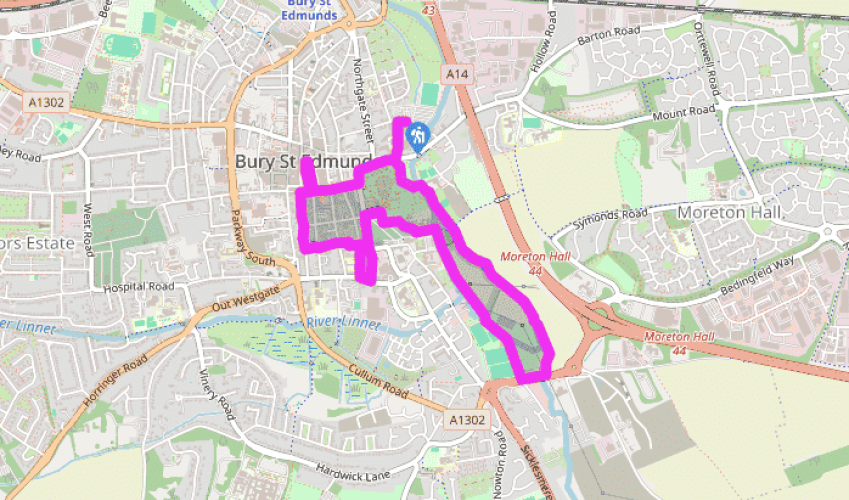
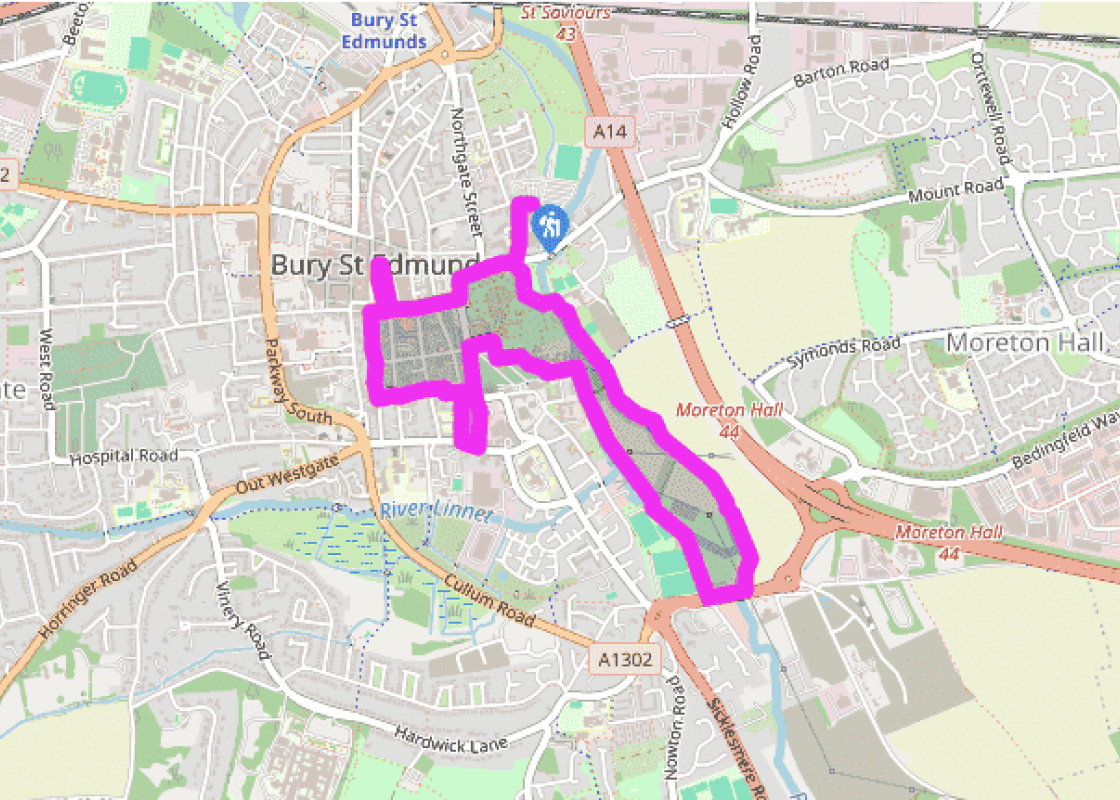
Turn right between the cathedral and the Norman Tower and cross the Great Churchyard to your right to arrive on Honey Hill opposite the Manor House Museum. Turn left here and keep to the left of the Old Shire Hall on a footpath signposted 'Moreton Hall Estate'. Cross the car park and turn right through a wooden gate into the No Man's Meadows nature reserve, passing an information board and walking through The Crankles, an area of medieval fishponds now planted with cricket bat willows. Stay on this path through water meadows then turn right to cross a footbridge and climb some steps. Turn left to walk past the rugby ground. Turn left at the road, cross the River Lark and turn left on to a bridleway that runs beside the river. Keep straight ahead at a crossing on the path to return to the Abbey Gardens via a bridge.
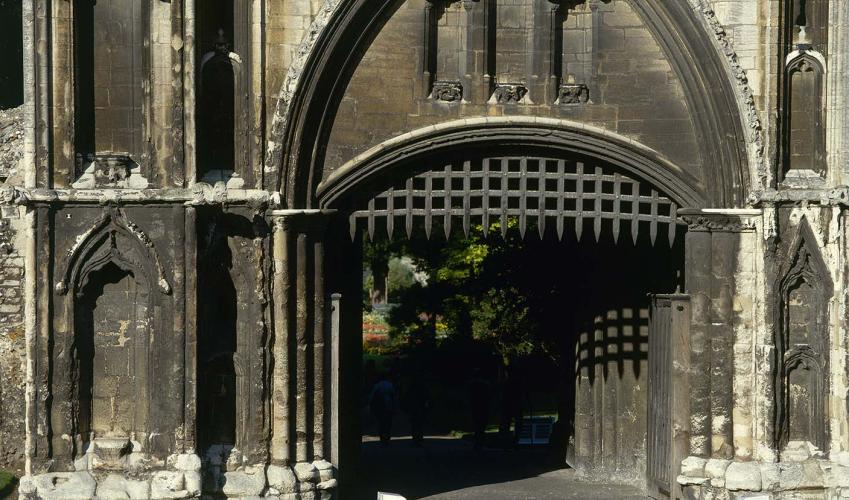
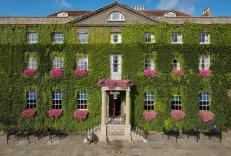
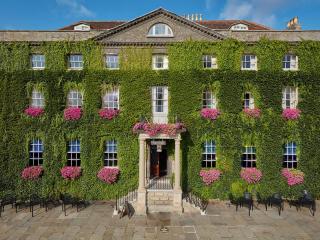
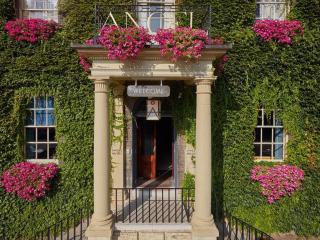
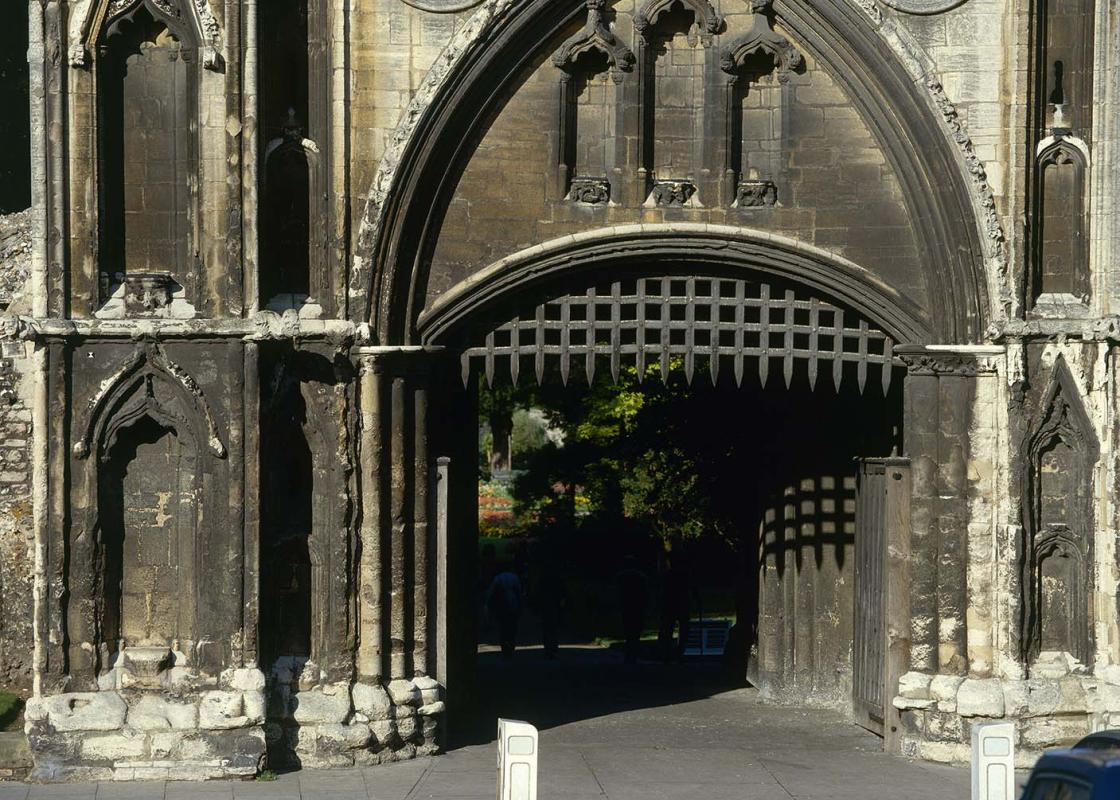
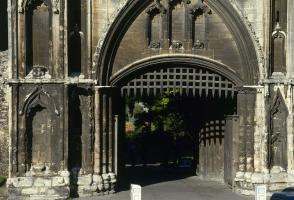
Some years after King Edmund's death at Hoxne, his body was moved to Beodricsworth and a shrine was built in his honour in the town which became known as Bury St Edmunds. It soon became an important place of pilgrimage and its abbey grew to be one of the most powerful in Europe. Bury, today,... remains the religious capital of Suffolk, a status which has been reinforced with the building of its cathedral tower, completed in 2005. It is also a delightful town in which to stroll. On this walk you take in 1,000 years of history, from Norman flint and Elizabethan timber to Georgian brick and Victorian Bath stone, along with beautiful gardens and a short stretch along the River Lark. Angel Hill This is the site of the old Bury Fair, which brought entertainers and salesmen from all over Europe until it was banned on grounds of immorality in 1871. The ivy-covered building is the Angel, mentioned by Charles Dickens in Pickwick Papers. Across the square are the Athenaeum Subscription Rooms, with a grand 18th-century ballroom where Dickens gave readings and where concerts still take place. On the left, the Abbey Gate is one of two surviving gateways of the old abbey, which was sacked by the townspeople in 1327 and dissolved by Henry VIII in 1539. Just inside the gateway is the world's first internet park bench, with free modem sockets for laptop computers. Beyond here are the ruins of the Norman abbey. Theatre Royal Surprisingly, the Theatre Royal in Bury St Edmunds is the only surviving Georgian playhouse in Britain and is now in the hands of the National Trust. Built in 1819 and recently restored, it is still in use as a theatre and offers an apparently authentic late-Georgian theatre-going experience, though the bar and restaurant are of contemporary design. The theatre hosts regular productions and rehearsed readings of works that were written in the early 19th century when the theatre opened. St Mary's Church and Norman tower This church is where Mary Tudor, the younger sister of Henry VIII, is buried. Beyond it stands the Norman Tower, part of the original abbey and now the bell tower for St Edmundsbury Cathedral. This unusual cathedral began life as a parish church and was upgraded in 1914 when the diocese of St Edmundsbury and Ipswich was created. In 2005, The completion in 2005 of the 150ft-Millennium Tower (so called because work began in 2000) has finally made the cathedral worthy of the name and gives the skyline more interest than the sugar factory. Inside the cathedral, a viewing area beneath a brand new fan-vaulted ceiling was opened to visitors in 2010.
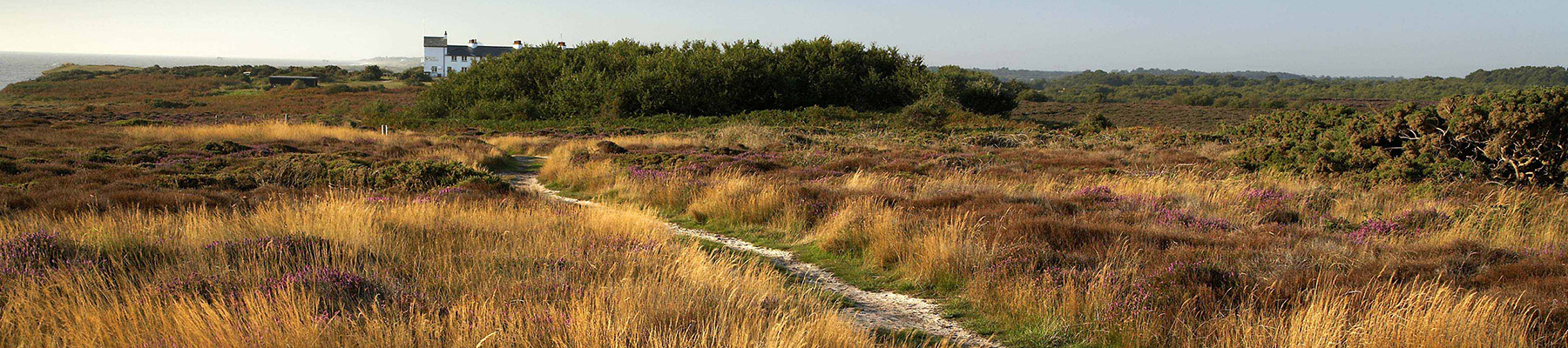
Suffolk is Constable country, where the county’s crumbling, time-ravaged coastline spreads itself under wide skies to convey a wonderful sense of remoteness and solitude. Highly evocative and atmospheric, this is where rivers wind lazily to the sea and notorious 18th-century smugglers hid from the excise men.
"The spiritual capital of Suffolk has risen once again with a new cathedral tower."
Walk details
1hr 30min
Difficulty:
Easy
Gradient:
Flat
Distance:
3 miles (4.8kms)
Ascent:
0ft (0m)
Walk directions
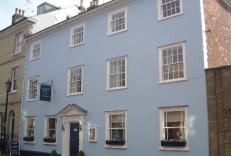
Turn left out of the car park and reach the side entrance to the Abbey Gardens. Turn right and climb to Angel Hill. Walk along Angel Hill then turn first right to walk up Abbeygate Street. When you reach the building on the corner of Whiting Street, note the medieval carved beams on display in the window. Across the street, at first floor level, is a statue of St Edmund in a niche.
1 of 4
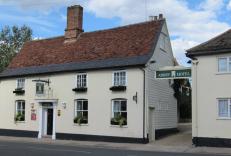
Turn right along Skinner Street to emerge on Cornhill opposite Moyses Hall, a Norman house from the 12th century. Turn left and left again to return to Abbeygate Street along The Traverse, passing the Nutshell, England's smallest pub, on the left. Turn right past the Corn Exchange, now a Wetherspoon's pub, and left along Guildhall Street, noting the 15th-century Guildhall with its flint porch. Turn left along College Lane opposite the Black Boy pub and continue on this passage past a half-timbered cottage with overhanging jetties and carved angel window frames. Keep straight ahead to cross two roads before swinging right and left on Church Walks. Turn right along Bridewell Lane and left at the end of the street to reach the Greene King brewery and the Theatre Royal (1819), now in the hands of the National Trust, but still in use as a theatre.
2 of 4
Turn left opposite the theatre to arrive at St Mary's Church, burial place of Mary Tudor, younger sister of Henry VIII.
3 of 4
Turn right between the cathedral and the Norman Tower and cross the Great Churchyard to your right to arrive on Honey Hill opposite the Manor House Museum. Turn left here and keep to the left of the Old Shire Hall on a footpath signposted 'Moreton Hall Estate'. Cross the car park and turn right through a wooden gate into the No Man's Meadows nature reserve, passing an information board and walking through The Crankles, an area of medieval fishponds now planted with cricket bat willows. Stay on this path through water meadows then turn right to cross a footbridge and climb some steps. Turn left to walk past the rugby ground. Turn left at the road, cross the River Lark and turn left on to a bridleway that runs beside the river. Keep straight ahead at a crossing on the path to return to the Abbey Gardens via a bridge.
Some years after King Edmund's death at Hoxne, his body was moved to Beodricsworth and a shrine was built in his honour in the town which became known as Bury St Edmunds. It soon became an important place of pilgrimage and its abbey grew to be one of the most powerful in Europe. Bury, today,... remains the religious capital of Suffolk, a status which has been reinforced with the building of its cathedral tower, completed in 2005. It is also a delightful town in which to stroll. On this walk you take in 1,000 years of history, from Norman flint and Elizabethan timber to Georgian brick and Victorian Bath stone, along with beautiful gardens and a short stretch along the River Lark. Angel Hill This is the site of the old Bury Fair, which brought entertainers and salesmen from all over Europe until it was banned on grounds of immorality in 1871. The ivy-covered building is the Angel, mentioned by Charles Dickens in Pickwick Papers. Across the square are the Athenaeum Subscription Rooms, with a grand 18th-century ballroom where Dickens gave readings and where concerts still take place. On the left, the Abbey Gate is one of two surviving gateways of the old abbey, which was sacked by the townspeople in 1327 and dissolved by Henry VIII in 1539. Just inside the gateway is the world's first internet park bench, with free modem sockets for laptop computers. Beyond here are the ruins of the Norman abbey. Theatre Royal Surprisingly, the Theatre Royal in Bury St Edmunds is the only surviving Georgian playhouse in Britain and is now in the hands of the National Trust. Built in 1819 and recently restored, it is still in use as a theatre and offers an apparently authentic late-Georgian theatre-going experience, though the bar and restaurant are of contemporary design. The theatre hosts regular productions and rehearsed readings of works that were written in the early 19th century when the theatre opened. St Mary's Church and Norman tower This church is where Mary Tudor, the younger sister of Henry VIII, is buried. Beyond it stands the Norman Tower, part of the original abbey and now the bell tower for St Edmundsbury Cathedral. This unusual cathedral began life as a parish church and was upgraded in 1914 when the diocese of St Edmundsbury and Ipswich was created. In 2005, The completion in 2005 of the 150ft-Millennium Tower (so called because work began in 2000) has finally made the cathedral worthy of the name and gives the skyline more interest than the sugar factory. Inside the cathedral, a viewing area beneath a brand new fan-vaulted ceiling was opened to visitors in 2010.
Suffolk is Constable country, where the county’s crumbling, time-ravaged coastline spreads itself under wide skies to convey a wonderful sense of remoteness and solitude. Highly evocative and atmospheric, this is where rivers wind lazily to the sea and notorious 18th-century smugglers hid from the excise men.