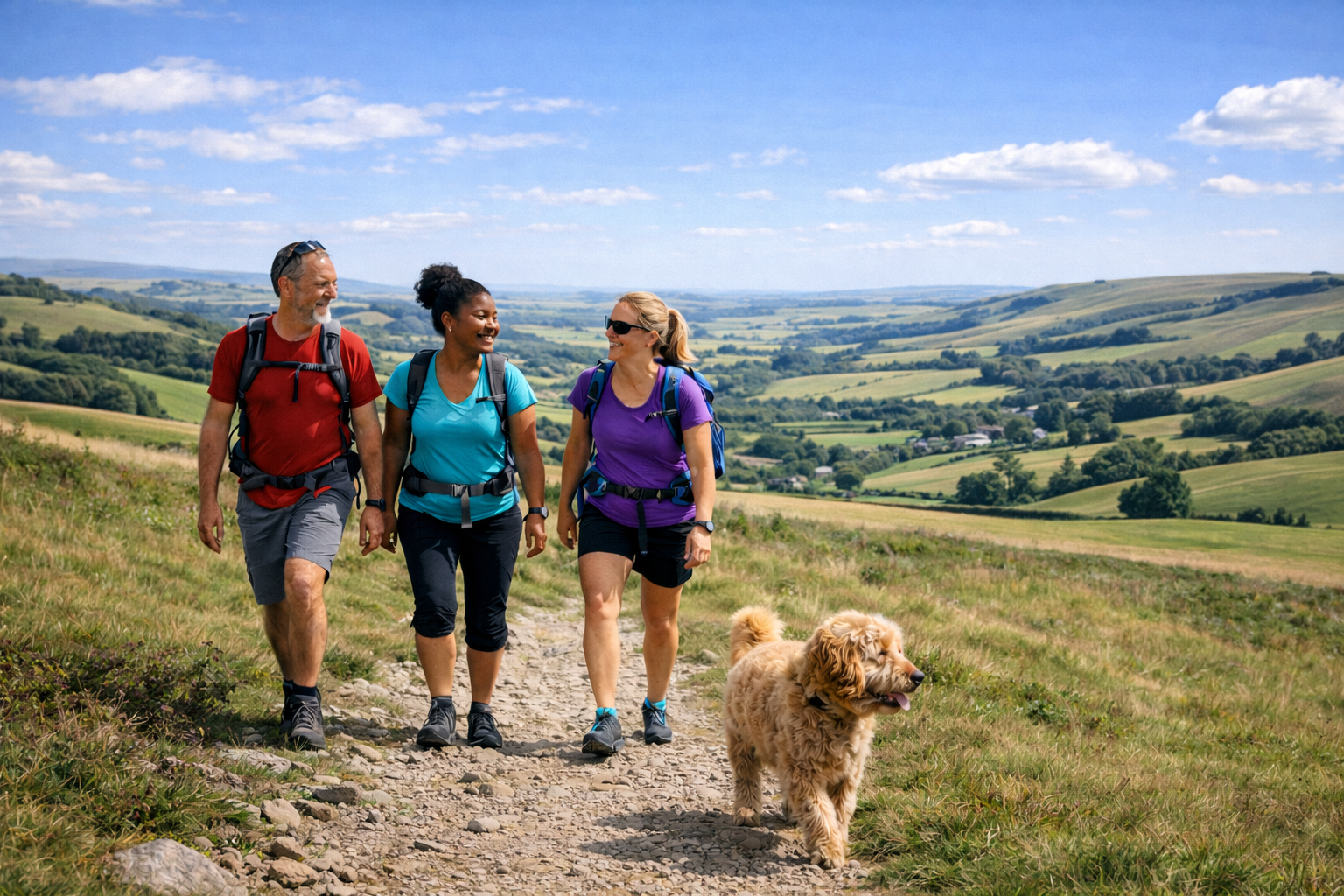
"Explore the beautiful countryside around this medieval village with a surprisingly modern beat"
Walk directions
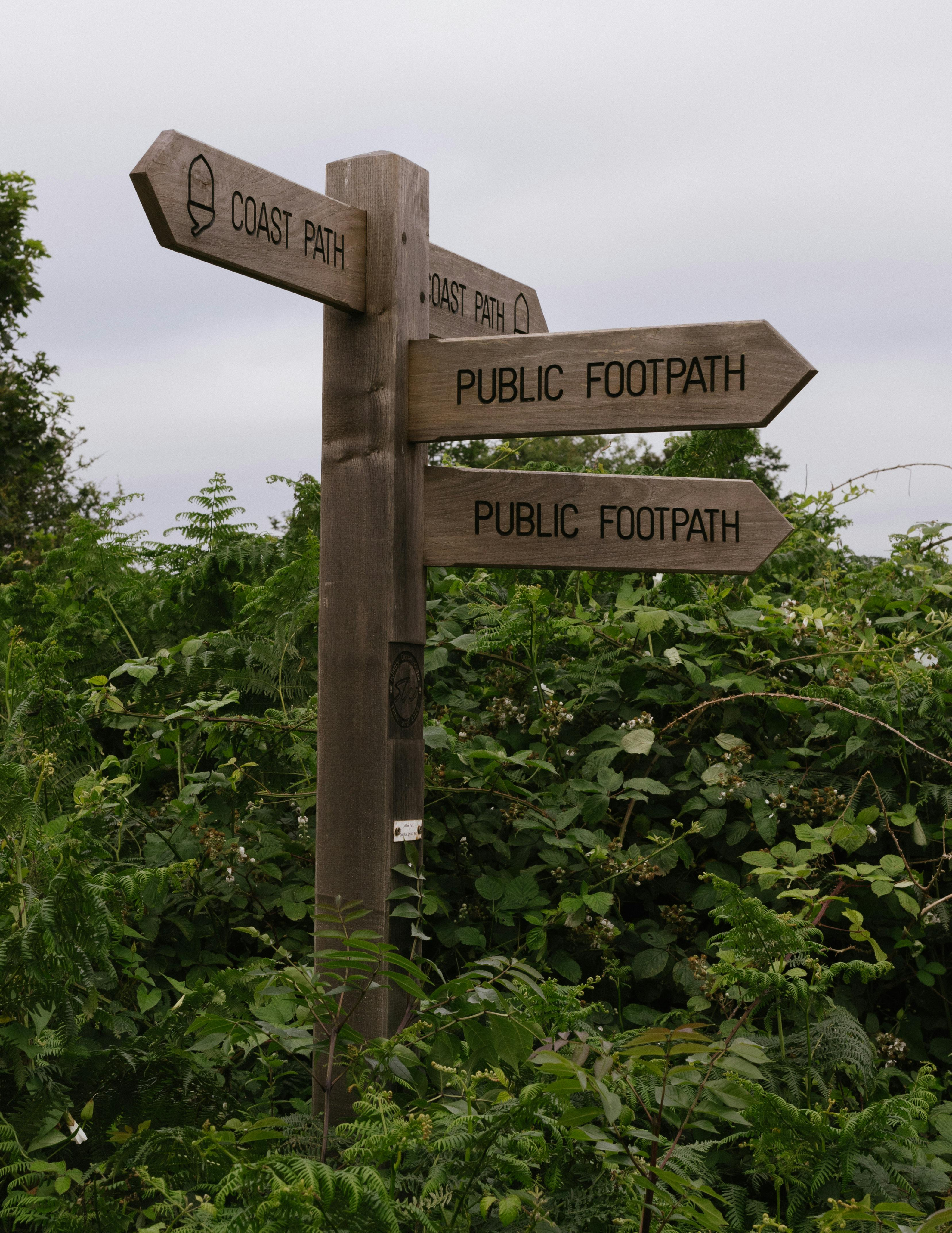
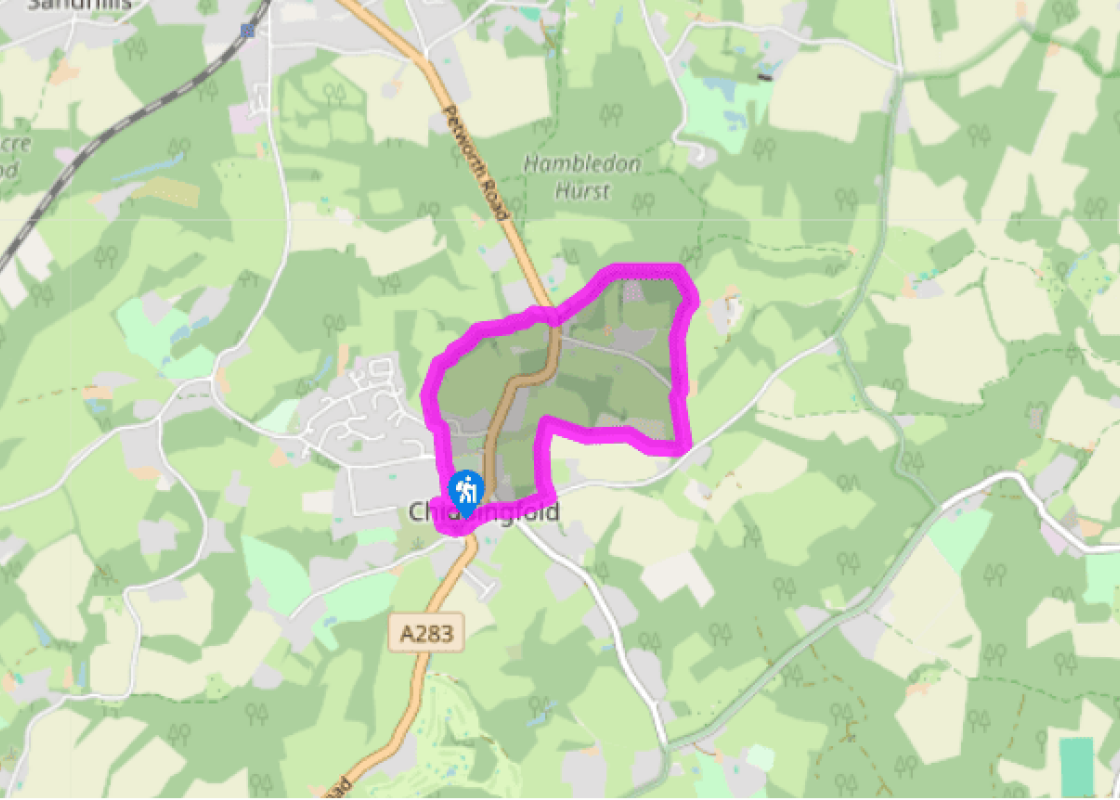
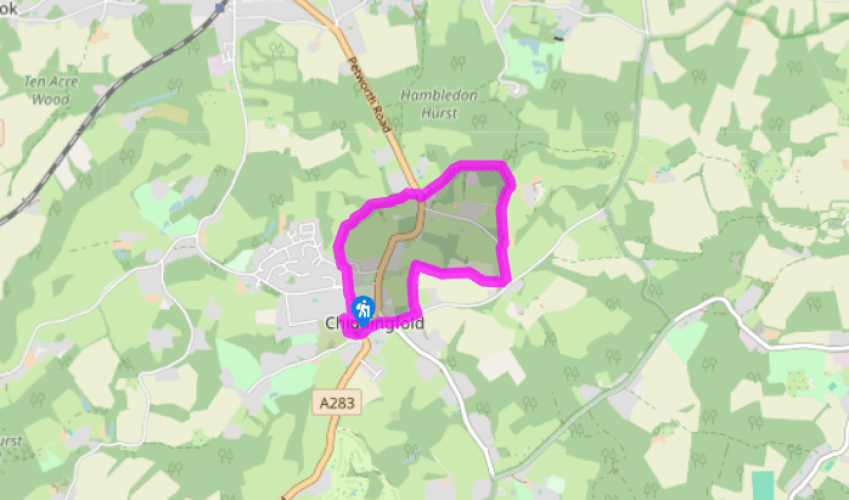
Turn left along Coxcombe Lane. Within 130yds (119m), as the lane bears to the left, turn right by the house, Beckhams, along a path that leads to St Mary’s churchyard. On meeting another path, turn left into the churchyard. After visiting the church, continue along the path through the lychgate, and meet the A283 Petworth Road. Cross, with care, to walk past The Crown Inn and along the right side of the green. Continue to the top right-hand corner and The Coach House, and turn right, then left along Pockford Road. Pass Rose Cottage on the left, and take the next footpath left by the fingerpost.
Go through the gate and follow the path on the right side of a field. When the field widens, keep going straight ahead towards a line of trees. Remaining in the field, turn right and follow the path, keeping the hedge on your left. At the second break in the hedge, just before passing under power lines, the path swerves left into the next field and continues in the same direction, with the hedge on your right-hand side and houses on your left, until it leads to a grassy path. At the next waymarker, turn left. The path winds through trees to Skinners Lane.
Turn left here. Walk along the road for 350yds (320m) and turn right onto a public footpath by the sign for Yew Tree Cottage. At the cottage, go ahead through the metal kissing gate and keep right through the field. At the far side, the path descends to another metal kissing gate, leading onto a metalled path. Turn right and, almost immediately left at the fingerpost down a public bridleway, with a wood on the left and paddocks to the right. The path bears left and descends into woodland and crosses a bridge to reach a cross-track.
Turn left by a waymarker along a public bridleway that meanders alongside the river (it can become muddy). It emerges close to the (now closed) Winterton Arms on the A283 Petworth Road. Cross the road with care, go through a metal kissing gate and keep going ahead to take the public footpath opposite the pub. Pass through the next kissing gate onto a brick bridge and continue straight ahead, on the well-defined path. Soon you are confronted by two wooden plank bridges side by side.
Go over the left bridge and follow the path that crosses a field, heading towards the houses. At the far side it becomes a tree-lined walk, which reaches a metal gate and then a path by houses. At the end, turn left along Woodside Road. Take the next right down Coxcombe Lane, leading back to the car park.
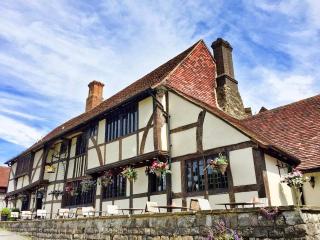
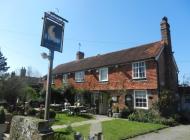
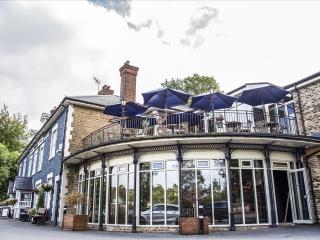
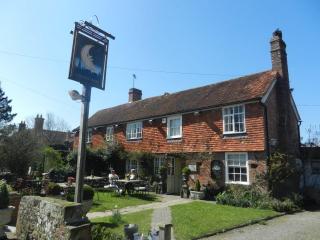
Chiddingfold is a very picturesque village with old buildings grouped around the village green. One of the oldest is The Crown Inn, which dates from the 13th century and may have been built by Cistercians as a resting place for travelling monks. Folklore maintains that there was a tunnel between... here and the church, but no trace of this has ever been found. It has certainly been used as an alehouse since 1353. It is believed that Queen Elizabeth I stayed at The Crown in 1591, while on her way to Cowdray Park in West Sussex. It is also said that King Edward VI, when his army was camped on the green in 1552, would probably have visited The Crown for refreshments. Local industries In the Middle Ages, Chiddingfold was highly regarded for the quality of the glass it produced. It was used in the windows of some of the finest buildings in the country, including St Stephen’s Chapel in Westminster in 1351, and St George’s Chapel in Windsor for Edward III. In the reign of Elizabeth I, there were 11 glass works around the village green. The villagers eventually petitioned to have them closed on the grounds that they were a nuisance. Replicas of Chiddingfold glass are still made, and one of the windows in St Mary’s Church contains fragments of original Chiddingfold glass. Another industry that has centred on Chiddingfold is the making of walking sticks. Back in the 1850s, they were made by three people in Chiddingfold. Many were made from chestnut and ash for walkers, and they had a wide variety of handles. Fashion canes, umbrella handles, ceremonial maces, and even hockey sticks and cudgels were also made here. Despite its appearance as a sleepy village, Chiddingfold has attracted more than its fair share of musicians. During the 1970s, the Chiddingfold Club held concerts by the likes of Acker Bilk and Kenny Ball and, more recently Eric Clapton, Gary Brooker and the SAS Band. In the 1980s, Genesis bought a property in the village which they used as a rehearsal space, and The Stranglers, who also lived in the village, were even known at one time in their early days as The Chiddingfold Chokers.
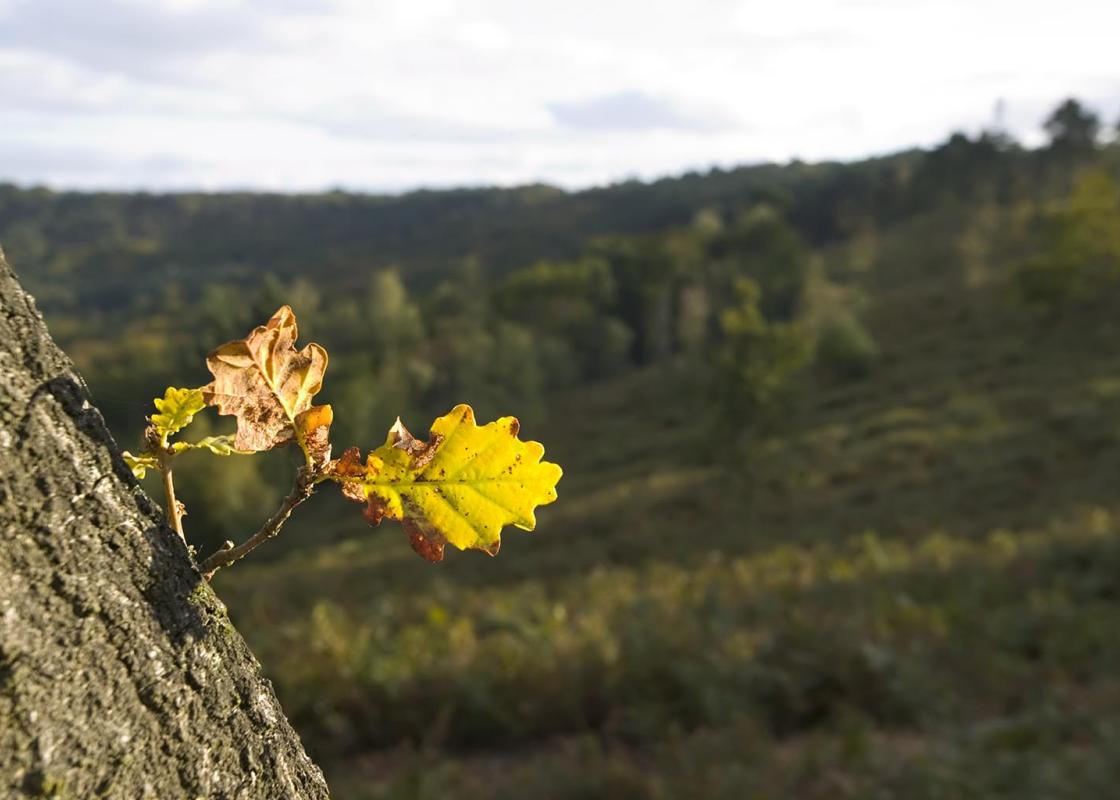
Surrey is one of England’s most wooded counties, with over a quarter of the landscape designated as an official AONB and plenty of history evident in the countryside. You’ll find sandy tracks, cottage gardens and welcoming village inns, and on the fringe of Greater London you can picnic in Chaldon’s hay meadows, explore the downs at Epsom, or drift idly beside the River Thames.
"Explore the beautiful countryside around this medieval village with a surprisingly modern beat"
Walk details
1hr 45min
Difficulty:
Medium
Gradient:
Moderate
Distance:
3.2 miles (5.1kms)
Ascent:
230ft (70m)
Walk directions
Turn left along Coxcombe Lane. Within 130yds (119m), as the lane bears to the left, turn right by the house, Beckhams, along a path that leads to St Mary’s churchyard. On meeting another path, turn left into the churchyard. After visiting the church, continue along the path through the lychgate, and meet the A283 Petworth Road. Cross, with care, to walk past The Crown Inn and along the right side of the green. Continue to the top right-hand corner and The Coach House, and turn right, then left along Pockford Road. Pass Rose Cottage on the left, and take the next footpath left by the fingerpost.
1 of 5
Go through the gate and follow the path on the right side of a field. When the field widens, keep going straight ahead towards a line of trees. Remaining in the field, turn right and follow the path, keeping the hedge on your left. At the second break in the hedge, just before passing under power lines, the path swerves left into the next field and continues in the same direction, with the hedge on your right-hand side and houses on your left, until it leads to a grassy path. At the next waymarker, turn left. The path winds through trees to Skinners Lane.
2 of 5
Turn left here. Walk along the road for 350yds (320m) and turn right onto a public footpath by the sign for Yew Tree Cottage. At the cottage, go ahead through the metal kissing gate and keep right through the field. At the far side, the path descends to another metal kissing gate, leading onto a metalled path. Turn right and, almost immediately left at the fingerpost down a public bridleway, with a wood on the left and paddocks to the right. The path bears left and descends into woodland and crosses a bridge to reach a cross-track.
3 of 5
Turn left by a waymarker along a public bridleway that meanders alongside the river (it can become muddy). It emerges close to the (now closed) Winterton Arms on the A283 Petworth Road. Cross the road with care, go through a metal kissing gate and keep going ahead to take the public footpath opposite the pub. Pass through the next kissing gate onto a brick bridge and continue straight ahead, on the well-defined path. Soon you are confronted by two wooden plank bridges side by side.
4 of 5
Go over the left bridge and follow the path that crosses a field, heading towards the houses. At the far side it becomes a tree-lined walk, which reaches a metal gate and then a path by houses. At the end, turn left along Woodside Road. Take the next right down Coxcombe Lane, leading back to the car park.
Chiddingfold is a very picturesque village with old buildings grouped around the village green. One of the oldest is The Crown Inn, which dates from the 13th century and may have been built by Cistercians as a resting place for travelling monks. Folklore maintains that there was a tunnel between... here and the church, but no trace of this has ever been found. It has certainly been used as an alehouse since 1353. It is believed that Queen Elizabeth I stayed at The Crown in 1591, while on her way to Cowdray Park in West Sussex. It is also said that King Edward VI, when his army was camped on the green in 1552, would probably have visited The Crown for refreshments. Local industries In the Middle Ages, Chiddingfold was highly regarded for the quality of the glass it produced. It was used in the windows of some of the finest buildings in the country, including St Stephen’s Chapel in Westminster in 1351, and St George’s Chapel in Windsor for Edward III. In the reign of Elizabeth I, there were 11 glass works around the village green. The villagers eventually petitioned to have them closed on the grounds that they were a nuisance. Replicas of Chiddingfold glass are still made, and one of the windows in St Mary’s Church contains fragments of original Chiddingfold glass. Another industry that has centred on Chiddingfold is the making of walking sticks. Back in the 1850s, they were made by three people in Chiddingfold. Many were made from chestnut and ash for walkers, and they had a wide variety of handles. Fashion canes, umbrella handles, ceremonial maces, and even hockey sticks and cudgels were also made here. Despite its appearance as a sleepy village, Chiddingfold has attracted more than its fair share of musicians. During the 1970s, the Chiddingfold Club held concerts by the likes of Acker Bilk and Kenny Ball and, more recently Eric Clapton, Gary Brooker and the SAS Band. In the 1980s, Genesis bought a property in the village which they used as a rehearsal space, and The Stranglers, who also lived in the village, were even known at one time in their early days as The Chiddingfold Chokers.
Surrey is one of England’s most wooded counties, with over a quarter of the landscape designated as an official AONB and plenty of history evident in the countryside. You’ll find sandy tracks, cottage gardens and welcoming village inns, and on the fringe of Greater London you can picnic in Chaldon’s hay meadows, explore the downs at Epsom, or drift idly beside the River Thames.