Halifax and the Shibden Valley
Recommended by

Our view
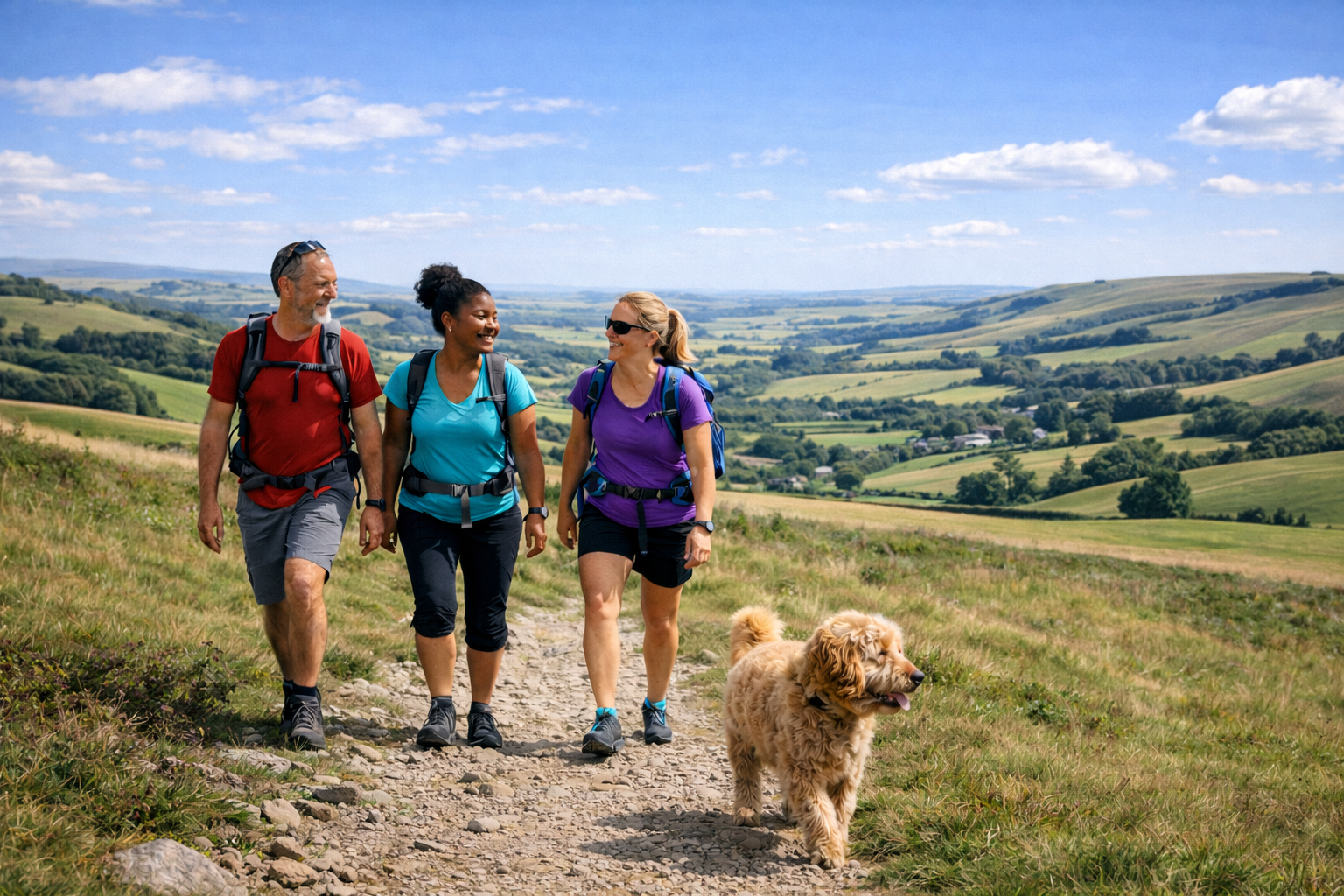
"An old packhorse track, a superb half-timbered hall and a hidden valley – all just a short walk from Halifax."
Walk directions
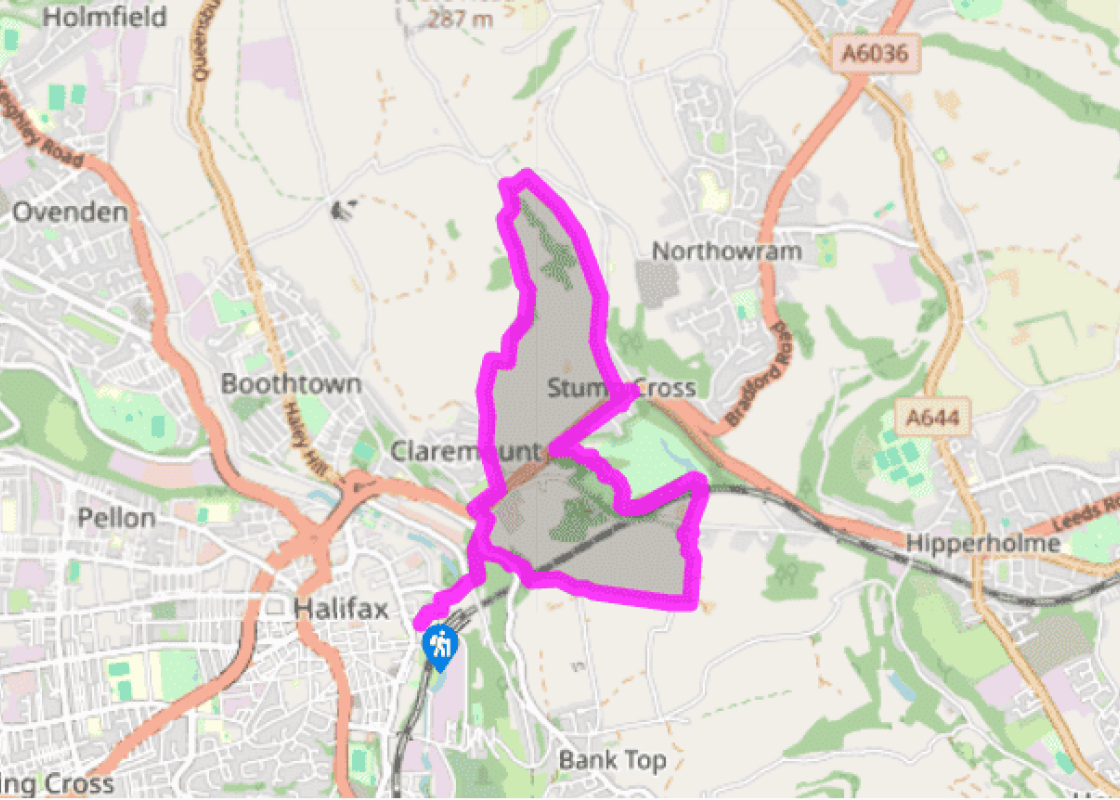
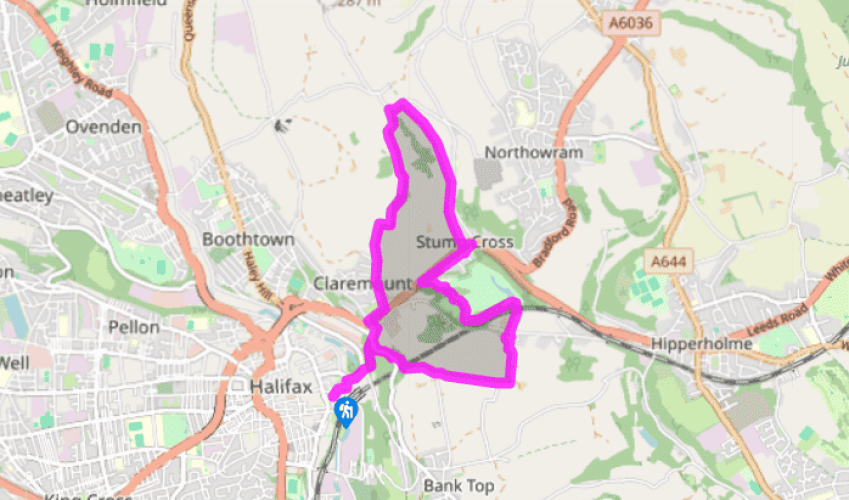
Begin opposite the tall spire that once belonged to Square Church, walking down Alfred Street East and left along Church Street, passing the smoke blackened parish church. Bear left again into Lower Kirkgate, then right along Bank Bottom. Cross Hebble Brook and walk uphill; where the road bears sharp left, keep straight ahead up a steep cobbled lane, the Magna Via. Meeting a road at the top, go right for about 200yds (183m). Just after the entrance to a warehouse, take a cobbled path on the left that makes a steep ascent up Beacon Hill.
Keep with the main trail, which, higher up, curves left over the shoulder of the hill and runs beneath a high buttress wall to a kissing gate and barrier. Walk forward along a broad cinder track, taking the left fork a little further on where views open across the surprisingly rural Shibden Valley. After a further 100yds (91m), take a walled path on the left. Drop steeply to a small housing estate and turn right out to the main road. Almost opposite, beside a farm entrance, a path continues downhill, passing beneath the railway line into Shibden Park.
View all directions
Additional information
Terrain
- Old packhorse tracks and field paths
Landscape
- Surprisingly rural, considering the proximity to Halifax
Dog friendliness
- Keep on lead crossing busy roads
Parking
- Choice of pay-and-display car parks in Halifax
Toilets en route
- At Shibden Park
About the walk
Set among the Pennine hills, Halifax was a town in the vanguard of the Industrial Revolution. Its splendid civic buildings and huge mills are an indication of the town’s prosperity, earned through the woollen trade. Ironically, the most splendid building of all came close to being demolished. The...
Read more

Been on this walk?
Send us photos or a comment about this route. Or recommend a route of your own.

Walking in Safety
Read our tips to look after yourself and the environment when following this walk.
Get an AA guide
Explore our range of ‘50 Walks in’ guides - they’re the ideal companion for a ramble.
Been on this walk?
Send us photos or a comment about this route. Or recommend a route of your own.
Walking in Safety
Read our tips to look after yourself and the environment when following this walk.
Get an AA guide
Explore our range of ‘50 Walks in’ guides - they’re the ideal companion for a ramble.
About the area
Everybody knows that Yorkshire has some special landscapes. The Dales and the Moors first spring to mind, but what about West Yorkshire? That’s Leeds and Bradford isn’t it? Back-to-back houses and blackened mills… Certainly if you had stood on any of the hills surrounding Hebden Bridge a hundred years ago, and gazed down into the valley, all you would have seen was the pall of smoke issuing from the chimneys of 33 textile mills.

Nearby places to stay
View all (8)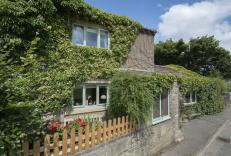





Nearby places to stay
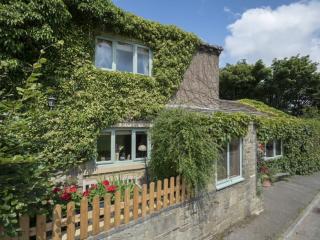
Ploughcroft Cottage
At 1000ft above sea level, Ploughcroft Cottage is in a unique position set in a rural vista only five minutes’ drive from Halifax town centre. Off-road parking is available as well as a...
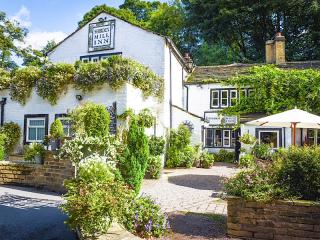
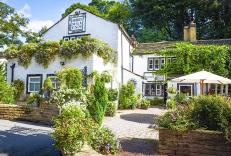
Shibden Mill Inn
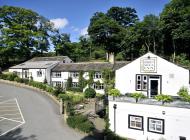
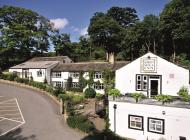
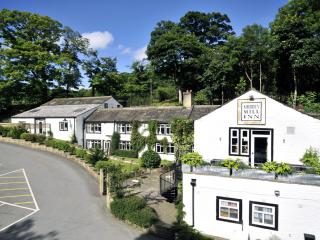
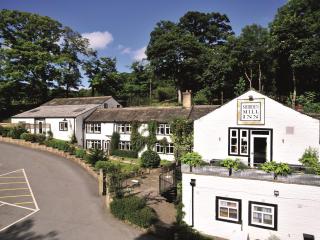
Tucked into the side of a country road in Shibden Dale, this characterful 17th-century inn features exposed beams and open fires. Guests can relax in one of several lounge areas, and me...
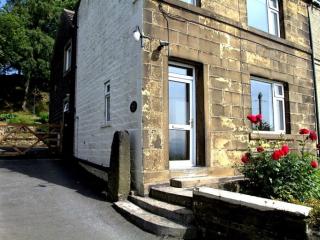
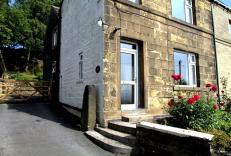
Cherry Tree Cottage
Awaiting description...
Cherry Tree Cottages
Cherry Tree Cottages are two warm, traditional stone cottages, set in two acres of natural heather and woodland garden, with extensive views over the South Pennine countryside. Halifax ...
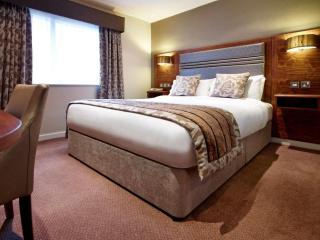
Briar Court Hotel and Venue
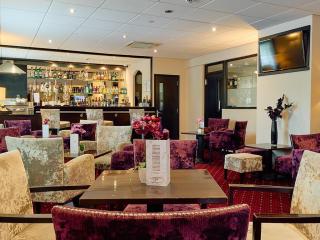
Situated in the heart of the West Yorkshire Pennines, Briar Court Hotel is ideal for a visit to Yorkshire. Relax in the stylish lounge and bar area, an ideal meeting point for morning c...
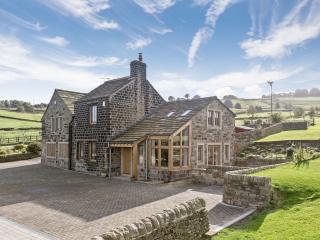
Sands Farm Cottage
Sands Farm is a beautifully renovated stone-built cottage set in peaceful countryside, offering picturesque views over the valley. There are two bedrooms, one en suite and the other wit...

The Fleece Countryside Inn
The Fleece is a sympathetically restored 18th-century inn with stunning views over Ripponden and The Calder Valley. The interior has many original features including half-timbered walls...
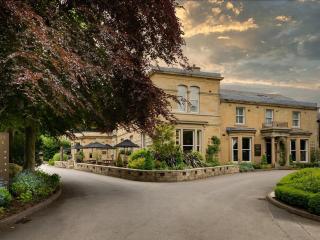
Manor House Lindley
A number of years ago the owners of Manor House transformed it from a derelict property by almost entirely rebuilding it. Now packed full of style and character, the bedrooms are extrem...
Places to eat nearby View all