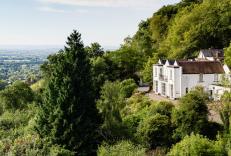

The Malvern Hills

Recommended by
Walk directions

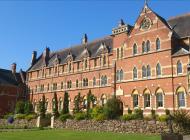
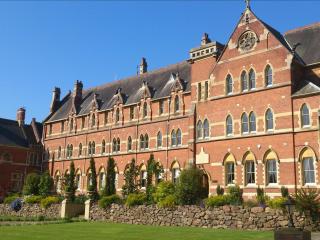
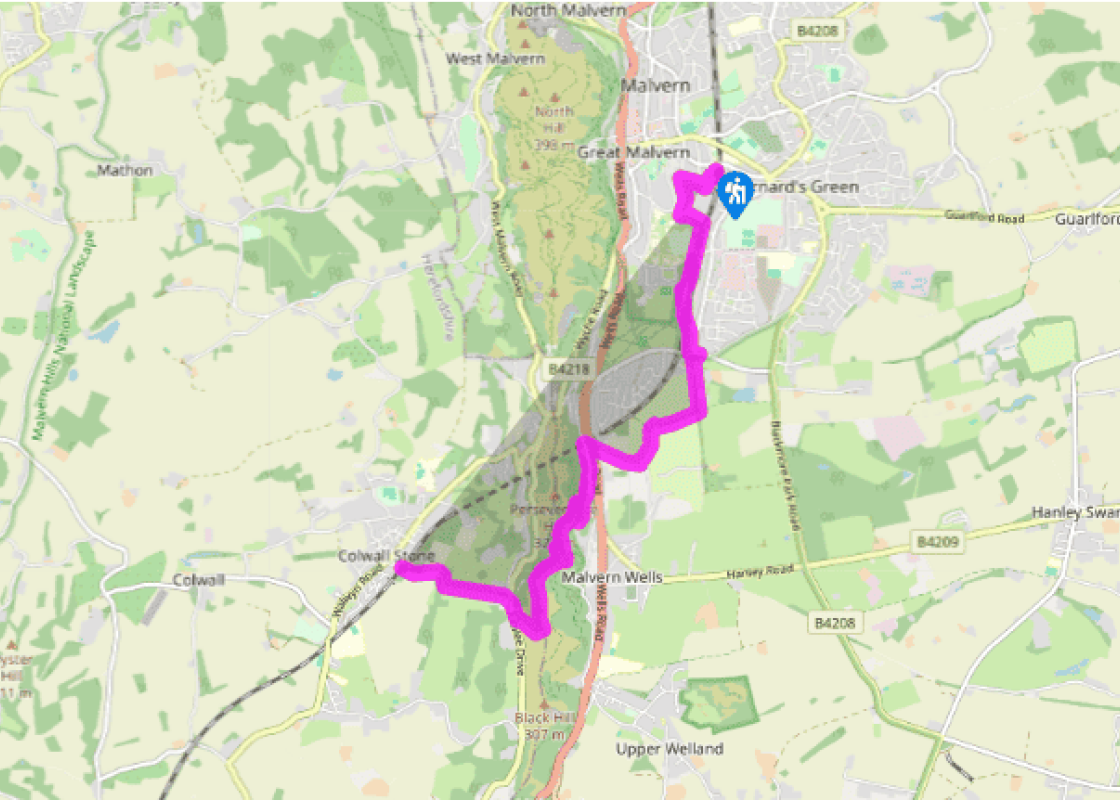
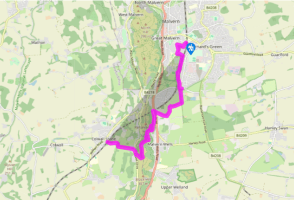
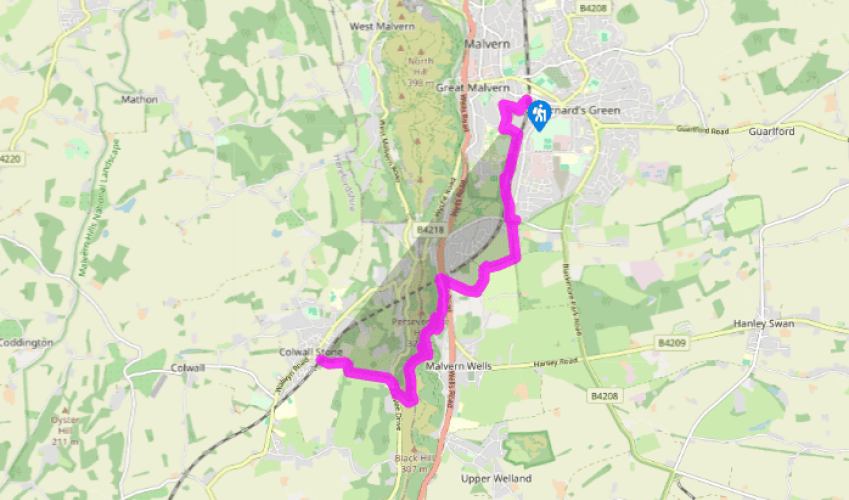
From Great Malvern Station go ahead; then left in 30yds (27m) into Imperial Road. Cross Tibberton Road, turning right up Clarence Road. At the skew junction turn back-left into Albert Road South. At the end turn left. Beside the railway bridge take a leafy pathway right, passing the extensive modern buildings of Malvern College. Cross the next road, then skirt the lower edge of Malvern Common. In 600yds (549m), at a dip and just by ‘60’ on the track, pass under the railway. In 200yds (182m) drift left to a post box and road junction.

Cross the larger road to a fingerpost and fork right, through trees to a wide gate beside a garden, joining a dismantled railway. Descend wooden steps in 375yds (342m) and turn right to follow blue waymark discs (on white posts) across several fairways of the Worcestershire Golf Club. In dense woodland turn left – this track leads to the clubhouse and car park. Go diagonally, to the far side of a white building. Cross carefully beside a green, then another fairway, to reach a wide fenced path up between fields, soon reaching the A449 by houses.

View all directions
Location
Additional information
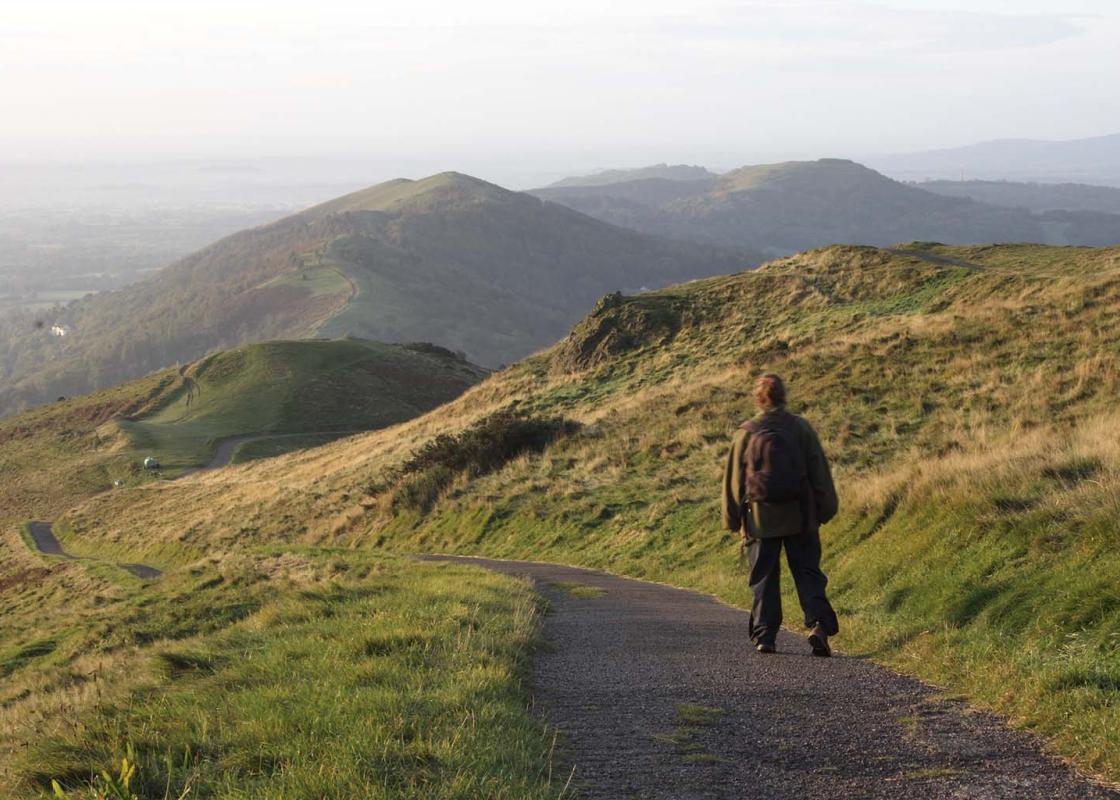
  Terrain  - Streets, railway bed, woodland paths, one short, steep grassy descent, several steady climbs, several stiles
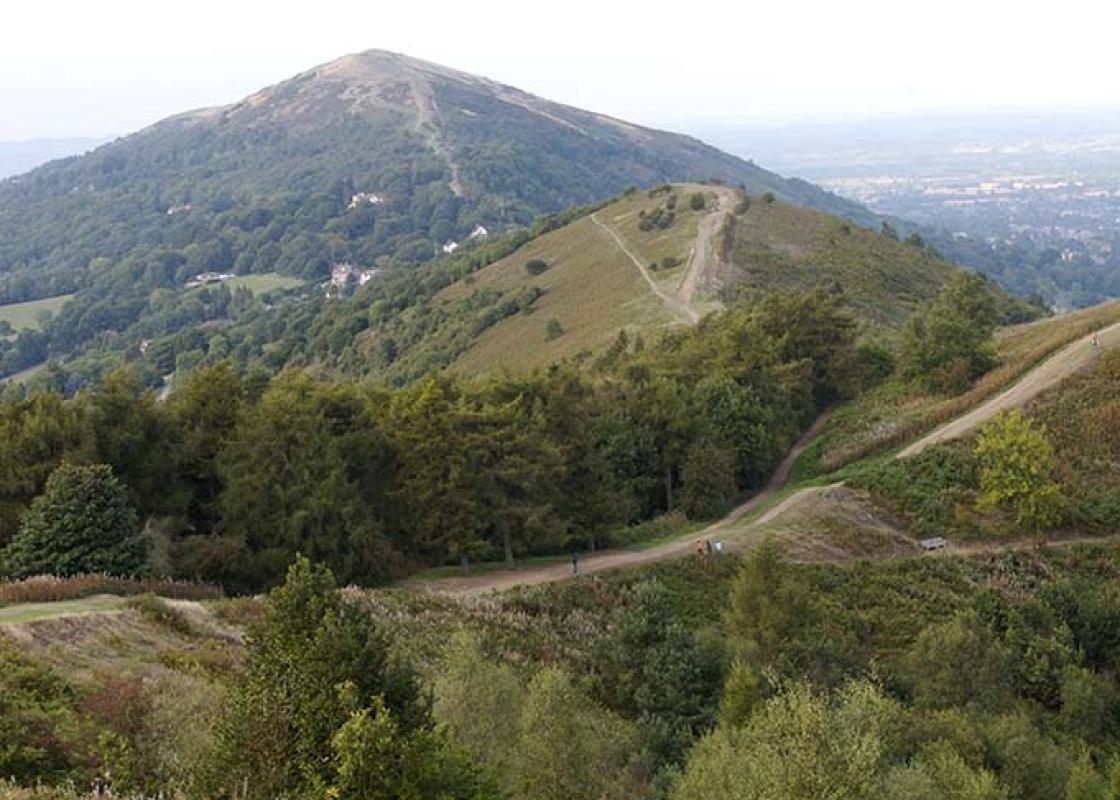
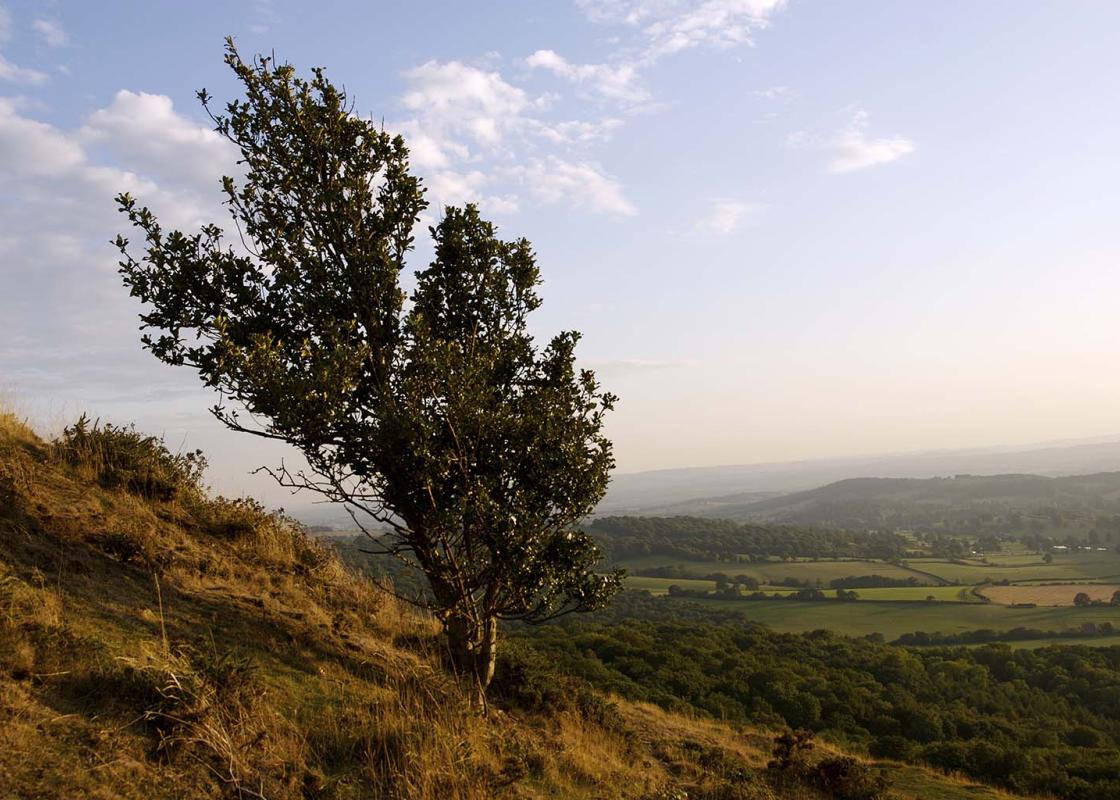
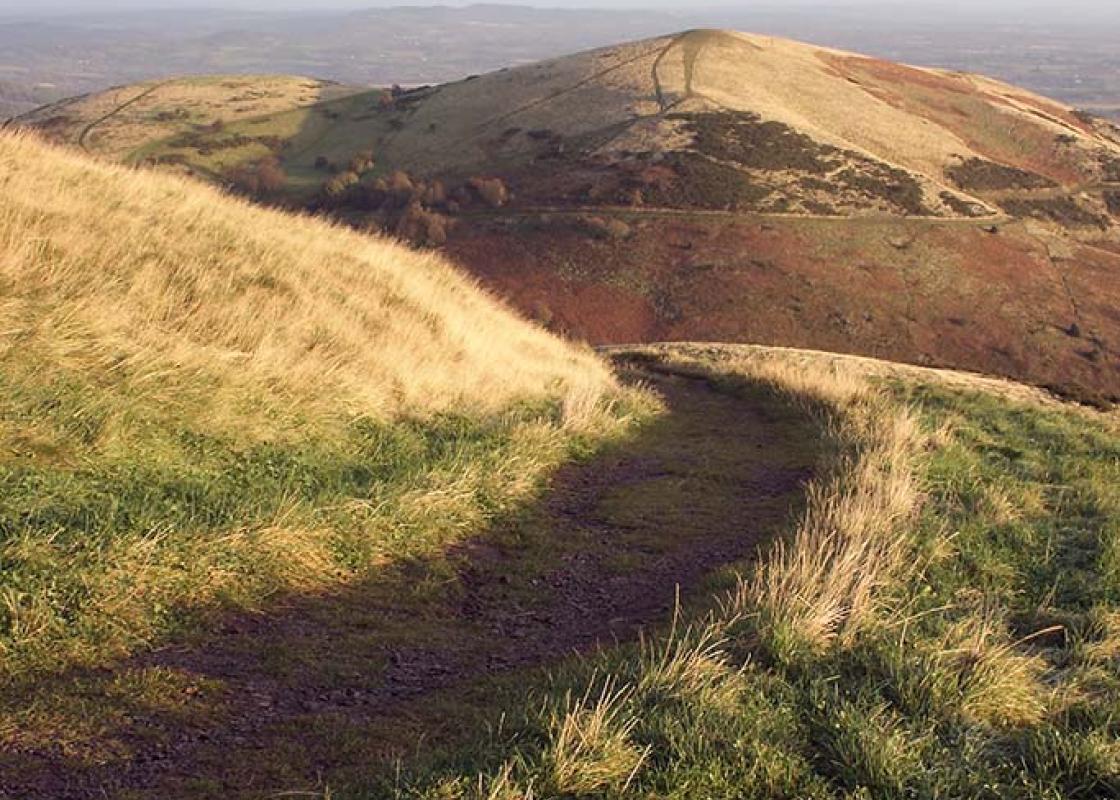
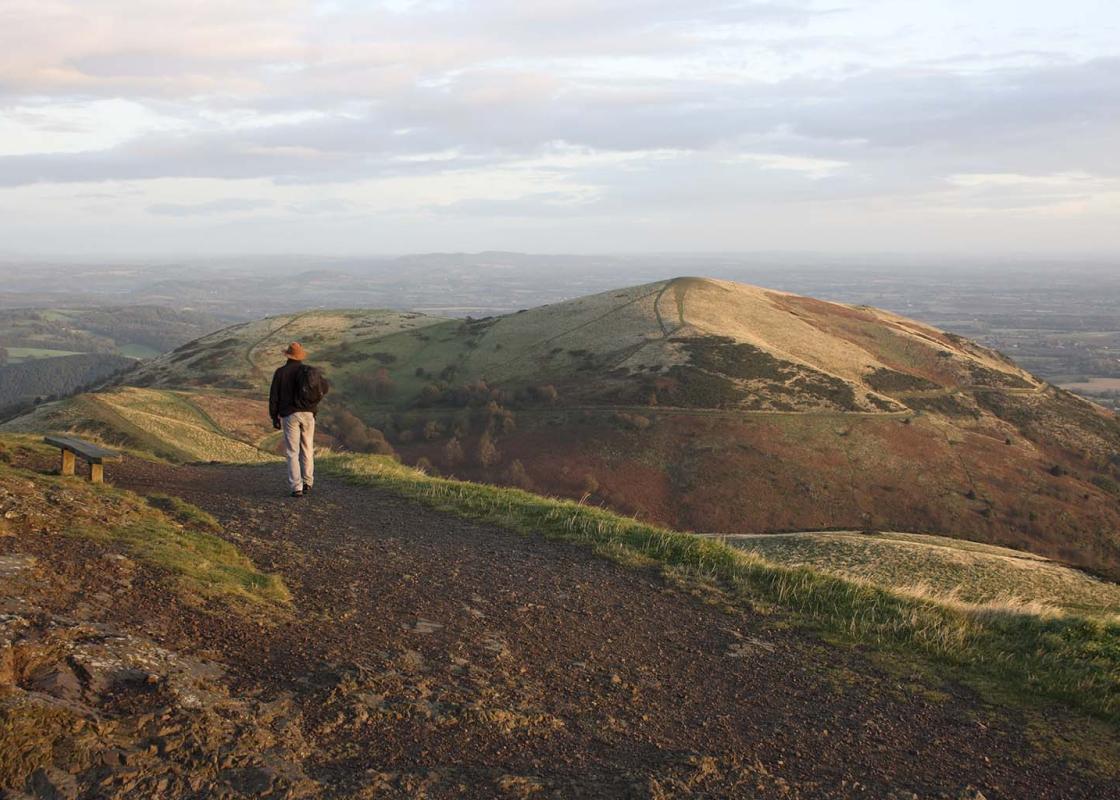
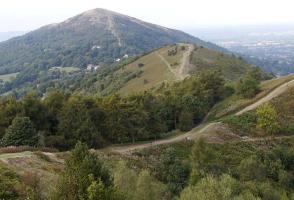
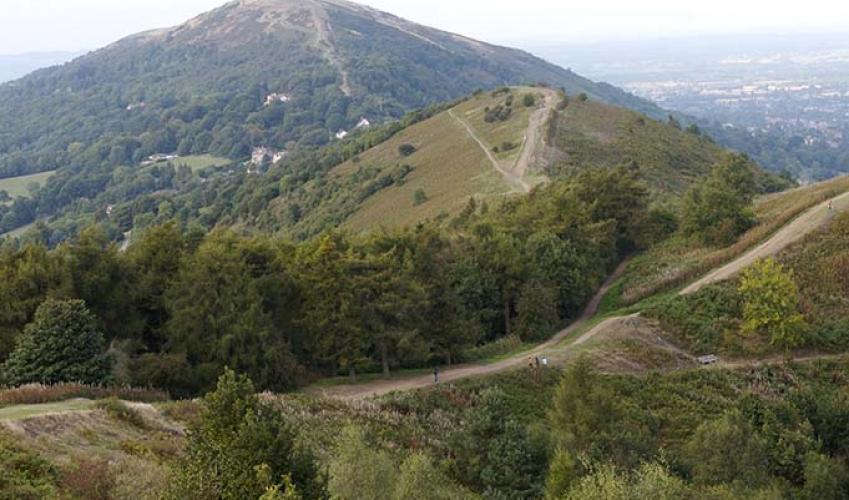
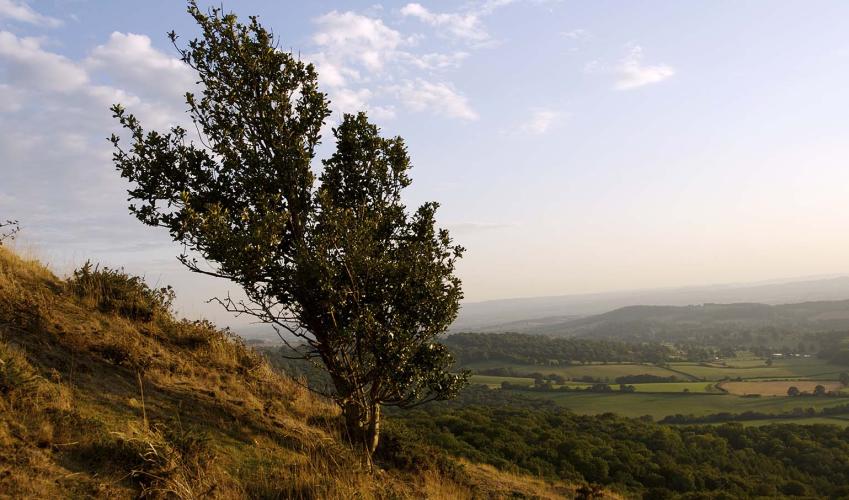
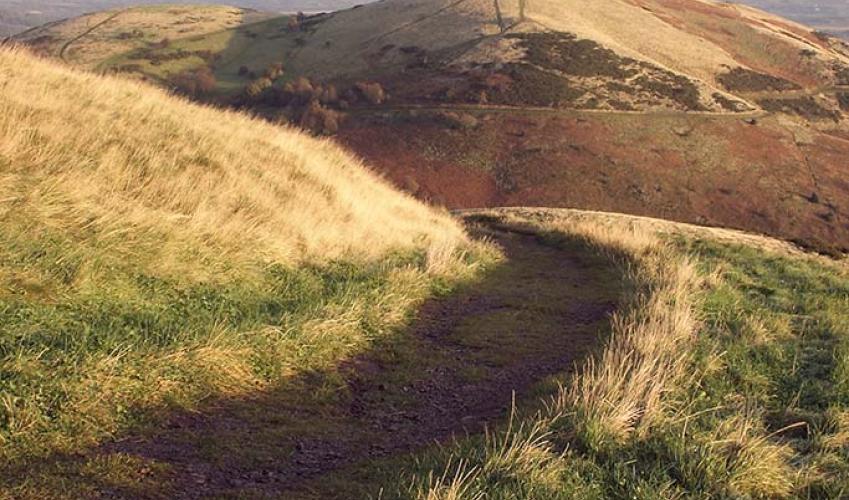
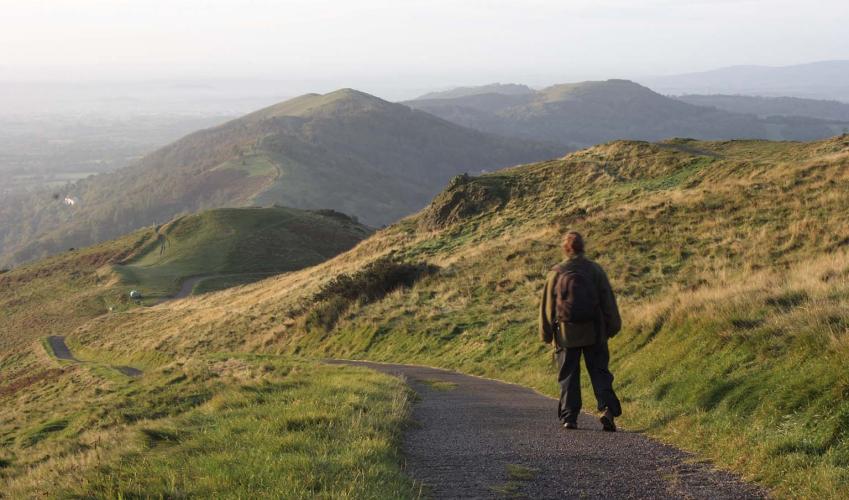
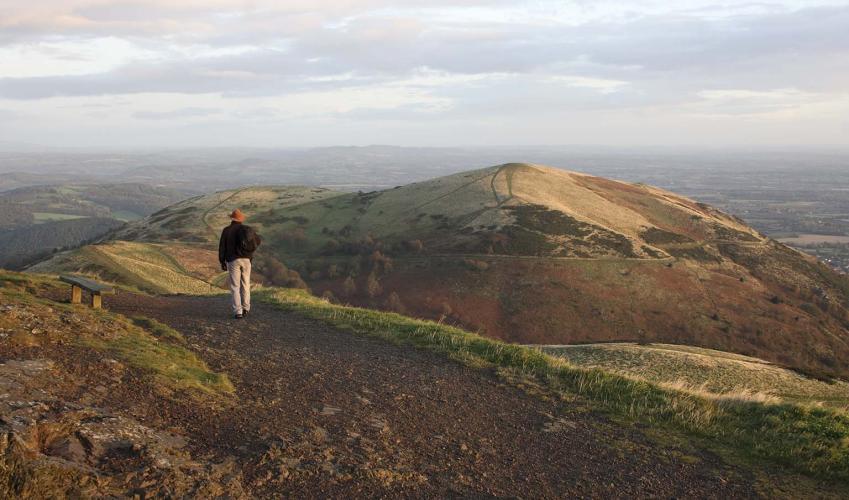
  Landscape  - Suburban, recreational, wooded and pastoral
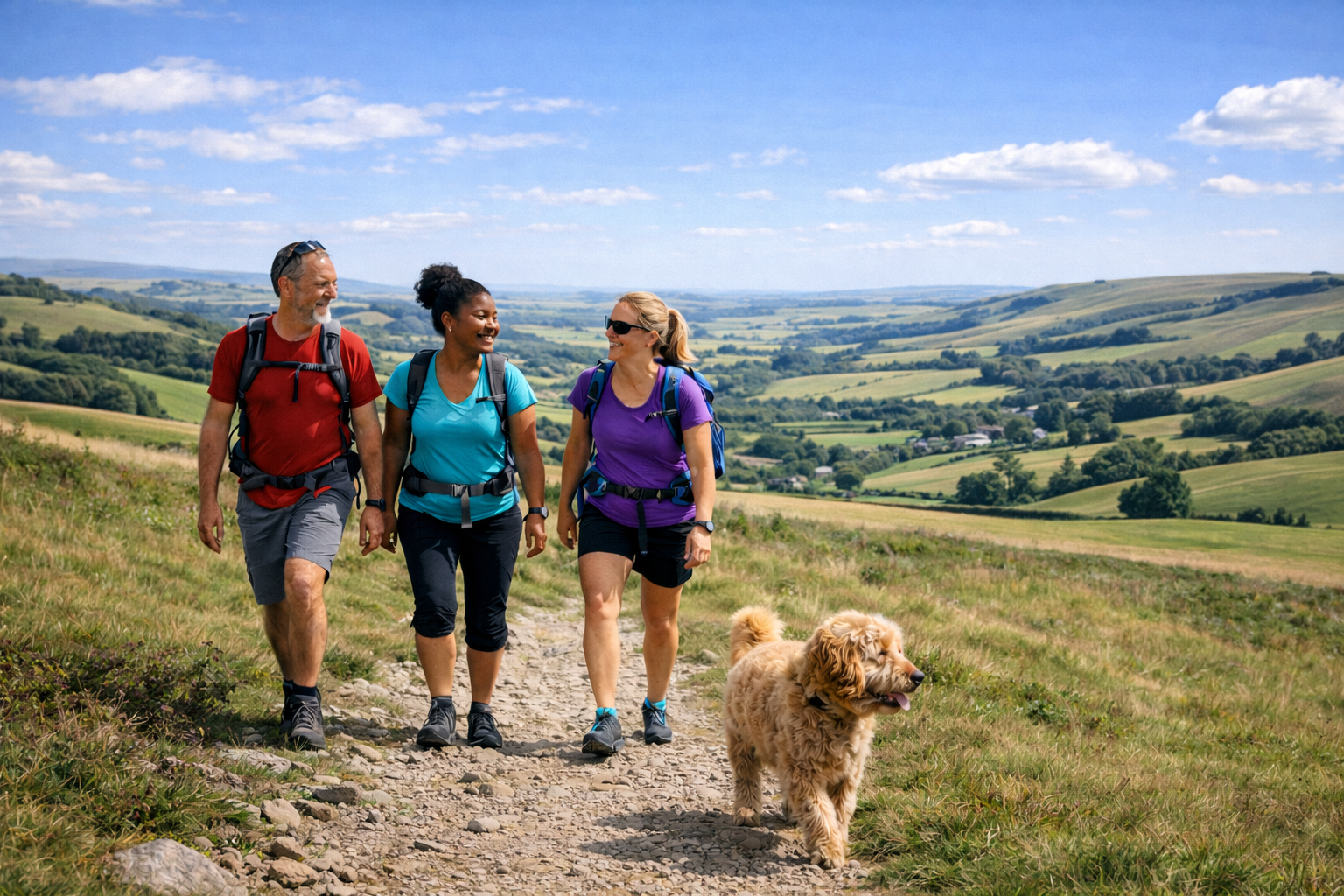
  Dog friendliness  - Few off-lead opportunities, must be controlled on ridge
  Parking  - Car parks at both railway stations
  Toilets en route  - None on route
About the walk
The presence of spa waters in Malvern has been known for centuries. In 1756, a Dr Wall wrote of the waters’ benefits and the 1820s saw the opening of the Baths and Pump Room – an early visitor was Princess Victoria in 1830. As a health spa, the town developed rapidly in Victorian times. A bracing...
Read more
Been on this walk placeholder

Been on this walk?

Send us photos or a comment about this route. Or recommend a route of your own.

Walking in Safety placeholder

Walking in Safety

Read our tips to look after yourself and the environment when following this walk.
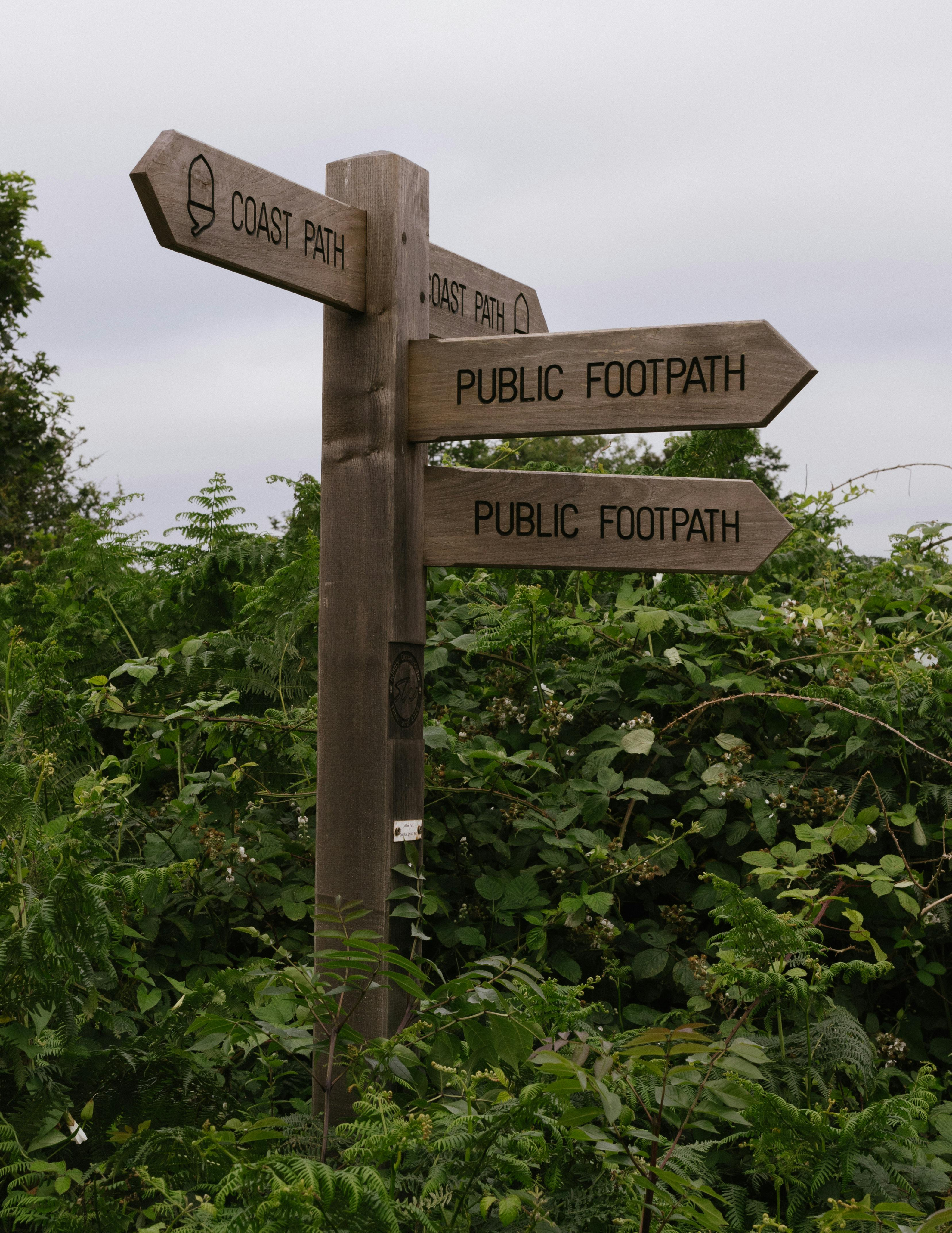
Get an AA guide placeholder

Get an AA guide

Explore our range of ‘50 Walks in’ guides - they’re the ideal companion for a ramble.
About the area
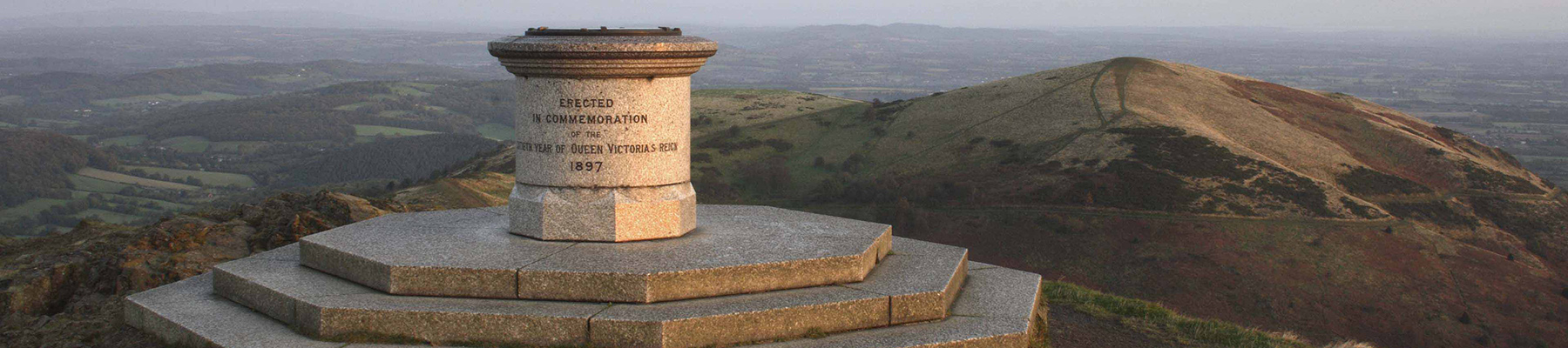
Worcestershire is a county of rolling hills, save for the flat Vale of Evesham in the east and the prominent spine of the Malverns in the west. Nearly all of the land is worked in some way; arable farming predominates – oilseed rape, cereals and potatoes – but there are concentrated areas of specific land uses, such as market gardening and plum growing.
Area image

The Malvern Hills

Recommended by
Location
Nearest postcode:
Additional information
  Terrain - Streets, railway bed, woodland paths, one short, steep grassy descent, several steady climbs, several stiles
  Landscape - Suburban, recreational, wooded and pastoral
  Dog friendliness - Few off-lead opportunities, must be controlled on ridge
  Parking - Car parks at both railway stations
  Toilets en route - None on route
About the walk
The presence of spa waters in Malvern has been known for centuries. In 1756, a Dr Wall wrote of the waters’ benefits and the 1820s saw the opening of the Baths and Pump Room – an early visitor was Princess Victoria in 1830. As a health spa, the town developed rapidly in Victorian times. A bracing...
Read more
Been on this walk placeholder

Been on this walk?

Send us photos or a comment about this route. Or recommend a route of your own.

Walking in Safety placeholder

Walking in Safety

Read our tips to look after yourself and the environment when following this walk.

Get an AA guide placeholder

Get an AA guide

Explore our range of ‘50 Walks in’ guides - they’re the ideal companion for a ramble.

About the area
Area image
Worcestershire
Worcestershire is a county of rolling hills, save for the flat Vale of Evesham in the east and the prominent spine of the Malverns in the west. Nearly all of the land is worked in some way; arable farming predominates – oilseed rape, cereals and potatoes – but there are concentrated areas of specific land uses, such as market gardening and plum growing.