
Jewry Wall MuseumAwaiting assessment
Assessed by

 Assessor comments
"Step back to the time of the Romans in Britain, in this fascinating museum."
Overview
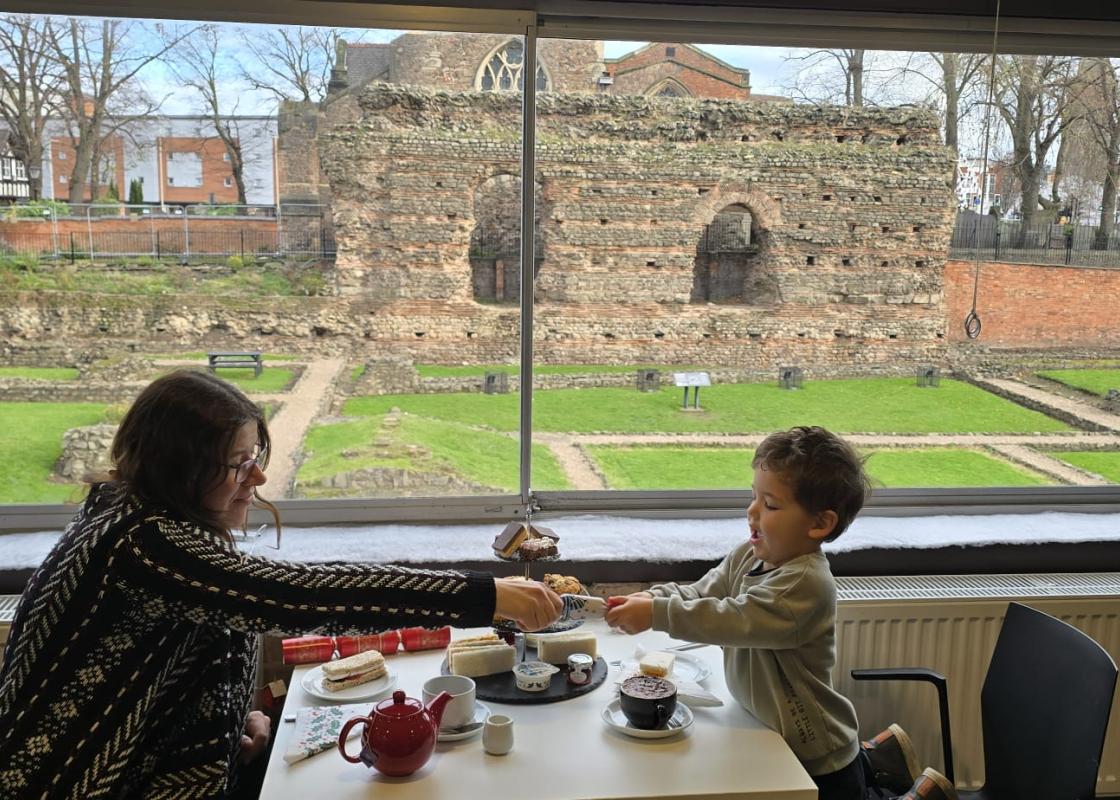
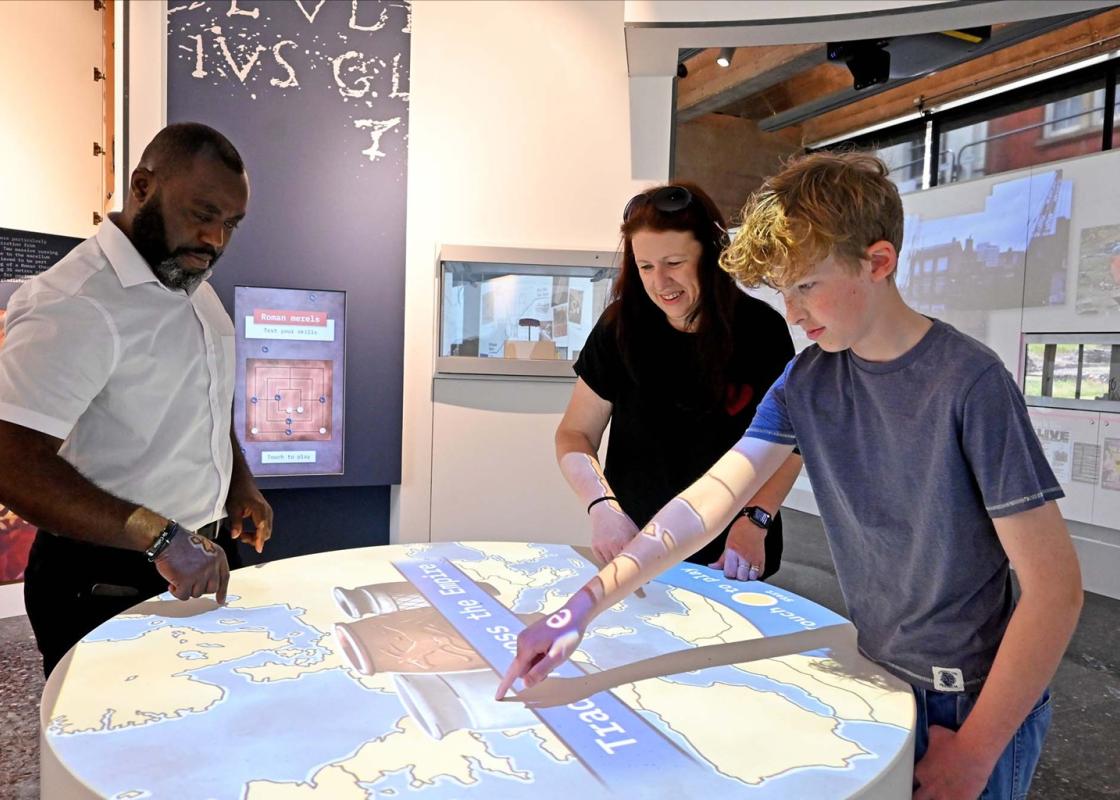
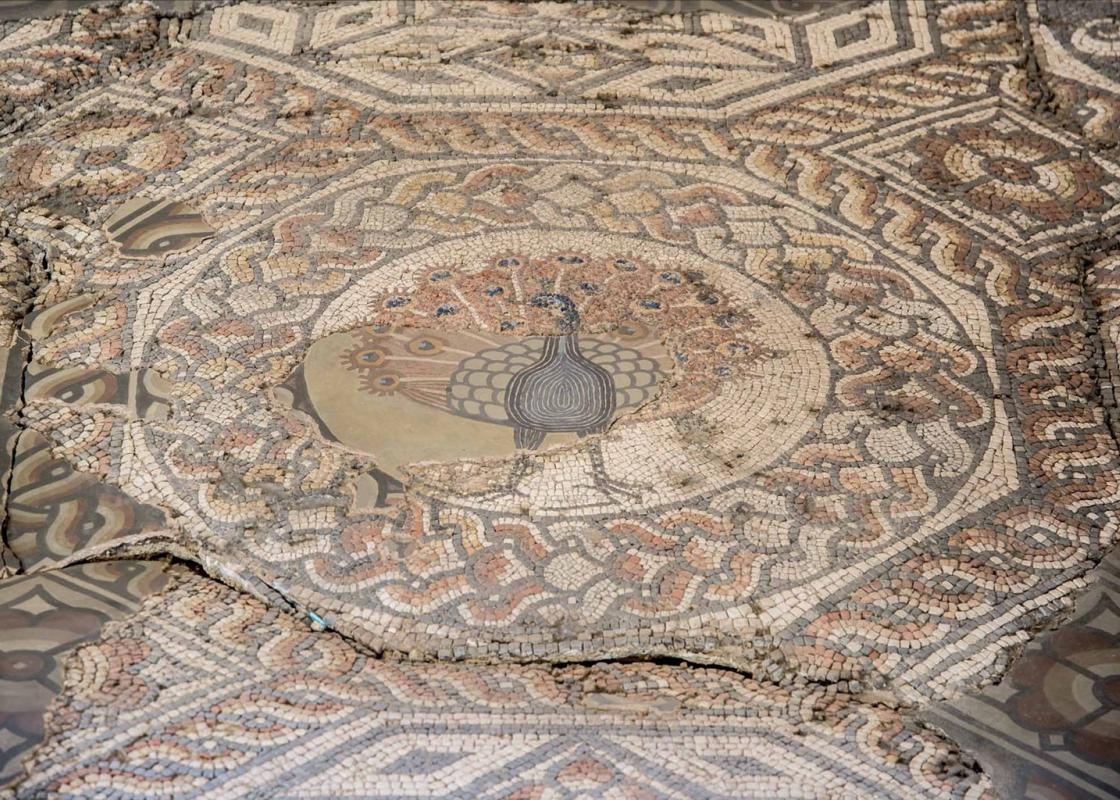
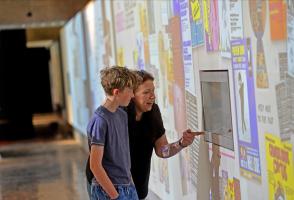
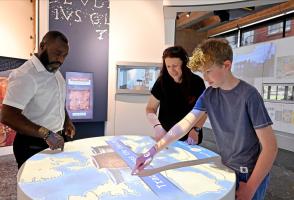
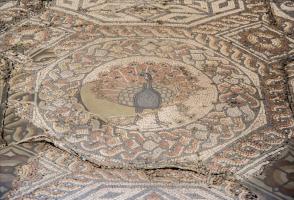
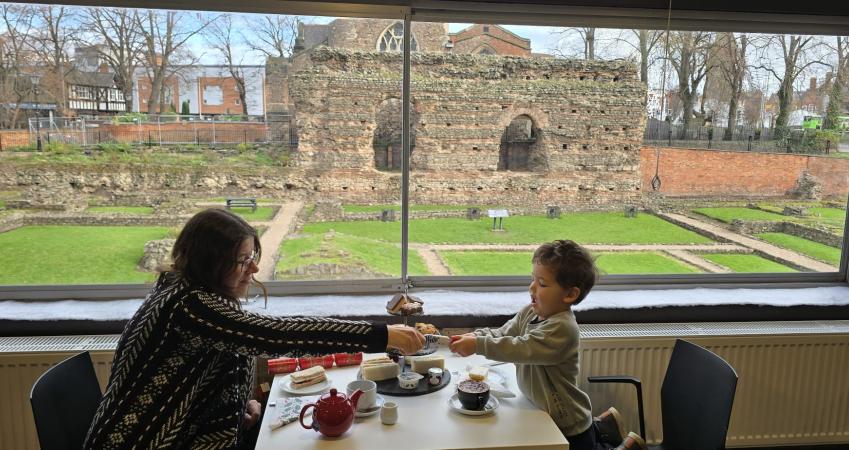
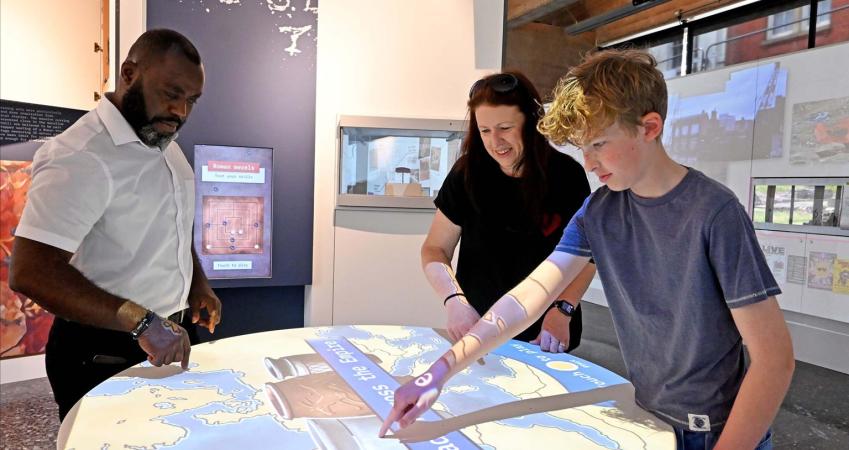
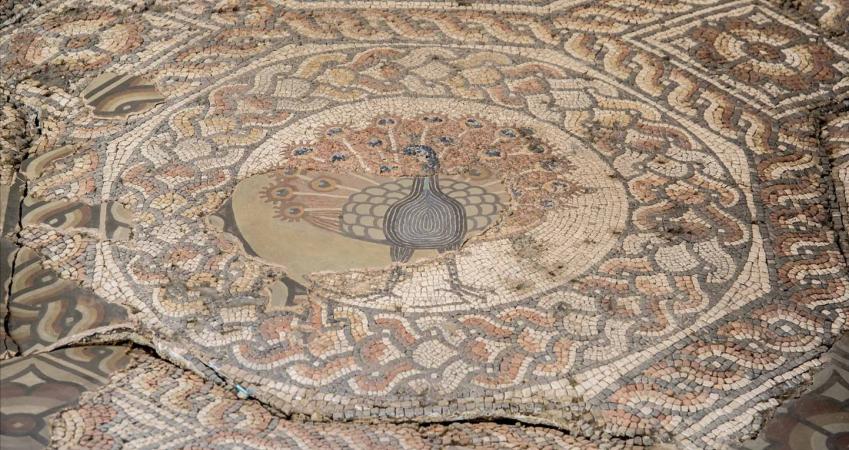
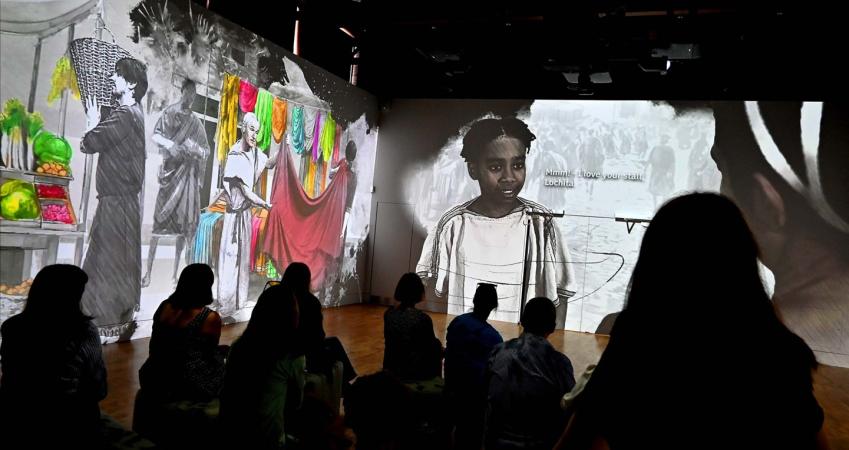
The Jewry Wall is the tallest surviving section of Roman masonry in Britain. Dating back to around AD 160, it is a key part of a public bathhouse complex. This Grade I listed building and scheduled ancient monument is managed by Leicester City Council's Arts & Museums Service on behalf of English Heritage. The Museum is a touch more modern, completed in 1962 as an adult education college and archaeological museum for the city. It closed in 2017 for restoration and re-opened in 2025 following a major refurbishment. Exhibits focus on the Roman history of the wall and surrounding area.
Ratings & awards

VisitEngland Quality Assessed
About the area
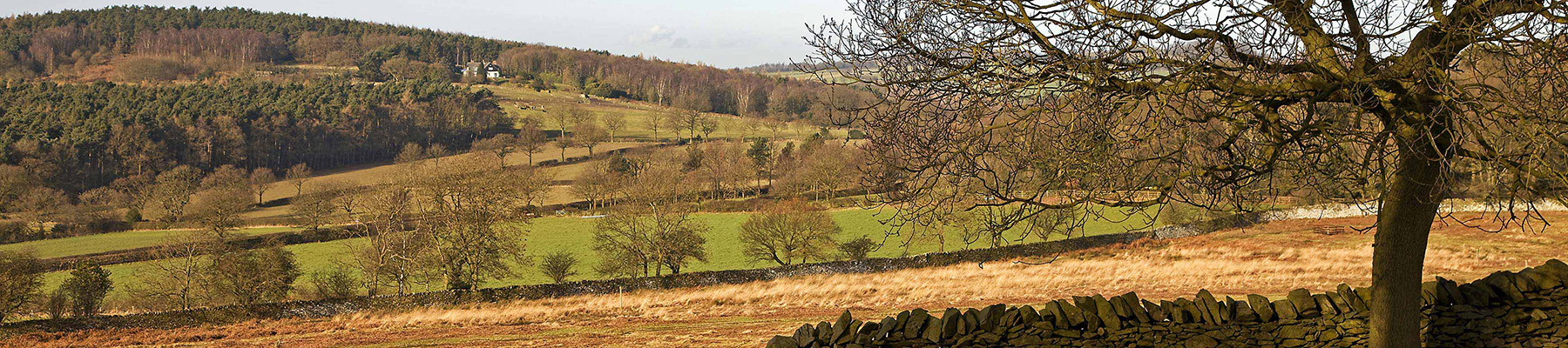
Leicestershire is divided between the large country estates of its eastern side and the industrial towns of the East Midlands to its west. Coal mining was an important part of the county’s industrial development in the 19th and 20th centuries.
Places to eat nearby View all



Nearby places to stay
View all (8)



Nearby places to stay
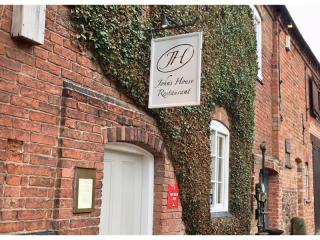
John's House Restaurant
A stones throw from John's House Restaurant, a former 19th-century stable and hay barn has been lovingly converted into two separate cottages; 'Sweet Pea' and 'Chocolate Box'. This qual...
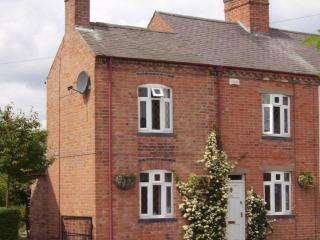
Kingfisher Cottage
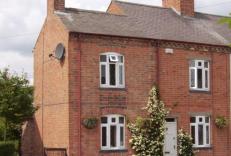
Once the home of workers employed at the nearby mill, Kingfisher Cottage is an attractive red-brick Victorian cottage in a quiet location. Well-equipped with its own driveway, the house...
Kingfisher Cottage
Once the home of workers employed at the nearby mill, Kingfisher Cottage is an attractive red-brick Victorian cottage in a quiet location. Well-equipped with its own driveway, the house...
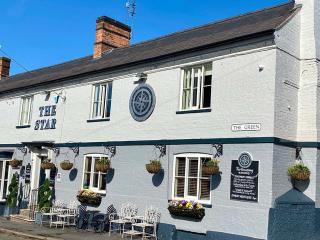
The Star Inn 1744
Overlooking the village green, The Star Inn 1744 wears its age with pride, combining historic character with contemporary touches in its smart restaurant and cosy beamed bar. Friendly s...
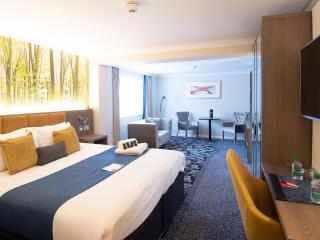
Burleigh Court
Burleigh Court is one of the Midlands' largest accredited conference centres and hotels, combining outstanding meeting facilities with first class accommodation. The AIM Gold-accredited...
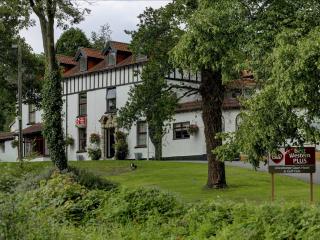
Ullesthorpe Court Hotel and Golf Club
Ullesthorpe Court Hotel and Golf Club is set in 120 acres of glorious Leicestershire countryside just 10 minutes from the motorway network. The hotel is perfect for business or pleasure...
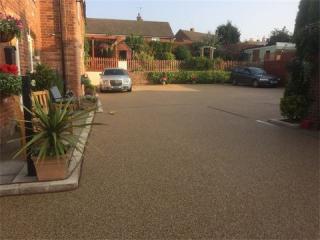
The Post House
You'll get a warm welcome at the The Post House in Ibstock, and all the comforts you'd expect from a family-run guest house. There are six bedrooms, all decorated in a different style a...
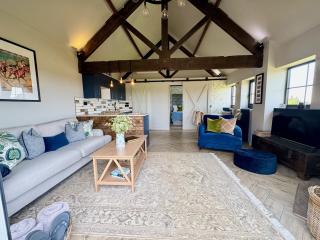
Hall Farm Dadlington
Hall Farm Dadlington boasts 3 individually styled properties within its farm setting. The Old Tractor Shed is a converted barn perched high on a re-wilded gravel pit, whilst Fielden’s ...