University of Leicester Botanic Garden
Recommended by


Overview
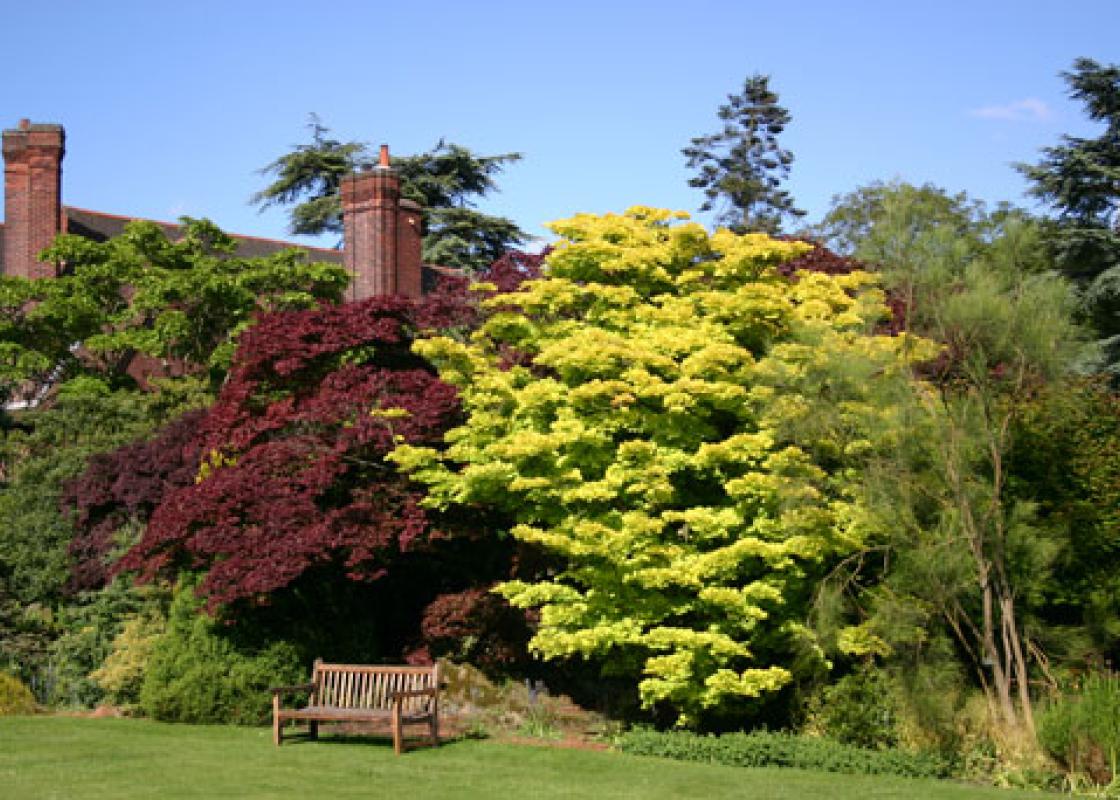
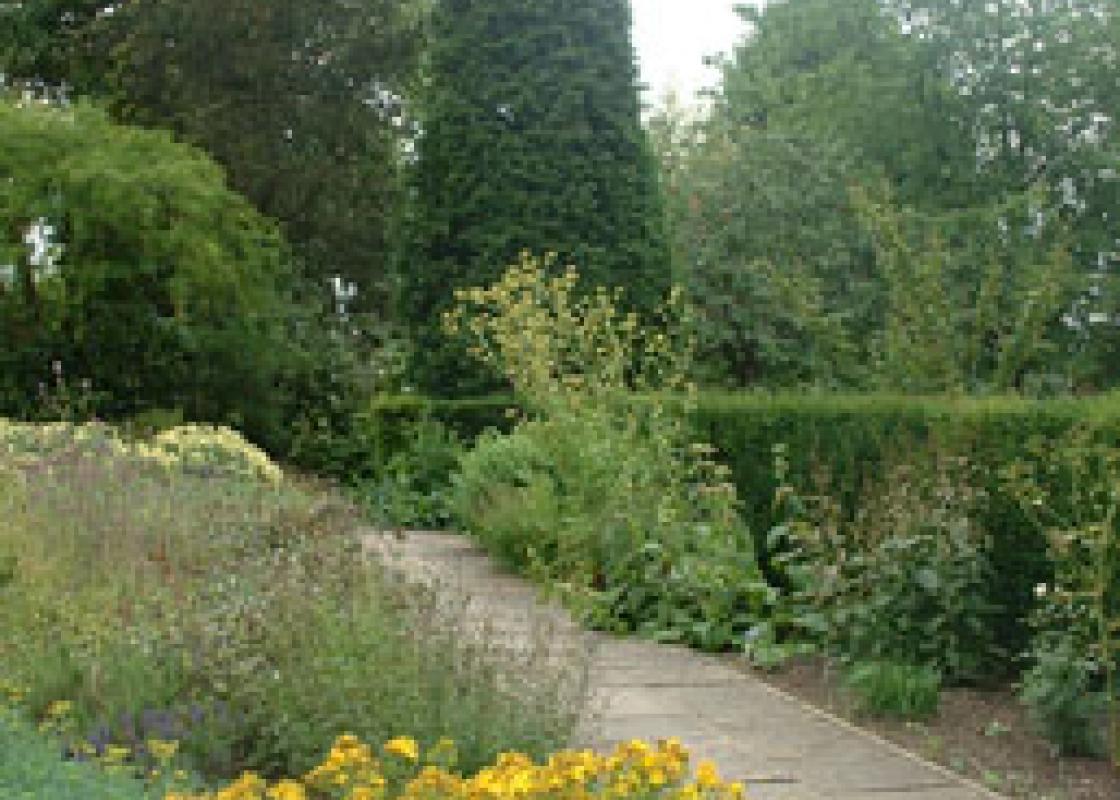
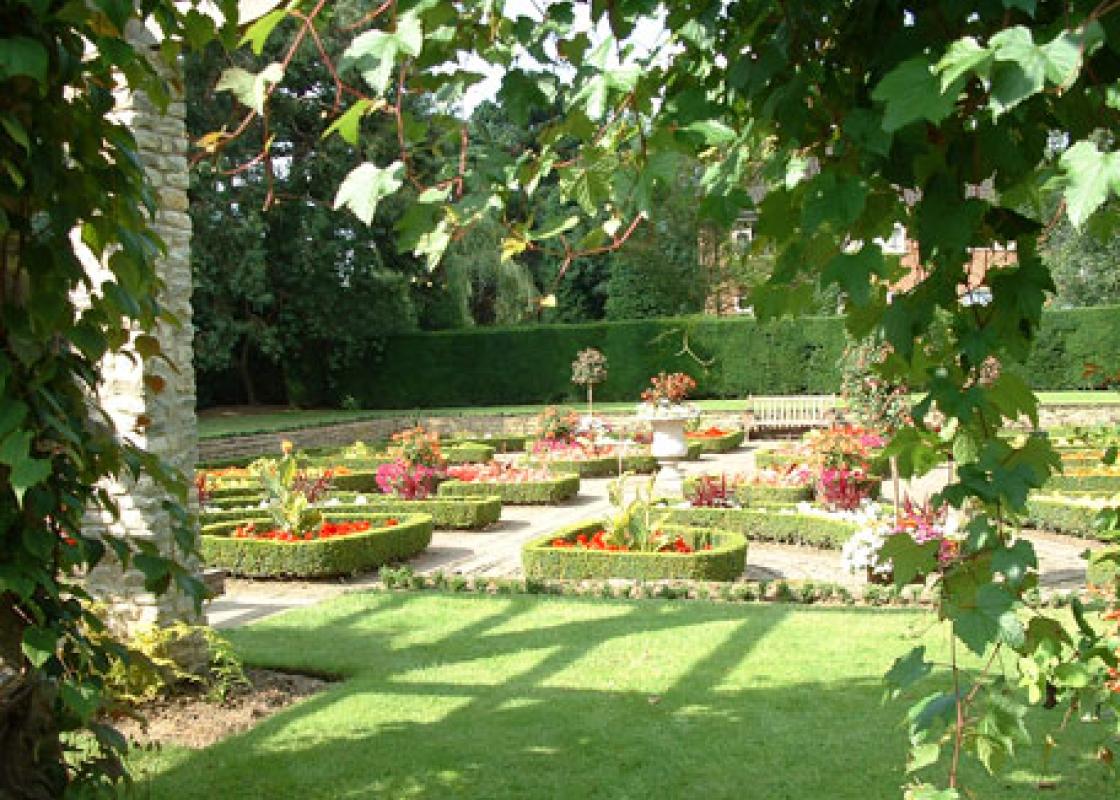
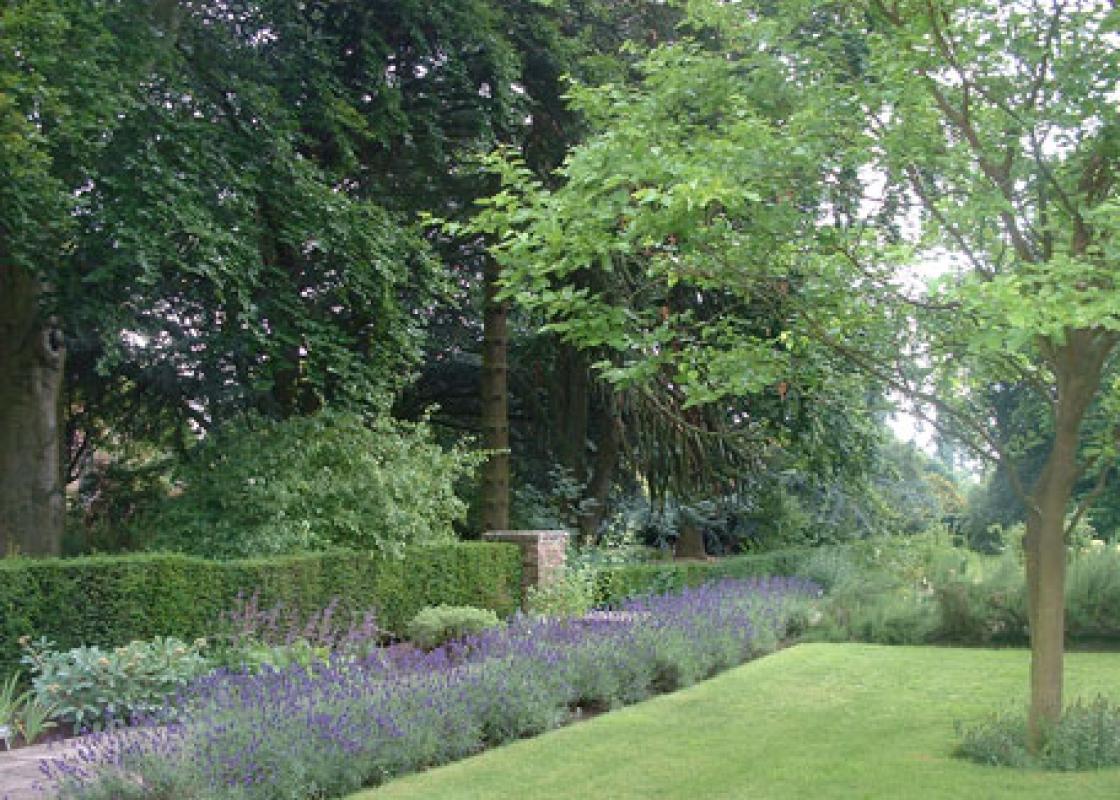
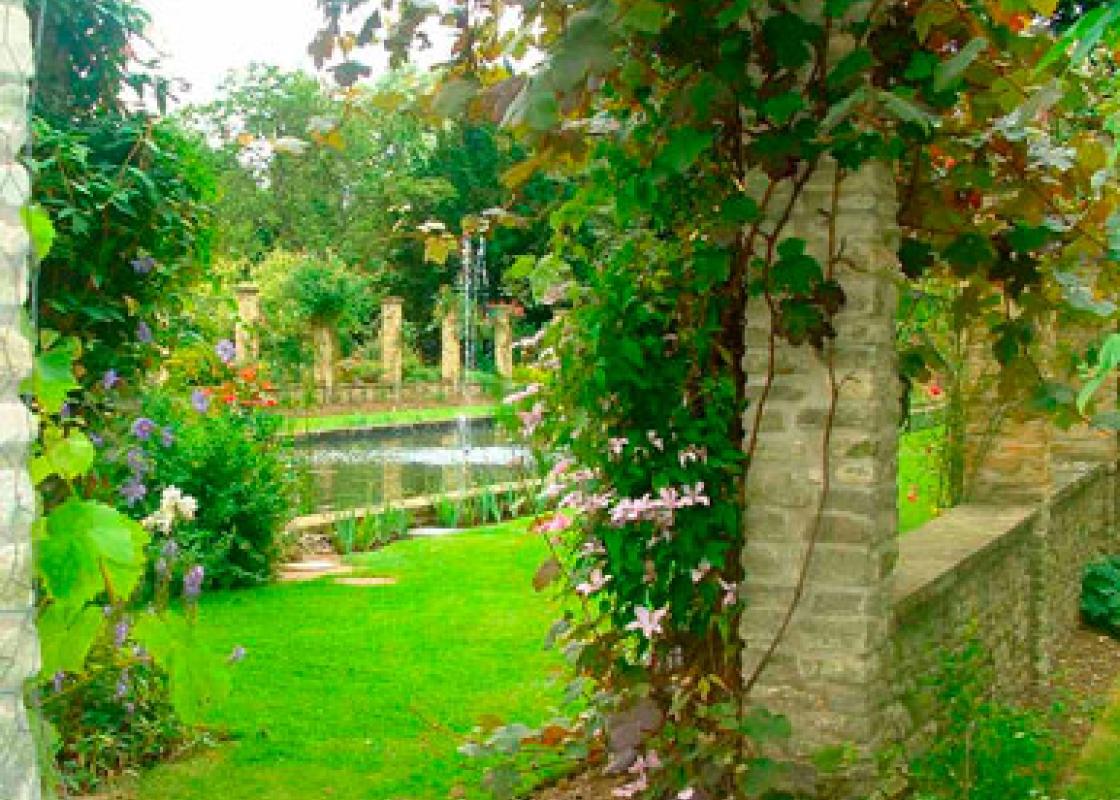
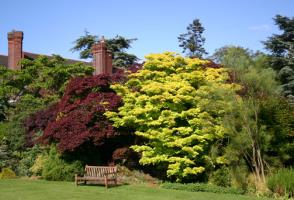
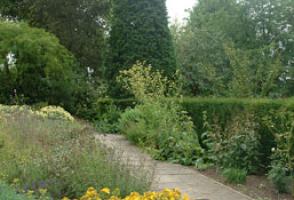
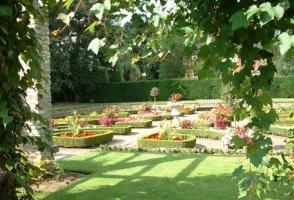
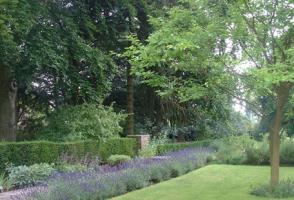
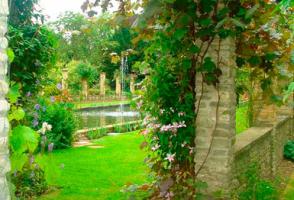
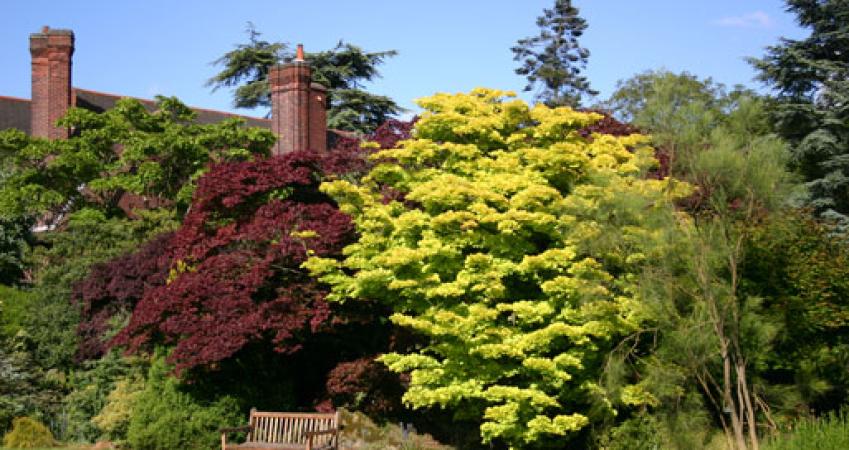
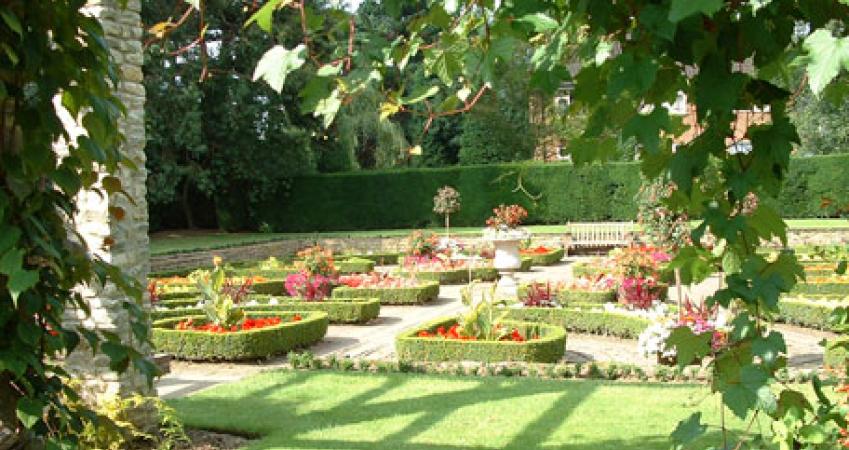
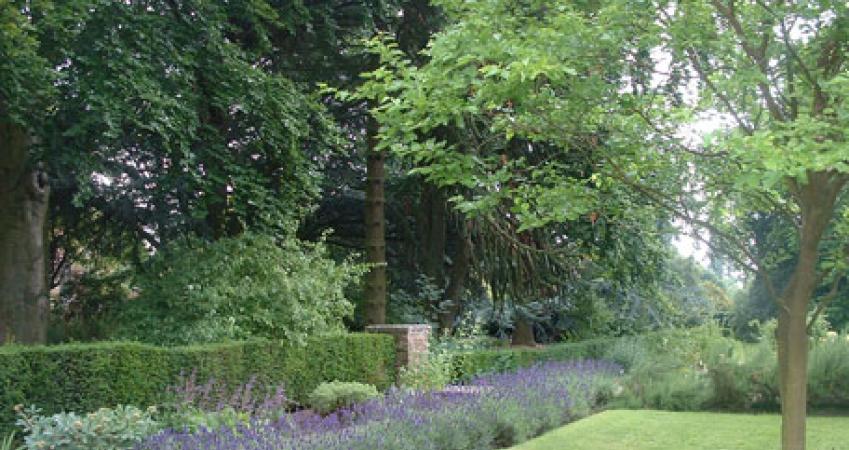
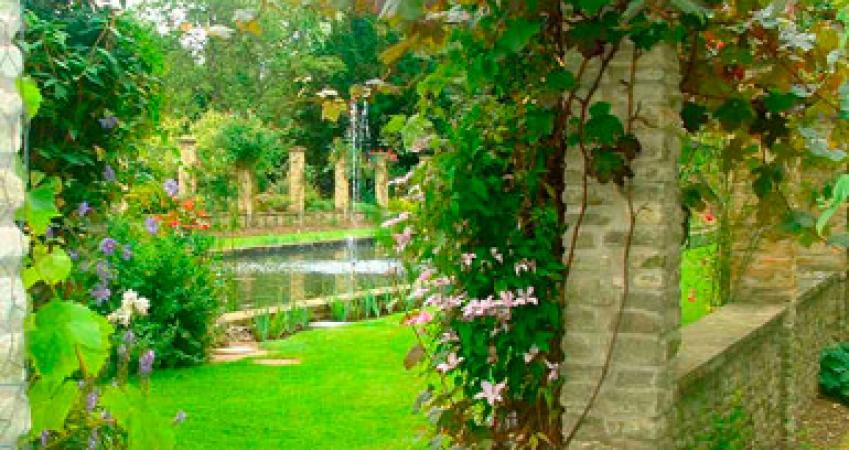
The University of Leicester is home to this 16-acre Botanic Garden, which has the most diverse planting in the region. A great variety of plants from all round the world can be seen in themed displays, including rock, water and sunken gardens, trees, borders, glasshouses and special collections of hardy fuchsias, aubrieta, skimmia and Lawson cypress. The garden is set within a landscape with four Edwardian houses and includes a restored Edwardian garden.
Features
- Opening Times
- Open all year
- Opening Times: Open all year, daily 10-4. Closed 25-26 Dec & 1 Jan
- Facilities
- Parking nearby
- Children
About the area
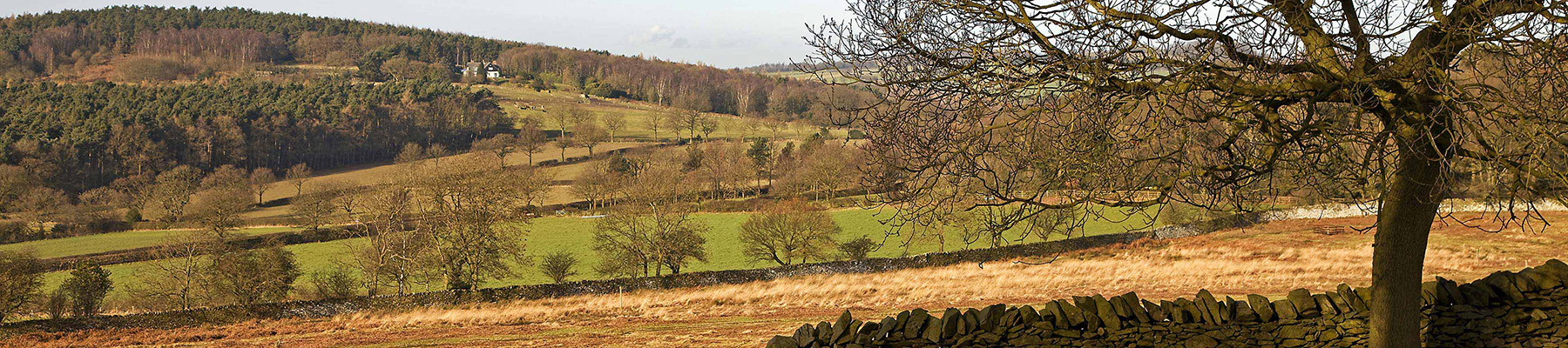
Leicestershire is divided between the large country estates of its eastern side and the industrial towns of the East Midlands to its west. Coal mining was an important part of the county’s industrial development in the 19th and 20th centuries.
Places to eat nearby View all







Nearby places to stay
View all (8)




Nearby places to stay
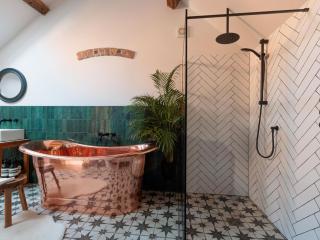
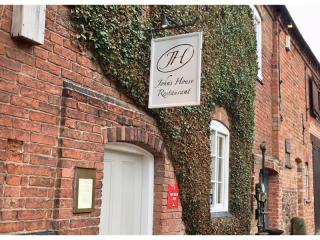
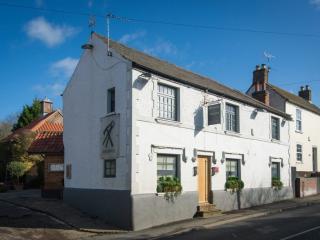
John's House Restaurant
A stones throw from John's House Restaurant, a former 19th-century stable and hay barn has been lovingly converted into two separate cottages; 'Sweet Pea' and 'Chocolate Box'. This qual...
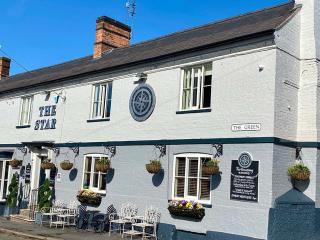
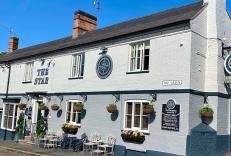
The Star Inn 1744
Overlooking the village green, The Star Inn 1744 wears its age with pride, combining historic character with contemporary touches in its smart restaurant and cosy beamed bar. Friendly s...
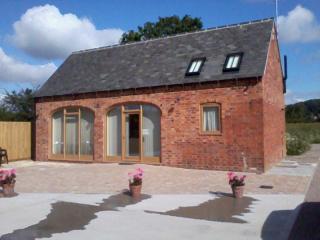
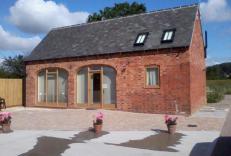
The Victorian Barn
The Victorian Barn is a beautifully converted barn which provides a high standard of self-catering holiday accommodation for up to 4 guests. It is in a tranquil location amongst acres o...
The Victorian Barn
The Victorian Barn is a beautifully converted barn which provides a high standard of self-catering holiday accommodation for up to 4 guests. It is in a tranquil location amongst acres o...
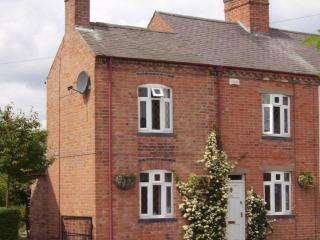
Kingfisher Cottage
Once the home of workers employed at the nearby mill, Kingfisher Cottage is an attractive red-brick Victorian cottage in a quiet location. Well-equipped with its own driveway, the house...
Kingfisher Cottage
Once the home of workers employed at the nearby mill, Kingfisher Cottage is an attractive red-brick Victorian cottage in a quiet location. Well-equipped with its own driveway, the house...
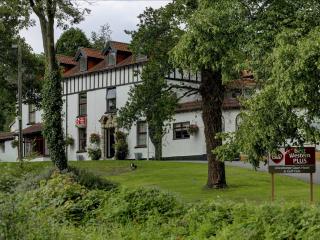
Ullesthorpe Court Hotel and Golf Club
Ullesthorpe Court Hotel and Golf Club is set in 120 acres of glorious Leicestershire countryside just 10 minutes from the motorway network. The hotel is perfect for business or pleasure...
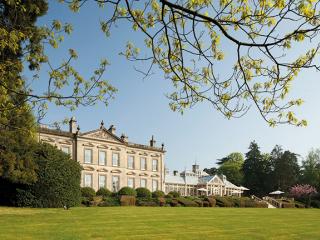
Kilworth House Hotel & Theatre
Kilworth House Hotel is a restored Victorian country house set in 38 acres of private grounds. The gracious public areas feature many period pieces and original art works, and bedrooms ...