Coed-y-Cerrig National Nature Reserve
Recommended by


Overview
The varied ancient semi-natural woodland of the Coed-y-Cerrig NNR north of Abergavenny contains magnificent beeches, bluebells and butterflies. The wet woodland area at the bottom of the valley is populated mainly by alder and willow, while on the drier soil of the slopes, ash and hazel flourish. Beech, oak and small-leaved lime dominate the hilltop. Although the wet woodland covers a small area, it is considered to be one of the best examples of an alluvial forest in the UK. Wildflowers include yellow pimpernel, herb Paris, wood anemone, bluebells, primroses, lords-and-ladies, nettle-leaved bellflower and early purple orchid. Hazelnuts scattered across the forest floor indicate the presence of dormice, which nest either in dense undergrowth, holes in trees or in boxes specially put up for the purpose. A good range of birds can be seen including woodland warblers and woodpeckers. Numerous butterfly species have been noted here, including the rare silver-washed fritillary.
About the area
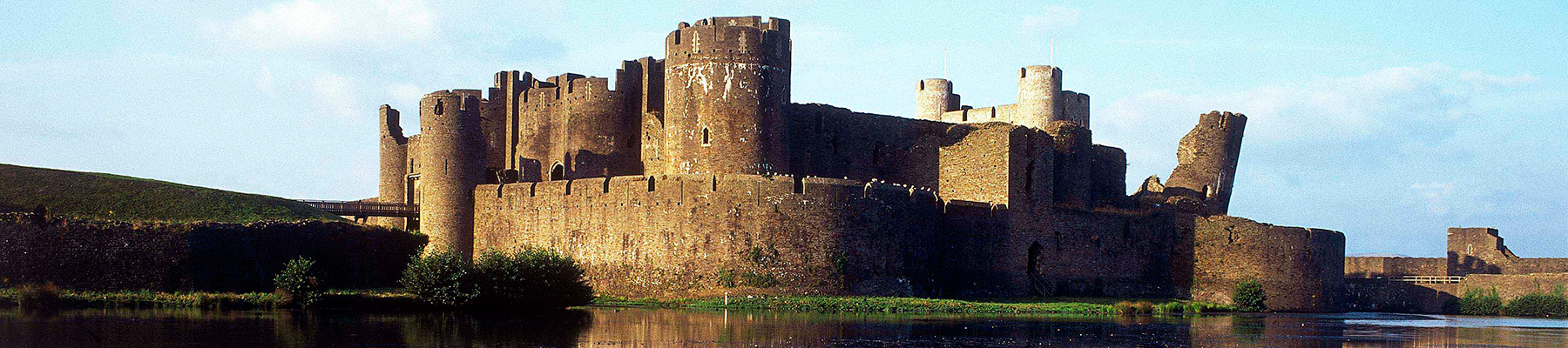
In their bid to control the borderlands of Monmouthshire – also known as the Marches – the Normans built a triangle of castles: Grosmont, Skenfrith and White. At first, they were simple wooden structures strengthened by earthworks, but when the lively Welsh refused to stop attacking them, it was decided more permanent fortresses were needed.
Places to eat nearby View all
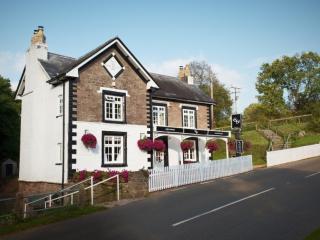
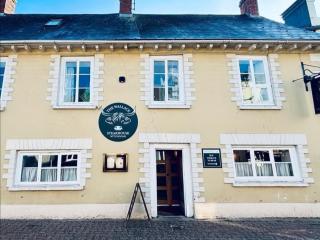
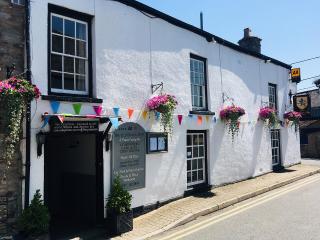
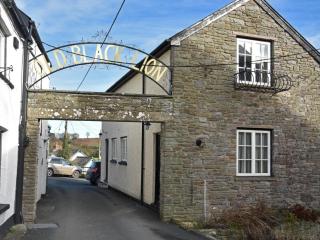
Nearby places to stay
View all (8)




Nearby places to stay
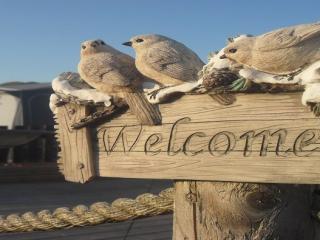
Wernddu Caravan Park
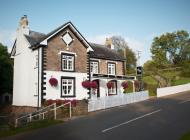
Located north of the town centre, this former fruit farm, adjacent to a golf club and driving range, is managed by three generations of the same family, and has been transformed into an...
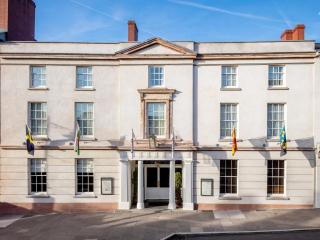
The Angel Hotel
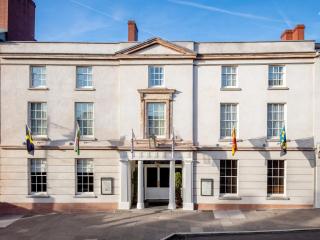
Once a coaching inn and set in the very centre of Abergavenny, The Angel Hotel has long been a popular venue, with foodie credentials to spare. There's also a relaxed bar and a Oak Room...
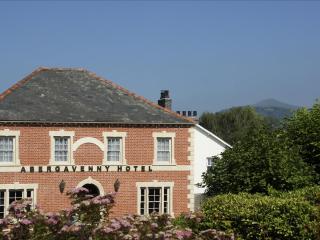
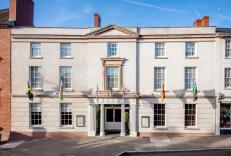
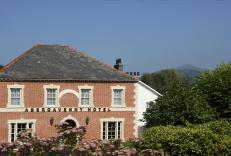
The Abergavenny
Located just a few minutes' stroll from the sister accommodation (the popular Angel Hotel), The Abergavenny offers high-quality bedrooms and bathrooms in a range of shapes and sizes. Gu...
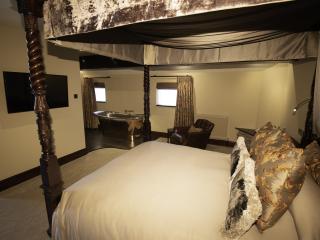
The Bear
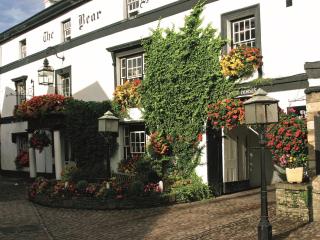
The Bear is a favourite with locals as well as visitors; the character and friendliness of this 15th-century coaching inn are renowned. Bedrooms come in a variety of sizes and include s...
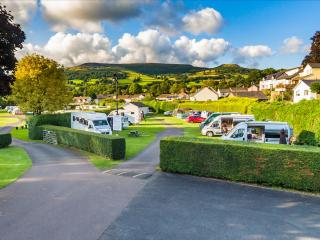
Riverside Caravan & Camping Park
Within a few minutes' walk of the river and town centre with its excellent shopping and eating choices, is this all-level park. It is surrounded by mature hedges and trees to create pri...
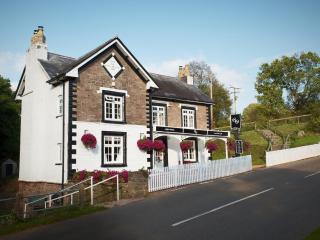
1861 Restaurant with Rooms
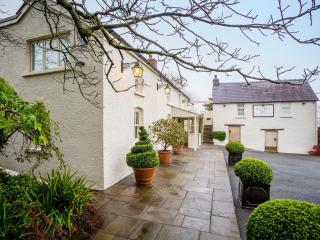
1861 Restaurant with Rooms is run by Kate and Simon King. Simon is the Head Chef while Kate looks after front of house. Bedrooms are located in an adjacent building and provide outstand...
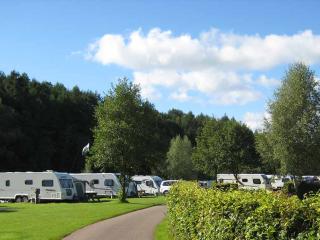
Pont Kemys Caravan & Camping Park
Pont Kemys Caravan & Camping Park is a peaceful site adjacent to the River Usk, offering an excellent standard of toilet facilities with family rooms. The adults-only field benefits fro...
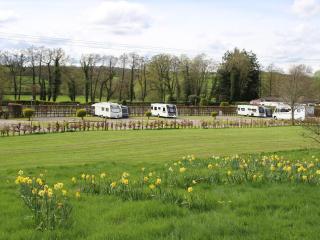
Poston Mill Park
Poston Mill Park is west of Herefordshire under the foothills of the Black Mountain in the Golden Valley. Hard-standing pitches are available all year round, suitable for caravans, moto...