Hodsock Priory Gardens
Recommended by


Overview
Hodsock is open during February, when snowdrops fill the woodland and garden beds. You should also be able to see aconites, crocuses, acers, cornus, sarcococca and winter-flowering honeysuckle. In April and May, the bluebells are spectacular. Enjoy the campfire with bacon sandwiches and hot chocolate. There is a free history talk at 2pm.
Features
- Opening Times
- Opening Times: Open Feb for snowdrops; Apr-May for bluebells (please check website for details)
- Facilities
- Parking onsite
- Cafe
- Children
About the area
Most people associate Nottinghamshire in the East Midlands with the legend of Robin Hood, though the former royal hunting ground of Sherwood Forest has been somewhat tamed since Robin’s outlaw days. Traditionally, the county’s primary industry, alongside agriculture, was coal mining but it is also an oil producing area, and during World War II produced the only oil out of reach of the German U-Boats.
Places to eat nearby View all








Nearby places to stay
View all (8)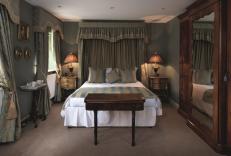








Nearby places to stay
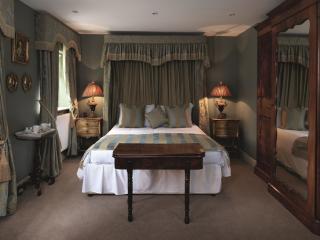
Ye Olde Bell Hotel & Spa
This refurbished 17th-century hotel is conveniently located just off the A1 between Retford and Doncaster, in the village of Barnby Moor. Public rooms have a wealth of original characte...
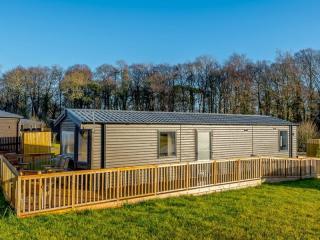
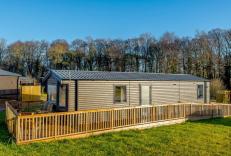
Clumber Park Lodges
Nestled in rolling countryside and scenic woodland in the heart of Nottinghamshire, Clumber Park Lodges is in a magical setting. Situated alongside the 3,800-acre Clumber Park National ...
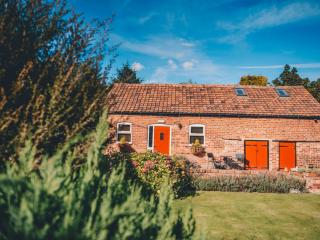
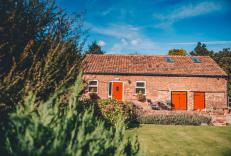
Home Farm & Lodge
Kerry and Richard look forward to welcoming you to Home Farm and Lodge, situated in the historical village of Austerfield, birth place of the Pilgrim Father, William Bradford. The 18th-...
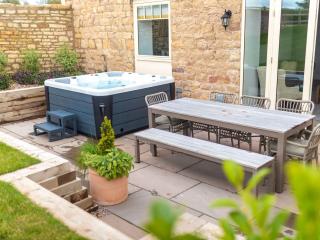
Holbeck Farm Barns, Welbeck Estate
Holbeck Farm Barns are six beautifully converted barns set in the historic Welbeck Estate, each thoughtfully designed to welcome groups of four to eight guests. Every barn has its own p...
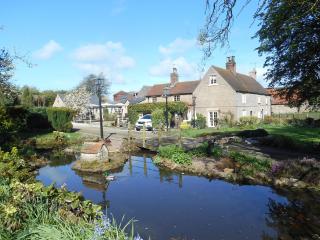
Browns
The Old Orchard Cottage was built in 1730, and Browns welcomes you to an adults-only private, tranquil retreat, with three en suite four-poster bed Garden Rooms adjacent to the cottage....
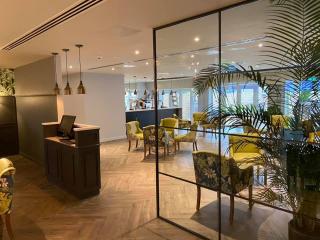
Wildes Inns
This vibrant boutique-style hotel is ideally located within a short driving distance to the Peak District and the local historic town of Chesterfield. Enjoy a range of treatments at the...
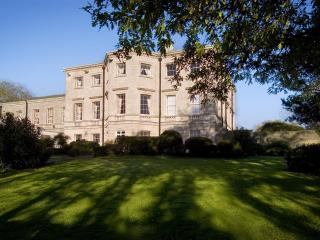
Aston Hall Hotel
Originally built as a manor house and set in spacious grounds with open views across the countryside to the south of the city, this hotel is well located for the M1, Meadowhall, the cit...
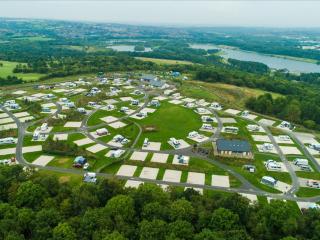
Waleswood Caravan and Camping Park
Waleswood Caravan and Camping Park is a luxurious site situated inside Rother Valley Country Park, and its elevated position commands stunning rural views. All pitches, most of which ar...