Sutton Park National Nature Reserve
Recommended by


Overview
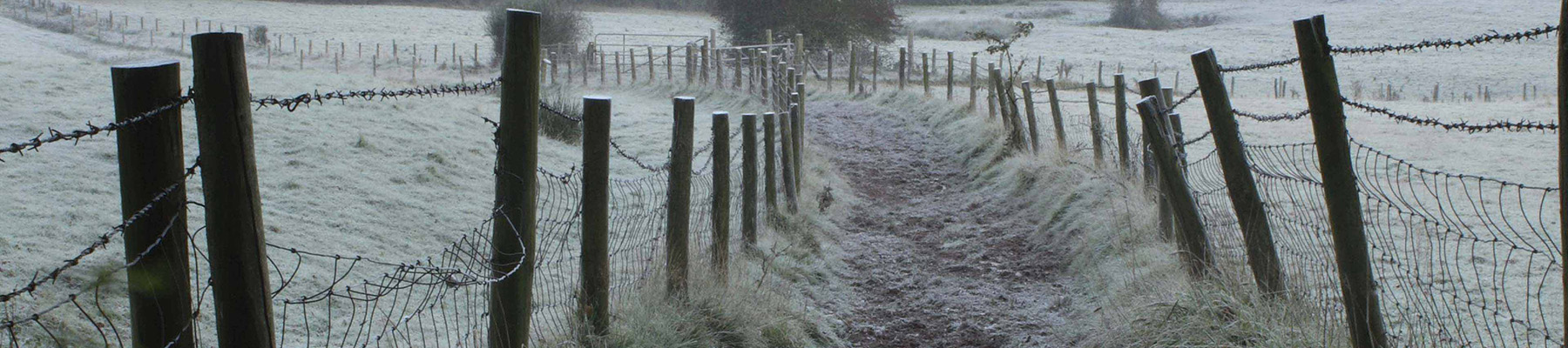
Lying just six miles north of Birmingham city centre, the 2,000-acre Sutton Park NNR delivers a sense of wilderness rare within such an urban environment. Important for wildlife and conservation, the reserve contains fine examples of natural countryside which have survived for hundreds of years. The landscape is a varied mosaic of open heather heathland, oak woodlands, wetlands, marshes and seven pools, each with their own rich variety of plants and wildlife. These habitats are part of a working grazed landscape where cattle and wild ponies can still be seen grazing, yet it is visited by two million people a year. None of the pools are natural, but were created during the Middle Ages when Sutton was a Royal hunting park to provide fish to feed the local population. The marshes and reeds within the park are valuable habitats for many creatures that form part of the fishes food chain. Algae and invertebrates live on the reeds, as well as on the floating and submerged vegetation like the water lilies, bogbean and flag iris.
About the area
After Greater London, the West Midlands is the UK’s biggest county by population, and after London, Birmingham is the UK’s largest city. There’s a lot to seek out here – it has a vibrant culture, with exceptionally good nightlife.
Places to eat nearby View all



Nearby places to stay
View all (8)






Nearby places to stay
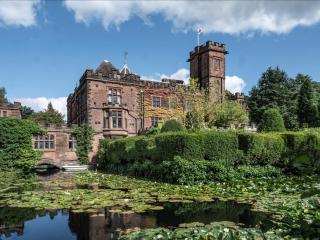
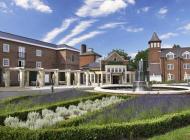
New Hall Hotel & Spa
Situated in 26 acres of beautiful grounds, New Hall Hotel is reputed to be the oldest inhabited, moated house in the country. The house's medieval charm and character combine well with ...
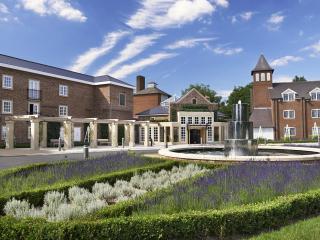
The Belfry
The Belfry is ideally situated within easy striking distance of the M6, Birmingham and Birmingham Airport. The property is set in 550 acres of countryside and features three golf course...
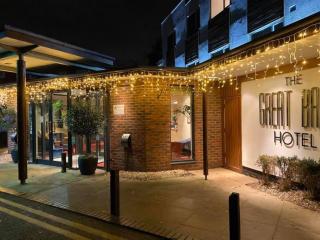
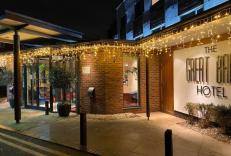
Great Barr Hotel & Conference Centre
Great Barr Hotel is situated in a leafy residential area, and is particularly popular with business clients, due to its excellent, state-of-the-art training and seminar facilities. Ther...
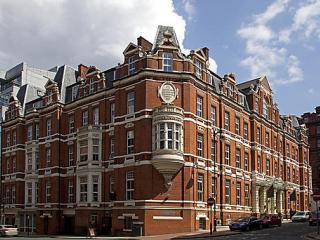
Hotel du Vin & Bistro Birmingham
The former Birmingham Eye Hospital has become a chic and sophisticated hotel. The stylish, high-ceilinged rooms, all with a wine theme, are luxuriously appointed and feature stunning ba...
Aparthotel Adagio Birmingham City Centre
Just five minutes’ walk from the Bullring Shopping Centre and Birmingham New Street rail station with the Colmore business district right on hand, Aparthotel Adagio Birmingham City Cent...
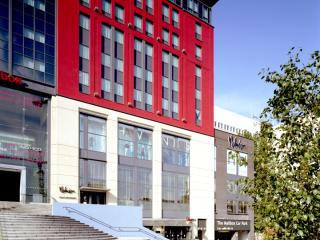
Malmaison Birmingham
The 'Mailbox' development, of which this stylish and contemporary hotel is a part, incorporates the very best in fashionable shopping outlets, an array of restaurants and ample parking....
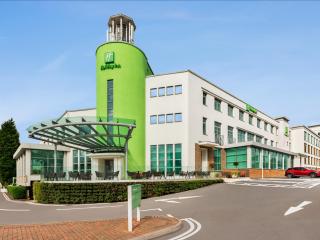
Holiday Inn Birmingham Airport NEC
Holiday Inn Birmingham Airport NEC is just two miles from Birmingham International Airport, the train station, the NEC and the Resorts Arena. There’s ample on-site parking plus a ‘Park ...
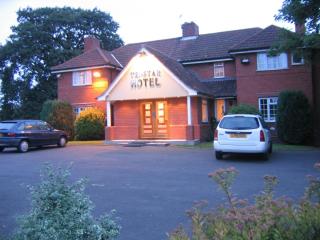
Tri-Star
Just a short drive from the airport, Birmingham International station and the NEC, this owner-managed property provides comfortable bedrooms with well-maintained bathrooms. The open-pla...