Govilon to Llanfoist

Recommended by
Our view
"Easy walking along a disused railway and a canal tow path."
Walk directions

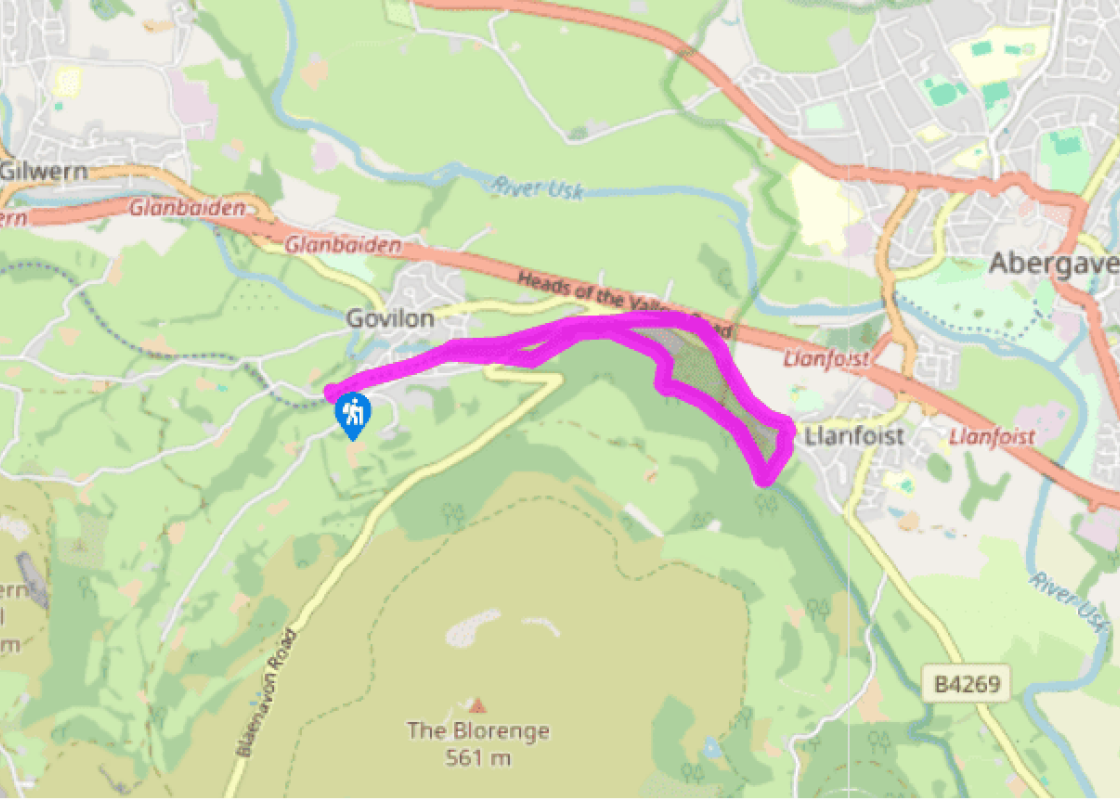
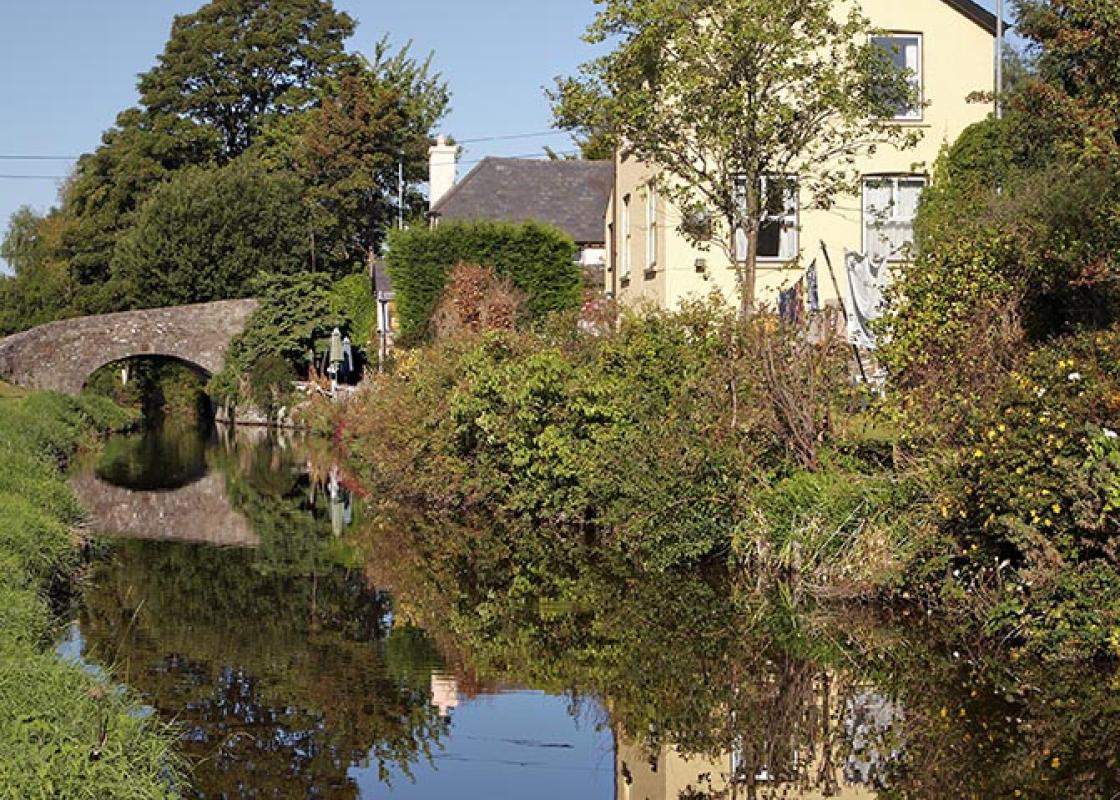
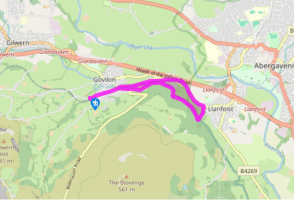
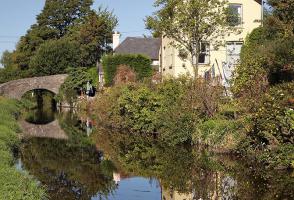
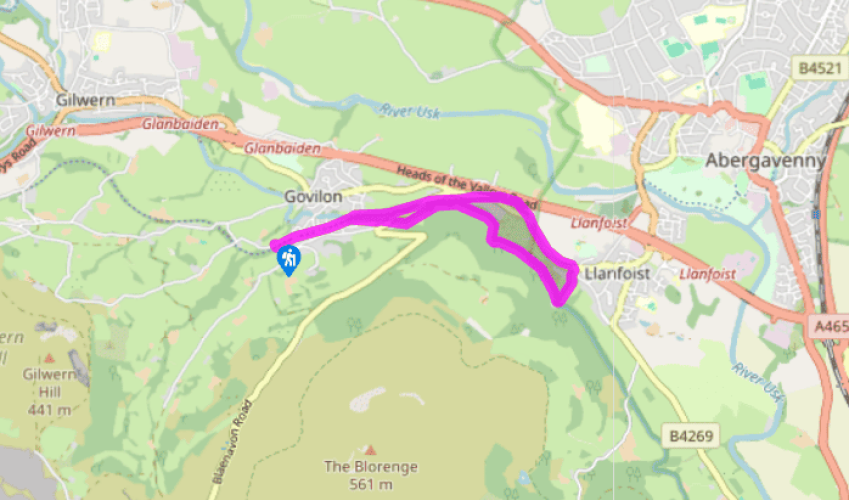
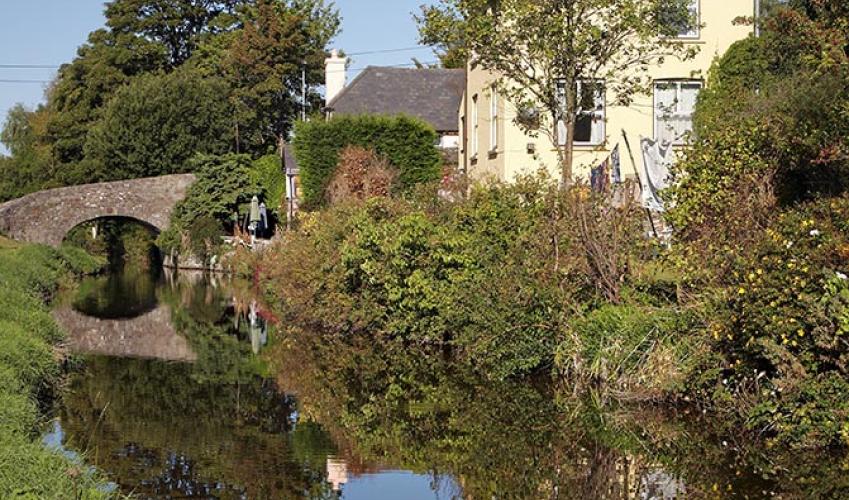
A clear tree-covered track runs parallel to the car park. Go through the barrier on to it and turn left. This is now the line of the railway. Follow it beneath a bridge to a residential road and go straight across, around a barrier. Continue behind a row of houses. The path then vaults the canal on a bridge that you should note as it marks the spot where you leave the waterside on the return leg. Continue parallel to the canal for a while, then duck back into woodland, keeping straight ahead at a junction, waymarked right to the canal. The path passes beneath deciduous trees made up mainly of oak, birch and ash. You’re likely to see many small birds, especially those of the garden variety, including most members of the tit family, robins and wrens.

About 1.25 miles (2km) after crossing the canal, you’ll come to a gate and a car park on the outskirts of the small village of Llanfoist, which grew up on the transport links of the area. Its lime kilns were fed by limestone quarried on the flanks of Blorenge and brought down to the canal by another tramway. Turn right, cross the main road and walk up the lane opposite. This passes the church on the left and climbs steeply up towards the canal. As the lane swings sharply left bear right to climb steps up onto the tow path.

View all directions
Location
Additional information
  Terrain  - Clear, well-surfaced tracks and paths
  Landscape  - Mixed woodland and tranquil canal banks
  Dog friendliness  - Family walkways so scoop the poop
  Parking  - Small roadside car park, southwest of Govilon
  Toilets en route  - None on route
About the walk
This delightful little walk follows the lines drawn by two of the area’s main 18th- and 19th-century transport arteries. The outward leg follows the now defunct Merthyr, Tredegar and Abergavenny Railway, often known as the ‘Heads of the Valleys Railway’. In places, the line follows the path of the...
Read more
Been on this walk placeholder

Been on this walk?

Send us photos or a comment about this route. Or recommend a route of your own.

Walking in Safety placeholder

Walking in Safety

Read our tips to look after yourself and the environment when following this walk.

Get an AA guide placeholder

Get an AA guide

Explore our range of ‘50 Walks in’ guides - they’re the ideal companion for a ramble.

About the area
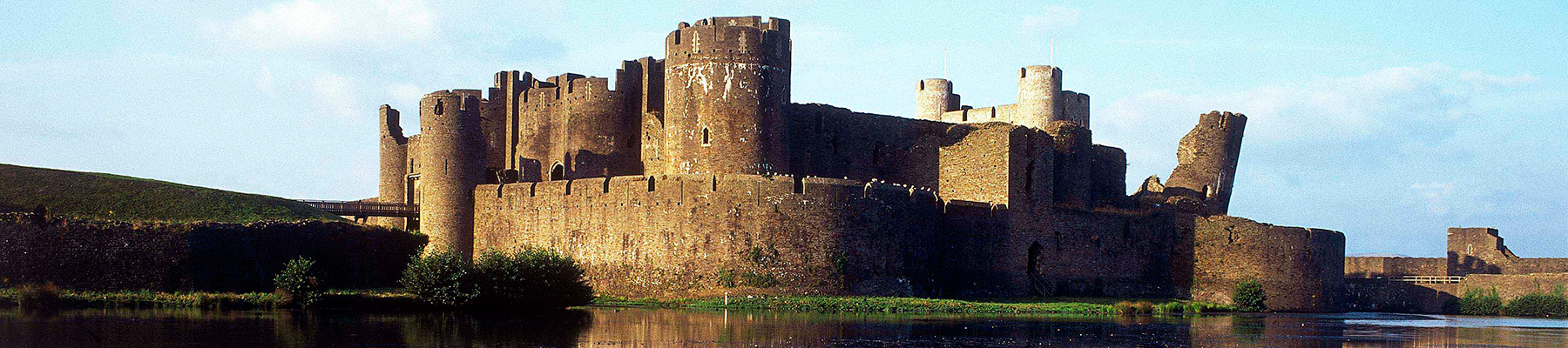
In their bid to control the borderlands of Monmouthshire – also known as the Marches – the Normans built a triangle of castles: Grosmont, Skenfrith and White. At first, they were simple wooden structures strengthened by earthworks, but when the lively Welsh refused to stop attacking them, it was decided more permanent fortresses were needed.
Area image

Govilon to Llanfoist

Recommended by
Our view
"Easy walking along a disused railway and a canal tow path."
Dog friendly
Location
Nearest postcode:
Additional information
  Terrain - Clear, well-surfaced tracks and paths
  Landscape - Mixed woodland and tranquil canal banks
  Dog friendliness - Family walkways so scoop the poop
  Parking - Small roadside car park, southwest of Govilon
  Toilets en route - None on route
About the walk
This delightful little walk follows the lines drawn by two of the area’s main 18th- and 19th-century transport arteries. The outward leg follows the now defunct Merthyr, Tredegar and Abergavenny Railway, often known as the ‘Heads of the Valleys Railway’. In places, the line follows the path of the...
Read more
Been on this walk placeholder

Been on this walk?

Send us photos or a comment about this route. Or recommend a route of your own.

Walking in Safety placeholder

Walking in Safety

Read our tips to look after yourself and the environment when following this walk.
Get an AA guide placeholder

Get an AA guide

Explore our range of ‘50 Walks in’ guides - they’re the ideal companion for a ramble.
About the area
Area image
Monmouthshire
In their bid to control the borderlands of Monmouthshire – also known as the Marches – the Normans built a triangle of castles: Grosmont, Skenfrith and White. At first, they were simple wooden structures strengthened by earthworks, but when the lively Welsh refused to stop attacking them, it was decided more permanent fortresses were needed.